The 2018 Sulawesi Tsunami: Earthquake, Wave, and Tragedy in Palu
Table of Contents
- Introduction
- The Earthquake That Shook Sulawesi
- Tsunami and Liquefaction
- Impact on Palu and Surrounding Areas
- Humanitarian Crisis
- Response and Rescue
- Long-Term Effects and Lessons
- Conclusion
- External Resource
- Internal Link
1. Introduction
On September 28, 2018, a violent magnitude 7.5 earthquake struck just off the coast of Central Sulawesi, Indonesia, triggering a deadly tsunami and soil liquefaction. The combined natural forces devastated the city of Palu and nearby regions.
2. The Earthquake That Shook Sulawesi
✔️ The quake occurred at 6:02 PM local time, near the Palu-Koro fault.
✔️ It was a strike-slip earthquake, but it generated a tsunami due to undersea displacement.
✔️ Ground shaking was intense and lasted for around 10 seconds.
3. Tsunami and Liquefaction
🔹 Tsunami waves reached heights of up to 6 meters, crashing into Palu’s coast.
🔹 The narrow shape of Palu Bay amplified the tsunami’s force.
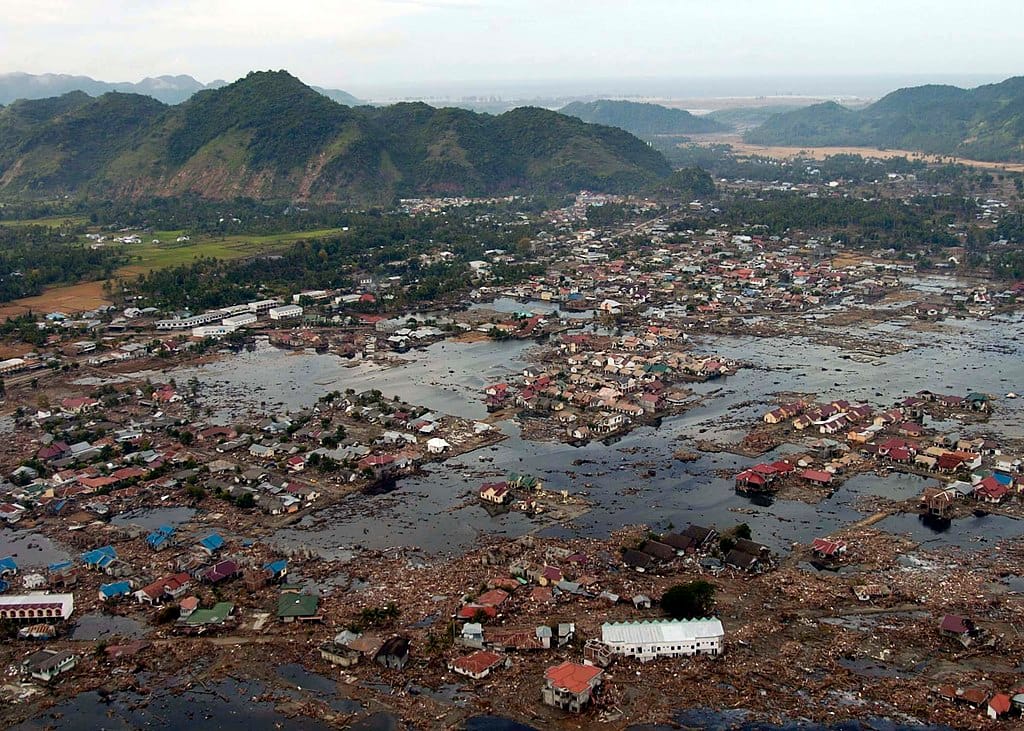
🔹 In multiple districts, the ground turned into liquid due to liquefaction, swallowing homes and infrastructure.
4. Impact on Palu and Surrounding Areas
✔️ More than 4,300 people lost their lives.
✔️ Tens of thousands of buildings were destroyed.
✔️ Over 70,000 people were displaced, many forced to live in temporary camps.
✔️ Infrastructure like roads, bridges, and the local airport were severely damaged.
5. Humanitarian Crisis
✔️ Survivors faced shortages of food, water, and medical care.
✔️ Rescue efforts were hampered by debris and damaged communications.
✔️ International organizations, including the Red Cross and UN agencies, mobilized support.
6. Response and Rescue
✔️ Indonesian military and local volunteers conducted large-scale rescues.
✔️ Emergency tents, food, and water were flown in.
✔️ Efforts were made to identify bodies and reunite families.
✔️ Financial and material aid flowed in from countries across Asia and Europe.
7. Long-Term Effects and Lessons
✔️ Greater awareness of tsunami risks in narrow bays like Palu.
✔️ Need for localized early warning systems.
✔️ Importance of building codes and hazard mapping in seismic zones.
✔️ Reconstruction efforts continue to this day.
8. Conclusion
The Sulawesi tsunami of 2018 was one of the most catastrophic natural disasters in modern Indonesian history. It revealed the deadly intersection of tectonics, oceanography, and urban vulnerability—and underscored the need for both scientific vigilance and community preparedness.
9. External Resource
🌐 Wikipedia: 2018 Sulawesi earthquake and tsunami