The 1960 Chilean Tsunami: A Wave Born from Earth’s Strongest Quake
Table of Contents
- Introduction
- The Valdivia Earthquake Strikes
- Tsunami Devastates Chile’s Coastline
- The Pacific-Wide Aftershock
- Global Consequences
- Scientific Breakthroughs and Preparedness
- Conclusion
- External Resource
1. Introduction
On May 22, 1960, Chile experienced something no one had seen before: a magnitude 9.5 earthquake, the most powerful ever recorded in human history. But the terror didn’t stop with the quake. The shifting of Earth’s crust created a massive tsunami that devastated the Chilean coast and swept across the Pacific Ocean. This is the tale of the 1960 Chilean tsunami, a global disaster that forever changed how we prepare for nature’s fury.
2. The Valdivia Earthquake Strikes
The quake, often referred to as the Great Chilean Earthquake, struck in the afternoon, lasting nearly 10 minutes. Cities like Valdivia, Puerto Montt, and Concepción suffered catastrophic damage.
✔️ Over 1,600 people were killed directly by the earthquake.
✔️ It caused massive landslides, river tsunamis, and even volcanic activity.
But the worst was still to come.
3. Tsunami Devastates Chile’s Coastline
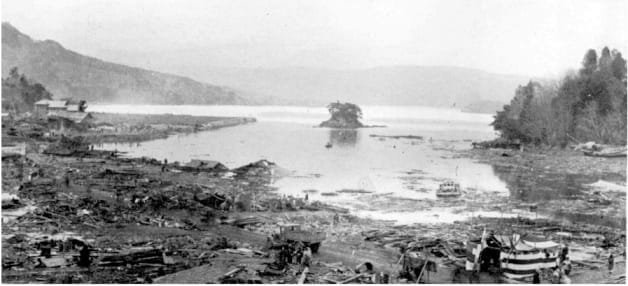
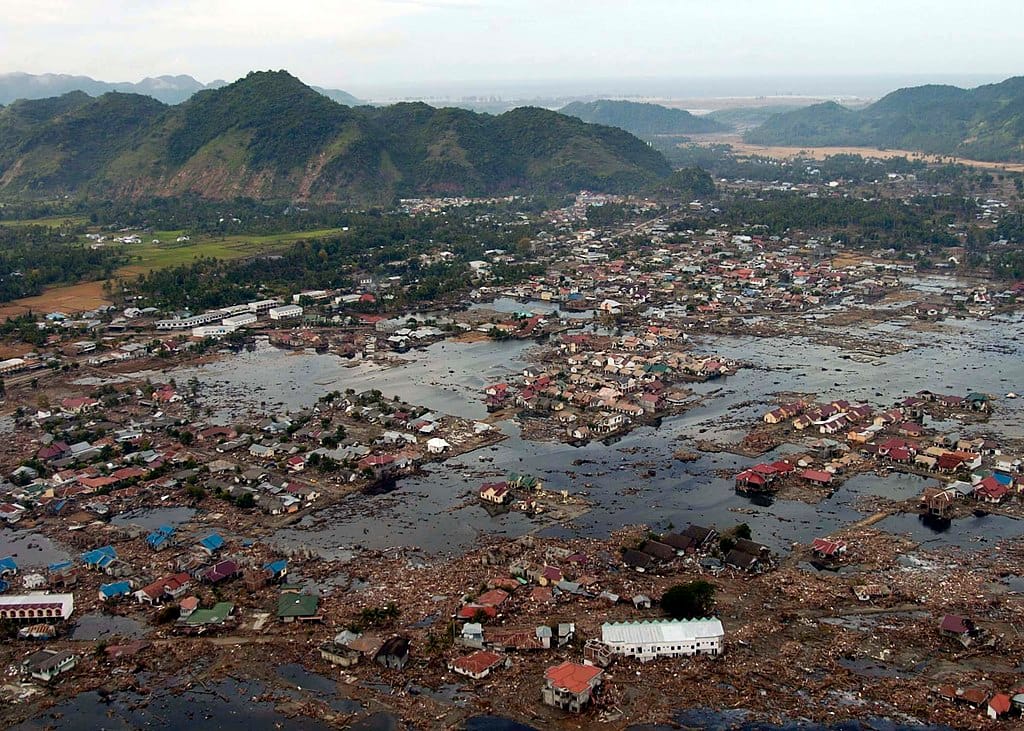
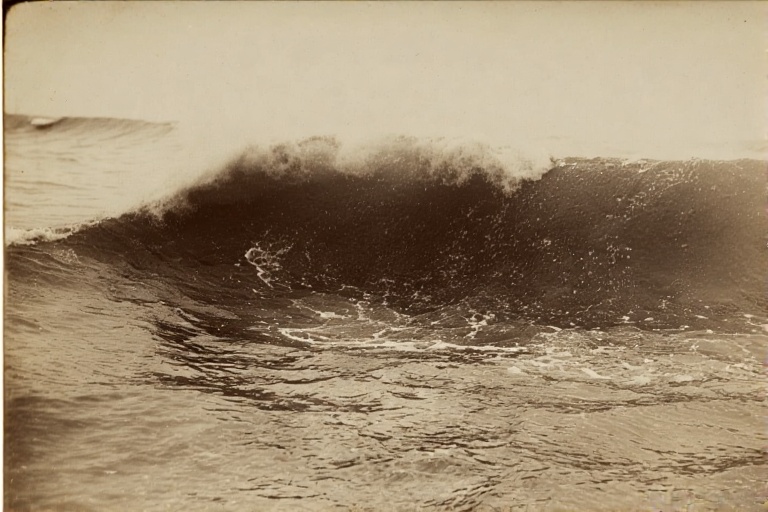
Just 15 minutes after the quake, huge tsunami waves—some over 25 meters high—slammed into Chile’s southern coast. Entire towns were flattened, and fishing communities wiped off the map.
🔹 In places like Corral and Taltal, survivors clung to rooftops.
🔹 Over 2,000 people were killed by the tsunami alone.
🔹 Boats were tossed kilometers inland like toys.
4. The Pacific-Wide Aftershock
The tsunami didn’t stop in Chile. Waves raced across the Pacific Ocean, reaching:
🌊 Hawaii: Hilo was hit hard—61 lives lost.
🌊 Japan: Over 140 deaths and widespread flooding.
🌊 Philippines, New Zealand, and the U.S. West Coast also experienced wave surges.
The global reach of the tsunami stunned scientists and governments alike.
5. Global Consequences
The Chilean tsunami of 1960 sparked massive international efforts to improve tsunami monitoring and communication.
✔️ The Pacific Tsunami Warning System was updated and expanded.
✔️ Coastal countries began investing in early alert systems and tsunami evacuation plans.
✔️ The disaster highlighted the interconnectedness of seismic zones and oceans.
6. Scientific Breakthroughs and Preparedness
Researchers studied the Chilean quake and tsunami in detail. It became a key event in understanding subduction zones, where one tectonic plate slides under another.
✔️ The event shaped modern earthquake engineering.
✔️ It helped define protocols for emergency response.
✔️ It reinforced the need for community education on natural disasters.
7. Conclusion
The 1960 Chilean tsunami was more than just a natural catastrophe—it was a lesson in humility. Born from the most violent tremor in recorded history, it reminded us that Earth’s forces can unite nations in tragedy—and in progress. Today, its memory drives science, safety, and solidarity across the Pacific and beyond.
8. External Resource
🌐 Wikipedia: 1960 Valdivia earthquake