The 1746 Peru Tsunami: The Sea that Swallowed Callao
Table of Contents
- Introduction
- The Earthquake That Shook Lima
- Callao’s Vanishing Act
- Human Loss and Survival
- Rebuilding and Resilience
- Historical Significance
- Conclusion
- External Resource
- Internal Link
1. Introduction
On October 28, 1746, Peru was shaken to its core by one of the most powerful earthquakes in its colonial history. The quake was followed by a monstrous tsunami that obliterated the port city of Callao, reshaping Peru’s coast and collective memory. This was the 1746 Peru tsunami—a disaster both geological and human.
2. The Earthquake That Shook Lima
Just before midnight, a massive magnitude 8.6 earthquake struck near Lima.
✔️ The tremor lasted 3 to 4 minutes and could be felt for hundreds of kilometers.
✔️ In Lima, around 1,200 people were killed and nearly every building was damaged or destroyed.
✔️ Churches, homes, and government buildings crumbled in seconds.
3. Callao’s Vanishing Act
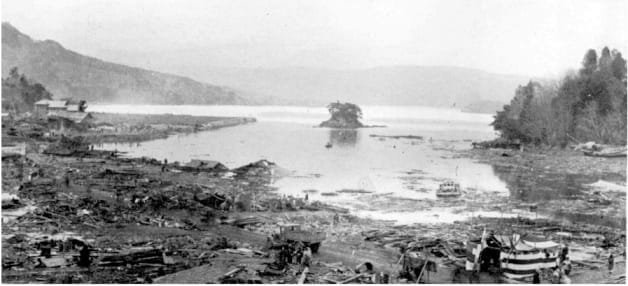
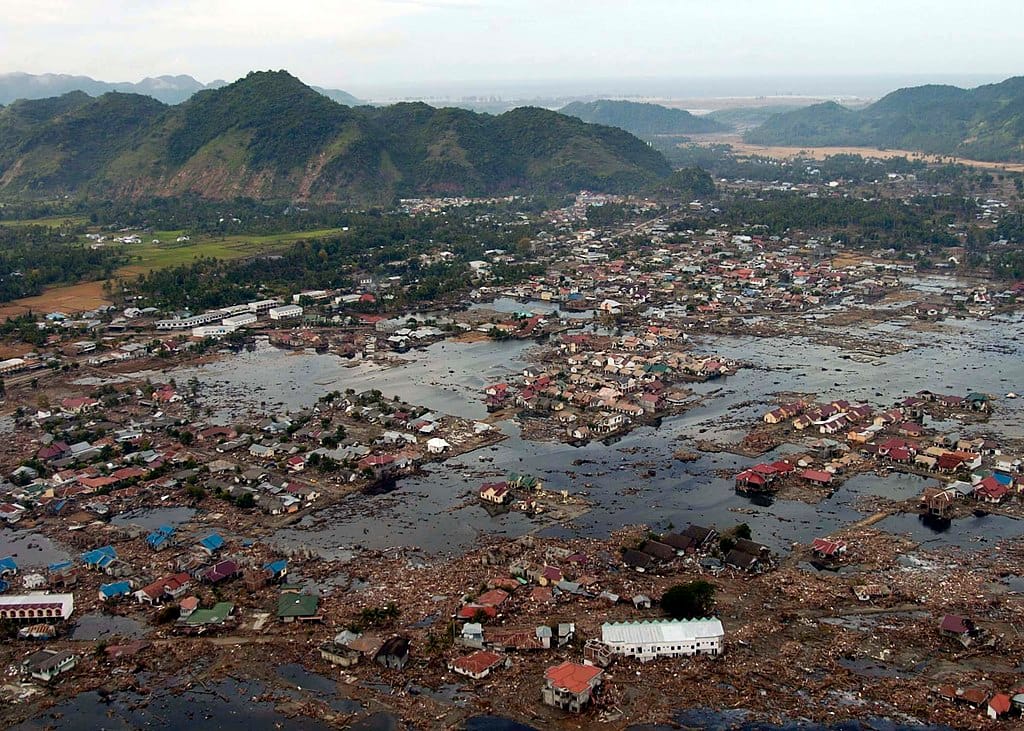
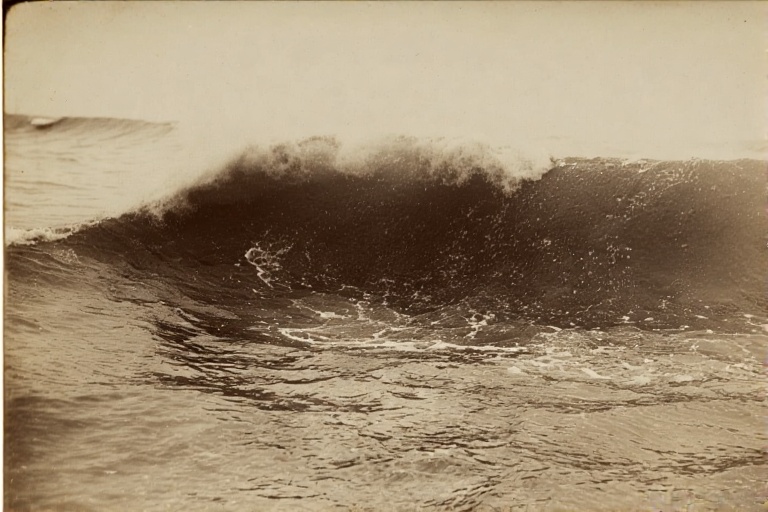
Only a few minutes after the earthquake, a series of massive tsunami waves surged into the port city of Callao.
🔹 Waves up to 15 meters high swept over the city.
🔹 Of Callao’s estimated 5,000 residents, fewer than 200 survived.
🔹 Ships were hurled far inland, and the coastline was permanently changed.
Callao, once Peru’s busiest port, was almost completely erased.
4. Human Loss and Survival
The devastation extended beyond numbers—it broke hearts and communities.
✔️ Entire families vanished without a trace.
✔️ Survivors had to rebuild from rubble and salt-soaked land.
✔️ Relief efforts were limited by colonial infrastructure.
5. Rebuilding and Resilience
Despite the tragedy, Peruvians rebuilt. Lima was reconstructed with anti-seismic architecture, including wooden-framed buildings and reinforced walls.
✔️ King Philip V of Spain sent architects and funds to support the effort.
✔️ The city’s layout was altered to reduce future damage.
✔️ Callao was eventually resettled, though never fully recovered to its pre-1746 prominence.
6. Historical Significance
The 1746 tsunami left more than ruins—it left lessons. It was one of the first major disasters in South America that led to documented urban planning changes based on natural risks.
✔️ Chronicles from the time influenced seismic policies in the region.
✔️ The event remains a cautionary tale in Peruvian education.
7. Conclusion
The Peru tsunami of 1746 was not just a maritime event—it was a national tragedy. As the sea reclaimed Callao and Lima crumbled under shaking ground, a new era began. One that valued resilience, foresight, and respect for the unstoppable forces beneath and around us.
8. External Resource
🌐 Wikipedia: 1746 Lima–Callao earthquake and tsunami