The 1908 Messina Tsunami: Italy’s Coastal Catastrophe
Table of Contents
- Introduction
- The Earthquake That Shook Southern Italy
- The Tsunami’s Arrival
- Widespread Devastation and Casualties
- Rescue Efforts and Aftermath
- Legacy and Modern Understanding
- Conclusion
- External Resource
- Internal Link
1. Introduction
On the early morning of December 28, 1908, the southern Italian cities of Messina and Reggio Calabria were rocked by a violent magnitude 7.1 earthquake. Moments later, a tsunami hit the coastlines, compounding the destruction and leading to one of the deadliest natural disasters in European history.
2. The Earthquake That Shook Southern Italy
The earthquake struck at approximately 5:20 a.m., with its epicenter in the Strait of Messina, the narrow body of water separating Sicily from mainland Italy.
✔️ Thousands of buildings collapsed instantly.
✔️ Entire neighborhoods crumbled as people slept.
✔️ The initial shock killed tens of thousands on impact.
3. The Tsunami’s Arrival
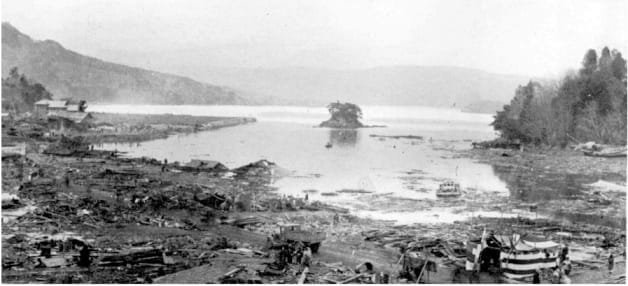
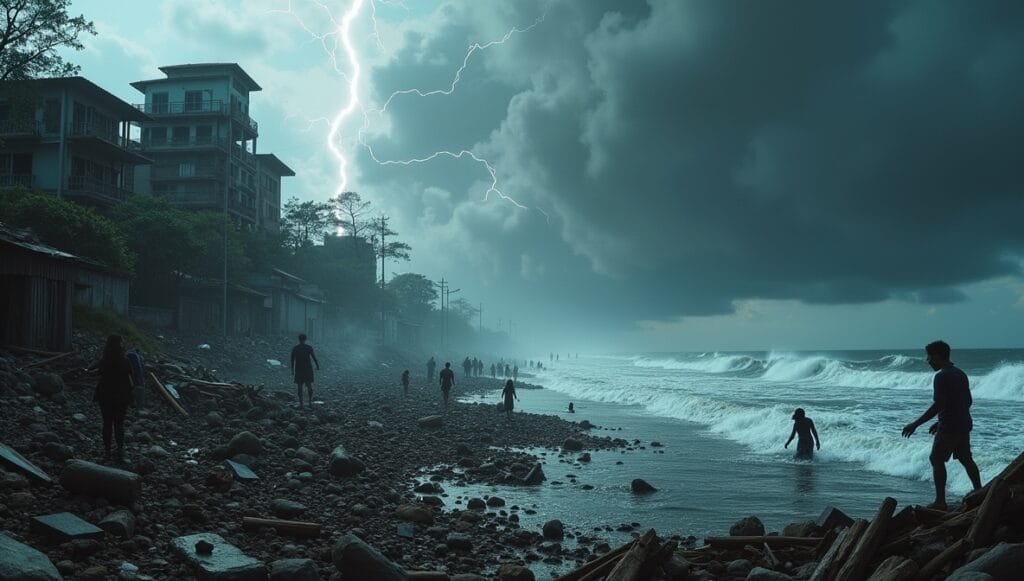
Just minutes after the quake, waves up to 12 meters high struck the coasts.
🔹 The tsunami hit both sides of the Strait—Messina and Reggio Calabria.
🔹 Boats were thrown inland, and ports were destroyed.
🔹 Many survivors of the quake were caught in the open by the waves.
4. Widespread Devastation and Casualties
It’s estimated that over 100,000 people died from the combined impact of the earthquake and tsunami.
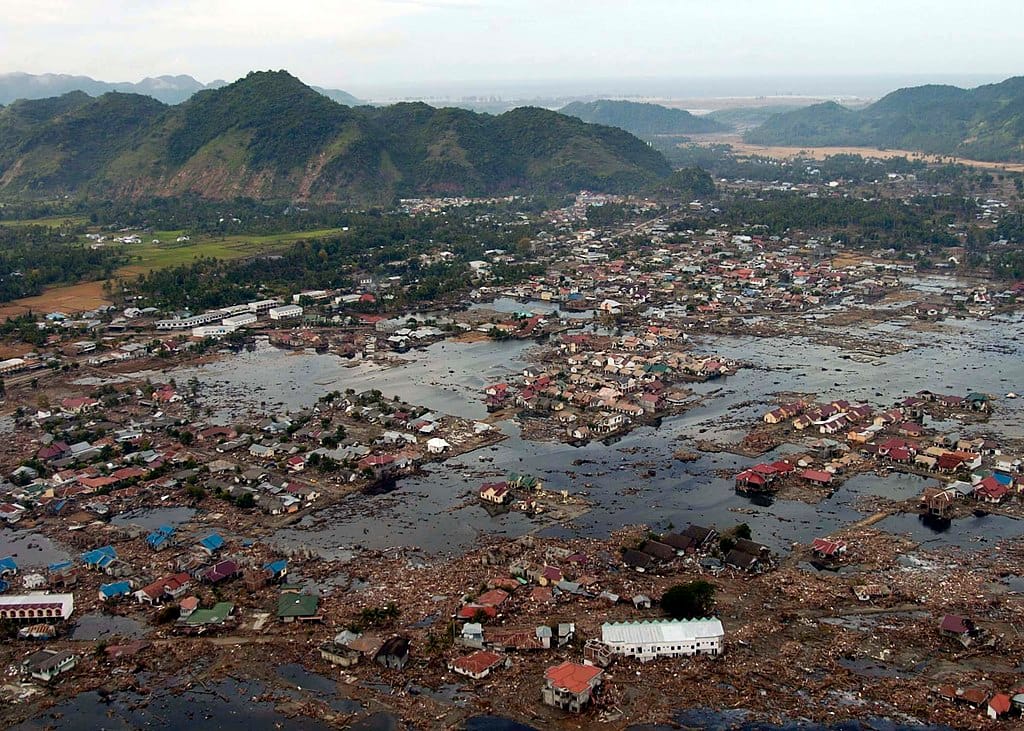
✔️ Coastal towns were obliterated.
✔️ Survivors struggled with injuries, starvation, and cold.
✔️ Communication lines were down, delaying aid.
5. Rescue Efforts and Aftermath
Italy’s response was slow due to infrastructure collapse, but international help soon arrived.
✔️ Ships from Russia, Britain, and the United States brought supplies and personnel.
✔️ Survivors were relocated to temporary shelters.
✔️ Reconstruction of Messina took decades.
6. Legacy and Modern Understanding
The 1908 disaster remains one of Europe’s worst seismic events.
✔️ Led to the study of seismic-tsunami links in the Mediterranean.
✔️ Improved emergency response policies in Italy.
✔️ Served as a grim reminder of the power of fault lines under the sea.
7. Conclusion
The Messina tsunami of 1908 was a catastrophic sequel to an already devastating earthquake. In mere moments, thriving coastal communities became silent ruins. Yet from the tragedy emerged lessons that continue to guide disaster preparedness in Italy and beyond.
8. External Resource
🌐 Wikipedia: 1908 Messina earthquake