Table of Contents
- Introduction
- The Fukushima Earthquake and Tsunami: A Natural Catastrophe
- The Fukushima Nuclear Disaster: A Crisis Unfolds
- Immediate Consequences and Emergency Response
- Long-Term Impact on Japan and the World
- Lessons Learned and Future Precautions
- Conclusion
Introduction
The Fukushima earthquake of 2011 was a devastating disaster that triggered one of the worst nuclear crises in history. A 9.0-magnitude earthquake struck off the coast of Japan on March 11, 2011, followed by a monstrous tsunami that destroyed entire cities. However, the real catastrophe unfolded at the Fukushima Daiichi nuclear power plant, where a reactor meltdown led to massive radiation leaks. But how did it happen? What were the consequences, and what lessons can we learn from it?
The Fukushima Earthquake and Tsunami: A Natural Catastrophe
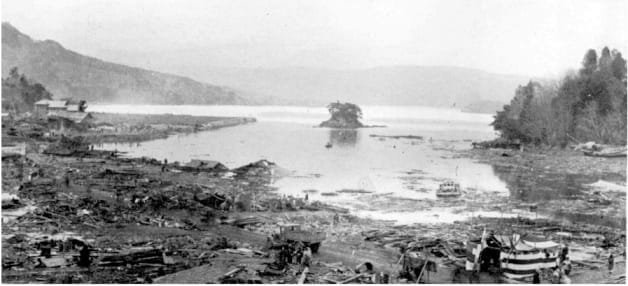
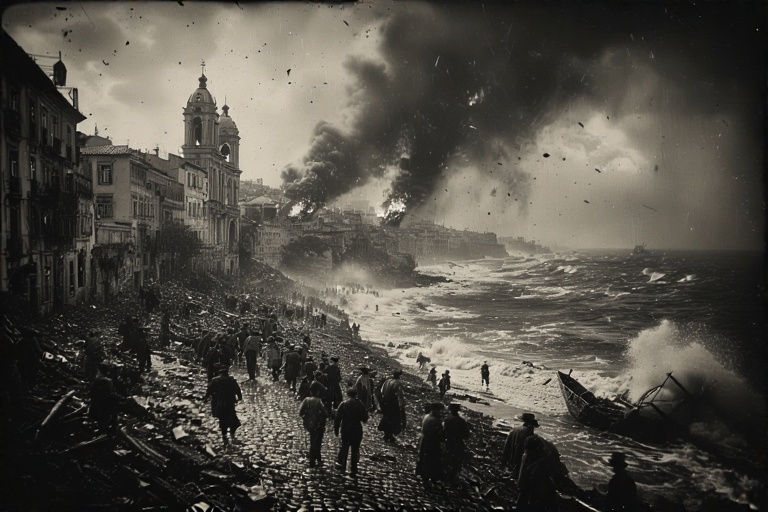
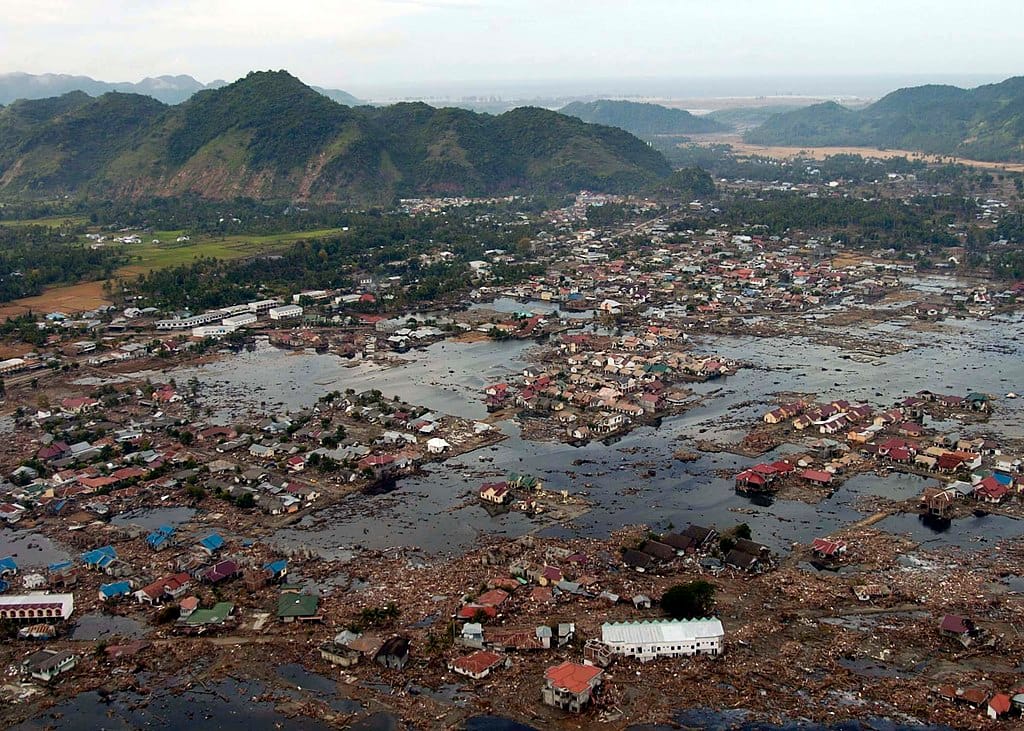
The Fukushima earthquake had its epicenter 130 km off the Japanese coast, releasing energy equivalent to 600 million Hiroshima bombs. The tremors were felt as far as Tokyo, and within 30 minutes, 40-meter-high tsunami waves devastated coastal areas. The result: 15,899 deaths, 2,529 missing, and over 450,000 displaced. Infrastructure was annihilated, paralyzing the entire region.
The Fukushima Nuclear Disaster: A Crisis Unfolds
The Fukushima earthquake and tsunami flooded the cooling systems of the Fukushima Daiichi nuclear reactors, leading to core meltdowns and multiple explosions. Radiation spread, forcing 160,000 people to evacuate immediately. Classified as a level 7 disaster on the INES scale, this incident is considered as severe as Chernobyl in 1986.
Immediate Consequences and Emergency Response
🔹 Uninhabitable zones: Several towns around Fukushima remain off-limits due to dangerous radiation levels.
🔹 Environmental impact: Contaminated water leaked into the Pacific Ocean, raising major ecological concerns.
🔹 Humanitarian crisis: Thousands of families lost everything and still suffer from the disaster’s aftermath.
Long-Term Impact on Japan and the World
✔️ Energy policy reform: Japan shut down most of its nuclear reactors and invested in renewable energy.
✔️ Stricter regulations: The disaster prompted a global reevaluation of nuclear safety standards.
✔️ Collective memory: Every year, Japan commemorates this tragedy to ensure it never happens again.
Lessons Learned and Future Precautions
⚠️ Stronger infrastructure: Since 2011, higher seawalls and better warning systems have been implemented.
⚠️ Better crisis management: Communication and transparency have been improved to avoid past mistakes.
⚠️ Energy transition: Japan is increasingly investing in solar, wind, and hydrogen energy.
Conclusion
The Fukushima earthquake is a stark reminder of nature’s power and the risks associated with nuclear energy. More than a decade later, the scars remain, but Japan has learned crucial lessons for a safer future. Do you think nuclear energy is still a viable option despite these risks? Share your thoughts in the comments!
Image from wikipedia