Table of Contents
- Introduction
- Origins of the Crisis
- The Subprime Mortgage Bubble
- Securitization and Risk Mismanagement
- The Collapse of Lehman Brothers
- Shockwaves Across Global Markets
- Government Bailouts and TARP
- The Recession’s Human Toll
- Impact on Housing and Unemployment
- Reactions from Wall Street to Main Street
- The Role of the Federal Reserve
- Global Responses to the Crisis
- Regulatory Reforms and Dodd-Frank Act
- Lingering Effects and Economic Recovery
- Lessons Learned
- Conclusion
- External Resource
- Internal Link
1. Introduction
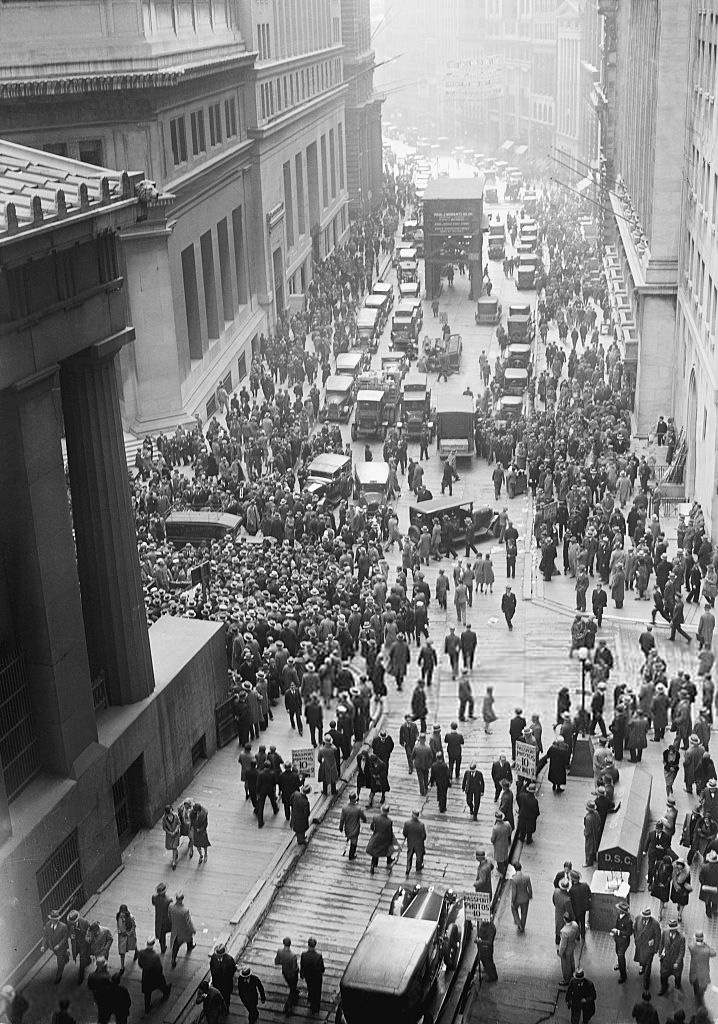
On September 15, 2008, Lehman Brothers—one of the oldest and most prestigious investment banks in the U.S.—filed for bankruptcy. That moment marked the official ignition point of the Great Recession, a financial crisis that would spiral into a global catastrophe. Homes were lost, savings were wiped out, and confidence in the financial system was shattered.
2. Origins of the Crisis
✔️ Deregulation in the financial sector
✔️ Excessive risk-taking by banks
✔️ Overconfidence in rising housing prices
The seeds of the crisis were sown over years of unchecked lending and speculative finance.
3. The Subprime Mortgage Bubble
✔️ Low-income families given risky loans
✔️ Adjustable-rate mortgages (ARMs) exploded in popularity
✔️ Home prices inflated dramatically
It was a housing boom built on a shaky foundation.
4. Securitization and Risk Mismanagement
✔️ Mortgage-backed securities (MBS) were bundled and sold
✔️ Credit default swaps added to complexity
✔️ Agencies gave AAA ratings to risky assets
Financial instruments became so complex that no one understood the true risk.
5. The Collapse of Lehman Brothers
✔️ $600 billion in assets evaporated overnight
✔️ No government bailout provided
✔️ Confidence in the entire system evaporated
The fall of Lehman triggered a domino effect of panic and institutional collapse.
6. Shockwaves Across Global Markets
✔️ Stock markets plunged worldwide
✔️ Major banks like AIG and Merrill Lynch teetered
✔️ Investors rushed to safe assets
The recession wasn’t just American—it was painfully global.
7. Government Bailouts and TARP
✔️ U.S. passed the $700 billion TARP (Troubled Asset Relief Program)
✔️ Central banks slashed interest rates
✔️ Emergency liquidity pumped into the system
Governments scrambled to stop the bleeding and prevent total collapse.
8. The Recession’s Human Toll
✔️ Over 8 million jobs lost in the U.S.
✔️ Foreclosure crisis devastated families
✔️ Mental health and poverty surged
Behind the numbers were real people with shattered dreams.
9. Impact on Housing and Unemployment
✔️ Housing prices fell up to 30%
✔️ Construction and real estate sectors collapsed
✔️ Unemployment hit 10% in the U.S.
A full economic cycle was broken in a matter of months.
10. Reactions from Wall Street to Main Street
✔️ CEOs grilled in Congress
✔️ Protests erupted nationwide
✔️ “Too big to fail” became a slogan of anger
The public wanted accountability—but saw little justice.
11. The Role of the Federal Reserve
✔️ Chairman Ben Bernanke led crisis response
✔️ Massive liquidity injections
✔️ Quantitative easing programs initiated
The Fed rewrote the rulebook to save the economy.
12. Global Responses to the Crisis
✔️ EU created massive bailout funds
✔️ China launched record stimulus
✔️ G20 coordinated policy responses
International cooperation aimed to restore trust and growth.
13. Regulatory Reforms and Dodd-Frank Act
✔️ Passed in 2010 to regulate banks
✔️ Created Consumer Financial Protection Bureau
✔️ Imposed stress tests on financial institutions
New rules sought to prevent another meltdown.
14. Lingering Effects and Economic Recovery
✔️ Recovery was slow and uneven
✔️ Income inequality worsened
✔️ Populist politics gained traction
A decade later, scars from the crisis still shape today’s economy.
15. Lessons Learned
✔️ Over-leverage can destroy systems
✔️ Transparency is vital
✔️ Regulation must evolve with innovation
The crisis became a cautionary tale for future generations.
16. Conclusion
The Great Recession didn’t just rattle stock markets—it reshaped societies. It was a wake-up call for how vulnerable modern economies can be and how interlinked global finance truly is. From its ashes, reforms were born, but the memories of 2008 still linger like shadows on the ledger.