Table of Contents
- Introduction
- The Depth of the Great Depression
- Roosevelt’s Election and Inauguration
- The First Hundred Days
- Banking Reforms and FDIC
- Public Works and Job Creation
- The Agricultural Adjustment Act (AAA)
- National Recovery Administration (NRA)
- The Civilian Conservation Corps (CCC)
- Social Security and Long-Term Changes
- Opposition and Criticism
- The Second New Deal
- Legacy and Long-Term Impact
- Conclusion
- External Resource
- Internal Link
1. Introduction
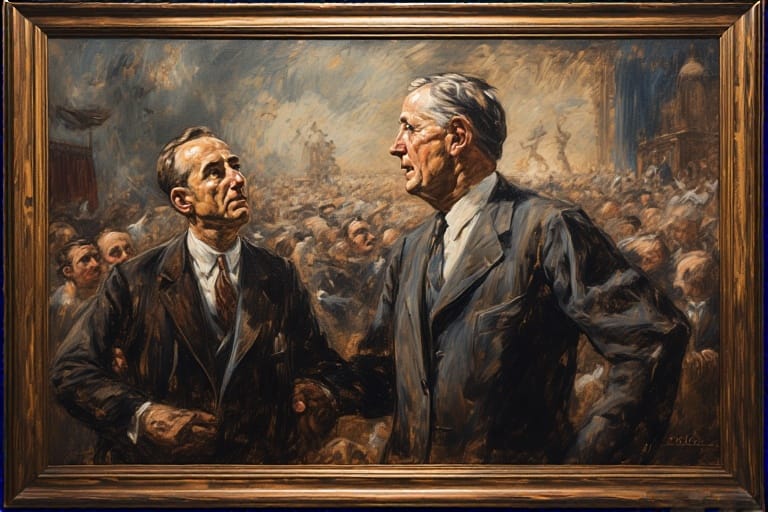
On March 4, 1933, Franklin D. Roosevelt took office during one of the most devastating economic crises in history: the Great Depression. Banks were collapsing, unemployment was rampant, and Americans were losing faith in the future. In response, Roosevelt announced the New Deal, a sweeping series of reforms and programs to revive the economy and rebuild public confidence.
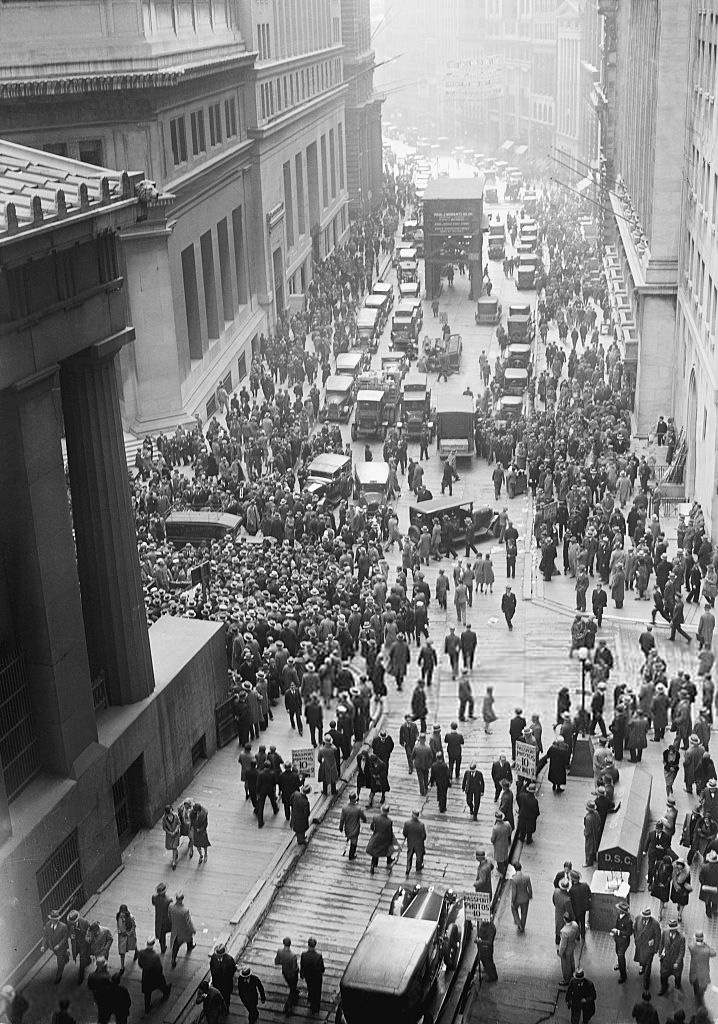
2. The Depth of the Great Depression
✔️ Nearly 25% of the workforce unemployed
✔️ Industrial production cut in half
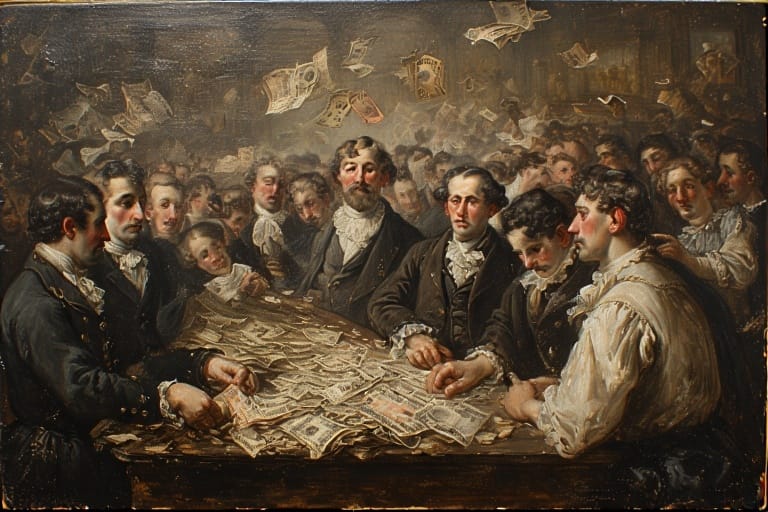
✔️ Banks failed across the country, wiping out savings
The American economy in 1933 was in freefall, with urgent action needed.
3. Roosevelt’s Election and Inauguration
✔️ Roosevelt defeated Herbert Hoover in a landslide
✔️ Promised a “New Deal for the American people”
✔️ Inaugural speech emphasized action: “The only thing we have to fear is fear itself.”
FDR’s words ignited hope in a despairing nation.
4. The First Hundred Days
✔️ Emergency Banking Act to stabilize financial institutions
✔️ Fireside chats to directly speak to the public
✔️ 15 major laws passed in a matter of weeks
This period set the tone for government activism and reform.
5. Banking Reforms and FDIC
✔️ Banks reopened under federal supervision
✔️ Creation of the Federal Deposit Insurance Corporation (FDIC)
✔️ Public confidence in banks restored
People began trusting the financial system again.
6. Public Works and Job Creation
✔️ Public Works Administration (PWA) launched massive infrastructure projects
✔️ Civil Works Administration (CWA) created short-term jobs
✔️ Roads, bridges, schools, and airports built nationwide
The New Deal focused on putting Americans back to work.
7. The Agricultural Adjustment Act (AAA)
✔️ Paid farmers to reduce production and raise prices
✔️ Helped stabilize food supply and income for rural families
✔️ Later modified to avoid food waste criticism
Agriculture slowly recovered from the Depression-era collapse.
8. National Recovery Administration (NRA)
✔️ Encouraged industry-wide codes of fair practices
✔️ Set wages, hours, and labor conditions
✔️ Blue eagle symbol used to promote business compliance
Though later ruled unconstitutional, the NRA stimulated short-term recovery.
9. The Civilian Conservation Corps (CCC)
✔️ Young men employed in environmental projects
✔️ Planted trees, built parks, and conserved natural resources
✔️ Provided income and purpose for over 3 million workers
The CCC became a model for effective government programs.
10. Social Security and Long-Term Changes
✔️ Introduced in the Second New Deal (1935)
✔️ Provided pensions for the elderly and unemployment insurance
✔️ Funded by payroll taxes
Social Security laid the foundation for the modern American welfare system.
11. Opposition and Criticism
✔️ Some saw the New Deal as too radical or socialist
✔️ The Supreme Court struck down several programs
✔️ Others believed reforms didn’t go far enough
Despite opposition, Roosevelt expanded federal government power.
12. The Second New Deal
✔️ Focused on labor rights, housing, and social programs
✔️ Created the WPA (Works Progress Administration)
✔️ Strengthened unions through the Wagner Act
FDR shifted from recovery to structural change and security.
13. Legacy and Long-Term Impact
✔️ Transformed the role of government in economic life
✔️ Many programs still exist today
✔️ Inspired future federal responses to crises (e.g., COVID-19 stimulus)
The New Deal permanently altered the relationship between citizens and the state.
14. Conclusion
The announcement of the New Deal on March 4, 1933, was more than a policy shift—it was a turning point in American history. Roosevelt’s bold programs offered relief, recovery, and reform, pulling the nation out of economic despair and reshaping the government’s role in society for generations to come.