Table of Contents
- Introduction
- The Rise of Lehman Brothers
- The Housing Bubble and Subprime Loans
- Risky Investments and Leverage
- The Warnings Ignored
- Government Bailouts: Who Got Saved
- Lehman’s Final Days
- September 15, 2008: Bankruptcy Filed
- Global Market Reactions
- Economic Fallout and Recession
- Political and Public Backlash
- Financial Reform Aftermath
- Could It Have Been Prevented?
- Lessons Still Relevant Today
- Conclusion
- External Resource
- Internal Link
1. Introduction
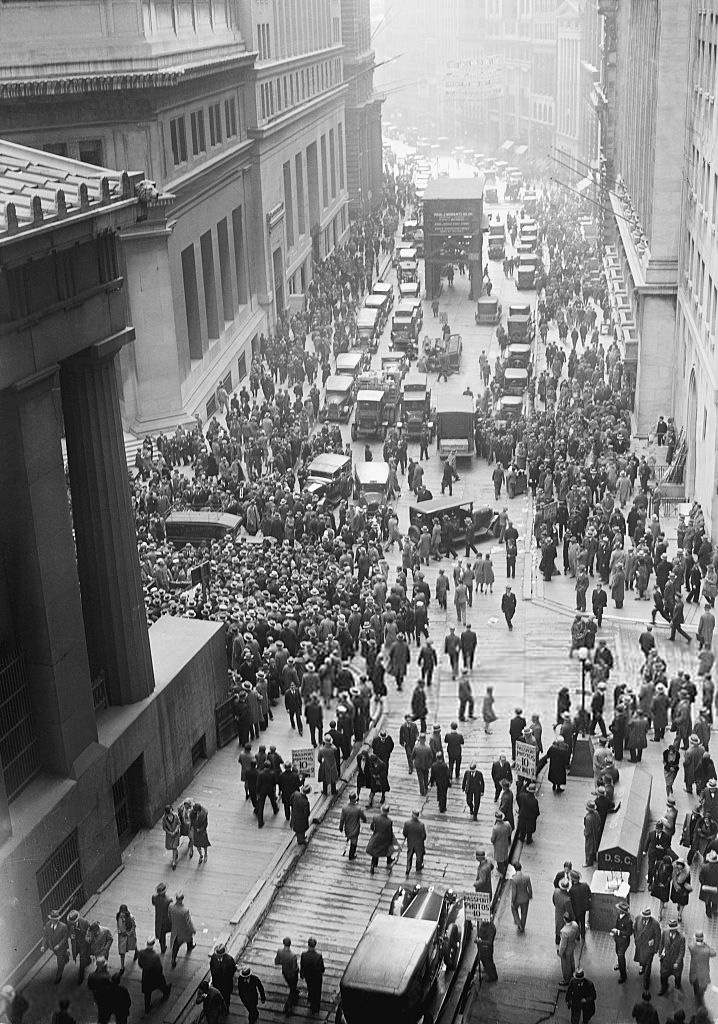
On September 15, 2008, the global economy was shaken when Lehman Brothers, a 158-year-old investment bank, filed for bankruptcy protection. The fallout was immediate and intense, triggering panic on Wall Street, freezing credit markets, and sending shockwaves through global economies. The collapse became the iconic symbol of the 2008 financial crisis.
2. The Rise of Lehman Brothers
✔️ Founded in 1850 as a small cotton trading firm ✔️ Expanded into investment banking and global finance ✔️ Became the 4th largest U.S. investment bank by the 2000s
Lehman was a Wall Street powerhouse, trusted by investors and governments alike.
3. The Housing Bubble and Subprime Loans
✔️ Easy credit and deregulation led to massive real estate speculation ✔️ Banks, including Lehman, heavily invested in subprime mortgages ✔️ Home prices soared, creating a bubble destined to burst
Subprime loans were marketed as low-risk, but many were toxic.
4. Risky Investments and Leverage
✔️ Lehman borrowed heavily to invest in mortgage-backed securities ✔️ Maintained a debt-to-equity ratio of 30:1 ✔️ Relied on complex derivatives and off-balance-sheet entities
The firm was exposed to enormous financial risk if markets turned.
5. The Warnings Ignored
✔️ Internal memos raised red flags about asset risks ✔️ Rating agencies delayed downgrades ✔️ Regulators underestimated systemic danger
Despite warning signs, very few acted decisively in time.
6. Government Bailouts: Who Got Saved
✔️ Bear Stearns and AIG were rescued ✔️ Fannie Mae and Freddie Mac were nationalized ✔️ Lehman, however, was left to collapse
The decision to let Lehman fail sent a message of chaos to the markets.
7. Lehman’s Final Days
✔️ Desperate efforts to find a buyer (Barclays, Bank of America) ✔️ No deal secured by the deadline ✔️ Filed for bankruptcy with $600+ billion in assets
It became the largest bankruptcy in U.S. history.
8. September 15, 2008: Bankruptcy Filed
✔️ Markets dropped instantly — Dow Jones fell 500+ points ✔️ Global investors scrambled to move assets ✔️ Trust in the financial system eroded
This date became a turning point for modern finance.
9. Global Market Reactions
✔️ Banks stopped lending to each other ✔️ Stock markets plummeted worldwide ✔️ Central banks intervened to provide liquidity
The fear was not just about one bank—it was about systemic collapse.
10. Economic Fallout and Recession
✔️ Unemployment soared globally ✔️ Millions lost homes, savings, and jobs ✔️ Governments launched massive stimulus packages
It triggered the worst global recession since the Great Depression.
11. Political and Public Backlash
✔️ Public anger over Wall Street bonuses ✔️ Occupy Wall Street movement emerged ✔️ Massive distrust toward financial institutions
The crisis reshaped political discourse worldwide.
12. Financial Reform Aftermath
✔️ Dodd-Frank Act passed in 2010 ✔️ New regulations on banks, derivatives, and consumer protections ✔️ Stress tests implemented for major financial firms
The reforms aimed to prevent another Lehman-style collapse.
13. Could It Have Been Prevented?
✔️ Many economists say yes—with earlier oversight ✔️ Critics blame deregulation and complacency ✔️ Others argue Lehman was the necessary sacrificial lamb
The question of “what if” still haunts economists and policymakers.
14. Lessons Still Relevant Today
✔️ Risk management matters ✔️ Transparency is vital in complex financial systems ✔️ Trust, once lost, is hard to regain
The Lehman bankruptcy taught hard lessons still applicable to today’s markets.
15. Conclusion
The collapse of Lehman Brothers on September 15, 2008, was not just a financial event—it was a global turning point. It revealed vulnerabilities in the system, sparked widespread reform, and left an indelible mark on how we understand economic risk. As new challenges arise, the memory of Lehman reminds us that even giants can fall.