Table of Contents
- Introduction
- Dutch Golden Age and Wealth
- Tulips Arrive in the Netherlands
- The Start of the Speculation
- How the Tulip Market Operated
- Tulips as a Status Symbol
- The Craze: Prices Skyrocket
- The Role of Futures Contracts
- February 1637: The Collapse
- Immediate Economic Impact
- Public Reaction and Satire
- Was It Really a Bubble?
- Long-Term Legacy and Lessons
- Conclusion
- External Resource
- Internal Link
1. Introduction
On February 3, 1637, something remarkable happened in the Netherlands. In a matter of days, the price of tulip bulbs—once considered more valuable than gold—plummeted to near worthlessness. This was the bursting of Tulip Mania, widely considered the first recorded speculative bubble in economic history.
2. Dutch Golden Age and Wealth
✔️ The 1600s were a time of immense prosperity for the Dutch ✔️ Trade routes flourished; Amsterdam became a financial hub ✔️ The wealthy sought symbols of status and taste
Into this fertile economic ground arrived the exotic tulip flower.
3. Tulips Arrive in the Netherlands
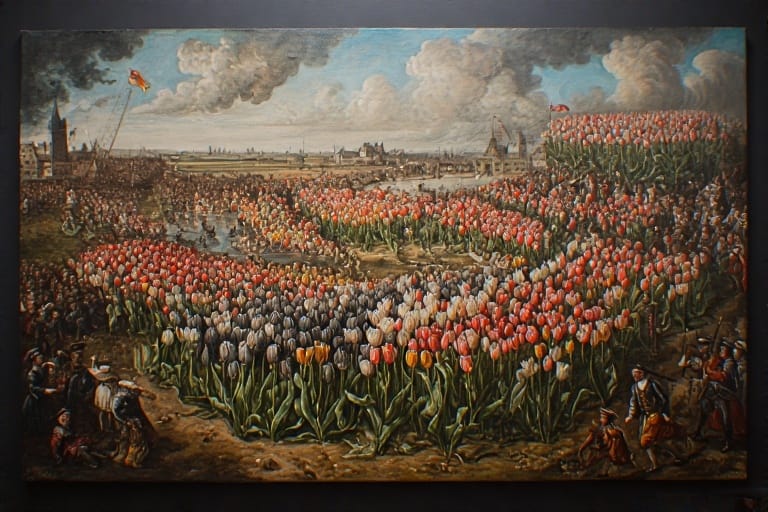
✔️ Brought from the Ottoman Empire ✔️ Bright colors and patterns made them unlike any European flower ✔️ Particularly prized were the “broken” tulips with variegated petals
Tulips quickly became fashionable among the Dutch elite.
4. The Start of the Speculation
✔️ Rare bulbs fetched high prices at auctions ✔️ Merchants and artisans began buying them as investments ✔️ Word of profits spread quickly
Soon, tulips weren’t just flowers—they were tickets to wealth.
5. How the Tulip Market Operated
✔️ Most trades were done using futures contracts ✔️ Buyers would agree to purchase bulbs to be delivered months later ✔️ Many never intended to plant or own the flowers
The market was entirely speculative, fueled by contracts, not flowers.
6. Tulips as a Status Symbol
✔️ Owning rare tulips was a mark of sophistication ✔️ Some bulbs were named and catalogued like art ✔️ They were exchanged at high-society events
It wasn’t about gardening—it was about social prestige.
7. The Craze: Prices Skyrocket
✔️ In 1636–1637, bulb prices reached absurd levels ✔️ One Semper Augustus bulb could cost more than a house ✔️ Everyone from nobles to bakers entered the market
The Dutch public became gripped by tulip fever.
8. The Role of Futures Contracts
✔️ People paid deposits on bulbs to be delivered later ✔️ Contracts changed hands multiple times before delivery ✔️ This created a paper economy detached from real flowers
It was early financialization without modern regulation.
9. February 1637: The Collapse
✔️ In Haarlem, an auction failed to find a single buyer ✔️ Panic spread as traders tried to sell ✔️ Prices crashed overnight
By February 1637, the tulip trade collapsed like a house of cards.
10. Immediate Economic Impact
✔️ Some traders were ruined ✔️ The broader Dutch economy remained largely unaffected ✔️ No major banks failed, but trust in markets was shaken
It was a psychological shock more than a financial disaster.
11. Public Reaction and Satire
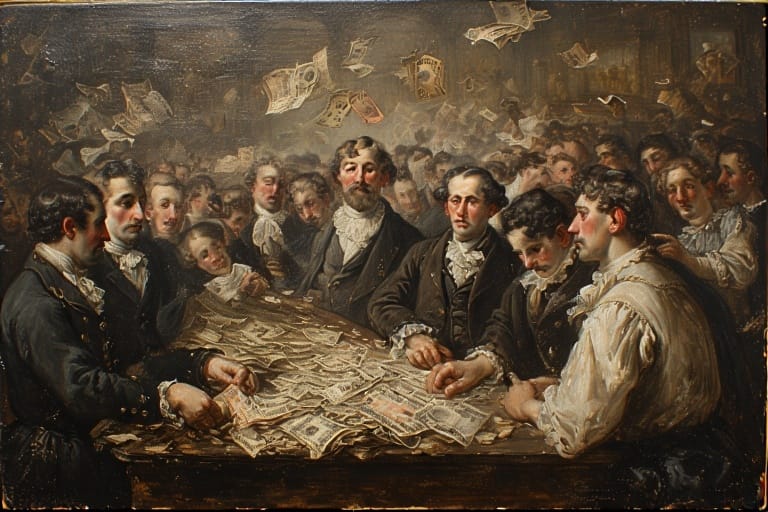
✔️ Pamphlets mocked tulip traders as fools ✔️ Artists depicted chaos and greed ✔️ Moral lessons were drawn about vanity and excess
Tulip Mania became a cultural cautionary tale.
12. Was It Really a Bubble?
✔️ Modern scholars debate the extent of the collapse ✔️ Some claim reports were exaggerated ✔️ But consensus agrees prices rose and fell dramatically
Whether myth or reality, it symbolizes financial irrationality.
13. Long-Term Legacy and Lessons
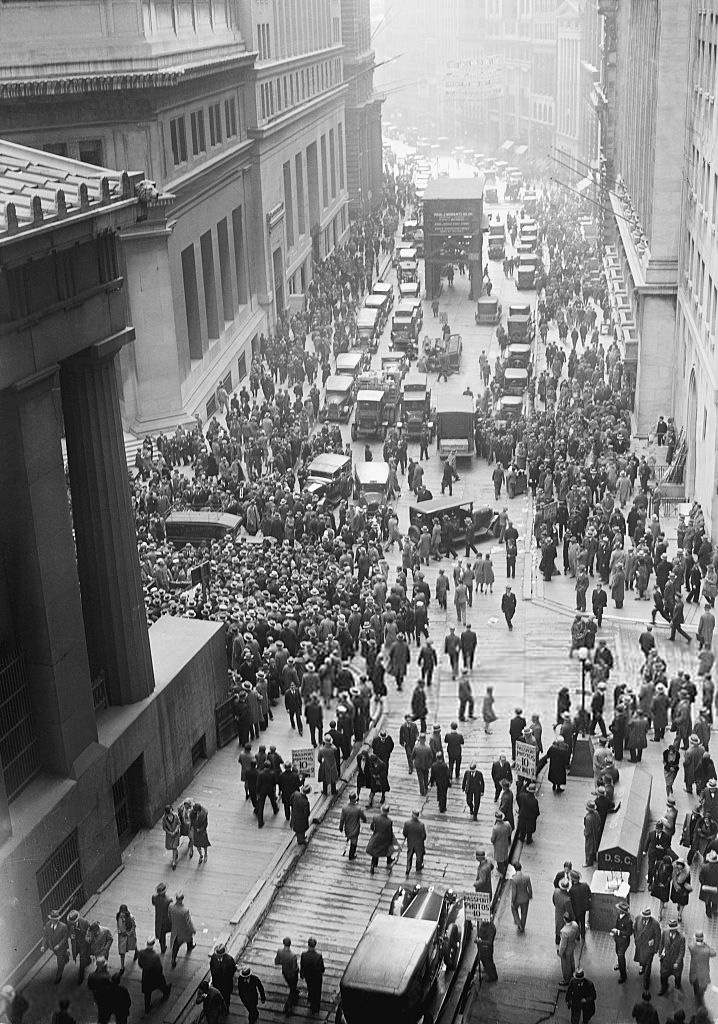
✔️ Inspired economic theories on bubbles and irrational markets ✔️ Referenced during modern crashes like 2000 and 2008 ✔️ Taught the dangers of speculation detached from value
Tulip Mania is still cited in financial textbooks today.
14. Conclusion
The Tulip Mania collapse of February 3, 1637 was more than a flower fad gone wrong—it was a social and economic phenomenon that echoes through time. While its actual impact may have been limited, its symbolic value as the first economic bubble remains powerful. In a world still vulnerable to hype and herd behavior, tulips remind us that even the most beautiful things can lose their value overnight.