Table of Contents
- The Twilight of a Turbulent Era: Setting the Stage for 628
- The Byzantine and Sasanian Empires: Giants at the Crossroads
- The Exhaustion of Centuries: Prolonged Conflict and the Wars of the Early 7th Century
- The Last Shadow of Khosrow II: Decline of the Sasanian Empire
- Heraclius’ Remarkable Comeback: A Beacon Amidst Crisis
- The Campaigns Leading to the Treaty: From Anatolia to Mesopotamia
- Nineveh: The Ancient City Reclaims Its Place in History
- Negotiations and Diplomacy: Crafting the Treaty of 628
- The Terms of the Treaty: Restoring the Boundaries and Fragile Peace
- The People’s Plight: How War and Peace Reshaped Mesopotamia
- Consequences for Byzantium: A Momentary Respite and New Challenges
- Sasanian Empire’s Tumultuous Future: Civil Wars and Collapse
- The Wider Geopolitical Impact: Setting the Stage for the Arab Conquests
- Cultural Exchanges and the Lingering Influence Along the Frontier
- The Treaty’s Legacy in Modern Historical Memory
- Conclusion: A Brief Peace Before the Storm
- FAQs About the Treaty of 628
- External Resource
- Internal Link
1. The Twilight of a Turbulent Era: Setting the Stage for 628
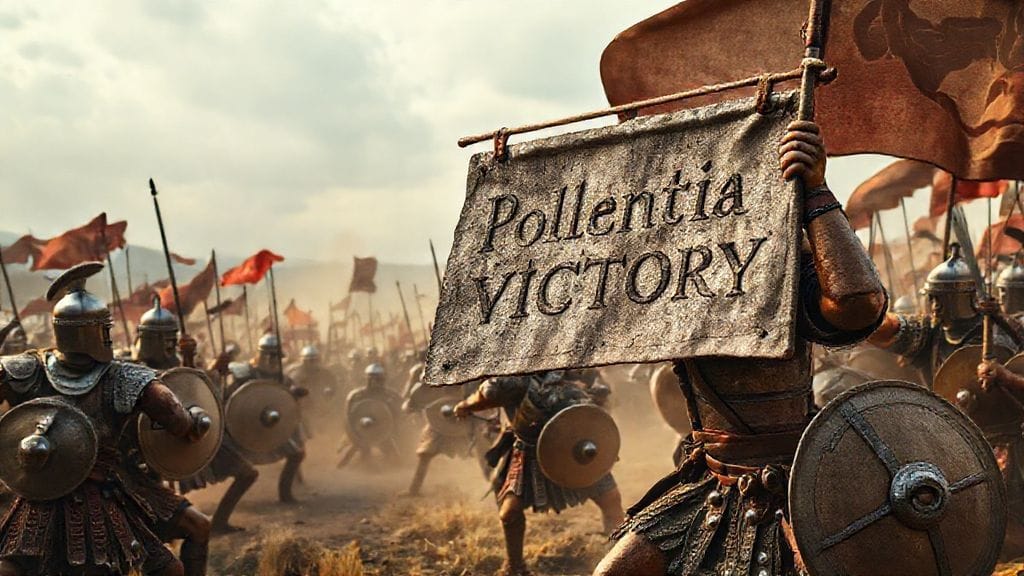
The air was heavy with the scent of dust and smoke as the weary soldiers of two fading empires stared across the battered plains near Nineveh. For decades, Byzantine and Sasanian forces had clashed relentlessly, their bloodied campaigns stretching nearly the entire Near East into a weary landscape of ruins and displaced lives. It was the year 628, and an exhausted peace was sought after decades of ruin. The Treaty signed that year would redraw not only geographical boundaries but mark the culmination of an epic struggle between two ancient civilizations facing their twilight.
2. The Byzantine and Sasanian Empires: Giants at the Crossroads
At the dawn of the 7th century, the Byzantine Empire, heir to the Roman legacy in the East, and the Sasanian Empire, the last great Persian monarchy, were locked in a rivalry fueled by centuries of territorial disputes, religious differences, and cultural grandeur. The Euphrates and Tigris rivers, threading through Mesopotamia, became the battleground for supremacy. Each empire viewed itself as the rightful heir of divine order, wielding not just armies but ideologies steeped in Christianity and Zoroastrianism.
The clash was more than geopolitics; it was a historic contest of civilizations struggling for survival and dominance.
3. The Exhaustion of Centuries: Prolonged Conflict and the Wars of the Early 7th Century
The early 600s were marked by a series of brutal campaigns known collectively as the Byzantine–Sasanian Wars of 602–628. Triggered initially by internal Byzantine strife and a ruthless Sasanian king, Khosrow II, the conflict escalated into one of the most devastating wars of antiquity. Cities changed hands multiple times; cities like Jerusalem and Antioch suffered sieges and destruction.
The toll on populations was massive—crops burned, trade halted, populations displaced. Scholars estimate that hundreds of thousands perished, and the economic foundations of both empires were deeply shaken.
4. The Last Shadow of Khosrow II: Decline of the Sasanian Empire
Khosrow II, hailed once as "the King of Kings" for his expansive conquests, began to see his fortune wane by 626. The once unstoppable Sasanian forces started to crumble under internal dissent and failure to consolidate their gains. His despotic rule fostered unrest and rebellion among nobility and clergy alike.
By the time of the peace treaty, Khosrow was deposed, imprisoned, and eventually assassinated—a grim testament to the shifting tides. The vast Sasanian Empire was fragmented, losing grip over Mesopotamia and its heartlands.
5. Heraclius’ Remarkable Comeback: A Beacon Amidst Crisis
In stark contrast, Byzantine Emperor Heraclius, whose reign began with disaster—almost losing Constantinople to the Persians—had by 628 turned the tides through strategic brilliance and sheer determination. Against all expectations, he led daring counterattacks deep into Persian territory, restoring morale and securing critical victories despite his empire’s ravaged state.
Heraclius’ journey from desperation to triumph became legendary. Contemporaries remembered him as a leader who embodied the resilience of Byzantium amid devastation.
6. The Campaigns Leading to the Treaty: From Anatolia to Mesopotamia
Between 627 and 628, Heraclius launched a string of campaigns thrusting deep into historic Mesopotamia. His forces reclaimed cities such as Dastagird and Nisibis. The battlefield shifted nearer to the heartlands of the Sasanians, culminating near Nineveh, where the empires’ boundaries blurred by war would soon be redrawn by diplomacy.
This military momentum provided Heraclius leverage at the peace table, ushering negotiations grounded in mutual exhaustion and pragmatic recognition of limits.
7. Nineveh: The Ancient City Reclaims Its Place in History
Nineveh, once the dazzling Assyrian capital famed for its grandeur, by 628 had long been a symbol of lost empire and faded glory. Yet, it became a critical locus for the Byzantine-Sasanian frontiers and, eventually, the treaty’s enactment.
Its ruins stood as silent witnesses to cycles of conquest and collapse, a poignant reminder of the impermanence of even the mightiest empires. The treaty sought to ensure its contested region returned to a fragile balance.
8. Negotiations and Diplomacy: Crafting the Treaty of 628
After years of conflict, the warring sides entered negotiations marked by pragmatism rather than grand idealism. Envoys met with cautious optimism, aware both empires were too exhausted to press for harsh terms.
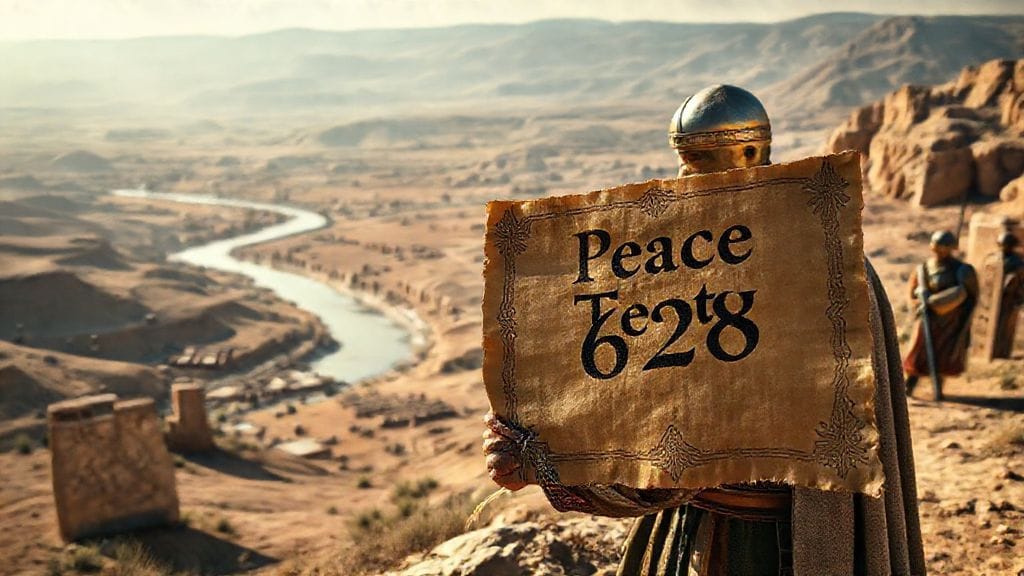
The Treaty of 628 thus reflected a mutual desire to restore pre-war boundaries primarily along the Mesopotamian frontier—an uneasy truce that recognized the limits of military achievement.
9. The Terms of the Treaty: Restoring the Boundaries and Fragile Peace
The Treaty reaffirmed the pre-war borders, ceding control of the Nineveh region and much of Mesopotamia back to Byzantine hands. Prisoners were exchanged, religious holy sites restored to their previous custodians, and trade routes cautiously reopened.
Though it seemingly restored balance, the peace resembled a ceasefire rather than a grand reconciliation, underscoring the fragility of empires battered by prolonged violence.
10. The People’s Plight: How War and Peace Reshaped Mesopotamia
For the people in the borderlands, the wars and treaty were less about grand strategy and more about survival. Villages destroyed, families uprooted, and economies shattered, locals experienced peace with cautious hope.
Mesopotamia’s diverse population—Christians, Zoroastrians, Jews, and others—had endured hardship unified by the common trauma of war. The treaty offered respite but little certainty in an enduringly volatile region.
11. Consequences for Byzantium: A Momentary Respite and New Challenges
For Byzantium, the Treaty of 628 was not an end but a brief reprieve. The empire regained lands and prestige, and Heraclius received accolades for his victories. Yet the resources spent and destabilization endured left Byzantium weakened.
Within years, new threats loomed from emerging Arab forces whose rapid expansion would soon make Byzantine priorities shift dramatically.
12. Sasanian Empire’s Tumultuous Future: Civil Wars and Collapse
The Sasanians, emerging from the treaty weakened, spiraled into a succession of internal conflicts and power struggles. The assassination of Khosrow II unleashed chaos; noble factions vied for control while uprisings fractured the empire's unity.
These internal fractures left the Sasanian Empire vulnerable to the very forces gathering on its borders—the nascent Arab caliphates.
13. The Wider Geopolitical Impact: Setting the Stage for the Arab Conquests
The exhaustion and instability engendered by the Byzantine-Sasanian conflicts and the Treaty of 628 inadvertently paved the way for the Arab-Muslim conquests that followed shortly after. Both empires were deeply weakened militarily and politically.
The treaty’s fragile status did little to prepare the imperial powers for the sudden, sweeping transformations the Middle East would soon face in the coming decades.
14. Cultural Exchanges and the Lingering Influence Along the Frontier
Despite decades of war, the Byzantine and Sasanian empires had cultivated a complex cultural and religious interchange along their borders. The treaty marked not only a political boundary but a zone of rich interaction—traders, scholars, clerics traversed the region.
Artifacts and manuscripts from this era reveal a legacy of shared knowledge and artistic influence that transcended conflict.
15. The Treaty’s Legacy in Modern Historical Memory
Today, the Treaty of 628 remains a pivotal, though often overlooked, milestone in Near Eastern history. It symbolizes the closing chapter of a millennia-old imperial rivalry and foreshadows the dramatic shifts to come after the rise of Islam.
Historians see in it the fragile nature of peace negotiated after exhaustion, a timeless lesson on the costs of prolonged conflict.
16. Conclusion: A Brief Peace Before the Storm
The Treaty of 628 stands as a testament to endurance and impermanence. Born from exhaustion, it restored boundaries and paused catastrophic warfare, yet it also foreshadowed an age of upheaval. The twilight of Byzantine and Sasanian supremacy was marked not by grand triumph but by fragile peace, soon to be eclipsed by the rise of new powers.
In the shifting sands of Mesopotamia, the ancient world’s lasting legacies were both upheld and undone in the span of years.
17. FAQs About the Treaty of 628
Q1: What triggered the wars that led to the Treaty of 628?
A1: The wars began with internal Byzantine conflict and Khosrow II’s desire to expand the Sasanian empire, igniting decades of violence primarily over control of Mesopotamia.
Q2: Why was Nineveh significant in the treaty?
A2: Nineveh, an ancient cultural and strategic city near the frontier, represented a symbolic and tactical prize, restored to Byzantine control under the treaty.
Q3: Did the treaty bring lasting peace?
A3: No, the treaty produced a fragile peace. Both empires were exhausted and weakened, leaving them vulnerable to the emerging Arab conquests shortly after.
Q4: How did the treaty affect ordinary people?
A4: It ended large-scale warfare temporarily, allowing displaced populations some respite and the resumption of trade, but economic and social recovery was slow.
Q5: What was Heraclius’ role in the treaty?
A5: As Byzantine emperor, Heraclius led campaigns that shifted momentum to Byzantium, giving him leverage in peace talks.
Q6: What happened to the Sasanian Empire after the treaty?
A6: The empire plunged into civil wars and was eventually toppled by Arab-Muslim forces within a decade.
Q7: How did the treaty influence later history?
A7: It set the stage for the swift Arab expansion, as both Byzantine and Sasanian powers were debilitated and unable to resist new invasions.
Q8: Is there physical evidence of the treaty’s impact today?
A8: Archaeological sites in Mesopotamia and texts from the period provide insight into the region’s shifting control and cultural interchanges resulting from the treaty.
18. External Resource
For more detailed information, visit the Wikipedia page on the Byzantine–Sasanian War of 602–628.
19. Internal Link
🏠 Visit History Sphere → https://historysphere.com/