Table of Contents
- The Heartbeat of an Empire: Ctesiphon Before the Storm
- Whispers of Change: The Context of 7th-Century Mesopotamia
- Sassanian Might and the Waning Days of an Empire
- The Rise of a New Power: The Arab Caliphate’s Expansion
- The Road to Ctesiphon: Early Clashes and Strategic Advances
- The Siege Begins: Arab Armies at the Gates of the Imperial City
- Inside the Walls: Defenders’ Desperation and Civil Discord
- The Fall of Ctesiphon: A City Transformed by Fire and Surrender
- Khalid ibn al-Walid and the Arab Command: Strategy and Leadership
- The Aftermath: The End of Sassanian Dominance in Mesopotamia
- Cultural Collisions: Between Persian Legacy and Arab Conquest
- Economic Shifts: How the Fall Altered Trade and Urban Life
- Religious Transformations: Zoroastrianism, Christianity, and Islam
- Human Stories: Lives Redefined by Conquest and Change
- The Legacy of Ctesiphon’s Fall in World History
- From Ruin to Memory: Archaeology and Rediscovery
- Lessons from Ctesiphon: Power, Empire, and Transition
- Conclusion
- FAQs
- External Resource
- Internal Link
1. The Heartbeat of an Empire: Ctesiphon Before the Storm
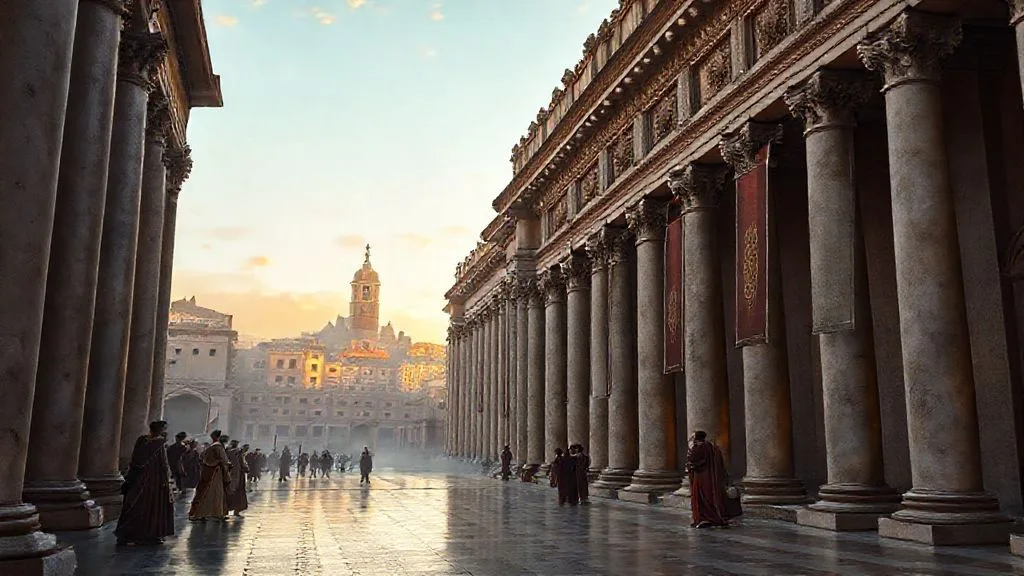
In the shimmering heat of a Mesopotamian summer, the great city of Ctesiphon stood as an emblem of ancient power, its massive walls casting shadows over the banks of the Tigris River. This city — sprawling, vibrant, and majestic — was more than a mere urban center; it was the pulsating heart of the Sassanian Empire, seat of kings, and a nexus where cultures collided and converged. The grandeur of its golden palaces, markets bustling with exotic goods, and the intricate calligraphy that adorned its temples told stories of centuries-long imperial glory. Yet, beneath this façade of splendor, the city was a tinderbox, its foundations trembling in the face of encroaching storm clouds.
The summer of 637 CE would witness a decisive moment in the history of the Near East, a turning point where centuries-old Persian dominance would be irrevocably challenged. The Arab armies, freshly united by faith and purpose, advanced inexorably toward Ctesiphon’s gates. The fall of this imperial jewel was not merely a military conquest; it was the extinguishing of an epoch and the dawn of a new era.
2. Whispers of Change: The Context of 7th-Century Mesopotamia
By the early 7th century, the Sassanian Empire was a colossus with deep roots, sprawling from the Caucasus to the Persian Gulf and from the Euphrates to the borders of India. But internal strife, economic exhaustion, and devastating wars with Byzantium had weakened its grip. At the same time, a new force was emerging — the Arab tribes of the Arabian Peninsula, unified under the banner of Islam after the Prophet Muhammad’s death in 632 CE.
The stage was set: an empire bruised by years of attrition and a rising caliphate hungry for expansion and religious consolidation. On the ground, the people of Mesopotamia—the Christians, Zoroastrians, Jews, and others—were caught between competing authorities, each with promises, threats, and truths. The pendulum of history was swinging, and all eyes were inevitably drawn toward Ctesiphon, the jewel everyone sought.
3. Sassanian Might and the Waning Days of an Empire
The Sassanians, heirs to the Achaemenid legacy, had fashioned one of the most formidable states of the ancient world. The city of Ctesiphon symbolized their enduring strength: its towering walls, the majestic Taq Kasra (arch of the palace), and the imperial court where kings like Khosrow II once presided with absolute authority.
Yet, this strength masked cracks. The empire was fatigued by decades of Byzantine-Sassanian warfare (602–628 CE), which had depleted its treasury and manpower. Khosrow II's defeat and death, followed by dynastic struggles and palace intrigue, left the empire vulnerable. More than that, the Sassanian army, once a disciplined and fearsome force, suffered from fracturing loyalties and strategic setbacks.
4. The Rise of a New Power: The Arab Caliphate’s Expansion
At the dawn of Islam, the Arabian Peninsula was a land of tribal rivalries and shifting allegiances. The Prophet Muhammad’s unification of the tribes under Islam created unprecedented political and spiritual unity. After his death, the Rashidun Caliphate, led first by Abu Bakr and then Umar ibn al-Khattab, pushed outward in a wave of remarkable military campaigns, seeking not only to spread faith but also to consolidate control over the neighboring lands.
The Arab armies, imbued with religious zeal and innovative tactics, moved quickly. Regions long under the sway of older empires like Byzantium and Persia found themselves facing an adversary unlike any before. The challenge for the Arabs was immense — capturing Ctesiphon would mark the collapse of Persian hegemony and the opening of Mesopotamia’s riches to the new order.
5. The Road to Ctesiphon: Early Clashes and Strategic Advances
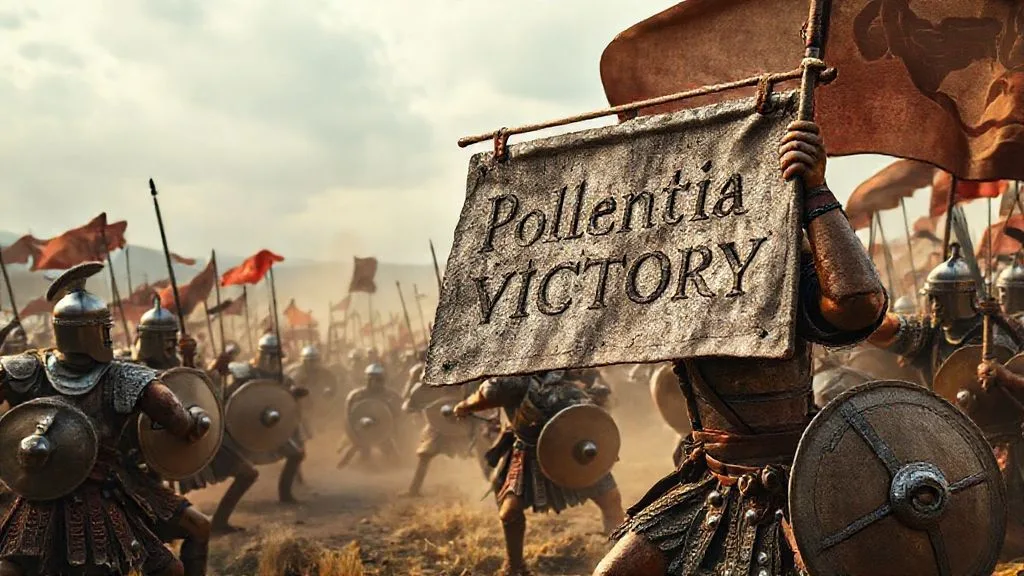
Before the siege of Ctesiphon was even conceivable, the Arab forces had been tested in a series of battles that demonstrated their tactical agility and unconventional warfare. The Battle of Qadisiyyah in 636 CE was pivotal: a brutal confrontation on the fertile alluvial plains where the Arabs, despite being outnumbered, decisively defeated the Sassanian army led by General Rostam Farrokhzad.
This victory shattered the fearsome reputation of the Persian forces and cleared the path towards the imperial capital. The momentum swelled, and commanders like Khalid ibn al-Walid and Sa’d ibn Abi Waqqas led their troops with both ferocity and strategic savvy towards the gates of Ctesiphon.
6. The Siege Begins: Arab Armies at the Gates of the Imperial City
In late 636 and into 637, the Arab siege began in earnest. Ctesiphon, made up of multiple fortified districts including the royal Madā’in complex and the populous urban quarters, was a labyrinthine city encased in massive walls nearly 20 meters high in parts. Defenders were determined, but the city’s defenders—exhausted, disorganized, and demoralized—were no match for the highly motivated and mobile Arab cavalry.
For months, the siege dragged on. Water supplies along the river fluctuated, supplies dwindled, and tensions rose inside the city walls. The Arabs cut off access to key routes and used a combination of direct assault and psychological warfare to wear down the defenders.
7. Inside the Walls: Defenders’ Desperation and Civil Discord
As the Arab siege wore on, the internal situation in Ctesiphon deteriorated rapidly. There are accounts of shortages, of food rationing, and factions within the city engaging in blame and conspiracies. The Sassanian nobility and military commanders were divided, some advocating for a desperate stand, others urging negotiations or flight.
The people of Ctesiphon, including merchants and common folk, were caught in the deadly crossfire. Descriptions from chroniclers — both Arab and Byzantine observers — portray a city gripped by fear, betrayal, and the dizzying speed of change. For many, the fall of Ctesiphon was not just the loss of territory but the destruction of a way of life.
8. The Fall of Ctesiphon: A City Transformed by Fire and Surrender
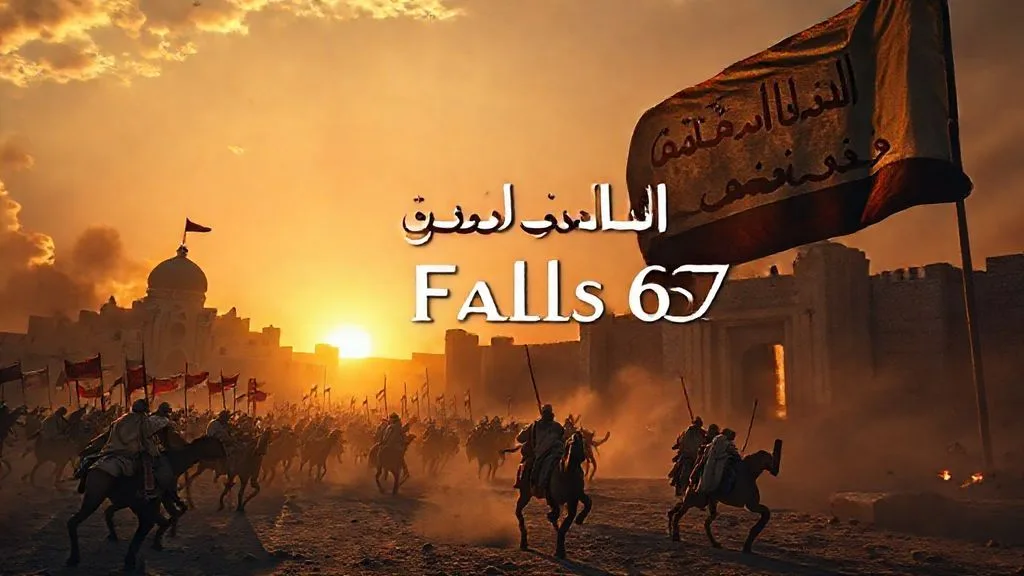
It was in late 637 CE that Ctesiphon finally surrendered. Historical sources vary on the details—some suggest a negotiated capitulation to avoid wholesale destruction, others mention breaches and desperate last stands in the palace precincts. Regardless, the impact was equally devastating.
The city’s palaces and temples bore the scars of battle; some were looted, others burned. The fall sent shockwaves through the region. What had been an impregnable fortress was now in the hands of the Rashidun Caliphate, symbolizing the eclipse of Sassanian power.
From the ashes, a new order was established, blending Persian administrative traditions with the burgeoning Arab-Islamic governance.
9. Khalid ibn al-Walid and the Arab Command: Strategy and Leadership
Khalid ibn al-Walid, though not the direct commander at Ctesiphon, was instrumental in earlier battles that set the stage for the conquest, including Qadisiyyah. Known as "The Sword of Allah," Khalid’s tactical brilliance—combining swift cavalry movements, feigned retreats, and psychological warfare—challenged conventional norms.
By the time of the siege itself, the overall Arab command was coordinated under Sa’d ibn Abi Waqqas, whose judicious leadership balanced bold assaults with patient siege tactics. Together, they exemplified a new style of leadership that combined religious motivation with pragmatic military strategy.
10. The Aftermath: The End of Sassanian Dominance in Mesopotamia
With the fall of Ctesiphon, the Sassanian Empire was essentially broken. Though it limped on for a few more decades, the conquest marked the loss of its political and economic core. The Arab-Muslim forces swiftly extended their control over greater Mesopotamia and beyond, spreading the faith and the administrative model.
Persian nobles fled or submitted; military resistance lingered but was fragmented. The region’s identity began a slow transformation, as Arabic language and Islamic culture gained primacy—though Persian influence stubbornly persisted.
11. Cultural Collisions: Between Persian Legacy and Arab Conquest
The conquest of Ctesiphon was not merely military but deeply cultural. Persian art, literature, and administrative systems did not disappear overnight but became intertwined with the Arab world.
The later Abbasid Caliphate, which made Baghdad—not far from ancient Ctesiphon—its capital, reflected this rich synthesis. Scholars, poets, and philosophers embraced Persian traditions, preserving legacy while fostering Islamic civilization. But right at that moment in 637, cultures collided violently, a historical crucible of change.
12. Economic Shifts: How the Fall Altered Trade and Urban Life
Mesopotamia’s rivers had long been arteries of commerce, and Ctesiphon’s markets thrived on silk, spices, textiles, and more. The city’s fall disrupted these trade networks. While the Arabs sought to maintain prosperity, they also shifted trade flows, sometimes to other emerging centers.
New commercial patterns emerged, reshaping urban life and economic power. The fall precipitated a realignment from Persian-centric mercantile routes towards those integrated into the Islamic world—foreshadowing centuries of evolving economic geography in the region.
13. Religious Transformations: Zoroastrianism, Christianity, and Islam
The spiritual landscape was changing as dramatically as the political one. Zoroastrianism, the Sassanian state religion, found itself under pressure; many converts embraced Islam, while Christian communities—numerous in Mesopotamia—negotiated their place under Muslim rule.
Islam’s rise reshaped religious identities, laws, and customs. This was not a simple story of replacement but one of complex coexistence, negotiation, and adaptation over decades and centuries.
14. Human Stories: Lives Redefined by Conquest and Change
Behind the grand narratives lie the intimate stories of individuals: merchants who saw their fortunes vanish, soldiers marching into unknown lands, families sheltering in cellars as walls crumbled. Letters and chroniclers—though sparse—record moments of fear, hope, betrayal, and survival.
The named and unnamed alike lettered the human dimension onto this great transformation. Their emotions remind us that history’s sweep is first and foremost about lived experience.
15. The Legacy of Ctesiphon’s Fall in World History
Why does the fall of Ctesiphon resonate? Because it marked a profound historical juncture—the end of the classical Persian imperial tradition and a crucial phase in the rise of Islam as a world civilization.
Future empires, philosophies, and cultures all bore the imprint of what happened on those dusty plain outside Ctesiphon’s walls. It influenced global trade, religion, and political dynamics for centuries, rippling even into our modern era.
16. From Ruin to Memory: Archaeology and Rediscovery
Centuries later, archaeologists uncovered fragments of Ctesiphon’s grandeur—crumbling arches, scattered inscriptions, and traces of its urban sprawl along the Tigris. These ruins narrate a silent story of glory lost but not forgotten.
Through scholarly work, the site became a symbol not only of Persian majesty but also of the complex layering of Middle Eastern history, where successive civilizations built one upon another.
17. Lessons from Ctesiphon: Power, Empire, and Transition
The fall of Ctesiphon teaches us vital lessons about the fragility of empire, the power of ideas and belief, and the inevitability of change. It reveals how military might interacts with culture, economy, and human spirit.
It is a reminder that history is neither the story of inevitable progress nor mere destruction, but a layered tapestry of endurance, loss, adaptation, and rebirth.
Conclusion
The fall of Ctesiphon in 637 is more than a military episode—it is a narrative of transformation on the grandest scale. As the dust settled on its walls, a new chapter in human history unfurled: an era of Islamic hegemony that would profoundly shape the world’s political, cultural, and religious landscapes.
Yet, amid conquest and upheaval, the echoes of Persian civilization endured, woven into the very fabric of this emerging world order. The story of Ctesiphon’s fall thus captures the eternal dance of empires—rise and decline, destruction and renewal. It invites us to reflect on the enduring human capacity to redefine identity and rebuild from the ruins.
FAQs
1. What caused the fall of Ctesiphon in 637?
A combination of weakened Sassanian military power after protracted wars, internal political instability, and the strategic, religiously inspired expansion of the Arab armies under the Rashidun Caliphate led to Ctesiphon’s fall.
2. Who were the key military leaders involved in the conquest?
Notably, Khalid ibn al-Walid and Sa’d ibn Abi Waqqas commanded the Arab forces with decisive tactics, while the Sassanian defenders were led by generals like Rostam Farrokhzad at earlier battles.
3. How significant was the Battle of Qadisiyyah for Ctesiphon’s fate?
Crucial. The Arab victory there broke Sassanian field forces and opened the path for the siege of Ctesiphon, fundamentally shifting the war’s momentum.
4. How did the fall affect religious communities in Mesopotamia?
It led to shifts in religious dominance: Islamic rule grew, Zoroastrianism declined, and Christian and Jewish communities adapted to new political realities under Muslim governance.
5. What happened to Ctesiphon after its fall?
The city gradually declined as Baghdad rose nearby, but it remained an important cultural and administrative site for some time under Arab rule.
6. Why is Ctesiphon’s fall considered a turning point in world history?
It marked the end of the Sassanian Empire’s dominance and heralded the expansion of Islamic civilization, influencing political, cultural, and religious developments for centuries.
7. Are there archaeological remains of Ctesiphon today?
Yes. Remnants such as the famous Taq Kasra arch remain near modern Baghdad, revealing traces of the city’s former grandeur.
8. Did Persian culture disappear after Ctesiphon’s fall?
Far from it—the Persian culture deeply influenced Islamic civilization, and many traditions persisted and flourished under subsequent Muslim dynasties.