Table of Contents
- Introduction
- The Birth of the South Sea Company
- Britain’s Debt and the South Sea Scheme
- Public Frenzy and Speculation
- The Rise in Share Prices
- Political Ties and Corruption
- The Crash of September 1720
- Financial Fallout and Bankruptcies
- Public Backlash and Investigations
- The Aftermath for British Economy
- Regulatory Changes and Reforms
- Lessons from the South Sea Bubble
- Conclusion
- External Resource
- Internal Link
1. Introduction
The South Sea Bubble burst on September 22, 1720, marking one of the first major financial crashes in modern economic history. It’s a tale of grand promises, speculative madness, and monumental collapse. In early 18th-century England, a company promised untold wealth through trade with South America—except that trade barely existed. Still, investors poured in. When reality surfaced, the financial dreams of thousands came crashing down.
2. The Birth of the South Sea Company
The South Sea Company was founded in 1711, during a time when Britain’s national debt was ballooning due to wars and colonial expansion. The company’s mission was, in theory, to trade with Spanish colonies in South America—hence the name. In exchange for assuming a chunk of Britain’s national debt, the company was granted exclusive trade rights by the government.
However, these rights were largely illusory. Spain controlled much of South America, and Britain’s actual trade access was minimal. Yet the company marketed itself aggressively as the next great source of riches.
3. Britain’s Debt and the South Sea Scheme
At the core of the scheme was an innovative—if dangerously naïve—concept: the company would swap government debt for shares. Debtors could trade in their government bonds for South Sea stock. The expectation was that stock prices would rise, providing profit to both investors and the state.
This debt-equity swap appealed to investors, policymakers, and the King himself. It was a clever financial trick that created an illusion of prosperity, even though the underlying assets had little intrinsic value.
4. Public Frenzy and Speculation
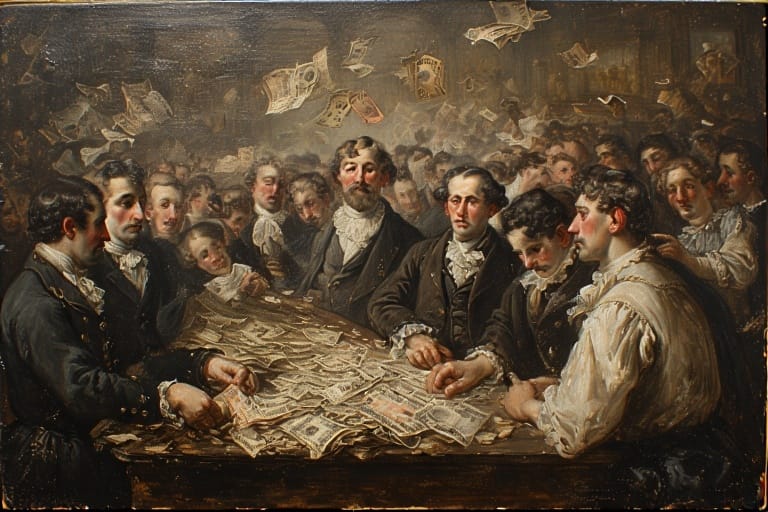
The early 1720s were a time of optimism in Britain. With the economy recovering and the monarchy backing the scheme, the South Sea Company seemed like a safe bet. Newspapers, pamphlets, and coffeehouse gossip all fed into the growing enthusiasm. Everyone—from aristocrats to cobblers—rushed to buy shares.
Some even mortgaged their homes or borrowed heavily just to get in. The company’s marketing was masterful, hinting at treasures and trade routes just over the horizon. A mania took hold.
5. The Rise in Share Prices
The company’s stock price soared from £100 in January 1720 to over £1,000 by June. People believed they were getting rich overnight. Shares changed hands at increasingly unrealistic prices. Other companies—some legitimate, many not—rode the wave by forming their own speculative ventures.
One notorious company promised to fund “an undertaking of great advantage, but nobody to know what it is.” Even that received eager investments.
6. Political Ties and Corruption
Much of the South Sea Company’s appeal stemmed from its deep political connections. Government officials, including members of Parliament and King George I’s inner circle, were shareholders. Some were even bribed with shares to promote legislation favorable to the company.
This blending of public office and private enrichment would come back to haunt many of them.
7. The Crash of September 1720
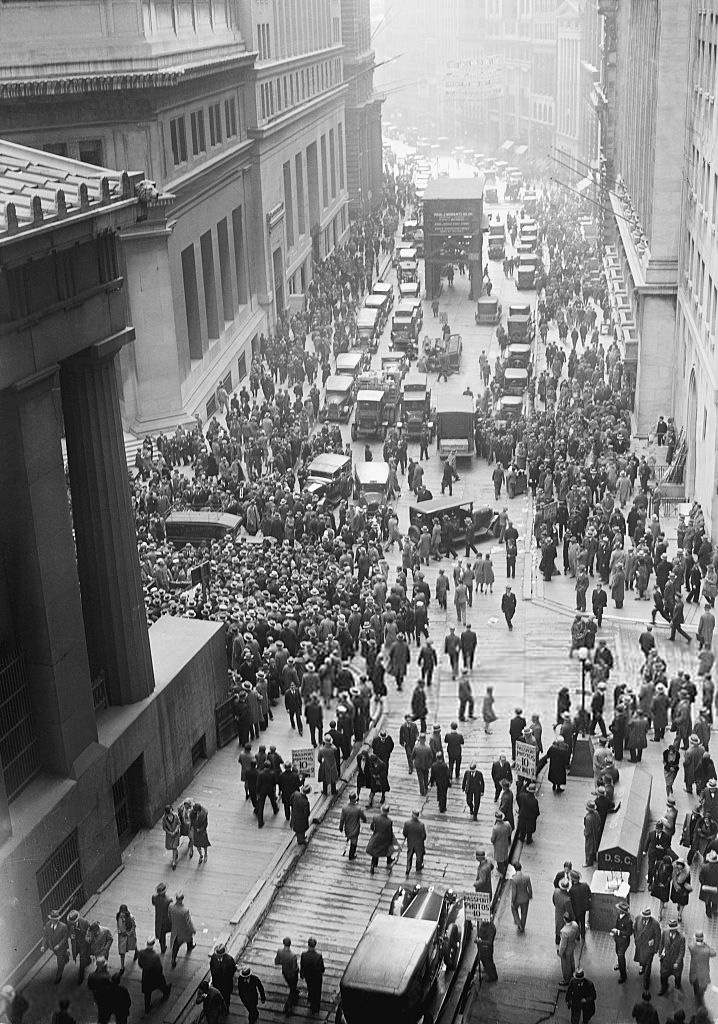
By late summer, the illusion began to fracture. Insiders started selling their shares, triggering panic. As more people rushed to liquidate, the price collapsed. By September 22, the market was in freefall. Share prices dropped by more than 80%, and entire fortunes vanished overnight.
Banks were overwhelmed. Lending dried up. Investors rioted. The term “bubble” was born from this inflated and explosive market collapse.
8. Financial Fallout and Bankruptcies
Thousands of Britons lost their life savings. Dozens of banks and businesses went under. The broader financial system, still in its infancy, nearly collapsed. Even the Royal Family took a financial hit.
Some individuals who had borrowed heavily to buy in now faced both financial ruin and debtor’s prison. The fallout was widespread and devastating.
9. Public Backlash and Investigations
The collapse sparked massive outrage. Parliament launched a formal investigation. High-ranking officials—including former chancellors and MPs—were found guilty of corruption. Properties were seized, and fortunes clawed back.
The company’s directors were disgraced, and their assets redistributed to partially compensate investors.
10. The Aftermath for British Economy
While the immediate damage was immense, the British economy eventually recovered. The episode, however, left deep scars. Public trust in financial institutions and government took a hit.
The Bank of England stepped in to stabilize markets, offering liquidity and managing fallout. This crisis highlighted the need for better financial regulation.
11. Regulatory Changes and Reforms
In response to the bubble, the British Parliament passed the Bubble Act of 1720, which required companies to have a royal charter before selling shares. Though it was meant to curb wild speculation, the act also stifled legitimate entrepreneurial activity for years.
Still, the crisis established some foundational principles for modern financial oversight.
12. Lessons from the South Sea Bubble
The South Sea Bubble remains a classic case study in economic speculation, herd mentality, and lack of regulation. It demonstrated how a well-orchestrated story—paired with political backing—can seduce an entire nation.
It also served as a cautionary tale: when asset prices detach from reality, disaster is inevitable. Even three centuries later, its lessons remain painfully relevant.
13. Conclusion
The bursting of the South Sea Bubble on September 22, 1720, stands as one of the earliest and most dramatic examples of financial collapse driven by overconfidence, greed, and speculation. It reshaped British finance, humbled political elites, and sparked a reckoning with how markets are managed.
Ultimately, it reminds us that whenever markets rise too far on promises and illusions, the fall is never far behind.