Table of Contents
- The Clash of Empires: A Frontier in Turmoil
- The 8th Century: A Pivotal Era in Byzantine-Abbasid Relations
- Geopolitical Stakes: Cilicia to Thrace
- The Abbasid Caliphate: Ambitions and Aspirations
- The Byzantine Empire: Defense and Revival
- Prelude to Conflict: Early Skirmishes and Tensions
- The Culture of Raiding: A Frontier’s Way of Life
- Key Figures: Commanders and Leaders on Both Sides
- The Abbasid Raids: Strategies and Objectives
- Byzantine Counter-Raids: Responses and Retaliations
- Cilicia: The Battleground of Enduring Conflict
- From Raid to Counter-Raid: The Mechanics of Border Warfare
- The Role of Local Populations and Mercenaries
- Religion and Propaganda in the Conflict
- The Normalization of Hostilities: A New Frontier Equilibrium
- Economic Impacts: Trade, Tribute, and Devastation
- Cultural Exchanges Amidst Conflict
- The Military Evolution Sparked by Raids
- Diplomatic Episodes and Fragile Truces
- Long-Term Consequences for Byzantine and Abbasid Relations
- Memory and Representation in Later Chronicles
- Conclusion: The Legacy of the Raids
- FAQs
- External Resource
- Internal Link
From the scorched plains of Cilicia to the rugged corridors of Thrace, the 8th century bore witness to a relentless series of raids and countermoves that shaped the ebb and flow of power between two great empires: the Abbasid Caliphate and the Byzantine Empire. This tumultuous period was more than a mere series of military engagements; it was a crucible of cultural collision, economic upheaval, and frontier redefinition.
The Clash of Empires: A Frontier in Turmoil
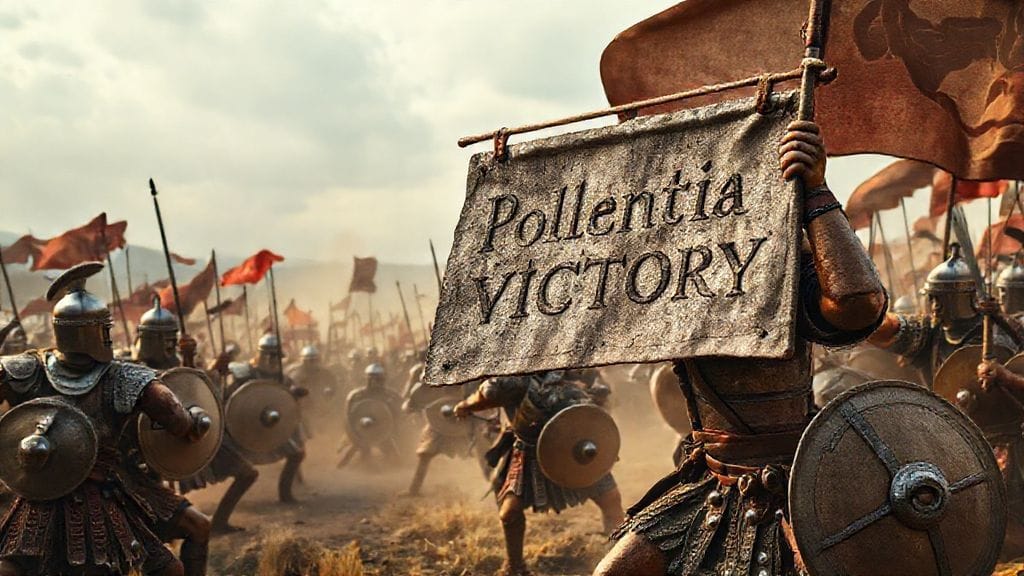
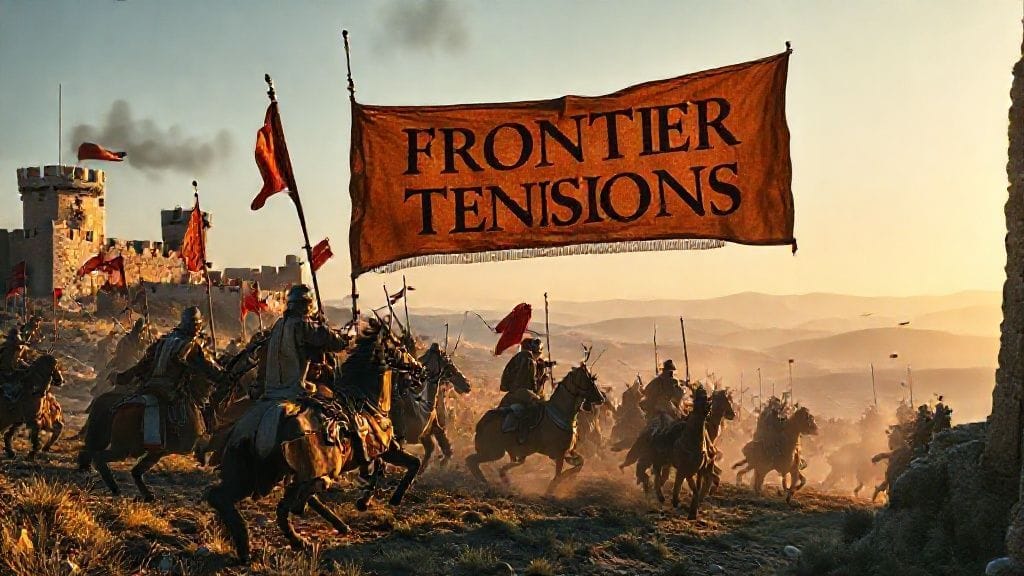
The dawn sky over Cilicia cracked with the thunderous echoes of battle. On one side, the Abbasid horsemen poured forth like a wave of fire, their banners snapping in the wind; on the other, legions of Byzantine soldiers formed grim, steadfast lines, their shields interlocked in defiance. This was not simply a raid; it was a ritual forged in blood and necessity—an enduring conflict that would harden the very landscape into a living frontier.
This relentless cycle of raids and counter-raids was neither chaos nor accident. It was a symphony of calculated strikes, fueled by ambition and survival, played out over decades. As historian Hugh Kennedy once remarked, these confrontations were "the wrestling match of medieval politics and survival," where neither side could afford to rest lest they lose the fragile grip on their borderlands.
The 8th Century: A Pivotal Era in Byzantine-Abbasid Relations
The 8th century found both the Abbasid Caliphate and the Byzantine Empire at critical junctures. The Abbasids, successors to the Umayyads, were consolidating power, reaching into territories long contested, while the Byzantine Empire was navigating political oscillations and military rejuvenation after the upheavals of the 7th century.
The raids across the frontier were partly a method for both empires to assert dominance without fully committing to a large-scale war, which was often impractical in the face of internal challenges. Yet the impacts were far-reaching—each raid left scars on land, livelihood, and legacy.
Geopolitical Stakes: Cilicia to Thrace
Spanning from Cilicia in Asia Minor to Thrace on Europe’s edge, the frontier was a patchwork of contested forts, precarious mountain passes, and vibrant cities teetering on the brink of conflict and cooperation. Cilicia, with its fertile plains and strategic ports, was a prize of immense value, while Thrace represented not only the gate to Constantinople but also a critical vantage point controlling access to the Balkans.
These borderlands were defined by their ambiguity—not lines on a map, but zones of interaction, tension, and fluid control.
The Abbasid Caliphate: Ambitions and Aspirations
Emerging from the revolution that dismantled the Umayyad dynasty, the Abbasid Caliphate was marked by its aim to consolidate Islamic rule and extend influence. The 8th century was an era of expansion, administrative reform, and cultural flowering. Yet alongside these grand aspirations lay the practicalities of frontier management: raiding was both a war tactic and an economic necessity.
Raids provided booty, slave labor, and prestige, while also serving as signals of strength—deterring Byzantine counter-advances and asserting Abbasid dominance.
The Byzantine Empire: Defense and Revival
For Byzantium, the 8th century was a battlefield in more ways than one. The empire was recovering from previous losses and striving to maintain the integrity of its vast territories. The threat from the Abbasid east underscored the need for effective military reforms and diplomatic acumen.
Byzantine elites viewed the raids not only as military challenges but also as trials testing imperial resilience and faith.
Prelude to Conflict: Early Skirmishes and Tensions
The seeds of the Abbasid-Byzantine frontier violence were sown in the late 7th century. Early skirmishes recalled the centuries-old animosity stemming from the initial Arab conquests of Byzantine lands. Incidents over disputed towns, rival allegiances of local Armenian dynasts, and the fluctuating control of key passes escalated the tension.
Early clashes were brutal but sporadic—a dangerous dance of reconnaissance, raiding, and fleeting alliances.
The Culture of Raiding: A Frontier’s Way of Life
To grasp the raids' full resonance, one must understand that raiding was not merely opportunistic violence but a deeply ingrained martial culture on both sides. Raiding expeditions were carefully planned affairs involving complex logistics, knowledge of terrain, and integration of cavalry with infantry.
For many frontier communities, participation in raids was a rite of passage and a source of economic survival, blurring the lines between soldier, trader, and bandit.
Key Figures: Commanders and Leaders on Both Sides
Among the figures who rose to prominence in this turbulent theater was the Abbasid general Al-Ma'mun’s brother, Abdallah ibn Tahir, whose raids penetrated deep into Byzantine territory. On the Byzantine side, generals such as Michael Lachanodrakon and Michael the Amorian exemplified the empire’s determination to hold the line and even launch their own expeditions.
These leaders embodied the clash of wills and the personal valor that punctuated the protracted conflict.
The Abbasid Raids: Strategies and Objectives
Abbasid raids employed swift cavalry strikes aimed at collecting loot, weakening local defenses, and destabilizing Byzantine control. Using intelligence from local Arab and Armenian allies, these raids often targeted wealthy border towns and supply lines.
One notable campaign led by the Abbasid general Harun al-Rashid ventured into Thrace, illustrating the expanding reach of their frontier warfare during the century’s close.
Byzantine Counter-Raids: Responses and Retaliations
Byzantine strategy evolved from mere defense to active disruption. Counter-raids struck into Abbasid-held Cilicia, applying pressure and forcing the Abbasids to divert resources for defense. These forays had political and psychological effects—shaking the invaders’ confidence and sustaining Byzantine morale.
The empire’s increasing use of fortified frontier towns and mobile forces enabled these punitive strikes.
Cilicia: The Battleground of Enduring Conflict
Cilicia represented the fulcrum of the frontier conflict. Its position between the Taurus Mountains and the Mediterranean Sea rendered it an arena where raids could funnel across treacherous landscapes into rich lands. The fortified city of Tarsus became a contested prize, switching hands multiple times.
The region’s mixed population—Christian Armenians, Syriacs, Arabs—added layers of complexity, with various factions supporting or opposing the conflicting empires.
From Raid to Counter-Raid: The Mechanics of Border Warfare
Each cycle of raid and counter-raid was a calculated escalation. Raiders exploited intelligence and surprise, while defenders sought early warnings and rapid mobilization. Seasonal factors—the wet winters, hot dry summers—dictated campaign timing.
Supply lines, communication networks, and border fortifications all played pivotal roles in the relentless cat-and-mouse game.
The Role of Local Populations and Mercenaries
Local chieftains, Armenian nobles, and mercenary groups shaped the conflict’s terrain as much as imperial commanders. Their allegiances often shifted depending on promises, pressures, and survival instincts.
Mercenaries hired for their knowledge of terrain or fighting skills sometimes turned the tide but also added unpredictability to the frontier dynamics.
Religion and Propaganda in the Conflict
Islam and Christianity not only framed ideological divides but also infused the raids with religious symbolism. Both empires used these conflicts to bolster legitimacy—declaring jihads or holy defenses.
Art and literature from the period evoke the "other" with a mixture of fear, respect, and religious zealotry, fueling a narrative that extended beyond battlefield tactics.
The Normalization of Hostilities: A New Frontier Equilibrium
By the late 8th century, the cadence of raids and countermoves had established a rhythm—hostilities became normalized as a grim status quo. Neither empire could decisively conquer the other’s frontier, leading to tacit acceptance of ongoing conflict as the frontier’s defining characteristic.
This equilibrium allowed for periods of trade and diplomacy to coexist uneasily alongside war.
Economic Impacts: Trade, Tribute, and Devastation
Raids devastated agricultural lands, disrupted trade routes, and imposed heavy tribute burdens. However, paradoxically, they also stimulated certain border economies—markets for weapons, provisions, and slaves thrived.
The economic give-and-take forced both empires to innovate in governance and frontier management.
Cultural Exchanges Amidst Conflict
Despite violence, cultural diffusion thrived along the frontier. Knowledge of languages, customs, and technologies moved across lines, enriching both societies.
The frontier zones became crucibles where Byzantine, Arab, Armenian, and even Slavic traditions intermingled, leaving traces in art, architecture, and scholarship.
The Military Evolution Sparked by Raids
Constant raiding compelled military innovation. Byzantium refined its famed thematic system—territorial armies raised from local populations—and improved cavalry tactics, armor, and fortifications.
Similarly, Abbasid forces developed mobile horse archery techniques and better supply chains to sustain extended campaigns.
Diplomatic Episodes and Fragile Truces
Between confrontations, envoys crossed the volatile borders, negotiating truces, prisoner exchanges, and trade agreements. Though fragile, these periods offered glimpses of mutual recognition and sometimes forged pragmatic agreements.
Yet these were temporary, often broken by renewed aggression or changing political winds.
Long-Term Consequences for Byzantine and Abbasid Relations
The raids left an indelible mark on the historical relationship of these empires. They forged a dynamic balance that influenced border policy for centuries, embedding mutual respect amid rivalry.
Moreover, the frontier warfare influenced subsequent military, political, and cultural policies—reverberations felt well beyond the 8th century.
Memory and Representation in Later Chronicles
Later Muslim and Byzantine chronicles remembered these raids with a mixture of pride and pathos. Stories celebrated heroic deeds but also lamented the human cost.
These narrative traditions shaped collective memory and identity, molding how successive generations perceived friend, foe, and frontier.
Conclusion
The relentless cycle of Abbasid and Byzantine raids in the 8th century was more than episodic violence; it was the heartbeat of a living, breathing frontier. Through fire and steel, dawn raids and dusk reprisals, these ancient adversaries did not merely fight: they engaged in a dialogue of power, survival, and identity.
This endless contest shaped not only military boundaries but cultural landscapes, economic strategies, and human experiences. In the embers of their conflict lie lessons on resilience, adaptation, and the nuanced dance of empire on the edge of the known world.
The zones from Cilicia to Thrace were never merely battlegrounds—they were crucibles forging the future face of two civilizations. And through their violent embrace, a new normal emerged—one where war and peace coexisted in uneasy balance, defining a frontier that was as much a meeting place as it was a boundary.
FAQs
Q: What motivated the incessant raids between the Abbasids and Byzantines in the 8th century?
A: Primarily, raids served military, economic, and political purposes—harassing enemies, acquiring loot, demonstrating power, and sustaining frontier economies. Both empires used raids as controlled means of conflict without full-scale warfare.
Q: How did local populations influence these frontier conflicts?
A: Local communities, including Armenians, Syriacs, and various tribal groups, often shifted allegiances for survival or profit, acting as allies, mercenaries, or saboteurs, thus complicating the dynamic of the raids.
Q: Did these border raids lead to any significant territorial changes?
A: While some towns and forts changed hands temporarily, neither empire secured lasting territorial gains during these raids. Instead, the raids resulted in a contested and fluid border zone with intermittent control.
Q: How did religion shape the perception and conduct of these raids?
A: Both sides framed the conflict in religious terms—Christian Byzantines viewing the Arabs as infidels, while Abbasids often saw their campaigns as jihads—infusing the raids with ideological and symbolic importance.
Q: What were the economic effects of the raids on the frontier regions?
A: Raids disrupted agriculture and trade, often causing devastation, but they also created demand for military supplies and stimulated some market activities. Tribute demands imposed by raiding parties also strained local economies.
Q: Were there periods of peace or diplomacy between these two empires despite the raids?
A: Yes, fragile truces, prisoner exchanges, and trade agreements occurred intermittently, though these often unraveled quickly. Diplomacy coexisted with conflict as a pragmatic necessity for both empires.
Q: How did the raids impact military developments in the Abbasid and Byzantine empires?
A: Continuous warfare led to improvements in fortifications, cavalry tactics, and military logistics, with Byzantines refining the thematic army system and Abbasids honing mobile cavalry and horse archery.
Q: How is this frontier conflict remembered in historical sources?
A: Muslim and Byzantine chronicles portray the raids with a mixture of admiration for bravery and lamentation for loss, shaping cultural memory and identity narratives that endure in histories of both civilizations.