Table of Contents
- The Calm Before the Storm: Chang’an in the Mid-8th Century
- The Tibetan Empire Rising: Ambitions Beyond the Plateau
- Political Intrigue and Fragile Alliances
- The March to Chang’an: Strategy and Surprise
- The Night of Invasion: The Tibetan Forces at the Gates
- Tang Court in Crisis: Panic and Decisions
- The Tibetan Occupation of Chang’an: A City Under Siege
- Resistance and Rebellion Within the Walls
- The Fall of the Occupation: Tang Counterattack and Tibetan Withdrawal
- The Human Cost: Lives Disrupted and Lost
- Diplomatic Aftershocks: Shifting Relations between Tibet and Tang
- The Military Innovations and Tactics Displayed
- Cultural Exchanges Amidst Conflict
- Legacy of the 763 Incursion in Tibetan and Chinese Memory
- Conclusion: A Brief But Defining Episode
- FAQs on the Tibetan Incursion into Chang’an
- External Resource
- Internal Link
The Calm Before the Storm: Chang’an in the Mid-8th Century
Chang’an, capital of the Tang dynasty, stretched like an imperial jewel amid the vast expanses of ancient China. Its wide streets bustled with merchants from Central Asia, scholars poring over Confucian classics, and soldiers on vigilant patrol. The year was 763 CE, and the Tang Empire was attempting to stabilize after decades of upheaval. The An Lushan Rebellion (755–763), a brutal civil war, was drawing to its violent close, yet the city’s pulse was far from steady. Chang’an’s walls, once symbols of security and authority, now trembled under the shadow of a looming threat from the west — the Tibetan Empire.
The city’s jubilance masked a pervasive anxiety. Rumors spread of vast armies crossing rugged mountain passes; allies hesitating, enemies scheming. And then, as night blanketed the city, a far cry shattered the tenuous veneer of peace — the drums of Tibetan warriors echoing at the gates of Chang’an. This was no mere raid or fleeting skirmish; it was an audacious incursion into the heart of Tang power.
The Tibetan Empire Rising: Ambitions Beyond the Plateau
For centuries, the Tibetan plateau was home to fiercely independent tribes loosely united under chieftains. But by the mid-8th century, the Tibetan Empire under King Trisong Detsen had evolved into a formidable power. Its warriors, famed for their horsemanship and mountain warfare, had conquered vast swaths of Central Asia, making Tibet a dominant regional actor.
Their ambitions now touched the richest prize of the East — the Tang dynasty’s prosperous heartland. The Tang had suffered under the heavy burden of internal rebellion, weakening their borders and muddling intelligence. Tibetans saw an opportunity not just to plunder, but to assert supremacy and negotiate from strength.
The shift was also ideological: Buddhism flourished in Tibetan courts following the king’s patronage, fueling a cultural renaissance even as military ambitions surged. The clash with the Tang was simultaneously geopolitical and spiritual, a contest of emperors and divine mandates.
Political Intrigue and Fragile Alliances
The Tang court in Chang’an was riddled with factionalism. After the eruption of the An Lushan Rebellion, power wrestled between eunuchs, generals, and bureaucrats. Meanwhile, the empire’s western frontiers had been ceded or contested with Tibetan forces for decades.
Allies such as the Uighurs could offer scant assistance, bounded by their interests and fears of Tibetan expansion. Inside Chang’an, whispers spread of spies and traitors, some suspected of colluding with external powers to seize influence as the empire faltered.
It was a perfect storm of political fragility, opening the door for the unexpected. The Tibetan leadership carefully timed their advance to exploit these divisions, coordinating deception and force to capture a city that seemed impregnable.
The March to Chang’an: Strategy and Surprise
To reach the capital, Tibetan forces had to traverse the formidable Hengduan Mountains and the treacherous paths of the Hexi Corridor, long controlled by the Tang. Marching an army of thousands in harsh terrain required cunning logistical planning and supreme endurance.
The element of surprise was paramount. Tibetan commanders deliberately avoided the usual invasion routes, instead pushing through lesser-guarded valleys and crossing icy passes in winter’s grip. Their goal: strike swiftly before the Tang could muster full defense.
This maneuver was as much psychological warfare as tactical. To appear at Chang’an’s gates with such force and speed sent a clear message of Tibetan resolve and capability, shattering illusions of Tang invulnerability.
The Night of Invasion: The Tibetan Forces at the Gates
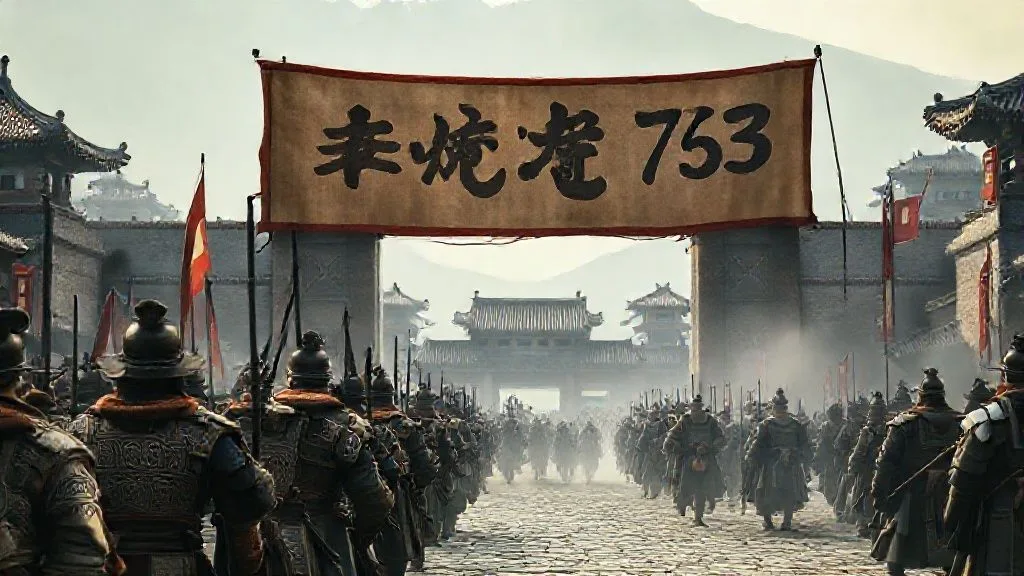
Under the cloak of darkness and winter’s chill, the drums of the Tibetan army thundered close to Chang’an’s city walls. Guards, exhausted from years of conflict and stretched thin, frantically manned their posts.
It was a moment of chaos and fear: families shuttered windows, officials scrambled messages, and soldiers readied their spears. Tibetan forces launched a series of swift assaults, exploiting weaknesses in the sprawling city’s defenses.
The noise, the fervor, the confounding speed overwhelmed the Tang defenders. For the first time in decades, the heart of imperial China felt vulnerable. Fires flickered along the walls, and the city’s soul quivered under the weight of foreign boots.
Tang Court in Crisis: Panic and Decisions
Inside the imperial palace, panic unfurled quickly. Emperor Daizong, still reeling from years of rebellion and betrayal, faced a dire choice: flee and preserve the dynasty’s survival or rally the city for a desperate hold.
Counselors argued vehemently. Some urged negotiation, others total resistance. Messages circulated seeking aid from distant allies, but time was merciless. The court’s usual grandeur became a theater of fear, fragmentation, and rapid decision-making.
Desperate measures were taken: gates reinforced, civilian militias conscripted, and emergency alliances brokered. Yet the Tang bureaucracy, so accustomed to centuries of authority, now confronted raw survival.
The Tibetan Occupation of Chang’an: A City Under Siege
For over two months, Tibetan forces occupied parts of Chang’an. Markets shuttered, streets emptied. The invaders, while brutal, employed a mixture of coercion and diplomacy to manage the restive population.
The occupation demonstrated both the military acumen and political sophistication of the Tibetans — they sought not wholesale destruction but control. Buddhist monks, traders, and artisans navigated shifting allegiances, caught between despair and cautious pragmatism.
On a human level, the intrusion caused irreversible ruptures: families were displaced, cultural practices disrupted, and the omnipresent tension seeped into every stone of the ancient city.
Resistance and Rebellion Within the Walls
But all was not surrendered to Tibetan control. Pockets of fierce resistance emerged within Chang’an. Local militias, remnants of the imperial guard, and even palace insiders coordinated underground efforts.
Messages smuggled through the city called for unity and perseverance. Subtle sabotage of Tibetan supplies, clandestine attacks at night, and the protection of key cultural sites became acts of defiance.
A sense of identity and hope endured despite foreign boots trampling the city’s sacred soil. This resilience would be pivotal in the city’s eventual liberation.
The Fall of the Occupation: Tang Counterattack and Tibetan Withdrawal
The Tang dynasty, buoyed by reinforcements and renewed resolve, soon mounted a counteroffensive. Coordinated with Uighur cavalry and loyalist forces, the campaign pressed Tibetans back outside city walls.
The harshness of the season, extended supply lines, and coordination difficulties eroded Tibetan hold. After fierce fighting, the occupying forces withdrew, retreating over the mountains but leaving a scarred Chang’an behind.
Though brief, the occupation shattered the myth of Tang permanence and marked a new chapter in Sino-Tibetan relations.
The Human Cost: Lives Disrupted and Lost
Beyond strategies and statecraft, the incursion was a human tragedy. Thousands perished — soldiers, civilians, refugees. The animosity bred deep resentments while forging unlikely bonds between sufferers.
Archaeological research indicates entire quarters of Chang’an were destroyed or abandoned. Famine and disease followed in the wake of conflict, adding to the toll.
Yet out of devastation arose stories of courage and survival; families protected relics, monks recited sutras in underground sanctuaries, and ordinary citizens risked all for their city.
Diplomatic Aftershocks: Shifting Relations between Tibet and Tang
The incursion irrevocably altered Tang-Tibetan dynamics. Peace was no longer a given; instead, tense negotiations ensued on contested frontiers.
Marriage alliances and treaties were sought to stabilize the volatile border, but mistrust lingered for decades. Both empires recognized the military and political potency of the other, leading to a balance of power in Central Asia.
The episode deepened cultural exchange but also sharpened ethnic and religious identities that continue to color relations today.
The Military Innovations and Tactics Displayed
The Tibetan assault on Chang’an was remarkable for its daring logistics and adaptation to mountainous terrain. Using cavalry and archers trained in hit-and-run tactics, the Tibetans bypassed heavily fortified routes, catching the Tang by surprise.
Fortifications were put to test, revealing vulnerabilities in urban defense systems. The use of winter campaigns expanded the concept of seasonal warfare.
This campaign remains a subject of study for military historians eager to understand mountain warfare and urban occupation in pre-modern Asia.
Cultural Exchanges Amidst Conflict
Though enemies, the Tibetans and Tang maintained a complex cultural dialogue. Buddhist scholars traveled between the regions; artistic motifs mingled; languages borrowed terms.
The occupation of Chang’an, brief as it was, allowed Tibetan soldiers and officials exposure to Chinese urban life, influencing administrative reforms back home.
Conversely, Tibetan influence seeped into Chinese frontier culture. The period exemplifies how conflict often stimulates cultural synthesis even amid hostility.
Legacy of the 763 Incursion in Tibetan and Chinese Memory
In Tibetan chronicles, the Chang’an incursion is celebrated as a testament to the empire’s golden age and military prowess. It symbolizes Tibetan capability to challenge mighty neighbors.
Chinese historical accounts portray the event as an ominous crisis and a warning about internal weakness undermining imperial sovereignty.
Today, the episode animates nationalist narratives and scholarly debates alike, embodying ancient power struggles and cultural resilience in East Asia.
Conclusion: A Brief But Defining Episode
The Tibetan incursion into Chang’an in 763 was fleeting in temporal scope but profound in impact. It exposed the vulnerabilities of a once-mighty empire, encapsulated the fierce ambitions of a rising power, and humanized grand historical forces through suffering and perseverance.
This dramatic episode reminds us that history’s pivotal moments often come wrapped not in decisive battles, but in the brief, vivid flashes when civilizations collide and identities are reshaped.
Chang’an, the ancient jewel of Asia, bore witness to that collision — a story of ambition, resilience, and transformation that resonates through the centuries.
FAQs on the Tibetan Incursion into Chang’an
Q1: What triggered the Tibetan attack on Chang’an in 763?
A1: The attack occurred during the Tang dynasty’s weakened state following the An Lushan Rebellion. The Tibetan Empire seized the opportunity to assert their power, exploiting Tang’s internal chaos and frontier vulnerabilities to stage a surprise incursion.
Q2: How were the Tibetans able to reach Chang’an despite the mountainous terrain?
A2: Tibetan forces used unconventional routes, leveraging their expertise in mountain warfare and horsemanship. They avoided heavily guarded passes, instead crossing difficult terrain that the Tang did not expect an army to use in winter.
Q3: How long did the Tibetan occupation of Chang’an last?
A3: The occupation lasted roughly two months before a Tang counteroffensive, assisted by allied forces, forced the Tibetans to withdraw.
Q4: What were the consequences for the people of Chang’an during the occupation?
A4: The population suffered from violence, displacement, famine, and disease. While the Tibetans sought control without total destruction, the occupation nevertheless disrupted daily life profoundly.
Q5: How did this event affect Tibetan-Chinese relations afterward?
A5: The incursion escalated hostilities but also prompted formal diplomatic negotiations. Border treaties and marriage alliances followed, seeking to restore and maintain a fragile peace.
Q6: What military lessons come from the Tibetan incursion?
A6: The campaign highlighted the effectiveness of mountain warfare, surprise tactics, and winter campaigns. It also underscored the importance of adapting urban defenses to unconventional threats.
Q7: How is the event remembered in modern histories?
A7: Tibetan sources view it as a proud moment of expansion, whereas Chinese narratives often frame it as a cautionary episode highlighting Tang vulnerabilities. Both perspectives contribute to a rich historical dialogue.
Q8: Did the incursion influence cultural exchanges between the two empires?
A8: Yes. Despite conflict, the episode enhanced Buddhist and artistic interactions, demonstrating how warfare and culture frequently intermingle.