Table of Contents
- The Shadow Looms: Paris on the Brink of Catastrophe
- West Francia and the Viking Menace: Setting the Stage
- Odo of Paris: The Unexpected Defender
- The Gathering Storm: Viking Strategy and Ambitions
- The Siege Begins: November 885
- Life Inside the Walls: The People of Paris Endure
- Odo’s Leadership and the City's Defenses
- Skirmishes and Brutality: The Clash of Vikings and Franks
- The Role of the Seine: Lifeline and Barrier
- The Franks’ Outside World: Attempts at Reinforcement and Diplomacy
- The Winter Hardships: Starvation, Disease, and Morale
- The Turning Point: Odo’s Tactical Genius
- The Viking Withdrawal: Causes and Consequences
- The End of the Siege: Victory and Relief
- Political Ramifications: Odo’s Rise to Power
- Cultural Impact: Paris Transformed by Trial
- The Siege in Memory and Legend
- Europe's Response: New Perspectives on Viking Attacks
- The Siege as a Prelude to the Capetian Dynasty
- Reflections on Leadership in Crisis
- Lessons from Paris: Medieval Urban Warfare
- The Siege in Art and Literature
- Conclusion: The Siege that Shaped a City and a Kingdom
- FAQs
- External Resource
- Internal Link
The Shadow Looms: Paris on the Brink of Catastrophe
The winter of 885 was one of ice and dread in the heart of West Francia. For weeks, dark sails had appeared on the horizon of the Seine, the emblematic serpentine river splicing through the city of Paris. The city, vibrant yet vulnerable, stared anxiously beyond its ancient walls as an invincible enemy approached—not just men, but a storm of fury that threatened to dismantle the very fabric of its existence. The Siege of Paris was about to begin, a crucible that would test the mettle of its people and the emerging leadership of Odo, the Count of Paris. This was not merely a military confrontation; it was a battle for survival, honor, and the future of a city on the edge of history.
West Francia and the Viking Menace: Setting the Stage
The late ninth century was a turbulent time for the realm known as West Francia, a fragile successor state to the once-mighty Carolingian Empire of Charlemagne. The realm was fractured, its borders porous, and its defenses weakened by constant internal strife and claimants to the crown. The Viking raids, once mere coastal pillages, had evolved into organized operations with an eye toward conquest. These Norsemen, sailing sleek longships, had already devastated many parts of Europe, their raids an intricate dance of brutality and strategy.
Paris was no stranger to Viking attacks. Previous incursions had damaged the city, but none had attempted to capture it outright—until this moment. The siege in 885-886 was a turning point, confronting not just a military challenge, but a test of the Frankish resolve and identity.
Odo of Paris: The Unexpected Defender
Among the swirling chaos emerged a figure whose name history would not forget: Odo, Count of Paris. Born into the Robertian family, a lineage intertwined with the nobility of the region, Odo was known for his sharp intellect and formidable stature. Unlike many nobles who fled before the Viking advance or sought diplomatic escape, Odo chose to stay and defend the city with tenacity bordering on recklessness.
Odo’s leadership during the siege was unconventional yet effective. He galvanized a city disparate in wealth and class into a unified force. His resolve was matched by a tactical mind who understood the limitations and strengths of Parisian defenses. This man would prove crucial in repelling the Vikings and later ascending as King of West Francia.
The Gathering Storm: Viking Strategy and Ambitions
For the Vikings, Paris was more than just a prize of wealth; it was a symbol of Carolingian power and wealth that needed to be broken. The leader of the siege, often identified as Sigfred or Sigurd, marshaled a force of nearly 30 ships and as many as 20,000 warriors according to some chroniclers—though numbers vary and are often exaggerated.
Their strategy was bold: blockade the city by controlling the Seine River, cut off supplies, and storm the walls with relentless assaults. The Vikings' boisterous reputation, combined with their naval prowess, made them a nightmare for any medieval city. But Paris, with its walls and determined defenders, was no ordinary target.
The Siege Begins: November 885
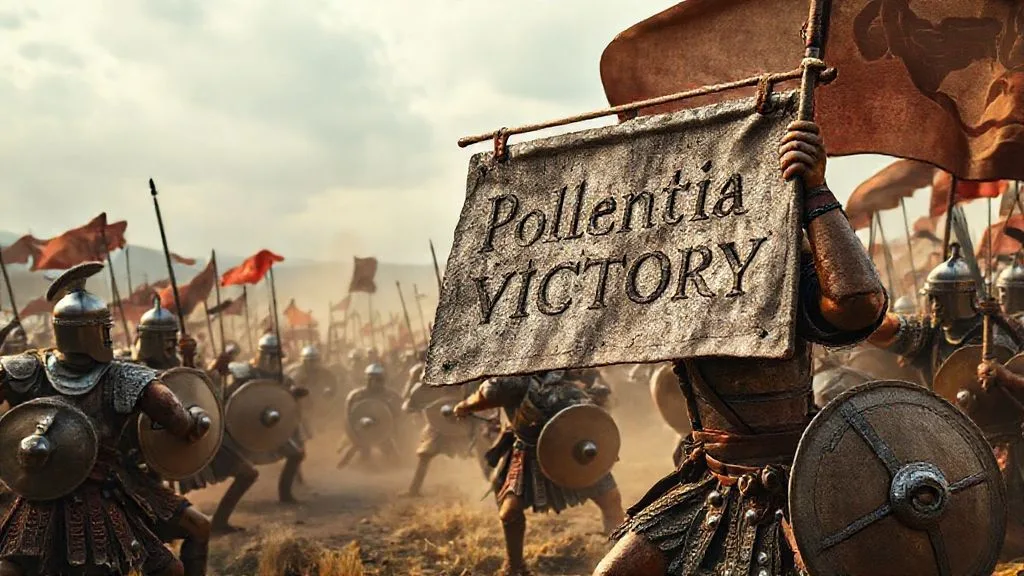
As the leaves died and the winds grew colder, the siege commenced. Vikings disembarked and encamped on the Ile de la Cité and the surrounding riverbanks, immediately establishing a tight blockade. The city, centered around the cathedral of Notre-Dame and the royal palace, quickly transformed into a fortress under strain.
What began as a show of might turned into a protracted siege. The Vikings, expecting a swift victory and plunder, found themselves mired in a struggle of wills. The Parisians, under Odo’s leadership, fortified their positions, repaired walls, and prepared for grim attrition.
Life Inside the Walls: The People of Paris Endure
For the everyday Parisians, the siege was a grinding nightmare. Food supplies dwindled under the blockade. Bread, once plentiful, became a precious relic. Stories tell of desperate measures—rats and leather boiled for sustenance. The weight of the siege fell heavily on women, children, and the old especially.
But it is in these trying moments that communities often reveal their resilience. The clergy, merchants, and peasants, all took part in the common defense. The city’s unity formed a bulwark as important as stone and steel. Chroniclers of the period recall moments of prayer and defiance, where hope was as crucial as any weapon.
Odo’s Leadership and the City's Defenses
Commanding from within the walls, Odo proved to be a leader attuned to both morale and military tactics. He implemented measures to maximize the defensive capability of the city’s walls and coordinated sorties that harried the Viking camps.
One of his most notable strategies was the use of the Seine itself as a weapon—repairs and reinforcements of the bridges and breakwaters ensured the Vikings could not easily penetrate the city’s core. Odo’s strategic mind was matched by his presence on the walls, where he bolstered the defenders' resolve amidst the fearsome creaks of catapults and the clash of swords.
Skirmishes and Brutality: The Clash of Vikings and Franks
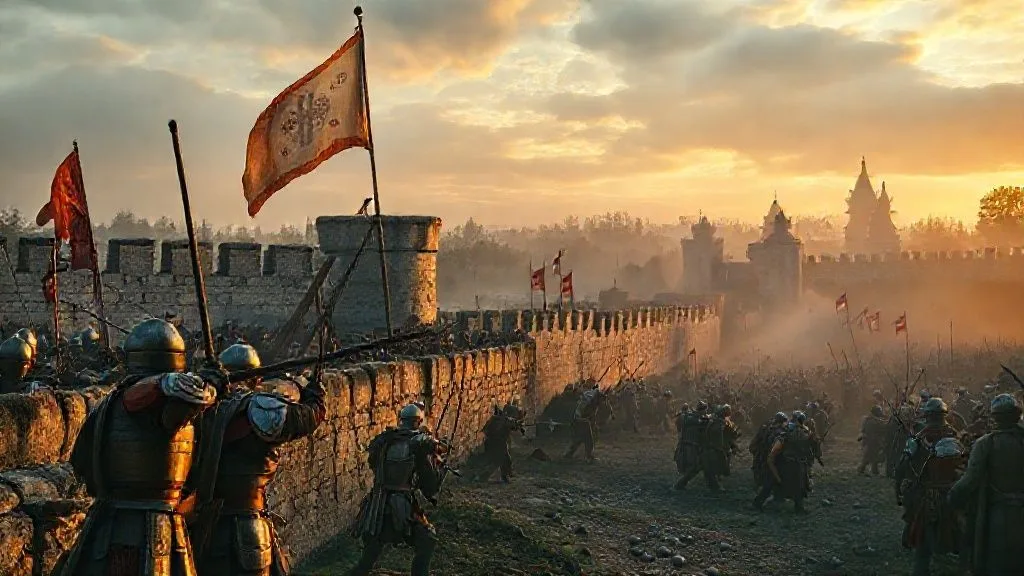
Sieges are sieges—long, grinding affairs punctuated by bursts of violence. Multiple attacks attempted to breach the walls, but the defenders, well-disciplined and motivated, repelled them repeatedly. The Vikings employed brutal tactics, including attempts to burn gates and undermine fortifications.
The daily combat, both psychological and physical, wore down both sides. The Frankish defenders, though less numerous than the attackers, were fighting on home ground with every pang of survival heightened by the cries of their kin. The Vikings, despite their reputation as fearless warriors, faced frustration and losses that chipped away at their morale.
The Role of the Seine: Lifeline and Barrier
Paris’s location on the Seine was both a blessing and a curse. The river's flow could bring supplies if control was maintained, but it also served as the channel for the Viking fleet. The Seine cut through the city, creating natural defense lines but also complicating the siege.
Odo’s defenders worked tirelessly to maintain control of points along the river and prevent the Vikings from using it to launch surprise attacks or resupply their forces. Efforts to dam and burn Viking ships were part of the siege’s iconic moments, showcasing the synergy of environmental control and military tactics.
The Franks’ Outside World: Attempts at Reinforcement and Diplomacy
News of the siege traveled fast beyond Paris’s walls. The fractured Frankish kingdom’s rulers debated how best to respond. Charles the Fat, nominal ruler of East and West Francia, showed limited commitment to reinforcing Paris, plagued by his own internal challenges and doubts about the city’s survival.
Envoys attempted to negotiate with the Vikings, offering tribute in exchange for peace—a common but controversial practice in dealing with Norse invaders. Yet Odo, frustrated with political indecision, pushed for resistance over capitulation, a stance that both inspired his people and distanced him from royal courts.
The Winter Hardships: Starvation, Disease, and Morale
As winter deepened, the siege turned into a test not just of arms but of endurance. Food shortages became critical; scurvy and disease swept through both attackers and defenders. The psychological toll was enormous. Yet despite hunger and cold, the city’s spirit held strong.
This endurance was partially due to the leadership of figures like Odo who inspired hope, and the cohesion of the defenders who dug deep into their reserves of courage. Chroniclers speak of prayers echoing in the cold and the desperate clutch of family unity against a desperate enemy.
The Turning Point: Odo’s Tactical Genius
By early 886, the siege had dragged on, the Vikings’ initial momentum increasingly blunted. Odo orchestrated several sorties that burned Viking ships along the Seine, disrupting their supply lines and fracturing their cohesion. Crafty deployment of archers and use of the narrow riverbanks turned the tide.
This shift in momentum was vital. The Viking force, once confident of victory, found their siege lines weakening under continuous harassment and the unforgiving winter. The relentlessness of Odo’s defense sowed doubts among the Norse forces, prompting reconsideration of their ambitions.
The Viking Withdrawal: Causes and Consequences
In spring 886, after nearly a year of relentless defense, the Vikings finally lifted the siege, retreating down the Seine. Several factors contributed—the failure to take Paris decisively, deteriorating siege conditions, loss of ships and men, and the growing prospect of reinforcements arriving.
The retreat was not only a military defeat but a symbolic one. Paris had proven it could withstand the Viking horde. This repulse resonated throughout West Francia and Europe, marking a new chapter in the continent’s struggle with Norse raids.
The End of the Siege: Victory and Relief
The lifting of the siege was met with jubilation. The city’s survivors emerged, gaunt but unbroken. Odo’s reputation was cemented as a hero and savior of Paris. Tales circulated of desperate hunger, valorous deeds, and communal endurance.
Yet this victory came with scars—not just physical damage but a heightened wariness of external threats and internal political rivalries. Paris was a city forever changed by the siege, marked by both trauma and triumph.
Political Ramifications: Odo’s Rise to Power
In the wake of the siege, Odo’s star rose rapidly. His popular and military support propelled him to the throne of West Francia in 888, becoming one of the first kings not directly descended from Charlemagne’s line. His rule would inaugurate a political transformation and strengthen royal authority against the backdrop of continued external threats.
The siege indirectly catalyzed the waning of Carolingian power and the rise of new dynastic forces, with Odo and his Robertian heirs as central actors.
Cultural Impact: Paris Transformed by Trial
Beyond politics and warfare, the siege became part of Paris’s cultural fabric. It reinforced the city’s identity as a resilient and wealthy center of power. Stories of the siege entered the oral tradition and later medieval chronicles, inspiring a sense of local pride and unity.
Architectural repairs and reinforcements also left lasting marks on the city’s landscape, influencing defensive designs in the years to come.
The Siege in Memory and Legend
The Siege of Paris took on legendary proportions in medieval memory. Chroniclers like the Annals of St-Bertin and later historians preserved stories of Odo’s courage and the citizenry’s endurance. The narrative merged history and myth, highlighting the existential struggle against the Viking scourge.
This legacy shaped subsequent perceptions of Paris as a bastion of civilization amid the dark uncertainty of the early Middle Ages.
Europe’s Response: New Perspectives on Viking Attacks
The failure of the Vikings to capture Paris encouraged other European polities to reconsider their approach to Norse threats. The siege showed that determined resistance could succeed, inspiring greater efforts at fortification, military organization, and political unity.
It also foreshadowed the eventual integration of Viking descendants into European society, blending warfare with diplomacy and cultural exchange.
The Siege as a Prelude to the Capetian Dynasty
Odo’s elevation to kingship marked a shift in the monarchy that would culminate in the Capetian dynasty, which ruled France for centuries. The siege thus was not only a local French victory but a foundational moment in the shaping of medieval European monarchy.
Odo’s legacy influenced successors who continued to build on his defense of Paris as a symbol of royal power.
Reflections on Leadership in Crisis
The Siege of Paris remains a powerful study of leadership during crisis. Odo’s example shows how courage, tactical insight, and the ability to inspire can alter seemingly insurmountable odds.
It reminds us that history’s turning points often hinge on the character of individuals acting decisively amid chaos.
Lessons from Paris: Medieval Urban Warfare
From a military standpoint, the siege offers invaluable insights into siegecraft, the challenges of urban defense, and the intimate relationship between geography and warfare. Paris’s unique position on the Seine demanded adaptations from both defenders and attackers.
Modern historians continue to analyze how this siege exemplifies the evolution of medieval military tactics and urban resilience.
The Siege in Art and Literature
Over the centuries, the siege has inspired a raft of artistic and literary works—from epic poems to historical novels—often romanticized but rooted in the gritty reality of medieval conflict.
These cultural reflections preserve the siege’s memory, ensuring its echoes reach audiences far beyond its time.
Conclusion
The Siege of Paris in 885–886 was not just a military confrontation; it was a crucible where the fate of a city, a kingdom, and an emerging Europe was forged. Against the chilling backdrop of darkness, hunger, and relentless assault, the people of Paris, guided by the resolute leadership of Odo, demonstrated a defiant humanity that transcended the brutality of medieval warfare. Their victory was a beacon of hope—not just a triumph of arms but a testament to communal solidarity, courage, and resilience.
This siege reshaped political landscapes, inspired cultural memory, and set the stage for the rise of a new dynasty. It reminds us that history is alive in the stories of those who endure and lead when the world seems ready to fall apart. The Siege of Paris endures as a symbol of resistance and the profound capacity of individuals and communities to shape destiny amid the darkest storms.
FAQs
1. What caused the Siege of Paris in 885–886?
The siege was caused by Viking ambitions to raid and possibly capture one of West Francia’s richest and symbolically important cities. Political fragmentation and weak royal defense emboldened the Vikings.
2. Who was Odo, and why was his leadership significant?
Odo was Count of Paris, later King of West Francia. His leadership was crucial because he organized the city’s defenses, maintained morale, and successfully repelled the Vikings, which established his reputation and led to his kingship.
3. How did the citizens of Paris withstand the siege?
Through unity, resourcefulness, and sheer endurance. They withstood starvation, disease, and fear, helped by strong leadership and a communal spirit.
4. What were the main tactics used during the siege?
The Vikings attempted blockade and assaults, controlling the Seine to cut supplies. Odo’s forces repaired walls, launched sorties, and focused on controlling the river. Fire and naval engagements played significant roles.
5. What were the consequences of the siege for West Francia?
The siege solidified Odo’s political power, weakened Carolingian authority, inspired urban fortifications, and signaled a shift towards more resilient local leadership that eventually led to new dynasties.
6. How is the Siege of Paris remembered today?
As a symbol of medieval resilience and leadership, often mythologized in chronicles and cultural works, reflecting the city's origins as a bastion against external threats.
7. Did the Viking threat end after the siege?
No, Viking raids continued in varying forms, but the siege demonstrated that resistance was possible, prompting changes in European defense strategies.
8. How did the Siege of Paris influence medieval warfare?
It showcased the importance of urban fortifications, control of waterways, and the role of coordinated civilian and military efforts in surviving prolonged sieges.