Table of Contents
- The Dawn of Great Moravia: A Land on the Verge of Unity
- The Early Slavic Settlements and the Rise of Moravia
- The Legacy of Mojmir I: Laying the Foundations of Power
- Enter Svatopluk: The Ambitious Prince of Nitra
- The Quarrel and Reconciliation: Svatopluk’s Consolidation of Power
- Nitra and Mikulčice: The Twin Cities of Moravian Authority
- The Political Chessboard: Relations with East Francia and the Bulgarians
- The Missionary Endeavor: Cyril and Methodius Bring Faith and Culture
- The Cultural Renaissance: The Glagolitic Script and Slavonic Liturgy
- Battles and Diplomacy: Defense of the Realm and Expansion Efforts
- The Internal Struggles: Nobles, Clergy, and the Princely Court
- The Battle of 871: The Turning Point of Svatopluk’s Reign
- Great Moravia’s Golden Era: Economic Growth and Trade Networks
- The Architecture of Power: Fortifications and Urban Planning
- The Role of Pagan Traditions Amidst Christianization
- The Collapse of East Francia’s Threat and Moravia’s Rise
- The Decline Beginning: Early Signs of Fractures at the End of Svatopluk’s Rule
- Legacy and Memory: Great Moravia’s Impact on Central Europe
- Archaeological Revelations: What Nitra and Mikulčice Tell Us Today
- Conclusion: Svatopluk’s Vision and the Birth of a Slavic Kingdom
- FAQs: Exploring the Intricacies of Great Moravia
- External Resource
- Internal Link
The Dawn of Great Moravia: A Land on the Verge of Unity
Imagine standing on the rolling hills and fertile plains of the 9th-century East Central Europe, where dense forests touched the horizon and rivers wound like silver serpents through the landscape. Here, in this patchwork of Slavic tribes, fortresses, and emerging settlements, a kingdom was slowly taking shape—one that would leave an indelible mark on medieval Europe. This was Great Moravia, a realm that under the dynamic leadership of Svatopluk I transformed from a fragmented territory into a powerful and culturally vibrant kingdom in the 870s and 880s.
The consolidation of Great Moravia under Svatopluk is a story woven with ambition, conflict, faith, and ingenuity. It’s a story not only about a prince but about the spirited people and the lands of Nitra and Mikulčice—vital centers that pulsated with political power and cultural development during one of the most fascinating chapters in Slavic history.
The Early Slavic Settlements and the Rise of Moravia
Before Svatopluk's reign, the lands that would become Great Moravia were a mosaic of Slavic tribes entrenched in decentralized networks of scattered hillforts and villages. The early 9th century saw these communities coalescing around emerging strongholds, experimenting with new forms of social and political organization. Moravia, strategically nestled between the Frankish Empire to the west and the powerful Bulgarian state to the southeast, served as a crucial crossroads of cultures and trade routes.
Historical chronicles reveal that these tribes were fluid and kinship-based, their identity still deeply rooted in pagan traditions. Their rulers were often warlords or chieftains who wielded power through alliances and martial strength. This volatile environment forged a new political entity, one that had to withstand not only internal discord but the relentless pressures of neighboring empires.
The Legacy of Mojmir I: Laying the Foundations of Power
The first known ruler to impose a centralized authority was Mojmir I, who ascended to power around 830 AD. His reign marked the first concerted effort to unify disparate Slavic clans under a single banner, creating what historians retrospectively call the Principality of Moravia. While many details of Mojmir’s rule remain shrouded in mystery, it is clear that his military campaigns and diplomatic maneuvers established the foundations for a proto-state that would be expanded and secured by his successors.
Mojmir’s principality faced constant threats, especially from East Francia, which saw Moravia as a bulwark against Slav uprisings and a gateway toward the east. Yet under Mojmir emerged a nascent state apparatus, an embryonic court system, and the initial Christian missionary presence, all of which would later blossom under Svatopluk’s transformations.
Enter Svatopluk: The Ambitious Prince of Nitra
Into this volatile landscape stepped Svatopluk, a figure whose name would resonate through the centuries. Initially ruling over the region of Nitra, a principal city in modern-day Slovakia, Svatopluk was more than a local noble; he was a visionary and strategist whose ambitions would surpass those of his predecessors.
His ascent was marked by intrigue and diplomatic shrewdness. Svatopluk’s ability to navigate the Byzantine, Frankish, and Bulgarian spheres of influence, as well as his deft alliances with the Slavic aristocracy and clergy, allowed him to claim not merely Nitra but the entirety of Moravia. Around the mid-870s, he emerged as ruler of Great Moravia, a new political entity that fused territories and cultures.
The Quarrel and Reconciliation: Svatopluk’s Consolidation of Power
Svatopluk’s path toward unification was not without conflict. Records suggest an initial feud with Rastislav, his uncle and previous ruler, that culminated in Svatopluk’s arrest and imprisonment. However, with the shifting tides of Frankish opposition and the support of Nitra’s nobles, Svatopluk regained freedom and seized power wholly by the late 870s.
This reconciliation and subsequent consolidation marked a turning point not just politically but culturally. Svatopluk is said to have reconciled opposing factions within his realm, balancing the competing interests of pagan nobility and Christian missionaries, setting the stage for a unified kingdom with a shared identity.
Nitra and Mikulčice: The Twin Cities of Moravian Authority
Two cities shone brightest under Svatopluk’s reign: Nitra and Mikulčice. While Nitra was the cradle of his authority and a symbol of the older Slavic traditions, Mikulčice emerged as the new political and ecclesiastical capital, strategically positioned on the Morava River.
Archaeological remains at Mikulčice reveal a complex of fortifications, palatiums, and churches—attesting to a city at the heart of governance, trade, and religion. These twin centers symbolize the political fusion of Great Moravia, linking the cultural legacy of Nitra with the burgeoning power of Mikulčice.
The Political Chessboard: Relations with East Francia and the Bulgarians
Great Moravia under Svatopluk’s leadership became a pivotal player caught between the clashing ambitions of East Francia and the Bulgarian Empire. Both powers sought influence over the Slavs, whose lands were crucial for control of trade routes and military expansion.
Svatopluk skillfully exploited their rivalries, at times allying with East Francia, at others shifting towards Bulgaria. This diplomatic balancing act required military readiness and political savvy, as the prince navigated threats from powerful neighbors while undertaking his own campaigns to enlarge and consolidate his realm.
The Missionary Endeavor: Cyril and Methodius Bring Faith and Culture
The religious and cultural heart of Great Moravia’s consolidation arguably stemmed from the arrival of the Byzantine missionaries, Saints Cyril and Methodius, in 863. Their mission to evangelize the Slavic peoples in their native tongue was revolutionary.
Svatopluk, succeeding Rastislav who had originally invited the brothers, tacitly supported the dissemination of the Slavonic liturgy and the use of the Glagolitic script, a new alphabet created by Cyril. This bold decision fostered spiritual unity and cultural identity within his dominion, distancing the Slavic church from Latin dominance and embedding Christianity in the vernacular.
The Cultural Renaissance: The Glagolitic Script and Slavonic Liturgy
The introduction of an alphabet and liturgical language understandable by the common people sparked a cultural renaissance. It legitimized local traditions while opening doors to literacy and administration in the Slavic tongue, something unprecedented in medieval Europe.
This cultural flowering under Svatopluk not only reinforced centralized governance but also paved the way for a distinct Slavic Christian culture that influenced neighboring peoples for centuries. The delicate balance between innovation and tradition shaped Great Moravia’s identity beyond mere conquests.
Battles and Diplomacy: Defense of the Realm and Expansion Efforts
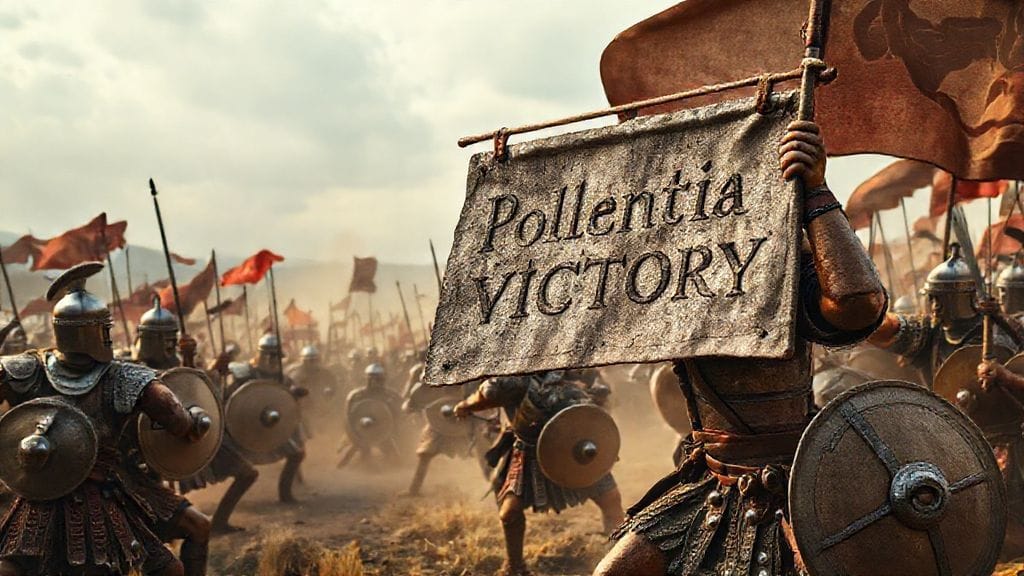
Svatopluk’s reign was punctuated by military campaigns that tested and affirmed his kingdom’s strength. The year 871 saw a critical battle wherein Svatopluk decisively defeated a coalition of Frankish forces, cementing his reputation as a formidable leader and expanding Moravian territory westward.
Yet diplomacy remained key. Svatopluk skillfully negotiated peace treaties and tributes, ensuring the survival of his realm in a volatile geopolitical landscape. This combination of martial vigor and realpolitik was characteristic of his leadership style.
The Internal Struggles: Nobles, Clergy, and the Princely Court
Within the kingdom, tensions simmered between the nobility, increasingly Christianized clergy, and the ruling house. These internal power dynamics revealed the complexities of forging a united Slavic state from tribal confederations.
Svatopluk’s ability to mediate disputes and maintain loyalty was as crucial as battlefield heroics. His court became a crucible for new political traditions—balancing feudal allegiances, religious authority, and emerging legal codes.
The Battle of 871: The Turning Point of Svatopluk’s Reign
The decisive confrontation near the Hungarian plains in 871 had far-reaching consequences. Svatopluk’s victory against King Louis the German’s forces dramatically recalibrated regional power dynamics.
It signaled not just military prowess but the ascendancy of Great Moravia as a regional power, emboldening Svatopluk to expand his domain and implement sweeping reforms. Chroniclers described the battle as a demonstration of Slavic resilience and leadership under Svatopluk.
Great Moravia’s Golden Era: Economic Growth and Trade Networks
Following territorial consolidation, Great Moravia experienced a surge in economic activity. Control of major river routes, fertile lands, and strategic trade hubs fostered growth.
Trade flourished in commodities such as salt, metals, and textiles. Market towns emerged, linking Moravia to larger European trading systems. This prosperity allowed Svatopluk to support his court, fund fortifications, and patronize cultural institutions.
The Architecture of Power: Fortifications and Urban Planning
The physical manifestation of Great Moravia’s power can be seen in its remarkable fortifications and urban settlements. Excavations at Mikulčice reveal a network of ramparts, moats, and imposing halls.
These structures were not solely military but served as administrative centers and symbols of princely authority. Urban planning during this period incorporated both Slavic traditions and influences from Byzantine and Frankish architectural styles.
The Role of Pagan Traditions Amidst Christianization
Despite the spread of Christianity, pagan beliefs and practices persisted, interwoven with new religious customs. This syncretism shaped the spiritual landscape of Great Moravia.
Rituals tied to nature, ancestor worship, and seasonal festivals coexisted uneasily with Christian rites. Svatopluk’s leadership required managing this delicate religious mosaic, often adopting tolerant policies toward traditional customs to maintain social cohesion.
The Collapse of East Francia’s Threat and Moravia’s Rise
As Svatopluk’s power solidified, East Francia’s dominance in the region waned. The gradual withdrawal of Frankish forces created a power vacuum that Moravia skillfully filled.
This decline of external threats allowed Svatopluk to focus inward and assert Great Moravia’s sovereignty. It also opened avenues for negotiations with the papacy and other Christian powers, enhancing the kingdom’s prestige.
The Decline Beginning: Early Signs of Fractures at the End of Svatopluk’s Rule
However, the late 880s brought hints of internal weakness. Succession disputes, noble rivalries, and external pressures began to strain the kingdom’s unity.
Svatopluk’s death around 894 plunged Great Moravia into uncertainty, with disputes over his successor and renewed invasions threatening the fragile consolidation he had achieved.
Legacy and Memory: Great Moravia’s Impact on Central Europe
Despite its relatively brief heyday, Great Moravia’s cultural and political legacy endured. It laid foundational narratives for the later Czech, Slovak, and other Slavic states.
Svatopluk’s reign is remembered as a symbol of unity and cultural flowering, inspiring nationalist movements and scholarly interest centuries later. The kingdom’s role in fostering Slavic literacy and Christianity remains a milestone in European history.
Archaeological Revelations: What Nitra and Mikulčice Tell Us Today
Modern archaeology has unearthed rich artifacts and structures in Nitra and Mikulčice, shedding light on daily life, governance, and spirituality in Great Moravia.
From intricately designed jewelry to remnants of churches and fortifications, these findings provide tangible links to a world once overshadowed by empires but vibrant in culture and resilience.
Conclusion: Svatopluk’s Vision and the Birth of a Slavic Kingdom
Great Moravia's consolidation under Svatopluk was much more than a political achievement—it was the birth of a kingdom that combined tradition and innovation, faith and pragmatism, war and culture. Svatopluk emerges not merely as a ruler but as a unifier whose vision bridged disparate tribes into a common destiny.
His reign encapsulates the pulse of a dynamic epoch where identity, power, and belief were being forged anew, setting the stage for the medieval Slavic world. Though temporal, his legacy continues to echo, reminding us of the enduring human endeavor to build community and culture amidst uncertainty.
FAQs
Q1: What were the main factors that allowed Svatopluk to consolidate Great Moravia?
Svatopluk’s consolidation resulted from a blend of military skill, diplomatic acumen, religious support, and strategic control of key urban centers. His ability to unify fractious nobles and engage with foreign powers shaped a resilient kingdom.
Q2: How significant was the role of Cyril and Methodius in Great Moravia’s history?
Their mission was pivotal. They introduced the Slavonic liturgy and the Glagolitic script, enabling the Slavs to worship and administer in their own language, fostering cultural identity and ecclesiastical autonomy.
Q3: Why were Nitra and Mikulčice important centers during this period?
Nitra was the earliest seat of power, rich in symbolic and traditional significance, while Mikulčice developed as a political and religious capital filled with monumental architecture and administrative functions.
Q4: What challenges did Svatopluk face from neighboring powers?
East Francia and Bulgaria both contested Moravia’s borders and influence. Svatopluk’s reign involved continuous negotiation, alliance-making, and conflict to safeguard his realm.
Q5: How did pagan traditions coexist with Christianity in Great Moravia?
Christianization was gradual and syncretic, with many pagan customs persisting alongside Christian practices. This coexistence was managed through tolerance and integration, allowing social stability.
Q6: What led to the decline of Great Moravia after Svatopluk’s death?
The kingdom faced succession crises, internal noble rivalries, and renewed external invasions from Hungarians and others, which fragmented the fragile unity established under Svatopluk.
Q7: What is the modern legacy of Great Moravia?
Great Moravia’s legacy fuels cultural and national identities in Slovakia, the Czech Republic, and beyond. Its pioneering roles in Slavic literacy and Christianity are milestones celebrated in Central European history.