Table of Contents
- The Rise of John I Tzimiskes: A Leader Forged in Fire
- The Byzantine Empire on the Brink: Context of the 10th Century
- The Eastern Threat: The Abbasid Caliphate and Muslim Syria
- Bulgaria’s Rising Power: The Challenge on the Northern Frontier
- The Battlefields Await: Preparing for War in the 970s
- The Syrian Campaign: From Defense to Conquest
- Siege of Antioch and the Reclamation of Eastern Provinces
- Strategies and Tactics: The Art of Byzantine Warfare under Tzimiskes
- Turning Point at Dorostolon: The Bulgarian Confrontation
- The Diplomacy of War: Alliances and Betrayals
- The Political Intrigue: Power Plays in Constantinople
- The Aftermath in Syria: Consolidating Gains and Governance
- Bulgaria’s Defeat and the End of the First Bulgarian Empire
- Legacy of Victory: How Tzimiskes Changed Byzantine Fortunes
- The Human Cost: Soldiers, Civilians, and the Fog of War
- Byzantine Military Innovations Highlighted by Tzimiskes’ Campaigns
- Influences on Successors: From Basil II to the Komnenians
- Echoes Through History: The 970s Campaigns in the Collective Memory
- Conclusion: Triumph and Transition in the Twilight of Byzantium’s Great Soldiers
- FAQs: Understanding Byzantine Victories under John I Tzimiskes
- External Resource: Further Reading on John I Tzimiskes and 10th Century Byzantium
- Internal Link: Explore More at History Sphere
The Rise of John I Tzimiskes: A Leader Forged in Fire
The sun rose over Constantinople in the early autumn of 969, painting the city’s walls with golden light that belied the turbulence ahead. John I Tzimiskes, newly crowned emperor, stood not in awe of the ancient city’s grandiosity, but with a stern gaze fixed east and north—two fronts where Byzantine fortunes wavered. Born a warrior, educated in the ruthless politics of the empire, and hardened by years on the battlefield, Tzimiskes was a man destined to leave an indelible mark on Byzantine history.
His story was one of survival amid betrayal and ambition. Once a trusted general under Emperor Nikephoros II Phokas, Tzimiskes’ ascension was marked by conspiracy and regicide, shadowed by whispers and bloodshed. Yet behind this darkness lay a calculating mind and a vision: to restore the empire’s lost prestige on its fragile borders. It was a volatile moment when every decision could tip the balance between ruin and resurgence.
The 970s would become his crucible—where a subtle blend of military genius, diplomatic savvy, and iron will forged Byzantine victories in Syria and Bulgaria, territories that had long tested the empire’s resilience.
The Byzantine Empire on the Brink: Context of the 10th Century
In the 10th century, the Byzantine Empire teetered between revival and fragmentation. The centuries-old Eastern Roman Empire had seen glories fade and threats multiply—pressured by the rapid expansion of Muslim powers to the south and restless Bulgarian forces to the north. Constantinople, the empire’s glowing heart, held firm, but the peripheries were battlegrounds of survival.
Economically, Byzantium was still a formidable force, its trade routes connecting East and West. Culturally, it was a beacon of classical traditions, Christian faith, and imperial order. But politically, the empire suffered infighting, court intrigues, and military overextension.
Under the shadow of the magnificent Basil II’s future reign loomed the necessity for stabilization. Yet, in the early 970s, it was John I Tzimiskes who seized the moment. Before him lay a fragmented empire requiring reassertion of power in Syria—a land vital for commerce and strategic depth—and Bulgaria, a relentless thorn challenging Byzantium’s northern border.
The Eastern Threat: The Abbasid Caliphate and Muslim Syria
Syria, a land of ancient civilizations and contested empires, had long been a volatile frontier. By the mid-10th century, much of it lay under Muslim control, fractured into emirates under nominal Abbasid oversight but often independent in practice. The wealthy cities—Antioch, Aleppo, and Damascus—were centers of commerce, culture, and Islamic scholarship.
For Byzantium, reclaiming these territories was not merely a matter of expansion; it was deeply strategic. Keeping the Muslim states fragmented and on the defensive prevented coordinated attacks threatening Anatolia and Constantinople. The empire had already begun campaigns under earlier emperors, but progress was slow and tenuous.
In this charged atmosphere, Tzimiskes inherited the challenge: to exploit internal divisions among Muslim rulers and to use swift, decisive force to secure key cities and fortresses.
Bulgaria’s Rising Power: The Challenge on the Northern Frontier
While Syria simmered in conflict, to the north, another danger loomed: the First Bulgarian Empire. Since the late 9th century, Bulgaria had grown to become a potent rival to Byzantium—expanding southward, fomenting unrest, and fielding armies that threatened the stability of the Balkans.
The Bulgarians, under the rule of tsars like Peter I, maintained a tenuous peace with Byzantium, but by the 970s friction escalated. Border skirmishes gave way to open warfare. Control of key territory, especially around the Danube and the strategically vital city of Dorostolon (modern Silistra), was fiercely contested.
Bulgaria’s alliance with the Kievan Rus’, whose warriors sporadically raided Byzantine lands, further complicated matters. To secure Eastern Europe and the Black Sea, Byzantium’s northern policy needed to be both militarily robust and diplomatically nuanced.
The Battlefields Await: Preparing for War in the 970s
In Constantinople’s Great Palace, the court buzzed with anticipation and anxiety. Tzimiskes mobilized an army drawn from the empire’s elite tagmata regiments, supplemented by mercenary contingents—Varangians, Franks, and Slavs. Logistics were paramount: supplies, horses, siege equipment all needed to be marshaled for the twin campaigns ahead.
These were not wars of attrition but of maneuver, where the ability to strike swiftly, cut supply lines, and exploit enemy weaknesses would determine the outcome. The emperor’s strategy combined siegecraft, cavalry charges, and psychological warfare—intended to shock foes and reclaim lost honor.
The Syrian Campaign: From Defense to Conquest
The first phase of Tzimiskes’ military endeavors took him south into Muslim lands. The Byzantine forces advanced into Syria in 971, beginning with key victories that caught opponents off guard. The defeat of Aleppo’s forces and the subsequent capture of northern Syrian cities marked an impressive reversal from recent decades of slow erosion.
The capture of Antioch in 972 was emblematic—a city that had changed hands multiple times and represented the empire’s historical claims dating back to the early centuries of Christianity.
It was not merely military might but skillful negotiation and exploitation of internal Muslim rivalries that secured these gains. Tzimiskes understood that war was as much about politics as it was about swords.
Siege of Antioch and the Reclamation of Eastern Provinces
The Siege of Antioch, a defining moment, demonstrated Byzantine military engineering and patience. The city’s walls, once thought impregnable, found themselves under relentless assault and cut off from reinforcements.
Days blended into weeks as Byzantine engineers repaired siege engines, miners tunneled beneath fortifications, and troops maintained their vigil. Stories from the chroniclers describe a city under duress—population suffering from hunger and disease. Yet, the fall of Antioch restored a critical bulwark, reopening trade routes and securing the frontier.
Strategies and Tactics: The Art of Byzantine Warfare under Tzimiskes
Tzimiskes’ campaigns revealed a deep understanding of strategy that echoed the great military treatises of Byzantine tradition—favoring combined arms, disciplined infantry formations, and feigned retreats.
His use of heavy cavalry, exploiting mobility and shock tactics, was ahead of contemporaries. Communication via signal fires, coordination of siege engineers, and ability to adapt to terrain and enemy disposition made the Byzantine army formidable during this era.
Such tactical brilliance allowed rapid advances with significantly fewer losses than expected, preserving manpower for ongoing operations in Bulgaria.
Turning Point at Dorostolon: The Bulgarian Confrontation
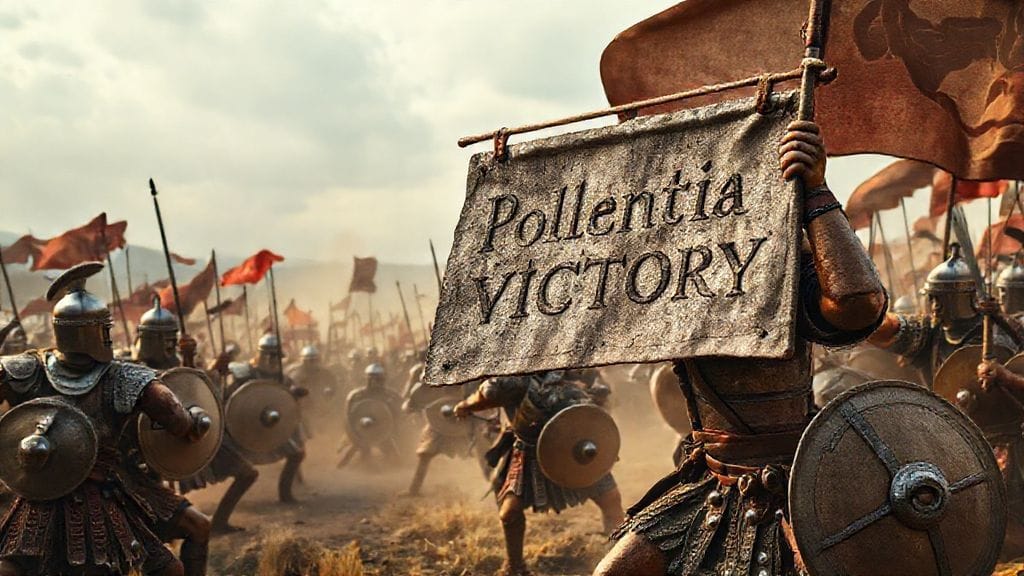
While victories in Syria piled up, the true test awaited in the north. The siege of Dorostolon in 971 became a brutal and protracted struggle against the Bulgarian forces supplemented by Kievan Rus’ warriors under prince Sviatoslav.
The city, a critical fortress on the Danube, was heavily fortified and garrisoned. Months of siege drained resources and morale. Yet, Tzimiskes’ patience and ability to maintain supply lines ultimately wore down defenders.
The fall of Dorostolon shattered the Bulgarian-Kievan alliance’s grip on the Balkans and opened the way for Byzantine dominance—a strategic coup that resounded throughout Europe.
The Diplomacy of War: Alliances and Betrayals
None of these victories unfolded in isolation. Byzantine diplomacy was as intricate as its battlefield maneuvers. Tzimiskes deftly negotiated with neighboring rulers, tribes, and even former foes to isolate enemies and secure safe passage.
At times, he exploited betrayals within Muslim emirates or dissent among Bulgarian nobles to fracture alliances. The emperor’s court also had to manage relations with the powerful Christian Church, whose legitimacy lent weight to his conquests.
Diplomatic correspondence and envoys played their roles in shaping political landscapes as much as armies did.
The Political Intrigue: Power Plays in Constantinople
Back in the imperial city, Tzimiskes’ reign was shadowed by the controversial means through which he rose to power—the assassination of his predecessor and uncle, Nikephoros II.
The emperor carefully balanced his military campaigns with ensuring noble loyalty and curbing conspiracies. His successes abroad strengthened his position but also inflamed rival factions at court, wary of his growing influence.
Historians suggest that this delicate dance of power was crucial in allowing him to sustain prolonged campaigns without internal collapse.
The Aftermath in Syria: Consolidating Gains and Governance
Winning battles was only the beginning. Byzantium faced the challenge of integrating reclaimed Syrian territories, often culturally and religiously distinct from imperial heartlands.
Tzimiskes established a network of fortified cities, installed loyal governors, and promoted religious tolerance—a pragmatic approach that allowed for rebuilding and economic revival. Trade flourished anew, linking Mediterranean merchants with overland routes to the east.
This period laid the groundwork for regional stability lasting decades, with Byzantine influence extending well into the Levant.
Bulgaria’s Defeat and the End of the First Bulgarian Empire
The fall of Bulgarian resistance following Dorostolon marked a decisive turn. The empire fractured under military pressure and internal divisions. By the century’s end, the First Bulgarian Empire was effectively subjugated, its rulers becoming Byzantine vassals or imprisoned.
This victory expanded Byzantine control across the Balkans, ensuring a more defensible northern frontier and opening routes into Central Europe.
It was a military and political triumph that would shape regional dynamics for generations.
Legacy of Victory: How Tzimiskes Changed Byzantine Fortunes
John I Tzimiskes’ achievements revitalized an empire at the edge of decline. His campaigns demonstrated that decisive leadership combined with tactical ingenuity could reverse fortunes.
Though his reign was brief, the victories of the 970s laid the foundation for the empire’s golden age under Basil II, the “Bulgar Slayer.” Tzimiskes showed the world that Byzantium could still rival contemporary powers in warfare and governance.
The Human Cost: Soldiers, Civilians, and the Fog of War
Such grand military narratives often obscure the individual tragedies behind them. Siege warfare brought starvation and displacement; prolonged conflicts shattered families and livelihoods.
Chroniclers recount harrowing scenes—innocents caught in crossfires, soldiers succumbing not just to war wounds but disease and exhaustion. The scars of Tzimiskes’ victories were as much human as territorial.
Remembering these costs tempers our admiration with sobering reflection on the price of empire.
Byzantine Military Innovations Highlighted by Tzimiskes’ Campaigns
Tzimiskes’ successes were underpinned by technological and tactical advances. The use of Greek fire, improved siege engines like torsion catapults, and refined infantry formations contributed to battlefield dominance.
His adaptation to varied terrains—from the deserts of Syria to the forested Balkans—showcased the flexibility of Byzantine military doctrine.
These innovations influenced European warfare well beyond the empire’s borders.
Influences on Successors: From Basil II to the Komnenians
The campaigns of the 970s set templates for future emperors. Basil II, in particular, modeled his famous Bulgarian campaigns on Tzimiskes’ methods—combining force with diplomacy and psychological warfare.
Later Komnenian rulers also looked back to this era as a high watermark of Byzantine military prowess and imperial ambition, drawing lessons from Tzimiskes’ balanced use of power.
Echoes Through History: The 970s Campaigns in the Collective Memory
Though overshadowed by later historical events, the triumphs of John I Tzimiskes resonate in Eastern European and Near Eastern histories. Bulgarian chronicles mourn the loss of independence; Arab historians record the resilience and decline of their own emirates.
The campaigns illustrate the shifting tides of medieval power and the complex mosaic of identities, loyalties, and conflicts that shaped the medieval world.
Conclusion: Triumph and Transition in the Twilight of Byzantium’s Great Soldiers
In the annals of Byzantine history, the 970s emerge as a remarkable chapter of resurgence under a emperor both revered and controversial. John I Tzimiskes seized fractured empires and volatile frontiers with a rare blend of martial skill and political acuity, breathing new life into Constantinople’s battered dominions.
Yet his story is also a reminder of the fragile nature of power—the fleeting brilliance of military victory set against the undercurrents of betrayal, human cost, and the relentless march of history. As the empire’s banners rose over Syrian plains and Bulgarian hills, they symbolized not just conquest but the enduring human desire to reclaim, rebuild, and transcend chaos.
FAQs: Understanding Byzantine Victories under John I Tzimiskes
Q1: What key factors enabled John I Tzimiskes to succeed militarily in the 970s?
His combination of strategic acumen, effective use of intelligence, tactical flexibility, and political savvy enabled him to exploit enemy weaknesses and maintain supply lines across diverse terrains.
Q2: How did the Syrian campaigns impact the balance of power in the Near East?
They weakened Muslim emirates, restored Byzantine influence over vital trade routes, and shifted regional dynamics by integrating important cities such as Antioch.
Q3: Why was the siege of Dorostolon significant for Byzantine-Bulgarian relations?
It marked the collapse of the Bulgarian resistance and diminished the power of their Kievan Rus’ allies, facilitating Byzantine dominance over the Balkans.
Q4: What role did diplomacy play in Tzimiskes’ military successes?
Diplomacy was essential in isolating enemies, fostering alliances, and preventing unified opposition, often involving manipulation of internal factions and localized betrayals.
Q5: How are John I Tzimiskes’ campaigns remembered in modern historical narratives?
They are seen as a critical turning point that revitalized Byzantine fortunes and set precedents for military and political strategies in Eastern Europe and the Near East.
Q6: What was the human impact of the wars under Tzimiskes?
Beyond battlefield losses, sieges caused civilian suffering, displacement, and economic disruption—highlighting the war’s profound social consequences.
Q7: Did these victories secure long-term peace for Byzantium?
While they brought temporary stability and expansion, the empire faced ongoing challenges, requiring successive rulers to manage the delicate balance of power.
Q8: How did Tzimiskes’ reign influence his successor, Basil II?
Tzimiskes established military and administrative frameworks that Basil II expanded upon, particularly in conquering Bulgaria and consolidating imperial power.