Table of Contents
- The Dawn of a New Quest: The Princes’ Crusade and the Threshold of Byzantium
- Constantinople in Turmoil: A City on the Eve of Transformation
- The Gathering Storm: Forces and Figures of the Crusade Assemble
- Crossing the Bosporus: An Epic Passage into the Unknown
- The Byzantine Nexus: Alliances and Tensions with the Crusaders
- Nicaea Beckons: The First Destination Beyond Constantinople
- Siege Warfare and Strategy: The Siege of Nicaea Unfolds
- Orders from Above: Emperor Alexios I’s Aim and Calculated Diplomacy
- Crusader Rivalries and Brotherhood: Unity in the Shadow of Ambition
- The Role of the Seljuk Turks: Defenders of Nicaea and Anatolia
- Nightfall and Betrayals: The Secret Negotiations Behind the Siege
- The Fall of Nicaea: A Turning Point in the First Crusade
- Echoes Through the Crusader Camps: Morale and Mythmaking
- Shaping the Future: Political and Religious Stakes of the Campaign
- Beyond Nicaea: The Journey Deeper Into Asia Minor and Its Perils
- The Legacy of the Bosporus Crossing: Symbolism and Consequences
- Contemporary Chronicles: Eyewitness Accounts and Historical Records
- The Crusaders’ Effect on Byzantium: Long-Term Impacts
- Lessons from the 1097 Crossing: War, Faith, and Cross-Cultural Encounters
- Conclusion: The Princes’ Crusade at the Bosporus—A Prelude to Destiny
- FAQs: Illuminating the Princes’ Crusade and Its Historic Impact
- External Resources
- Internal Link
1. The Dawn of a New Quest: The Princes’ Crusade and the Threshold of Byzantium
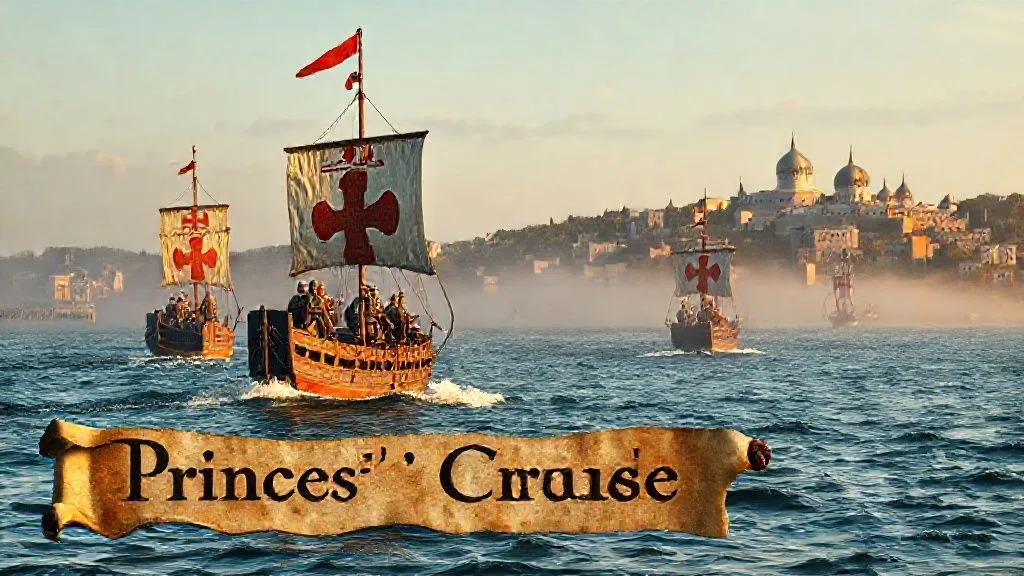
May 1097. A vast armada of knights, foot soldiers, and pilgrims gathered on the shimmering shores of the Bosporus Strait, that slender watery divide between Europe and Asia at the edge of the ancient city of Constantinople. Morning mists clung to the water, diffusing the first rays of sunlight amidst the murmur of horses and whispered prayers. It was here, at this singular moment, that the princely leaders of the First Crusade paused before stepping into the unknown—ready to challenge empires, confront faith, and carve their destiny amid the turmoil of the medieval world.
The sight was both inspiring and chaotic: banners fluttering, armor clanking, multitudes of nationalities converging with different languages, hopes, and fears. The Princes—Godfrey of Bouillon, Bohemond of Taranto, Raymond IV of Toulouse, and others—readied themselves to cross from Christian Europe into Asia Minor. This crossing was more than a simple geographical maneuver; it was a threshold into a profound, historic epic whose consequences would echo for centuries.
2. Constantinople in Turmoil: A City on the Eve of Transformation
Constantinople, the heart and jewel of the Byzantine Empire, was an ancient city draped in millennia of glory yet crumbling under the weight of internal strife and external threats. Emperor Alexios I Komnenos, a shrewd and pragmatic ruler, understood both the promise and peril of this crusader host amassing before his gates. For Byzantium, the arrival of Western knights was as much an opportunity as a risk: while their martial zeal could help wrest lost territories from the Seljuk Turks, their unpredictable ambition could ignite chaos within.
The city itself bore scars of recent conflicts, from the defeat at Manzikert decades earlier to ongoing struggles against the Turks in Anatolia. The Byzantines’ grip on Asia Minor had weakened, making the crusaders’ arrival a potential lifeline—or a Trojan horse. Amid Constantinople’s labyrinthine streets and towering walls, the tension between hope and dread hummed palpably as the princes prepared to cross the Bosporus, their massive host swelling beyond all precedent.
3. The Gathering Storm: Forces and Figures of the Crusade Assemble
The group called the “Princes’ Crusade” was diverse and complex: a patchwork of feudal lords, knights, and pilgrims united by the call to liberate Jerusalem but separated by language, culture, and ambition. Godfrey of Bouillon, tall and austere, carried an aura of noble piety; Bohemond, ever calculating and shrewd, saw political opportunity; Raymond of Toulouse embodied religious zeal and stubborn resolve. Alongside these towering personalities pressed thousands of lesser-known soldiers: common men seeking salvation or spoils, monks offering prayers, and nobles concerned with honor and legacy.
Each lord brought distinct troops, horses, and equipment, often hesitant to fully trust their neighbors. The multitude stretched from Western Europe—France, Germany, Italy—to beyond, all united by Pope Urban II's impassioned preaching at Clermont in 1095. The dream of reclaiming the Holy Land surged through the veins of this crusading host even as rivalries posed imminent risks. This melting pot was about to set foot on Asia’s doorstep, where their resolve would be tested brutally.
4. Crossing the Bosporus: An Epic Passage into the Unknown
The moment the Princes’ Crusade crossed the Bosporus was an act heavy with symbolism and risk. Crossing was not only logistical—ferrying tens of thousands across a strait dividing two continents—but political, as these forces entered Byzantine territory, a precariously balanced civilization still grappling with external threats and internal instability.
The fleets of Byzantine ships, arranged with precision, helped transport horses and men, while soldiers disembarked with caution. It was a physical step into foreign soil, but also a cultural migration into a complex alliance. As the last rays of daylight faded and banners rose anew on Asian soil, the knights and men-at-arms knew their long journey was only beginning. The ancient hills of Anatolia loomed ahead, filled with hostile Seljuk forces and unforgiving terrain.
5. The Byzantine Nexus: Alliances and Tensions with the Crusaders
Despite shared Christian faith, Byzantines and Western crusaders eyed one another suspiciously from the start. Emperor Alexios I sought to control the crusaders’ ambitions by demanding oaths of loyalty and promises that any reclaimed lands would return to Byzantine sovereignty. For the princes, pledging allegiance was a bitter pill, tempered by necessity—crossing the Bosporus meant placing themselves under Byzantine authority, at least nominally.
Throughout these early days, the fragile alliance teetered between cooperation and conflict. Byzantine generals provided intelligence and logistical support, but cultural misunderstandings festered. Crusader leaders often criticized Byzantine caution as weakness, while Constantinople feared losing face or territory. This delicate dance foreshadowed future schisms and betrayals that would reshape the crusading enterprise.
6. Nicaea Beckons: The First Destination Beyond Constantinople
Once ashore, the crusaders swiftly set their sights on Nicaea, a major Seljuk stronghold located near the western shore of Lake Askania. Nicaea was far more than military objective; it was strategically vital—serving as a gateway into Asia Minor and a symbol of Byzantine loss.
The city was well-fortified, boasting massive walls and a garrison determined to resist. Yet its fall could restore Byzantine influence and secure a base for further campaigns into the heart of Anatolia. The prospect galvanized the crusading armies, endeavoring to transform their individual ambitions into a united front for this first true test.
7. Siege Warfare and Strategy: The Siege of Nicaea Unfolds
Sieging Nicaea was a complex, grueling affair mixing medieval tactics with emerging warfare innovations. The crusaders lacked sufficient siege engines at first, relying heavily on horses and infantry to encircle and exhaust the defenders. They combined Byzantine siege engineers’ expertise with Western military prowess; catapults hurled stones, archers peppered the ramparts, and miners sought to undermine walls.
Nights were fraught with peril, as both sides conducted sorties and raids while disease and exhaustion claimed their toll. Commanders debated relentlessly over strategies, balancing speed with caution. The siege tested commanders’ resolve and revealed fissures within the crusader leadership—yet their shared purpose held firm as days turned into weeks.
8. Orders from Above: Emperor Alexios I’s Aim and Calculated Diplomacy
Behind the scenes, Emperor Alexios I wove a diplomatic web to protect Byzantine interests. His paramount concern was reclaiming Nicaea without giving Western knights license to establish independent states. As such, he negotiated secret arrangements with the Seljuks and plotted with his generals.
Notably, Alexios coordinated a clandestine agreement facilitating the eventual surrender of Nicaea to Byzantine forces rather than crusaders. This act would secure imperial control, prevent looting, and assert Byzantium’s primacy. The crusaders, initially unaware, later felt slighted—but Alexios’s pragmatic maneuver shaped the outcome decisively.
9. Crusader Rivalries and Brotherhood: Unity in the Shadow of Ambition
Within the camp, the princes struggled to balance personal ambition with collective needs. Bohemond, with his eye on creating a principality in the East, chafed against Byzantine oversight. Raymond, driven by faith and regional power, was wary of excessive Byzantine influence. Godfrey aimed for spiritual leadership and unity.
Yet, despite disputes, a rare camaraderie blossomed amid shared hardships—poignant moments of prayer around campfires, spontaneous acts of kindness, and joint planning sessions forged fragile bonds. The siege pressured competitors to cooperate, if only for survival, creating a paradox of strained unity in a multinational army.
10. The Role of the Seljuk Turks: Defenders of Nicaea and Anatolia
Seljuk forces in Nicaea represented an impressive, if beleaguered, resistance. They had held sway over large swaths of Anatolia since the Battle of Manzikert, embedding their culture and power. Yet the crusade challenged this dominance with an unexpected ferocity.
The Seljuk garrison was led by commanders skilled in desert warfare and rapid raids, employing archery and hit-and-run tactics to frustrate the crusaders. They fortified the city relentlessly, hoping to withstand the siege and crush the invading host. For them, Nicaea was not just a city but the last bastion of Seljuk influence in the region.
11. Nightfall and Betrayals: The Secret Negotiations Behind the Siege
Hidden from the clamorous battle lines, subtle betrayals shaped the siege’s outcome. Byzantine agents negotiated secret pacts with the Seljuks inside Nicaea, offering safe passage in exchange for surrendering the city to imperial forces. This duplicitous arrangement ultimately deceived the crusaders, who expected to claim the spoils.
This moment revealed the often shadowy diplomacy underlying medieval warfare, where faith and honor frequently bowed to realpolitik. For the crusaders, feeling betrayed yet powerless to change course, it was a lesson in the complexity of alliances on foreign soil.
12. The Fall of Nicaea: A Turning Point in the First Crusade
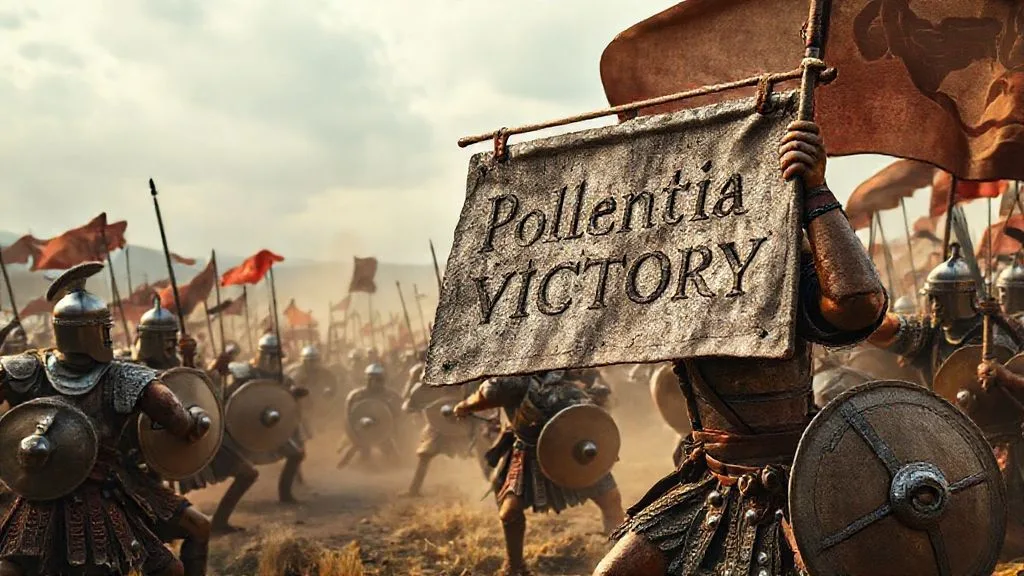
In June 1097, after weeks of siege, Nicaea surrendered—not to the crusader armies but to the Byzantines, who marched in to reclaim the city. The swift Byzantine takeover strangely preserved the city’s integrity and shielded it from destructive looting, adding a bittersweet clarity to the victory.
This moment marked a significant campaign victory and strategic foothold in Asia Minor, reshaping the crusaders’ trajectory. However, many crusaders felt cheated out of glory, sapping some morale. Nonetheless, Nicaea’s fall heralded the crusade’s advance deeper into Turkish-controlled lands and toward Jerusalem itself.
13. Echoes Through the Crusader Camps: Morale and Mythmaking
News of Nicaea’s fall traveled swiftly through the camps, fueling campfire tales and inspirational sermons. Chroniclers like Fulcher of Chartres described the siege’s hardships and triumphs in vivid prose, weaving the event into the growing legendary fabric of the crusade.
Yet behind the stories lay exhaustion, sacrifice, and loss. Many soldiers faced death or injury, supplies ran thin, and disagreements simmered. Still, the victory reinforced belief in divine favor, strengthening resolve to pursue the holy mission despite daunting odds.
14. Shaping the Future: Political and Religious Stakes of the Campaign
The capture of Nicaea had ripples beyond the battlefield. Politically, it tightened the Byzantine Empire’s tenuous hold on Asia Minor and set a precedent for relations between crusaders and Byzantines. Religiously, it emboldened the crusade’s narrative as a holy mission sanctioned by God.
The events around the Bosporus crossing and the siege reflected larger medieval tensions: between East and West Christianity, the clash of cultures, and the endless contest for land and spiritual hegemony. Nicaea became a symbol of what was at stake—not merely territory but the direction of Christendom itself.
15. Beyond Nicaea: The Journey Deeper Into Asia Minor and Its Perils
After the fall of Nicaea, the crusading armies pushed onward, deeper into the rugged, hostile landscape of Anatolia. Each step revealed new challenges—hostile terrain, supply shortages, and continuous Turkish guerrilla attacks that drained their strength.
The crossing of the Bosporus had been the first hurdle; now treacherous marches through unfamiliar lands awaited. Yet the crusaders pressed on, motivated by faith, hope, and the promise of redemption. The campaign was far from over, and the land ahead held both peril and destiny.
16. The Legacy of the Bosporus Crossing: Symbolism and Consequences
The crossing itself remains a poignant symbol: the moment European Christendom first spilled decisively into Asia, setting in motion centuries of entanglements between West and East. It showcased medieval power dynamics, religious fervor, and human ambition, with all their contradictions.
This crossing’s legacy is complex—at once a testament to courage and a prelude to costly conflicts that shaped the medieval world. For Byzantium, it illustrated dependence on the West and foreshadowed future ruptures. For the crusaders, a step toward both glory and tragedy.
17. Contemporary Chronicles: Eyewitness Accounts and Historical Records
The siege and crossing were documented extensively by chroniclers such as Anna Komnene in her Alexiad, and Western writers like Fulcher of Chartres and Raymond of Aguilers. These sources offer invaluable glimpses into the event’s texture—detailing troop movements, personal experiences, and political intrigues.
Their narratives blend eyewitness testimony, reverence, and propaganda, reminding us that history is both crafted and lived. These chronicles shaped medieval memory and still inform modern understanding of the First Crusade’s critical phase.
18. The Crusaders’ Effect on Byzantium: Long-Term Impacts
While initially cooperative, the relations forged at the Bosporus crossing eventually frayed, culminating in deep mistrust and bitter conflict such as the Fourth Crusade’s sack of Constantinople in 1204. The 1097 crossing was the start of tangled legacies—where alliance, exploitation, and misunderstanding interwove Byzantine and Western destinies.
Politically weakened, Byzantium faced increasing pressure as crusaders carved out territories, challenging imperial authority. Culturally, the encounter prompted exchanges but also entrenched divisions that shaped East-West relations for centuries.
19. Lessons from the 1097 Crossing: War, Faith, and Cross-Cultural Encounters
The crossing revealed the dual nature of crusading: a blend of spiritual idealism and harsh political realism. It underscored how faith inspired immense sacrifice but could not erase competing interests or cultural misunderstandings.
Moreover, it showed that medieval warfare was a complex dance—siegecraft, diplomacy, and treachery intertwined. The event prompts reflection on how moments of encounter can birth both cooperation and conflict, a lesson echoing far beyond the Middle Ages.
20. Conclusion: The Princes’ Crusade at the Bosporus—A Prelude to Destiny
The crossing of the Bosporus in May 1097 stands as a defining moment in medieval history—a fulcrum on which the fate of empires, faiths, and peoples turned. Watching the princes and their armies traverse from Europe into Asia Minor is to witness the dawn of a vast saga of ambition, heroism, betrayal, and faith.
It was a gateway not just in geography, but in time and spirit; a place where medieval Europe stepped beyond itself, encountering ancient worlds and setting in motion events that would shape the contours of history for generations. The siege and fall of Nicaea announced the crusade’s momentum, heralding a turbulent age where worlds clashed and mingled, scarred—and sometimes transformed—by the crossing of a single strait.
FAQs
Q1: Why was crossing the Bosporus so significant for the Princes’ Crusade?
A1: The Bosporus crossing symbolized the critical passage from Christian Europe into Muslim-controlled Asia Minor. It was a logistical and political milestone that allowed crusaders to advance into enemy territory while entering Byzantine lands, highlighting the alliance and tensions between Western knights and the Byzantine Empire.
Q2: How did Emperor Alexios I Komnenos view the arrival of the crusaders?
A2: Alexios saw the crusaders as a potential tool to reclaim lost Anatolian territories but remained wary of their ambitions. He sought to control them through oaths and diplomacy to protect Byzantine interests, exemplified by his secret negotiations during the Siege of Nicaea.
Q3: Who were the main leaders of the Princes’ Crusade at this stage?
A3: Key figures included Godfrey of Bouillon, known for his piety; Bohemond of Taranto, a shrewd opportunist; Raymond IV of Toulouse, passionate in his religious zeal; among others. Their personalities and goals shaped the campaign’s complex dynamics.
Q4: What role did the Seljuk Turks play during the crossing and siege?
A4: The Seljuks were defenders of Asian Minor, including Nicaea. They resisted the siege fiercely, using their knowledge of the terrain and military tactics to challenge the crusaders, representing the dominant Muslim power in the region at the time.
Q5: How did the siege of Nicaea end and why was it controversial?
A5: The city surrendered to Byzantine forces through secret agreements rather than to the crusader armies, sparking feelings of betrayal among the crusaders. Byzantium’s control preserved the city from destruction but complicated crusader-Byzantine relations.
Q6: What were the long-term effects of the Bosporus crossing on Byzantine-Western relations?
A6: Initially cooperative, relations deteriorated over time due to mistrust and conflicting ambitions, eventually leading to events like the Fourth Crusade’s sack of Constantinople. The crossing marked the beginning of complex, often fraught ties between East and West.
Q7: How do contemporary chronicles portray the crossing and siege?
A7: Chronicles such as Anna Komnene’s Alexiad and Fulcher of Chartres’ accounts offer rich, though sometimes biased, descriptions blending detailed military reporting with moral and religious interpretation, shaping the historical narrative of the crusade.
Q8: What lessons does the Bosporus crossing offer for understanding medieval conflicts?
A8: It illustrates the interplay between faith and politics, the fragile nature of alliances, and the multifaceted character of medieval warfare. It also highlights the challenges of cultural encounters and the unpredictable consequences of grand historical endeavors.