Table of Contents
- The Final Chapter of a Century-Long Conflict
- The Dawn of July 17, 1453: Castillon Awakens
- The Hundred Years’ War: Roots and Rivalries
- Castillon’s Strategic Significance in Gascony
- Edward the Prince of Wales: The Last English Hope
- French Ambitions and the Rise of Jean Bureau
- The Artillery Revolution and Its Role at Castillon
- The English Camp: Preparations and Morale
- The French Camp: Strategy and Resolve
- The Battle Unfolds: Fire, Fury, and Foot Soldiers
- The Death of the Prince of Wales: Turning the Tide
- The Collapse of English Forces and the Aftermath
- The End of English Rule in Gascony
- The Political Atmosphere in France after Castillon
- Castillon’s Role in Shaping Modern European Borders
- Cultural Reflections: Chronicles and Ballads of the Battle
- The Legacy of the Hundred Years’ War in Collective Memory
- Military Innovation: The Dawn of Gunpowder Warfare
- Human Costs: Lives Lost and Families Torn Apart
- The Treaty of Castillon: Steps toward Peace and Reconstruction
- France’s National Identity: Emerging From the Ashes
- England’s Response: From Defeat to the Wars of the Roses
- Reflections from Contemporary Chroniclers and Historians
- Castillon Today: Remembering a Watershed Moment
- Conclusion: The Battle That Ended an Era, Beginning Another
The summer sun had barely risen over the peaceful fields of southwestern France when the sounds of war erupted suddenly, shattering the dawn silence. Smoke curled into the sky, mingling with the cries of thousands of men clashing steel and cannon fire. It was July 17, 1453—the day the Battle of Castillon unfolded, an engagement that would forever close one of the most turbulent chapters in medieval European history: the Hundred Years’ War.
This was no ordinary battle; it was the bloody final at the end of 116 years marked by shifting alliances, brutal sieges, dynastic claims, and the slow but relentless dawn of modern warfare. Here, near the town of Castillon-la-Bataille in Gascony, the ambitions of two mighty kingdoms—the Kingdom of England and the Kingdom of France—would collide one last time. The outcome would not only decide the fate of Gascony, but also herald the waning of English medieval continental ambitions and the rise of a unified French monarchy.
For over a century, the House of Plantagenet and the Valois dynasty had battled intermittently for the French crown and control of contested territories. The Hundred Years’ War was as much about national identity as property rights, about evolving political power as medieval honor codes. But by the mid-15th century, the tides were turning unmistakably in favor of the French, who had invested heavily in new technologies, including gunpowder artillery, and carefully rebuilt their armies.
The small, strategic town of Castillon sat quietly on the Dordogne River, a vital artery in southwest France, which for decades had been a contested prize between English kings and French monarchs. The English still clung stubbornly to portions of Gascony, but the French, under King Charles VII and with notable lieutenants such as Jean Bureau, were preparing to deliver a decisive blow.
Opposing them was Edward, Prince of Wales—popularly known as the “Black Prince”—the last English hope to reclaim lost prestige and territory. His resolve was fierce but would soon meet the brutal reality of changing times and tactics.
The roots of the Hundred Years’ War stretch back to complex claims tied to the French throne and feudal laws. The English monarchs, descending from the French royal house through Edward III’s mother, claimed the right to rule France itself. But the French, led by the Valois dynasty, rejected this, igniting decades of conflict.
Over the decades, the war’s nature evolved—from chivalric bouts and knightly duels to broader national contests involving peasantry and mercenary armies. Alliances shifted frequently; battles like Crécy and Poitiers saw English longbows decimate French knights, while the rise of Joan of Arc and French revival campaigns reversed fortunes.
Gascony was particularly contested, as the rich wine-producing region granted not only economic wealth but also military advantage controlling access routes and supply lines.
Castillon’s importance soared as it lay near critical crossing points and acted as a gateway between English-held territories and the French interior. The English had fortified the region to hold their last foothold, but by 1453, the French had encircled Castillon with a formidable force.
Jean Bureau, an artillery specialist and master of logistics, transformed French siege warfare by organizing batteries of cannons that could demolish walls from a distance. This marked a profound shift from the siege engines of old, ushering gunpowder into a decisive role.
The English camp, under Edward, was braced for a confrontation that could alter the war’s balance. Morale was high but brittle, with the memory of past victories haunted by the growing weight of French advancements.
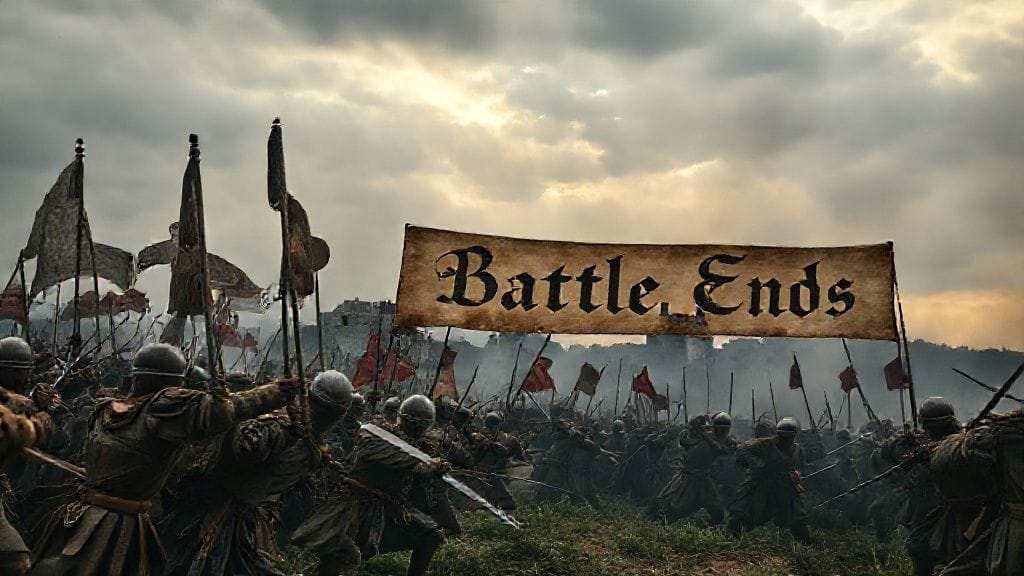
In the early hours of July 17, French cannons roared, tearing breaches into English defenses. The battle that ensued was immense and chaotic—bullets whistled, arrows flew, and swords clanged amidst explosions. The French advanced systematically, combining infantry and artillery in ways rarely seen before.
Tragically for the English, Edward was struck and killed in the thick of combat, his death symbolizing both a military and psychological blow. The prince’s fall sent ripples through the English lines, amplifying fear and confusion.
As the day wore on, English forces crumbled under overwhelming artillery barrages and encirclement. Retreat turned disorderly, and the French secured a decisive victory.
The repercussions were immediate and far-reaching. With the loss at Castillon, English control over Gascony dissolved completely. By the end of 1453, the Hundred Years’ War was effectively over, ending a period marked by intermittent devastation, fluctuating fortunes, and shifting monarchies.
Politically, Castillon’s victory strengthened the French crown, paving the way for centralized governance and a budding sense of nationalism. Economically, the region began recovery and reintegration under French rule, while the English turned inward, beset by their own dynastic struggles, triggering the Wars of the Roses.
The battle also signaled a military evolution, highlighting artillery’s emerging dominance and foreshadowing the obsolescence of traditional cavalry charges.
Casting our gaze back, it is impossible not to sense the human cost beneath the grand strategies and heraldic banners. Thousands of men—knights, archers, artillerymen, peasants—fought and died amid smoke and ruin. Families faced the loss of sons and husbands, while towns like Castillon absorbed the scars of conflict. Chroniclers of the time captured vivid images of despair and valor, embedding Castillon in France’s collective memory as a symbol of final triumph and tragedy.
As the dust settled and political borders redefined, the Battle of Castillon stood as a watershed moment—signaling the end of medieval, feudal warfare and the rise of early modern statecraft. It was the closing act of a war that shaped Europe’s fate, identity, and future, leaving an indelible imprint on history.
Conclusion
In the roaring cannon fire and the falling banners of July 17, 1453, the Battle of Castillon marked the inevitable end of a war that had scarred generations. It was more than a clash of armies—it was a turning point in European civilization. As France emerged victorious, it not only reclaimed lost lands but also laid the foundations for a modern nation-state imbued with a sense of identity forged in fire.
Yet the legacy of Castillon and the Hundred Years’ War is profoundly human. Behind every cannonball and sword stroke lay lives forever changed: sons lost, futures altered, hopes shattered or renewed. That blend of strategic innovation, brute force, and poignant human drama renders Castillon not just a military encounter but a timeless testament to history’s relentless march towards change.
FAQs
Q1: What was the primary cause of the Hundred Years’ War?
The war originated from complex feudal claims to the French throne by the English kings, particularly Edward III, who asserted his right through his mother’s lineage, triggering territorial and dynastic conflicts.
Q2: Why was Castillon so significant in the final phase of the war?
Castillon was strategically located in Gascony, a vital English-held region. Its capture by the French closed the last major English stronghold in mainland France, effectively ending English continental ambitions.
Q3: How did artillery influence the outcome of the Battle of Castillon?
Under Jean Bureau’s command, French forces utilized large, coordinated batteries of cannons to devastating effect, breaching fortifications and disorienting English troops, marking one of the earliest decisive uses of gunpowder artillery in European warfare.
Q4: Who was the Prince of Wales, and what happened to him at Castillon?
Edward, Prince of Wales, was the heir apparent to the English throne and the commander of English forces at Castillon. He was killed in battle, a loss that severely demoralized English troops and hastened their defeat.
Q5: What were the immediate political consequences after the battle?
France consolidated its control over Gascony and reaffirmed the Valois monarchy’s authority, ending English rule in France. England faced internal turmoil leading to the Wars of the Roses.
Q6: How is the Battle of Castillon remembered in French history?
It is commemorated as the decisive French victory that ended a protracted conflict and marked the birth of a modern French nation-state, symbolizing resilience and unity.
Q7: Did the battle affect the future of military technology?
Yes, it showcased the growing importance and effectiveness of artillery, signaling a shift from medieval knightly warfare to early modern forms dominated by gunpowder weapons.
Q8: Where can I learn more about the Hundred Years’ War and the Battle of Castillon?
A comprehensive overview is available on Wikipedia’s page on the Battle of Castillon.

