Table of Contents
- The Last Sunset of the Bosnian Kingdom
- A Kingdom on the Brink: Bosnia before the Ottoman Storm
- The Ottoman Empire’s Ambitions in the Balkans
- Jajce: The Fortress That Knew No Mercy
- Sarajevo’s Silent Watch: From Fortress to Fateful Siege
- The Slow Creep of Ottoman Influence
- The Religious and Political Turmoil Within Bosnia
- The Battle Lines Drawn: Local Allies and Enemies
- The Siege of Jajce: A Clash of Steel and Will
- Sarajevo Falls: The Heart of the Kingdom Succumbs
- The Last King of Bosnia: Stjepan Tomašević’s Final Stand
- The Role of Hungary and the Wider European Response
- The Ottoman Military Strategy: Masters of Siege and Diplomacy
- The End of an Era: Bosnia’s Kingdom Dissolves
- The Immediate Aftermath: Reordering a Balkan Frontier
- Transformations under Ottoman Rule: Society, Religion, and Culture
- The Legacy of 1463 in Bosnian National Memory
- How the Fall Shaped Balkan Geopolitics for Centuries
- Echoes in Literature and Art: Remembering the Last Kingdom
- Conclusion: Bosnia’s Fall—A Turning Point Between Worlds
- FAQs: The Fall of Bosnia to the Ottomans
- External Resource
- Internal Link
1. The Last Sunset of the Bosnian Kingdom
As the autumn skies over the rugged peaks of the Dinaric Alps slowly blazed with the golden hues of October 1463, an ominous shadow was creeping over the remaining bastions of the Bosnian Kingdom. The air was thick not only with the scent of harvest and woodsmoke but with the palpable tension of an ancient realm’s final days. From the walls of Jajce to the cobbled streets of Sarajevo, whispers of change swept through the valleys—change that would redefine the fate of a people and redraw the map of the Balkans.
This was no mere war of conquest. It was the twilight of a kingdom poised precariously between East and West, Christianity and Islam, medieval feudal legacies and the relentless tide of an empire on the rise. The fall of Bosnia to the Ottomans in 1463 marked not only the end of a dynasty but the birth of a complex cultural and political transformation whose reverberations would echo through centuries.
2. A Kingdom on the Brink: Bosnia before the Ottoman Storm
The Kingdom of Bosnia’s origins were humble yet fiercely independent. Emerging in the 14th century as a patchwork of noble domains, it had long been caught in the crosscurrents of regional powers: the Hungarian Crown to the north, the Venetian Republic to the west, and the Byzantine-influenced Serbian principalities to the east. By the mid-15th century, Bosnia was a land of turbulent loyalties, fractured noble families, and a populace divided among religious beliefs: Catholicism, Orthodoxy, and the indigenous Bosnian Church.
Politically, the kingdom was fragile. King Stjepan Tomašević, the man who would be its last ruler, inherited a realm strained by internal dissent and external threats. His reign, brief and beleaguered, unfolded in the shadow of the Ottoman Empire’s swift westward expansion—a force emanating from Anatolia, united under the visionary Sultan Mehmed II.
3. The Ottoman Empire’s Ambitions in the Balkans
By the early 15th century, the Ottoman Empire had already made significant inroads into southeastern Europe. The conquest of Constantinople in 1453 was more than a symbol; it was a statement of unstoppable imperial will. The Balkans lay directly in the empire’s path toward Central Europe, their fragmented polities ripe for conquest or vassalage.
Mehmed II, known for his ruthlessness and strategic genius, had his eyes set on Bosnia’s fertile lands and strategic fortresses. The region was a critical gateway linking the Adriatic coast and the interior of the Balkans—a prize that would consolidate Ottoman control and project power into the heart of Europe.
4. Jajce: The Fortress That Knew No Mercy
Jajce, perched high above the Vrbas River, was more than stone and mortar—it was Bosnia’s symbol of resilience. Its massive walls and towers had withstood numerous sieges, standing as a bulwark against Hungarian and Ottoman advances alike. Yet, in 1463, the fortress that had long declared the kingdom’s defiance became the centerpiece of its tragic demise.
The siege of Jajce was a brutal affair. Ottoman artillery battered the walls while defenders clung to every stone with desperation. Inside, the nobility and common folk lived in a claustrophobic nightmare of hunger, exhaustion, and fear. Despite their courage, the defenders knew the slings of fate were turning inexorably against them.
5. Sarajevo’s Silent Watch: From Fortress to Fateful Siege
Farther southeast, the city of Sarajevo—then a burgeoning trade and administrative center—stood as a silent witness to the kingdom’s unraveling. Its stone bridges and narrow lanes, bathed in the glow of mosque bells and church steeples alike, were poised on the threshold of transformation.
Sarajevo’s fall was less a sudden event than a cruel inevitability. The city’s strategic location made it a coveted prize, and Ottoman forces tightened their grip through a combination of force and diplomacy, exploiting fissures among Bosnian lords. Its capture marked the final erasure of medieval Bosnia as a sovereign state.
6. The Slow Creep of Ottoman Influence
Long before the thunder of siege cannons, Ottoman influence had threaded itself into Bosnian society. Through commerce, marriages, and vassal arrangements, the empire’s presence was already felt in the hinterlands. Some Bosnian nobles saw accommodation as survival; others resisted with a fiery devotion to independence.
This complex relationship meant the fall was not merely a military conquest but a deep societal upheaval. Ottoman administrative and social reforms would soon reconfigure everything from land ownership to religious tolerance, blending conquest with assimilation.
7. The Religious and Political Turmoil Within Bosnia
Bosnia’s spiritual landscape was unparalleled in its diversity and tension. The Bosnian Church, often branded heretical by both Catholics and Orthodoxy, had cultivated an enigmatic identity vaunted by many but reviled by some. The Catholic and Orthodox factions often vied for dominance, dragging the kingdom deeper into factional conflict.
Amidst this religious mosaic, the Ottomans introduced Islam, not as a destructive force but as an additional layer in Bosnia’s spiritual tapestry. The complex interplay of faith and power added a poignant human dimension to the kingdom’s fall, as communities faced choices of allegiance and survival.
8. The Battle Lines Drawn: Local Allies and Enemies
The Ottoman conquest was neither smooth nor uncontested. Bosnian nobles split between welcoming Ottoman suzerainty for personal gain or resisting as patriots. Meanwhile, Hungary, under King Matthias Corvinus, sought to check Ottoman advances, leading to a patchwork of alliances and betrayals.
Some local lords sided with the empire, hoping to secure their estates; others joined crusades called by Western Christendom. These fractured loyalties turned Bosnia into a theater of intrigue and bloodshed, where the line between enemy and ally was often blurred.
9. The Siege of Jajce: A Clash of Steel and Will
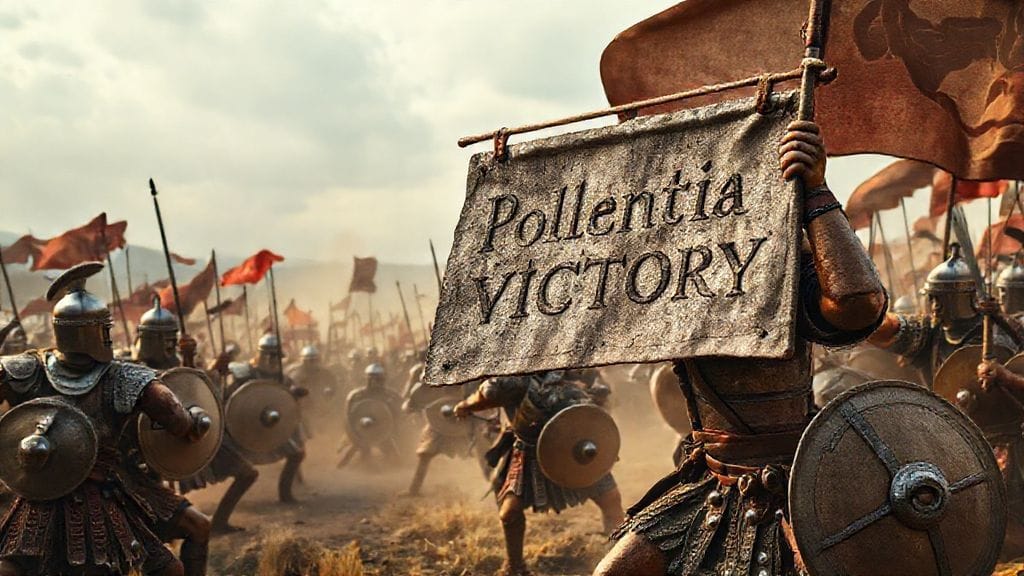
The autumn of 1463 brought the critical siege that would define the kingdom’s fate. Ottoman forces, experienced and disciplined, laid relentless pressure against the stalwart defenders of Jajce. The air echoed with the clash of swords, the thunder of cannon fire, and the cries of the wounded.
King Stjepan Tomašević, who had earlier attempted to rally support and forge alliances, was captured during these turbulent days. His execution symbolized not just the loss of a monarch but the extinguishing of Bosnia’s medieval sovereignty.
10. Sarajevo Falls: The Heart of the Kingdom Succumbs
With Jajce’s fall, Sarajevo became the next focal point. Ottoman troops advanced with calculated ferocity, storming the city and establishing control amid its labyrinthine streets. This conquest altered Sarajevo’s trajectory from a regional hub to a centerpiece of Ottoman provincial governance.
The population faced sweeping changes: the introduction of Ottoman laws, new religious institutions, and a bustling market economy infused with eastern flavors. Sarajevo’s transformation was both symbolic and practical, marking the kingdom’s full integration into an empire that stretched from the Middle East to the Balkans.
11. The Last King of Bosnia: Stjepan Tomašević’s Final Stand
Stjepan Tomašević’s brief reign was a tragic chronicle of resistance and despair. Ascending the throne in a time of great peril, he struggled to hold together noble rivalries and confront the encroaching Ottoman juggernaut. His capture and execution in 1463 remain etched in history as the solemn coda of Bosnia’s sovereignty.
His legacy is complex: a ruler caught between desperate defense and painful pragmatism, whose death marked the end of independent medieval Bosnia but also inspired centuries of Bosnian identity.
12. The Role of Hungary and the Wider European Response
Hungary, under Matthias Corvinus, played a convoluted role in Bosnia’s fate. While attempting to fortify its southern borders and resist Ottoman expansion, political distractions and limited resources hindered significant intervention. Western Europe, embroiled in its own conflicts, offered scant assistance to Bosnia’s plight.
This lack of coordinated response revealed the fragmented nature of Christendom’s defense against Ottoman advance, a weakness the empire would exploit for decades to come.
13. The Ottoman Military Strategy: Masters of Siege and Diplomacy
The Ottomans combined brutal military might with shrewd diplomacy. Their siege tactics blended heavy artillery bombardment with psychological warfare—offering clemency to defectors and using local collaborators. Their administrative approach incorporated conquered elites, easing transitions.
Mehmed II’s forces were well-equipped and battle-hardened, exploiting not just Bosnia’s military weaknesses but its political disunity—turning internal fractures into the empire’s advantages.
14. The End of an Era: Bosnia’s Kingdom Dissolves
By late 1463 and into 1464, Bosnia had ceased to exist as an independent kingdom. Its territories were absorbed into the Ottoman provincial system, with former nobles either displaced or co-opted. The medieval order, with its feudal customs and Christian monarchies, gave way to a new imperial regime.
This dissolution symbolized the wider transition in southeastern Europe—medieval kingdoms yielding to early modern empires, reshaping borders, culture, and power relations.
15. The Immediate Aftermath: Reordering a Balkan Frontier
The Ottoman conquest reorganized the Balkans’ political landscape. Bosnia became part of the empire’s expanding Rumelia Province. Ottoman officials instituted land reforms, introduced new taxation, and reshaped military recruitment, incorporating local populations into the devshirme system.
The region became a volatile frontier, a military and cultural crossroads where East met West in an ongoing contest of influence.
16. Transformations under Ottoman Rule: Society, Religion, and Culture
The centuries following the conquest saw profound changes. Islam gained prominence alongside Christianity, coexisting in a uniquely Bosnian milieu. Ottoman architectural styles, legal codes, and social systems blended with local traditions.
Trade prospered along newly established routes, Sarajevo blossomed into a vibrant cosmopolitan city, and religious institutions evolved. Yet, beneath this cultural flowering, memories of resistance and loss persisted, shaping identities.
17. The Legacy of 1463 in Bosnian National Memory
The fall of the Bosnian Kingdom remains a potent symbol in national consciousness. It represents not only loss and subjugation but also resilience and survival. From 19th-century romantic nationalism to contemporary historical studies, 1463 is often invoked as a turning point—marking the end of an independent Bosnian polity and the start of an enduring cultural identity.
Stories of the last king, the sieges, and the diverse faiths coexist as narratives of tragedy and hope.
18. How the Fall Shaped Balkan Geopolitics for Centuries
Bosnia’s absorption into the Ottoman Empire influenced Balkan geopolitics for centuries. The empire’s control over the region shaped military confrontations with Hungary, Venice, and later the Habsburgs. Bosnia became a buffer zone, a prize contested in wider imperial rivalries.
The demographic and religious complexity introduced during Ottoman rule contributed to tensions and alliances that would erupt in the modern era, weaving a complex tapestry of Balkan history.
19. Echoes in Literature and Art: Remembering the Last Kingdom
Artists, poets, and chroniclers have long grappled with Bosnia’s fall. Epic medieval legends, Ottoman-era chronicles, and modern historiographies blend fact and myth, commemorating heroic resistance and mourning lost sovereignty.
These cultural artifacts offer a window into how collective memory shapes identity—where history becomes story, and story becomes legend.
20. Conclusion: Bosnia’s Fall—A Turning Point Between Worlds
The fall of Bosnia in 1463 was not merely a conquest but a deeply human narrative of resilience, loss, and transformation. It stood at the crossroads of empires and faiths, where medieval kingdoms yielded to burgeoning empires.
Yet, in that violent end was a beginning: the fusion of cultures, the birth of new identities, and the persistent spirit of a land shaped by crossroads for millennia. Bosnia’s story reminds us that history is not only about borders and battles but about the endurance of communities caught in the tides of change.
Conclusion
The collapse of the Bosnian Kingdom under Ottoman hands is a profound chapter in European and Balkan history. It was a moment steeped in tragedy and courage, where the dusk of medieval independence gave way to an imperial dawn that changed the destiny of a people. The siege of Jajce, the fall of Sarajevo, and the execution of King Stjepan Tomašević were not just acts of war but profound human dramas unfolding on a complex stage.
More than 550 years later, the echoes of 1463 still resonate in Bosnia’s landscape, culture, and identity. It is a reminder of the power of history to shape nations, to test faith, and to forge resilience amid upheaval. Bosnia’s fall to the Ottomans stands as a solemn testament to the determination of those who lived, fought, and dreamed between two worlds.
FAQs: The Fall of Bosnia to the Ottomans
Q1: What were the main causes of Bosnia’s fall to the Ottomans in 1463?
A1: The fall was caused by a combination of factors including internal political fragmentation, religious divisions, the military might and strategic planning of the Ottoman Empire, and limited support from neighboring Christian kingdoms like Hungary.
Q2: Who was Stjepan Tomašević and what role did he play in Bosnia’s final years?
A2: Stjepan Tomašević was the last king of Bosnia. His short reign was marked by attempts to resist Ottoman conquest, but he ultimately was captured and executed, signaling the end of the independent Bosnian kingdom.
Q3: How did the Ottomans manage to conquer such a strategically difficult region?
A3: The Ottomans combined advanced siege technologies, military discipline, and shrewd diplomacy. They exploited divisions among Bosnian nobles and won some as allies, allowing a relatively swift conquest of key fortresses.
Q4: What happened to Bosnia after its incorporation into the Ottoman Empire?
A4: Bosnia became part of the Ottoman provincial system. Ottoman administrative, legal, and social reforms transformed local governance, religion, and society, integrating Bosnia into a vast imperial network.
Q5: How did the fall affect the religious composition of Bosnia?
A5: Ottoman rule introduced Islam to a region already diverse with Catholic, Orthodox, and Bosnian Church communities, creating a pluralistic religious landscape that persists today.
Q6: Did European powers attempt to aid Bosnia against the Ottomans?
A6: Hungary made efforts to defend its borders and intermittently support Bosnia, but limited resources and political distractions meant that Europe's aid was insufficient to prevent the Ottoman conquest.
Q7: Why is the fall of Bosnia in 1463 considered significant for Balkan history?
A7: The fall marked the transition from medieval kingdoms to Ottoman imperial rule in the Balkans, reshaping the region's political, cultural, and religious landscapes for centuries.
Q8: How is the event remembered in modern Bosnian culture?
A8: It is remembered both as a tragic loss of sovereignty and a foundational moment of national identity, inspiring literature, history, and continuing debates about Bosnia’s diverse heritage.