Table of Contents
- A City in Mourning: The Death of Emperor Justinian I
- Constantinople at Dusk: The Empire on the Brink
- The Rise of Justinian: From Obscurity to Power
- The Legacy of a Visionary Ruler
- The Twilight of an Era: Justinian’s Final Days
- The Court’s Reaction: Shockwaves in the Imperial Palace
- The Empire’s Religious and Political Climate in 565
- The Bubonic Plague: A Silent Assassin
- The Codex Justinianus: Law as Legacy
- Hagia Sophia: Symbol of Imperial Glory
- The Military Campaigns: Triumphs and Tribulations
- The Challenge of Succession: Who Stands to Inherit?
- The Byzantine People’s Grief and Response
- The Role of Empress Theodora and the Imperial Family
- The Immediate Aftermath: Power Consolidation in Constantinople
- The Broader Mediterranean and Near East: Repercussions of the Emperor’s Death
- Cultural and Architectural Flourishing Under Justinian
- The Impact on Byzantine Diplomacy and Foreign Relations
- The Decline Set in Motion: Long-Term Consequences
- Reflections from Historians Through the Centuries
- Conclusion: The Death That Changed Byzantium Forever
- FAQs: Understanding Justinian’s Death and Legacy
- External Resource
- Internal Link
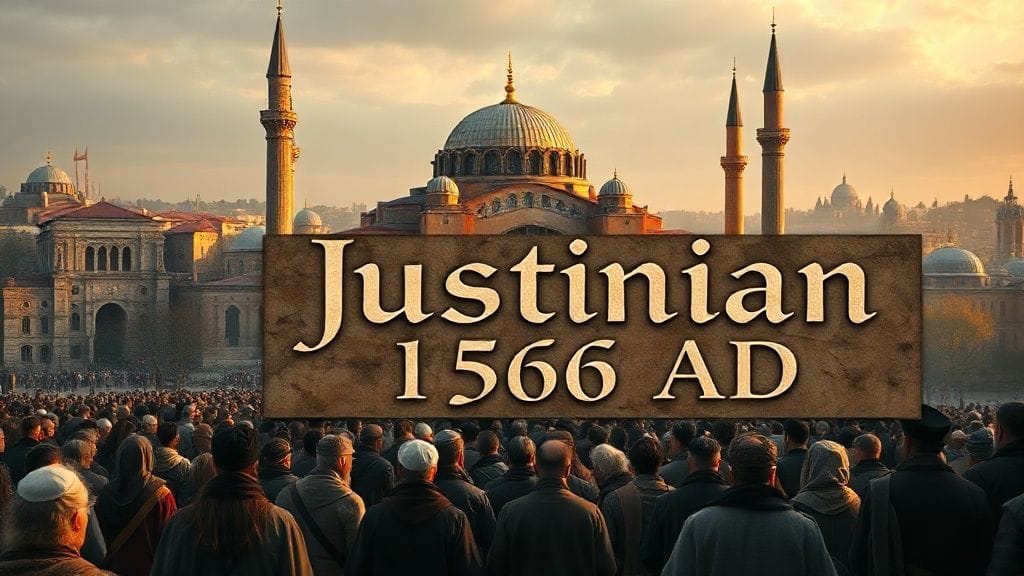
The sun was beginning its slow descent over the gilded domes of Constantinople on November 14, 565, casting a golden glow over the city that had endured and flourished under the reign of one of history’s most enigmatic emperors. Yet, beneath the radiant sky, an imperial shadow was descending on the Byzantine Empire: Emperor Justinian I had died. The weight of his death rippled through the labyrinthine streets, the grand palaces, and the hearts of millions who had seen their world shaped irrevocably by his will.
A City in Mourning: The Death of Emperor Justinian I
Constantinople, with its soaring walls and bustling harbors, had been the stage for the emperor’s monumental ambitions. But on that cold November day of 565, the city held its breath. The news, borne through the corridors of power and whispered in the marketplaces, spread like wildfire: Justinian I, the architect of a renewed Roman Empire, the man who envisioned a Pax Byzantina, was gone.
The emperor’s death was not merely the passing of a man—it signified the end of an era marked by triumphs and tragedies. The grief that swept across Constantinople was profound, mingled with apprehension about the future of the empire he had tirelessly forged.
Constantinople at Dusk: The Empire on the Brink
By the mid-6th century, Constantinople was a thriving metropolis, a jewel of splendor bridging the East and West. The city had been transformed under Justinian’s reign. His reforms in law, architecture, and governance had left an indelible mark, yet the empire itself was fragile, stretched thin by continuous wars, religious strife, and the relentless scourge of plague.
When Justinian died, the empire was teetering on the precipice of uncertainty. Would the momentum of his vision be sustained? Or would the increasingly complex internal and external pressures plunge Byzantium into decline?
The Rise of Justinian: From Obscurity to Power
Born around 482 CE in Tauresium (modern-day North Macedonia), Justinian was a man whose early life offered little hint of future greatness. His intelligence and ambition, however, caught the attention of his uncle Justin, who rose through the ranks to become emperor in 518. Justinian’s rise was swift; by 527, he donned the imperial purple and embarked on a reign distinguished by ambition and complexity.
The Legacy of a Visionary Ruler
Justinian’s reign was a tapestry woven with grand projects and profound upheavals. He dreamed of reuniting the fractured Roman Empire, codifying its legal traditions, and erecting monuments that would symbolize imperial glory for centuries to come. His impact resonates palpably in today’s world, from modern legal systems inspired by his codes to the enduring beauty of the Hagia Sophia.
Yet, his rule was also marked by brutal suppression, religious conflicts, and catastrophic events like the Justinianic Plague—a pandemic that would devastate the empire’s population and destabilize its economy.
The Twilight of an Era: Justinian’s Final Days
The last months of Justinian’s life were shadowed by declining health and mounting pressures. Plagued by gout and infirmity, his vigor waned but his mind remained sharply engaged, overseeing final administrative actions. According to Procopius, the historian who chronicled many events of the age, the emperor died “peacefully,” yet the atmosphere in Constantinople was far from tranquil.
The curtains of power were beginning to fall on a ruler who had both unified and torn apart an empire.
The Court’s Reaction: Shockwaves in the Imperial Palace
Within the palace walls, the court oscillated between mourning and calculation. Justinian’s wife and co-ruler, Empress Theodora, had died some years earlier, leaving a void in the imperial leadership that her intelligence and political skill had once filled. His successor, Justin II, was crowned swiftly, but the question of legitimate authority and the continuity of reforms loomed large.
The Empire’s Religious and Political Climate in 565
Religion stood as both a cement and a fissure within the Byzantine world. Justinian had been a devout Chalcedonian Christian, enforcing orthodoxy with a sometimes brutal hand against pagans, Monophysites, and heretical sects. His death opened the path for new religious tensions to emerge.
Politically, factions within the aristocracy, military, and clergy sensed opportunity in the power vacuum his demise created.
The Bubonic Plague: A Silent Assassin
Long before his death, the empire had been crippled by waves of the plague, which first struck in 541 CE. This pandemic, likely the first recorded outbreak of bubonic plague, decimated Constantinople’s population by as much as a quarter. The disease did not claim Justinian himself but had destabilized the empire, draining its resources and morale.
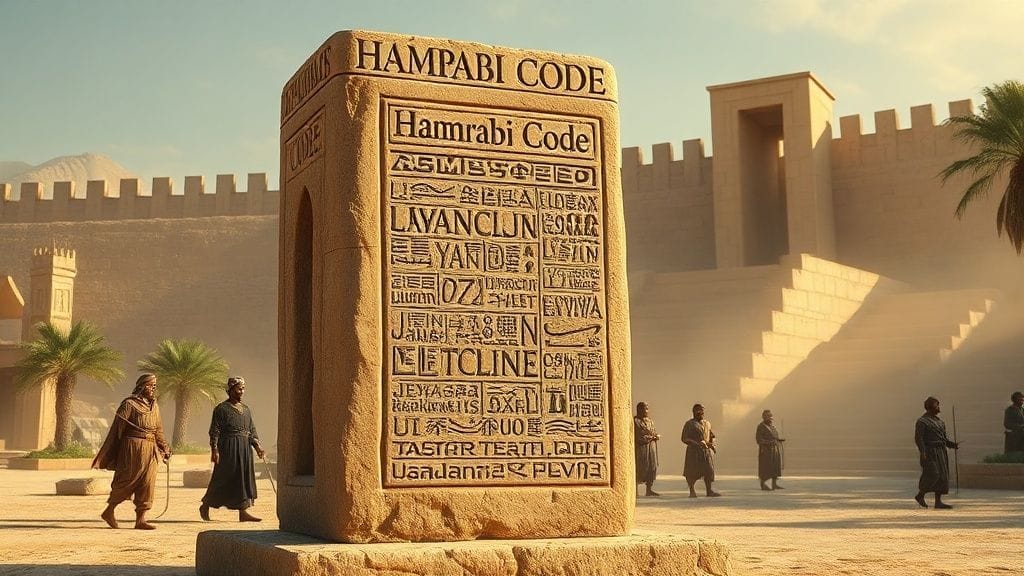
The Codex Justinianus: Law as Legacy
One of Justinian’s crowning achievements was the codification of Roman law into what became known as the Codex Justinianus, a legal foundation still studied and revered today. This monumental act of legal reform was a testament to his vision of order—yet, with his death, the enforcement and development of these reforms faced uncertainty.
Hagia Sophia: Symbol of Imperial Glory
The magnificent Hagia Sophia, completed in 537, stood as the visual expression of Justinian’s empire—an architectural marvel that fused spiritual grandeur with imperial power. At his death, it remained the heart of Byzantine Christianity and a symbol of a ruler who sought to inspire both awe and unity among his subjects.
The Military Campaigns: Triumphs and Tribulations
Justinian’s military efforts were bold and far-reaching, including the reconquest of North Africa from the Vandals, the restoration of Italy from Ostrogothic control, and wars along the eastern frontiers against the Persians. These campaigns drained the treasury and exacted a heavy toll but temporarily restored Roman dominion.
His death raised questions about the durability of these gains amid renewed pressures.
The Challenge of Succession: Who Stands to Inherit?
Succession was never simple in Byzantium. Justin II inherited the throne, but his capabilities were disputed. The concerns that simmered beneath the surface included fears of factionalism, usurpation, and the fragility of administrative cohesion—all set against a backdrop of external threats from Lombards, Persians, and Slavic tribes.
The Byzantine People’s Grief and Response
The voices of ordinary Constantinopolitans emerge faintly but poignantly from the mists of history—grieving an emperor who at once inspired pride and provoked resentment. Public mourning was widespread, with rituals and ceremonies that reflected Justinian’s stature as both godly ruler and earthly master.
The Role of Empress Theodora and the Imperial Family
Though Theodora had predeceased her husband by three years, her influence lingered. She had been a formidable force, shaping policies, and supporting Justinian’s most controversial actions. The imperial family’s fate after Justinian’s death became a subject of intrigue and speculation, influencing court politics dramatically.
The Immediate Aftermath: Power Consolidation in Constantinople
The days and months following the death saw Justin II striving to consolidate power, preserve his uncle’s legacy, and stabilize a fracturing polity. The imperial bureaucracy, often criticized for its complexity and self-interest, played a critical role in this transition.
The Broader Mediterranean and Near East: Repercussions of the Emperor’s Death
News of Justinian’s death sent reverberations far beyond Constantinople. Allies and enemies alike recalibrated their strategies. The Sassanid Empire watched closely, while emerging powers in Western Europe and North Africa eyed the Byzantine domains with renewed ambition.
Cultural and Architectural Flourishing Under Justinian
Beyond politics and war, Justinian’s reign was a cultural golden age—philosophers, theologians, builders, and artists all found patronage. His death marked not only political change but also an evolution in Byzantine cultural identity.
The Impact on Byzantine Diplomacy and Foreign Relations
Diplomatic alliances and rivalries became tense. Justinian’s successors faced challenges in maintaining the fragile peace with Persia and controlling the volatile Balkan frontiers.
The Decline Set in Motion: Long-Term Consequences
Though the empire survived, the death of such an imposing figure marked the beginning of a gradual decline. Financial exhaustion, territorial losses, and internal dissension would intensify in the decades to come.
Reflections from Historians Through the Centuries
Historical perspectives on Justinian’s death range from reverence to critique. Procopius’s often-critical writings, later chroniclers, and modern scholars provide varying lenses through which we understand the emperor’s final moments and their significance.
Conclusion
The death of Justinian I on that autumn day in 565 was not simply the passing of a man—it was the fading of a titan’s shadow over Constantinople and the Byzantine world. His life intersected ceaseless ambition with profound achievement and tragic human complexity. As the city mourned its sovereign, history stood at a crossroads—caught between the brilliant light of Justinian’s vision and the uncertain dawn of an empire tested by forces beyond any one ruler’s command.
Yet the echoes of his reign endure in law, architecture, and the very idea of imperial authority. Justinian’s death was a poignant reminder that even the greatest legacies must face the relentless currents of time.
FAQs
Q1: What were the main causes of Justinian’s death?
A1: Justinian died of natural causes, likely related to age and chronic illness such as gout. Despite his suffering, there is no evidence of foul play or sudden illness.
Q2: How did Justinian’s death affect the Byzantine Empire politically?
A2: His death created a power vacuum and uncertainty over succession. While his chosen heir, Justin II, succeeded him, the empire faced internal factional struggles and external threats soon after.
Q3: What immediate changes did Justin II bring after Justinian’s death?
A3: Justin II sought to continue his uncle’s policies but struggled with less capability and increasing pressure from enemies, leading to the gradual erosion of Justinian’s territorial gains.
Q4: How did the death impact the Byzantine people and the capital city?
A4: The populace mourned deeply, participating in public rituals that underscored Justinian’s role as a semi-divine figure. However, fear and uncertainty about the future pervaded.
Q5: What was the significance of the Codex Justinianus upon his death?
A5: The codification of Roman law represented a monumental legal legacy, but its full implementation depended on continued strong leadership which was uncertain after Justinian’s death.
Q6: Did the emperor face any ongoing crises during the end of his life?
A6: Yes, including the ongoing consequences of the Justinianic Plague, wars on multiple fronts, financial strain, and religious conflicts that complicated the governance of the empire.
Q7: How did historians like Procopius portray Justinian’s death?
A7: Procopius offered both praise and criticism in different works; his accounts highlight a complex ruler whose death was significant not only personally but for the fate of Byzantium.
Q8: What can Justinian’s death teach us about leadership and legacy?
A8: It illustrates that even the most powerful leaders are mortal and that their legacies depend on structures, people, and circumstances beyond their control.