Table of Contents
- The Final Days of an Emperor: Charles V’s Last Breath
- The Weight of an Empire: The Context of Charles V’s Reign
- Europe in Turmoil: Religious Wars and Imperial Ambitions
- The Abdication: A Turning Point in European History
- Journey to Yuste: The Emperor’s Retreat into Solitude
- Life at the Monastery: Charles V’s Quiet Decline
- The Death of an Emperor: September 21, 1558
- The Emperor’s Legacy: Political and Religious Reverberations
- Spain’s Ascendancy and the Habsburg Heritage
- The Personal Toll: Charles V’s Health and Spiritual Struggles
- The Role of Europe’s Nobility in Charles V’s Decline
- The Impact of Charles V’s Abdication on the Holy Roman Empire
- Yuste’s Monastery: From Imperial Refuge to Historic Monument
- The Transmission of Power: Philip II and the Dynastic Shift
- Historical Reflections: Charles V's Image Through the Centuries
- How Charles V’s Abdication Shaped Modern Europe
- The Emperor’s Final Words and Their Symbolism
- The Funeral and Burial: Ceremonies of Imperial Mourning
- Artistic and Literary Tributes to Charles V
- Memory and Myth: The Emperor in Popular Culture
- Conclusion: The End of an Era and the Birth of a New Europe
- FAQs on Charles V’s Death and Legacy
- External Resource
- Internal Link
The Final Days of an Emperor: Charles V’s Last Breath
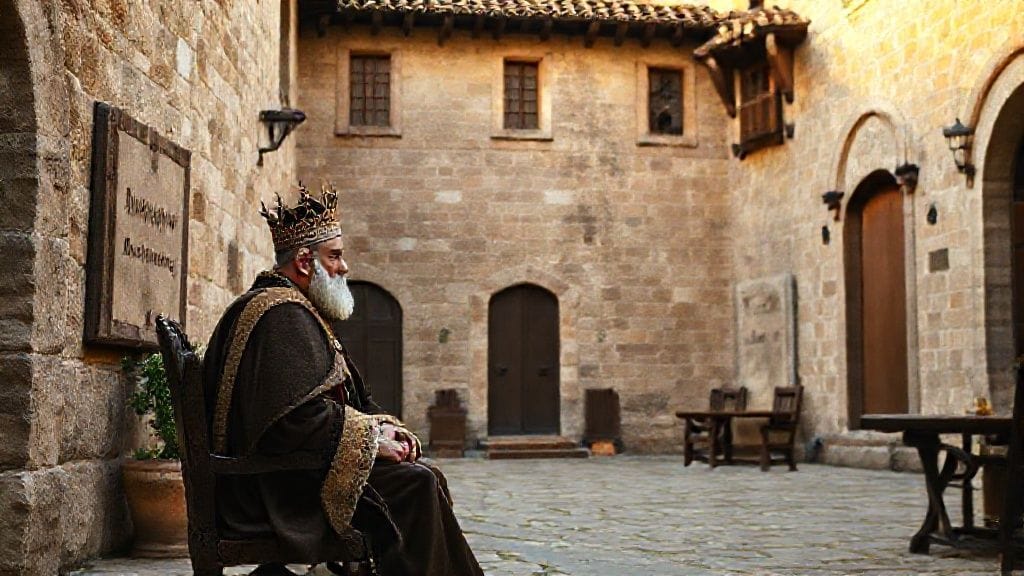
The summer sun was sinking low over the rugged hills of Extremadura on that September day in 1558, casting elongated shadows through the quiet cloisters of the Monastery of Yuste. Within its humble, stone walls rested one of the most powerful figures Europe had ever known—Emperor Charles V. At 58, the man who once commanded continents lay frail, worn by years of political strife, relentless warfare, and a lifetime burdened with the hopes and turmoil of half the known world. The air was heavy with a solemn stillness; here, far from the gilded halls of his former palaces, history was about to witness the final chapter in the life of a ruler who had seemed near-immortal in his youth. Charles’s breathing was labored, the once-resounding voice now a whisper. As twilight deepened on September 21, 1558, Europe lost not just an emperor but a symbol, a man whose life bridged the medieval past and the early modern era.
The Weight of an Empire: The Context of Charles V’s Reign
To grasp the profound significance of Charles V’s death, one must first traverse the extraordinary spectrum of his life and rule. Born in 1500 in Ghent, within the sprawling domains of the Habsburg dynasty, Charles inherited not only thrones but a web of dynastic alliances and exotic territories. By his twenties, he was King of Spain, Archduke of Austria, and Emperor of the Holy Roman Empire, governing an empire “on which the sun never set.” His realm stretched from the sun-drenched vineyards of Castile to the misty forests of the German principalities and even beyond the Atlantic, to the burgeoning colonies of the New World.
Yet, this vast empire was as fragile as it was immense. Religious fissures ripped through Europe, and imperial authority was increasingly contested by princes, popes, and rival monarchies. The Reformation’s flames challenged the Catholic orthodoxy Charles so dearly upheld, ushering in decades of conflict. His reign was a complex ballet of diplomacy, warfare, and religious negotiation—each act shaping the fate of nations.
Europe in Turmoil: Religious Wars and Imperial Ambitions
The early 16th century was an age of seismic transformation. The Protestant Reformation, ignited by Martin Luther’s 95 Theses in 1517, fractured the religious unity of Europe and ignited civil unrest and brutal conflicts. As Holy Roman Emperor, Charles was the defender of Catholicism, tasked with suppressing the burgeoning heresies. Yet, the winding corridors of power were fraught with contradictions; his own family depended on Protestant princes, his own Spanish subjects had their own agendas, and the Ottoman Empire threatened the eastern frontiers with merciless expansion.
This precarious balance informed every decision Charles made. Battles such as the siege of Vienna and the Italian Wars were not mere skirmishes but desperate fights for survival and supremacy. His political maneuvers oscillated between fierce militarism and fragile alliances, revealing the immense pressure on a ruler carrying the hopes of Christendom.
The Abdication: A Turning Point in European History
By the mid-1550s, the cracks of weariness grew too large to ignore. Charles V, exhausted by constant campaigning and plagued by debilitating gout and malaria, realized his age and illness would no longer sustain imperial ambitions. In a monumental decision unprecedented in modern European history, he chose abdication over eternal struggle, a gesture both personal and profoundly political.
In 1556, Charles relinquished the Spanish crown to his son Philip II and the imperial title to his brother Ferdinand I. This peaceful transfer shifted the balance of power dramatically. Europe watched in mixed surprise and apprehension; the legend of the invincible emperor was ending, and a new, more divided age was dawning. On leaving politics, Charles set his gaze on a quieter life, far from the capitals where statesmen debated and armies marched.
Journey to Yuste: The Emperor’s Retreat into Solitude
The road to Yuste, a modest monastery nestled in the verdant hills of Extremadura, was both literal and symbolic. Choosing a life of penance and reflection, Charles sought solace removed from court intrigues and the ceaseless demands of empire. The journey itself was arduous—emblematic of the decline of a mighty figure—and his arrival in Yuste marked an abrupt shift from the thunderous clamor of war to the silence of monastic life.
In Yuste, the emperor’s daily routine became ritual: prayer, meditation, simple meals, and long hours reflecting on a life of grandeur and regret. Yet, he did not completely sever ties with the outside world; correspondence with his son and counsel with advisors continued, bearing witness to a lingering influence.
Life at the Monastery: Charles V’s Quiet Decline
Unlike the majesty of the imperial courts, Yuste was humble in every way. The monastery, cloaked by thick cypress trees and ancient oaks, offered seclusion but little comfort. Here, the great empire-builder wrestled with pain and solitude. His health, undermined by decades of ill care and recurrent illnesses, deteriorated rapidly.
The once robust ruler became a shadow of himself, a principled man facing mortality head-on. Monks recorded his final days with sobriety, noting his piety, humility, and moments of bitterness. This interior struggle humanized a figure often seen only through the lens of power and obligation.
The Death of an Emperor: September 21, 1558
On September 21, at the twilight of his life—both literally and figuratively—Charles V breathed his last. Accounts describe a serene yet solemn passing, surrounded by monks and attendants mourning the death of a man whose life shaped the course of nations. His body was laid to rest within the monastery walls, marked by simple dignity fitting the man he had become.
Though the empire would continue, the death of Charles V signified the end of an era—an empire "at its zenith" that would soon face fragmentation and transformation under his successors. It was both an end and a beginning, encapsulating the turbulent transition from medieval empire to early modern statehood.
The Emperor’s Legacy: Political and Religious Reverberations
Charles V’s death rippled far beyond Spain. Politically, his abdication and subsequent death shifted the balance of power in Europe. Philip II undertook the aggressive consolidation of Spain’s territories, while Ferdinand I strengthened the German realm. This bifurcation laid foundations for future conflicts that would engulf Europe for centuries.
Religiously, Charles’s attempts to suppress Protestantism were ultimately unsuccessful, but they shaped the Counter-Reformation and the Catholic revival. His reign underscored the limits of imperial power in an age of rising nationalism and religious diversity.
Spain’s Ascendancy and the Habsburg Heritage
With Charles V’s death, Spain emerged as the dominant global power, wielding vast resources from the Americas. His policies influenced Spanish imperial administration and expansion, impacting the New World and Europe alike. The Habsburg dynasty, symbolized by Charles’s life, remained a central actor on the European stage, shaping diplomatic and military history for generations.
The Personal Toll: Charles V’s Health and Spiritual Struggles
Behind the imperial façade lay a man plagued by constant pain and spiritual turmoil. Charles V’s correspondence reveals his wrestling with faith, destiny, and the burdens of command. The emperor’s final years were marked by meditation on sin, forgiveness, and humility—transforming a warrior into a contemplative figure searching for peace amidst chaos.
The Role of Europe’s Nobility in Charles V’s Decline
The fractious nobility of Europe both enabled and challenged Charles’s reign. His efforts to centralize authority were repeatedly resisted by princes and barons who guarded their privileges fiercely. This tension drained the emperor politically and militarily, undermining his capacity to impose unified control over his vast empire.
The Impact of Charles V’s Abdication on the Holy Roman Empire
The abdication reshaped the Holy Roman Empire in profound ways. Ferdinand I’s reign marked a decentralization trend, with local princes and electorates gaining more autonomy. This shift accelerated the fragmentation of imperial authority and laid groundwork for future conflicts, including the devastating Thirty Years’ War.
Yuste’s Monastery: From Imperial Refuge to Historic Monument
Today, the Monastery of Yuste stands as a testament to the emperor’s solitude and humility. Its quiet chambers and gardens offer a striking contrast to the tumult of his reign. Restored and preserved, Yuste remains a symbol of the complex human behind the imperial legend, attracting historians and travelers seeking to connect with Spain’s deep historical roots.
The Transmission of Power: Philip II and the Dynastic Shift
Philip II’s inheritance of the Spanish throne came with vast ambitions but also immense challenges. His strict Catholicism and administrative style marked a shift from his father’s broader European outlook to a more centralized, Spanish-focused monarchy. This transition shaped Spain’s Golden Age but also sowed seeds of future decline.
Historical Reflections: Charles V's Image Through the Centuries
Over time, interpretations of Charles V have evolved. Enlightenment thinkers critiqued his absolutism; nationalists questioned his empire’s plurality; modern historians admire his vision and resilience. His image oscillates between a tired despot and a tragic hero—an embodiment of an empire’s complex soul.
How Charles V’s Abdication Shaped Modern Europe
Charles V’s abdication set precedents rarely seen in European monarchies—a voluntary relinquishment of power that underscored changing notions of sovereignty and governance. It heralded a gradual evolution toward modern statehood, influencing concepts of monarchy, empire, and authority.
The Emperor’s Final Words and Their Symbolism
Reports suggest Charles V’s last words were imbued with acceptance and hope, emphasizing faith and the reconciliation of worldly power with spiritual humility. These words echoed the duality of his life—an emperor resigned to leaving behind a legacy both glorious and tumultuous.
The Funeral and Burial: Ceremonies of Imperial Mourning
Charles V’s funeral, though modest compared to his earlier grandeur, was marked by deep reverence. Nobles, clergy, and citizens paid homage, reflecting on the emperor’s impact. The burial rites reinforced Spain’s Catholic identity and the enduring prestige of the Habsburg line.
Artistic and Literary Tributes to Charles V
From Titian’s haunting portraits to Cervantes’ literary nods, Charles V inspired generations of artists and writers. His image as a sovereign weighed by destiny became a potent symbol of power, sacrifice, and human frailty. These cultural legacies preserve the emperor’s presence beyond mere historical fact.
Memory and Myth: The Emperor in Popular Culture
Charles V occupies a unique space in popular memory—as a mythic figure embodying empire, faith, and Europe’s contested identity. His story has inspired novels, films, and folklore, bridging the past and present in ways that continue to fascinate and provoke reflection.
Conclusion
The death of Charles V at Yuste was not merely the passing of a man but the quiet closing of a tumultuous chapter in European history. His life embodied the contradictions of an age caught between medieval tradition and the dawn of modernity. With the emperor’s demise came the birth of new political realities and cultural shifts that shaped the continent for centuries. Yet beneath the grand narratives, Charles’s final days remind us of the human fragility behind the crown—the weariness, hopes, and deep yearning for peace that define even the mightiest of rulers. His legacy endures not only in borders and treaties but in the very understanding of power, faith, and the sacrifices entailed in leading an empire.
FAQs
Q1: What were the main reasons behind Charles V’s abdication before his death?
A1: Chronic illness, including gout and malaria, compounded by exhaustion from decades of warfare and political pressure, led Charles V to abdicate. He sought spiritual peace and relief from the immense burdens of empire.
Q2: Why did Charles V choose the Monastery of Yuste for his retirement?
A2: Yuste offered seclusion and simplicity, far from court politics. The monastery’s tranquil environment suited his desire for prayer and reflection in his final years.
Q3: How did Charles V’s death affect the Holy Roman Empire?
A3: His death solidified the division of Habsburg territories, with his brother Ferdinand I taking over imperial duties, leading to greater decentralization and regional autonomy within the empire.
Q4: What is the significance of Charles V’s final words?
A4: They reflect acceptance of mortality and a reconciliation of worldly power with spiritual humility, emblematic of his complex relationship with faith and leadership.
Q5: How did Philip II’s rule differ from his father’s?
A5: Philip II centralized Spanish power, focused intensely on Catholicism and imperial consolidation, contrasting his father’s broader European ambitions and comparatively flexible governance.
Q6: Is the Monastery of Yuste still accessible today?
A6: Yes, it is a historic site open to visitors, preserved to commemorate Charles V’s final retreat and his enduring legacy.
Q7: How has Charles V’s legacy influenced modern perceptions of monarchy?
A7: His life highlights the limits of absolute rule and the complexity of empire-building, informing modern debates about governance, sovereignty, and the personal toll of leadership.
Q8: What cultural works have immortalized Charles V?
A8: Artists like Titian created iconic portraits; literary figures such as Cervantes referenced him; and numerous films and novels continue to explore his life and reign.