Table of Contents
- The Final Night in Vienna: Johann Strauss II’s Last Breath
- Vienna at the Turn of the Century: A City in Flux
- Johann Strauss II: The Waltz King’s Meteoric Rise
- The Family Legacy of Strauss: Music in the Blood
- From Humble Beginnings to International Fame
- The Sound of an Era: The Viennese Waltz’s Cultural Explosion
- Behind the Music: Strauss’s Personal Life and Challenges
- The Twilight Years: Health Decline and Creative Reflection
- June 3, 1899: The Day Vienna Lost Its Waltz King
- The Public and Musical Community’s Immediate Reaction
- Funeral Rites and National Mourning in Austria
- The Strauss Legacy: Keeping the Waltz Alive
- Vienna’s Musical Landscape after 1899: A Changing Tune
- The Influence of Johann Strauss II on Modern Music
- Remembering the Waltz King: Commemorations and Monuments
- The Myth and Reality of Strauss’s Death
- How Johann Strauss II Transformed Vienna’s Cultural Identity
- The Global Reach: Strauss’s Music Beyond Austria
- Reflections from Contemporaries and Later Musicians
- Conclusion: The Eternal Dance of Strauss’s Melody
- FAQs: Understanding Johann Strauss II’s Final Chapter
- External Resource
- Internal Link
The Final Night in Vienna: Johann Strauss II’s Last Breath
It was a quiet evening on June 3, 1899, in a Vienna fading into the embrace of a summer night. The city, vibrant and bustling only hours before with ballrooms echoing the strident notes of waltzes, shifted into solemnity: Johann Strauss II, the immortal “Waltz King,” had drawn his last breath. The great composer’s death was more than the passing of a man; it was the silence that fell over an era defined by swirling gowns, lilting melodies, and the heartbeat of a city that danced through its golden years. As the twilight faded on the silhouette of the Vienna skyline, a profound void settled in the city’s soul.
The death of Johann Strauss II marked the end of an epoch—a sonic revolution that had changed the cultural landscape of Vienna and left an indelible mark on the music world. Yet, this moment was not merely about loss; it was the poignant turning point for a legacy that would echo through concert halls, salons, and hearts across continents and generations.
Vienna at the Turn of the Century: A City in Flux
Vienna in 1899 was a city caught between the fading light of Imperial Austria and the dawn of modernity. The Habsburg monarchy, still firmly entrenched, projected an image of stability, yet beneath the surface, social tensions and nationalistic stirrings hinted at seismic changes to come. The grand cafés where intellectuals debated politics and visionaries pondered progress thrived alongside the elegant ballrooms where Strauss’s waltzes held sway.
The city was a crucible of culture and technological advance; trams rumbled down cobblestone streets, electric lights began to replace gas lamps, and the air vibrated with a mixture of nostalgia and anticipation. It was in this unique atmosphere—a marriage of tradition and innovation—that Johann Strauss II’s music resonated profoundly, offering a soundtrack to a society in transformation.
Johann Strauss II: The Waltz King’s Meteoric Rise
Born in 1825, Johann Strauss II inherited a musical dynasty steeped in the Viennese tradition. From his earliest days, the son of Johann Strauss I faced enormous expectations. Yet, Strauss did not merely follow in his father’s footsteps; he redefined what the waltz could be.
His ascent was meteoric. By the time he composed “The Blue Danube” (An der schönen blauen Donau) in 1866—arguably the most famous waltz ever written—Strauss had become the embodiment of Viennese gaiety and elegance. His music was both a reflection and an architect of the Viennese soul.
The Family Legacy of Strauss: Music in the Blood
Johann Strauss II was born into what might be called Austria’s first family of music. His father, Johann Strauss I, was a notable composer and conductor who had popularized the waltz in Vienna decades earlier. The younger Strauss’s brothers, Josef and Eduard, were also accomplished musicians, and the family often found themselves in a competitive yet deeply symbiotic relationship to further the Viennese musical tradition.
Despite this, Strauss II’s early career was fraught with tension; his father initially opposed his musical ambitions, envisioning a different path for his son. That opposition only fueled Strauss’s determination to succeed, and the rivalry between father and son became part of the Romantic mythology surrounding the Strauss name.
From Humble Beginnings to International Fame
Strauss’s early works gained him local fame, but it was his ability to innovate within a traditional form that propelled him onto the international stage. His travels throughout Europe and performances in Paris, London, and St. Petersburg introduced the Viennese waltz to a broader audience.
By the late 19th century, Strauss had become synonymous with the golden age of Viennese operettas and dance music. His compositions were a staple for aristocrats and commoners alike—a unifying force amid a rapidly changing social landscape.
The Sound of an Era: The Viennese Waltz’s Cultural Explosion
The Viennese waltz, with its lilting triple meter and energetic spins, epitomized a delicate balance of romance and modernity. Strauss’s music encapsulated this spirit, capturing the ebullience of a society intoxicated by the possibilities of dance and leisure.
His works provided the soundtrack to countless balls, social gatherings, and public festivals. The “Waltz King” was not just a composer; he was a social architect who translated the rhythms of Vienna’s pulse into notes and harmonies that transcended language.
Behind the Music: Strauss’s Personal Life and Challenges
Beneath the glamorous surface, Strauss’s life was marked by personal trials. His tumultuous marriage, fraught with rumors and separations, contrasted sharply with the lightness of his music. Struggles with health, moments of artistic crisis, and the weight of public expectation painted a complex picture beyond the ballrooms.
Yet, it was precisely these contradictions that humanized Strauss to his contemporaries and endears him to us today—a man who fought shadows while producing melodies that made the world dance.
The Twilight Years: Health Decline and Creative Reflection
As the 19th century drew to a close, Strauss’s body began to betray him. Chronic health problems slowed the dynamism that had characterized his career. Still, his creative spirit persisted, even as he scaled back public appearances.
His later works carry a subtlety and melancholy that suggest a man aware of his own mortality but determined to leave an imprint as enduring as his unforgettable waltzes.
June 3, 1899: The Day Vienna Lost Its Waltz King
On June 3, 1899, Johann Strauss II succumbed to pneumonia, a final act reflecting the fragility of the human condition behind his grand persona. News of his passing spread swiftly through Vienna’s gilded salons and crowded streets.
The city entered a reverent hush, as if time itself paused to mourn the loss of a man who had spun enchantment from notes and rhythms. Viennese newspapers published heartfelt obituaries, and the arts community grappled with the knowledge that an era had truly ended.
The Public and Musical Community’s Immediate Reaction
The outpouring of grief was monumental. Thousands of Viennese lined the streets, eager to pay homage as his funeral procession made its solemn journey. Musicians, politicians, and citizens of all classes united in honoring the composer’s memory.
Concert halls offered tribute performances, often playing Strauss’s most beloved works. Music critics reflected on his artistry with a reverence reserved for the rare few who define generations.
Funeral Rites and National Mourning in Austria
Strauss’s funeral was an event of national significance. Held in Vienna’s Central Cemetery, the ceremony brought together a cross-section of Austrian society— from the imperial court to the common folk who had danced to his tunes.
The elaborate funeral procession itself drew widespread attention. Newspapers recounted the somber melody sung by orchestras and the palpable emotion that enveloped the city.
The Strauss Legacy: Keeping the Waltz Alive
In death as in life, Johann Strauss II’s music insisted on moving forward. His family, musicians, and pupils undertook the vital task of preserving and promoting his oeuvre.
Vienna’s ballrooms continued to echo with his waltzes, and concert programs around the world included his musical masterpieces as timeless staples, ensuring new generations might fall under his spell.
Vienna’s Musical Landscape after 1899: A Changing Tune
The dawn of the 20th century brought seismic shifts not only politically but artistically. The rise of modernism and new musical forms threatened the dominance of the waltz.
Yet, Vienna retained a special place in music history largely because Strauss had secured the waltz’s place at the heart of its cultural identity. Post-1899, composers grappled with his influence, either embracing it or reacting against it, but never ignoring it.
The Influence of Johann Strauss II on Modern Music
Strauss’s contributions extend far beyond the Austrian capital. Composers worldwide have acknowledged his influence on orchestration, melody, and popular dance forms.
Jazz musicians, film composers, and even contemporary pop artists have drawn inspiration from the sweeping romanticism and rhythmic structure crafted by the Waltz King. It is a testament to the universality and adaptability of his art.
Remembering the Waltz King: Commemorations and Monuments
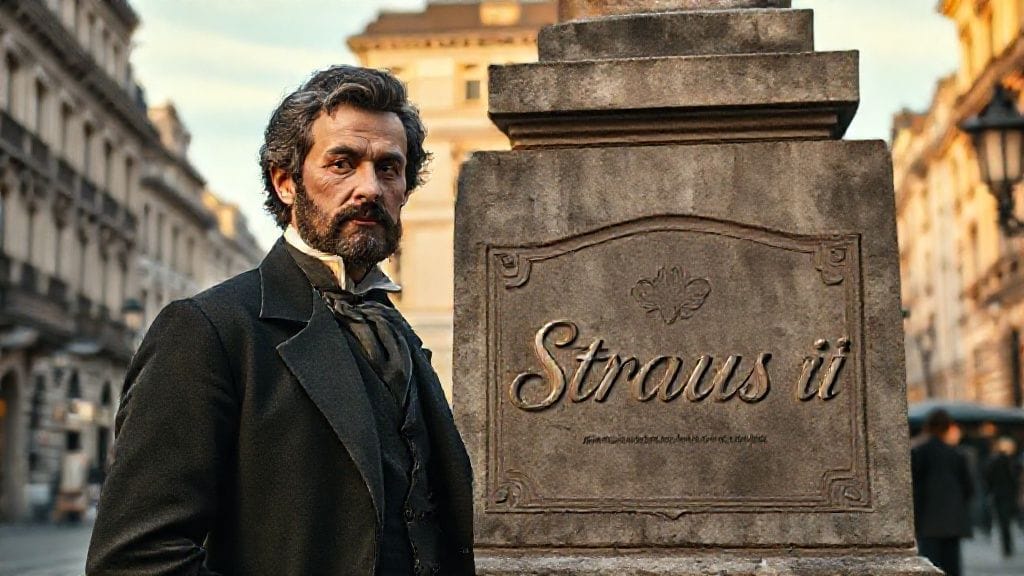
Today, Vienna honors Johann Strauss II in statues, plaques, and a museum dedicated to the Strauss family. The Stadtpark’s famous golden statue of Strauss captures not just his likeness but the joyous spirit of dance he personified.
Annual concerts and festivals ensure that Strauss’s music remains a living tradition, not merely a museum artifact but a vibrant thread in Vienna's cultural tapestry.
The Myth and Reality of Strauss’s Death
Over time, myths have flourished around Strauss’s final days, sometimes obscuring the reality. Stories of last-minute compositions, spiritual encounters, or symbolic deaths have embellished the narrative.
Yet, historical scholarship peels back these layers to reveal the human truth beneath—a composer confronting illness, legacy, and the inevitable end with dignity and grace.
How Johann Strauss II Transformed Vienna’s Cultural Identity
Strauss was not just a musician; he was a cultural agent whose works shaped how Vienna saw itself and how the world saw Vienna. His waltzes became synonymous with the elegance, cosmopolitanism, and joie de vivre that defined the city’s golden age.
Even as history marched on, the spirit of Strauss’s Vienna continues to resonate, evoking images of swirling ball gowns, candlelit dances, and music that binds past and present.
The Global Reach: Strauss’s Music Beyond Austria
The Waltz King’s melodies have echoed beyond Austria’s borders for well over a century. From the concert halls of New York to the grand festivals of Tokyo, Strauss’s music transcends language and culture, drawing listeners into a universal human experience of joy, longing, and celebration.
This global reach underscores not only the quality of his compositions but their deep emotional resonance across diverse peoples and epochs.
Reflections from Contemporaries and Later Musicians
Figures such as Johannes Brahms and Gustav Mahler recognized Strauss’s unique contribution to music, even as they pursued different artistic paths. Later musicians, from Leonard Bernstein to Andre Rieu, have celebrated and reinterpreted the Strauss canon for contemporary audiences.
These reflections illuminate the complex relationship between Strauss’s popular appeal and his serious artistic achievements.
Conclusion: The Eternal Dance of Strauss’s Melody
Johann Strauss II’s death on June 3, 1899, closed a chapter of musical brilliance that transformed Vienna and the world. Yet his melodies continue to dance through time, inviting listeners to celebrate life’s rhythms, joys, and sorrows.
His story is a compelling narrative of talent, struggle, and triumph—reminding us that through music, the spirit can achieve a kind of immortality. Strauss’s Waltz King legacy lives on, forever swirling in the hearts and footsteps of those who dare to dance.
FAQs
Q1: What caused Johann Strauss II’s death?
Johann Strauss II died of pneumonia in Vienna on June 3, 1899, after a period of declining health exacerbated by the stresses of his later life.
Q2: How did the public in Vienna react to his death?
Vienna mourned deeply. Thousands attended his funeral, and concerts across the city paid tribute, reflecting his immense impact on Austrian culture.
Q3: What was Strauss's most famous composition?
“The Blue Danube” is considered his signature work, often regarded as the quintessential Viennese waltz and an anthem of Austria.
Q4: How did Strauss influence the music world beyond Austria?
He popularized the waltz internationally, influencing composers and performers worldwide and embedding the Viennese dance form into global culture.
Q5: Were there any myths about Strauss’s death?
Yes, legends including last-minute compositions and symbolic symbolic events arose, though historians strive to differentiate fact from romantic fiction.
Q6: How is Johann Strauss II commemorated today?
Through statues like the iconic golden monument in Vienna’s Stadtpark, museums, annual concerts, and festivals celebrating his oeuvre.
Q7: Did Johann Strauss II face challenges in his career?
Certainly. He dealt with familial opposition, personal difficulties, public and artistic expectations, as well as health problems later in life.
Q8: How did Strauss shape Vienna’s identity?
His work encapsulated the elegance and vivacity of Vienna during its golden age, becoming a lasting symbol of the city’s musical and cultural heritage.

