Table of Contents
- The Twilight of the Iron Chancellor: July 30, 1898
- Friedrichsruh: From Retreat to Resting Place
- Otto von Bismarck: Architect of German Unity
- The Weight of an Era: Bismarck’s Legacy in Late 19th Century Europe
- A Life Marked by Power and Paradox
- The Final Hours: Bismarck’s Last Days
- The Mourning of a Nation: Public and Private Grief
- The Funeral Procession: A Ceremony in the Shadow of History
- Friedrichsruh Transformed: Memorializing the Chancellor
- From Chancellor to Symbol: How Bismarck Shaped German Identity
- The Subtle Politics of Death: Imperial Germany’s Reflection in Bismarck’s Passing
- The World Reacts: European Powers and the Iron Chancellor’s Departure
- Remembering Bismarck: Monuments, Memoirs, and Memory
- The Posthumous Reputation: Controversy and Reverence
- Bismarck and the Modern State: Lessons from His Death
- The End of an Epoch: Germany on the Verge of a New Century
- Friedrichsruh Today: Pilgrimage and Historical Reflection
- Conclusion: The Iron Chancellor’s Lasting Shadow
- FAQs about Otto von Bismarck’s Death and Legacy
- External Resource
- Internal Link
The Twilight of the Iron Chancellor: July 30, 1898
On a summer day in 1898, as the sun filtered softly through the ancient trees surrounding Friedrichsruh, a profound silence hung over the estate. It was not the silence of peace, but one heavy with the weight of collective sorrow. Otto von Bismarck, the towering figure who had forged a united Germany from a mosaic of independent states, had breathed his last. The Iron Chancellor’s death was more than the passing of a man; it was the closing of a monumental chapter in European history. Beyond the rustling leaves and well-tended gardens, an empire grappled with the meaning of his legacy and the uncertain future that awaited it.
Friedrichsruh: From Retreat to Resting Place
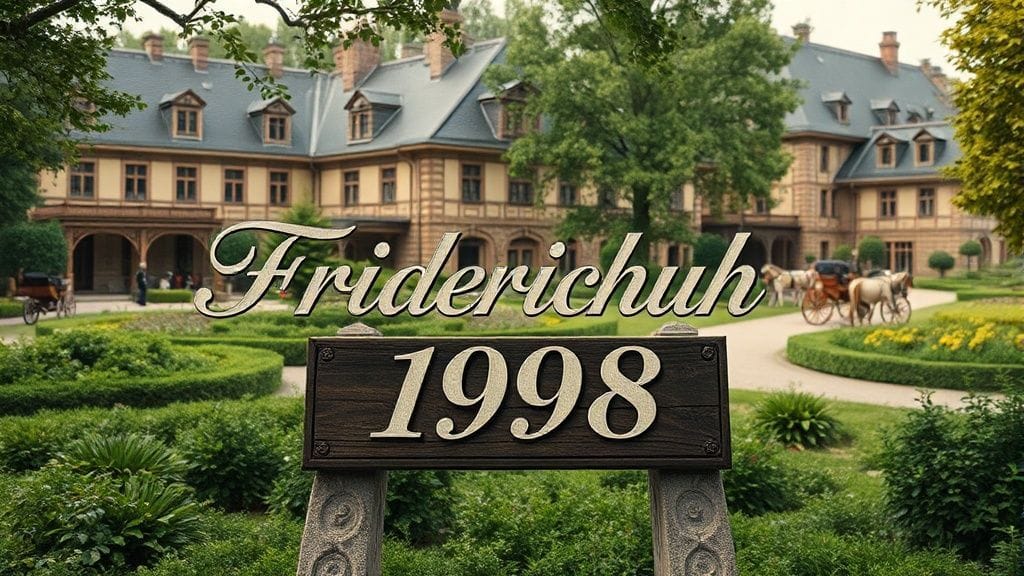
Nestled in the lush Schleswig-Holstein countryside, Friedrichsruh was Bismarck’s chosen sanctuary. Acquired as a gift from Emperor Wilhelm I in appreciation for his political acumen and relentless service, the estate reflected both the chancellor’s humility and his complexity. This serene refuge, with its modest manor and sprawling groves, had been Bismarck’s retreat from the tumultuous corridors of power. In his final years, as the fierce politician faded from the public eye, Friedrichsruh became more than a residence—it was his final stage.
Otto von Bismarck: Architect of German Unity
The life of Otto von Bismarck looms larger than any single event. Born in 1815 into Prussian nobility, his journey was marked by a fierce intellect, iron will, and unyielding pragmatism. Bismarck’s name is forever entwined with the unification of Germany, a masterstroke of Realpolitik that transformed a fractured land into a formidable empire by 1871. Yet, he was no mere nationalist hero. His tenure as Chancellor was a paradox of conservative resolve and cautious modernization, of diplomatic cunning and authoritarian control.
The Weight of an Era: Bismarck’s Legacy in Late 19th Century Europe
Bismarck’s influence rippled through European diplomacy long after German unification. His creation of a complex web of alliances, including the famous Three Emperors’ League and the Reinsurance Treaty with Russia, was designed to isolate France and maintain peace through a balance of power. Yet, these intricate frameworks also sowed seeds of suspicion and entangling commitments that would later unravel with devastating consequences. Understanding the moment of his death requires grasping the precariousness of the continent he helped re-shape.
A Life Marked by Power and Paradox
Masters of history often wield their stories like shields, but Bismarck’s life was no simple tale of heroism. He was a man who declared, “The great questions of the day will not be settled by speeches and majority decisions… but by blood and iron.” A brilliant legislator yet a stubborn autocrat, a social reformer who suppressed socialism, a nationalist who balanced ruthlessness with diplomacy—his contradictions made him endlessly fascinating and deeply controversial.
The Final Hours: Bismarck’s Last Days
By 1898, Bismarck was a frail figure, removed from the political spotlight that once consumed him. His body, weakened by years of stress and illness, finally succumbed on July 30. Those present at Friedrichsruh recalled a serene yet somber atmosphere, a man whose once-commanding presence was now quiet but dignified. His loyal family gathered, the house filled with muted grief. Outside, the empire braced to bid farewell to its Iron Chancellor.
The Mourning of a Nation: Public and Private Grief
News of Bismarck’s death reverberated across Germany. In vibrant Berlin to the smallest villages, flags flew at half-mast, and a profound sense of loss was palpable. Yet beneath this national mourning lay nuanced emotions. For some, Bismarck was a symbol of stability and strength; for others, a figure of repression and rigid conservatism. The public ceremonies reflected a complex relationship with the past, framed by both genuine admiration and political calculation.
The Funeral Procession: A Ceremony in the Shadow of History
The funeral was more than a ritual; it was an event steeped in symbolism. Held at Friedrichsruh, the service was attended by dignitaries, military honor guards, and family, echoing the solemnity reserved for a national father. The procession wound through the verdant landscape, past the forests Bismarck loved, and toward his final resting place. Soldiers’ boots, horse-drawn carriages, and the distant pealing of church bells set a somber tone. This moment was as much about Germany’s identity as about the man himself.
Friedrichsruh Transformed: Memorializing the Chancellor
Following his burial, Friedrichsruh assumed new meaning—not merely a home but a monument. Bismarck’s mausoleum became a pilgrimage site for admirers and historians, a place where the physical and symbolic entwined. The estate’s preservation and expansion of its collections ensured that memory itself would remain alive, a testament to the man who had shaped the nation’s very foundations.
From Chancellor to Symbol: How Bismarck Shaped German Identity
Bismarck’s death catalyzed the transmutation of a living man into a national symbol. His image, immortalized in sculptures, busts, and paintings, came to represent an ideal of strength and unity. In the fractured landscape of German politics at the dawn of the 20th century, Bismarck stood as a unifying icon—sometimes myth, sometimes inspiration. He embodied the Prussian virtues of discipline and order but also the tricky compromises of modern governance.
The Subtle Politics of Death: Imperial Germany’s Reflection in Bismarck’s Passing
The passing of Bismarck was also a political event. His strained relationship with Kaiser Wilhelm II colored the public’s reading of his death. The new emperor’s ascent had already marked a shift away from Bismarck’s cautious diplomacy toward a bolder, riskier policy. Thus, memorializing the Iron Chancellor was as much an act of reverence as a commentary on imperial ambitions and the fractures within the German elite.
The World Reacts: European Powers and the Iron Chancellor’s Departure
Across Europe, reactions to Bismarck’s death varied from cautious respect to strategic recalibration. The French, still wary of the German Empire, saw the end of an era that had unified their rival into a power bloc. Britain and Russia observed with interest, reflecting on the fragile peace Bismarck’s diplomacy had helped maintain. International newspapers extolled his political genius while pondering how his absence might shift the precarious balance.
Remembering Bismarck: Monuments, Memoirs, and Memory
The final decades of the 19th and early 20th centuries saw a flourish in Bismarck-related memorial culture. Biographies flooded the market, official histories sought to define his role, and state-funded monuments appeared throughout Germany. These acts of remembrance, however, were not without controversy. Competing political factions argued over Bismarck’s true legacy—some praising his social reforms and statecraft, others condemning his authoritarianism.
The Posthumous Reputation: Controversy and Reverence
Even after death, Bismarck’s figure inspired passionate debate. To the Social Democrats, his anti-socialist laws were a stain; to conservatives, his faith in monarchy was a foundation. His social welfare programs paved the way for modern social insurance but remained tied to paternalistic and politically motivated control. His realpolitik approach, while effective, raised questions about morality in governance that historians still wrestle with today.
Bismarck and the Modern State: Lessons from His Death
Bismarck’s death invites reflection on the nature of power, leadership, and legacy. As a state-builder, his achievements underscore the possibilities and pitfalls of centralized authority. His passing signaled not only the end of a political career but also the transition from 19th-century realpolitik to the more ideologically charged politics of the 20th century. The modern nation-state, in many ways, still grapples with the questions Bismarck posed about unity and governance.
The End of an Epoch: Germany on the Verge of a New Century
The closing years of the 19th century were tumultuous. Bismarck’s departure left a vacuum filled by ambition and uncertainty. Germany was poised to assert itself on the world stage more aggressively, catalyzing conflicts and alliances that shaped the century to come. The Iron Chancellor’s death was a symbolic threshold—both a farewell to the old order and an unsettling beginning to new challenges.
Friedrichsruh Today: Pilgrimage and Historical Reflection
More than a century later, Friedrichsruh remains a site of historical reflection. Visitors tread the paths once walked by Bismarck, absorbing the quiet dignity of the landscape. Museums and archives preserve his extensive correspondence and artifacts. The estate stands as a reminder of the man who, through blood and iron, forged a nation—and whose shadow still flickers over Europe’s history.
Conclusion
Otto von Bismarck’s death on July 30, 1898, was far more than the mere passing of an aged statesman. It marked the coda of a transformative era in Germany and Europe—an era shaped by a man as formidable in death as in life. Through political genius and relentless will, Bismarck welded fractured lands into an empire and authored the diplomacy that held a tentative peace among often competing powers. Yet, his legacy is as complicated as his nature—marked by pragmatism and paradox, reform and repression, unity and division. Friedrichsruh, where these final moments unfolded, continues to echo with the whispers of history, a place where the Iron Chancellor rests, and where the story of modern Germany’s birth endures.
FAQs
Q1: What were the primary causes leading up to Bismarck’s death?
A1: By 1898, Bismarck was elderly and in declining health after years of intense political engagement and personal stress. His withdrawal from politics following his dismissal in 1890 left him relatively isolated, and his physical condition deteriorated naturally with age.
Q2: How did Friedrichsruh reflect Bismarck’s personality and career?
A2: Friedrichsruh was a modest estate given to Bismarck by Emperor Wilhelm I, symbolizing a retreat from political life yet also a place of comfort and reflection. It echoed Bismarck’s pragmatic and unpretentious nature, serving as a quiet stage for his final days.
Q3: What was the public reaction in Germany to Bismarck’s death?
A3: The reaction was one of profound mourning and respect, as many saw him as the founding father of the German Empire. However, there were also mixed feelings among socialists and liberals, given his conservative policies and opposition to certain reforms.
Q4: How did European powers respond to the news of Bismarck’s death?
A4: European nations observed the event with a mixture of respect and calculation. Bismarck’s intricate diplomatic network had maintained a precarious peace; his death posed questions about Germany’s future foreign policy direction.
Q5: In what ways did Bismarck’s death influence German politics under Kaiser Wilhelm II?
A5: Wilhelm II had already dismissed Bismarck in 1890, favoring a more assertive and less cautious approach. Bismarck’s death removed a century-defining figure, allowing new policies that eventually contributed to increasing tensions in Europe.
Q6: How is Bismarck remembered today in Germany?
A6: Bismarck remains a pivotal figure in German history—celebrated for his role in unification and statecraft, yet debated for his authoritarian tendencies. His legacy is reflected in monuments, historical scholarship, and public memory.
Q7: What role did Bismarck play in shaping the modern welfare state?
A7: Bismarck pioneered early social insurance programs, including health, accident, and pension schemes. These reforms aimed to integrate the working class into the empire’s fabric, combining control with social progressivism.
Q8: Why is Friedrichsruh still significant in historical studies of Bismarck?
A8: Friedrichsruh serves as both a memorial site and a tangible connection to Bismarck’s personal life, providing insight into the man behind the legend and offering a serene backdrop for studying his lasting impact.