Table of Contents
- The Fateful Night in Kyoto: December 10, 1867
- A Rising Samurai’s Final Steps
- The Turbulent Era of Bakumatsu Japan
- Sakamoto Ryōma: From Humble Origins to Revolutionary Visionary
- The Shadow of Shogunate and Imperial Court Rivalries
- The Satsuma and Chōshū Alliance: Crafting Japan’s Future
- Political Intrigue in Kyoto: A City on the Brink
- The People’s Champion or the Enemy of Tradition?
- Eyewitness Accounts and The Investigation That Followed
- Who Killed Sakamoto Ryōma? Theories and Controversies
- The Impact of Ryōma’s Death on the Meiji Restoration
- The Birth of Modern Japan: Birth Pangs and Betrayals
- Remembering Ryōma: From Obscurity to National Hero
- Cultural Reflections: Ryōma in Literature, Film, and Collective Memory
- Lessons From a Life Cut Short
- Conclusion: Ryōma’s Enduring Flame
- FAQs on Sakamoto Ryōma and His Assassination
- External Resource
- Internal Link
1. The Fateful Night in Kyoto: December 10, 1867
The cold December air clung to the narrow alleys of Kyoto as midnight approached. In a quiet, unassuming residence within the bustling city’s shadows, Sakamoto Ryōma, a man who had become a symbol of revolution and hope, was about to meet his violent end. The city, a labyrinth of tradition and unrest, held its breath. Behind the sliding doors, masked assassins moved swiftly, ending the life of a figure whose ideas would soon reshape an entire nation. It was December 10, 1867—a night that marked not only the death of Ryōma but the imminent transformation of Japan itself.
The brutal murder shocked contemporaries; how could a single swordsman’s death alter the course of history? Yet, as dawn broke over Kyoto, the seeds sown by Ryōma’s vision began to sprout, building the foundation for the Meiji era. This was the twilight of the samurai age and the dawn of modern Japan, with Ryōma’s blood staining the threshold between eras.
2. A Rising Samurai’s Final Steps
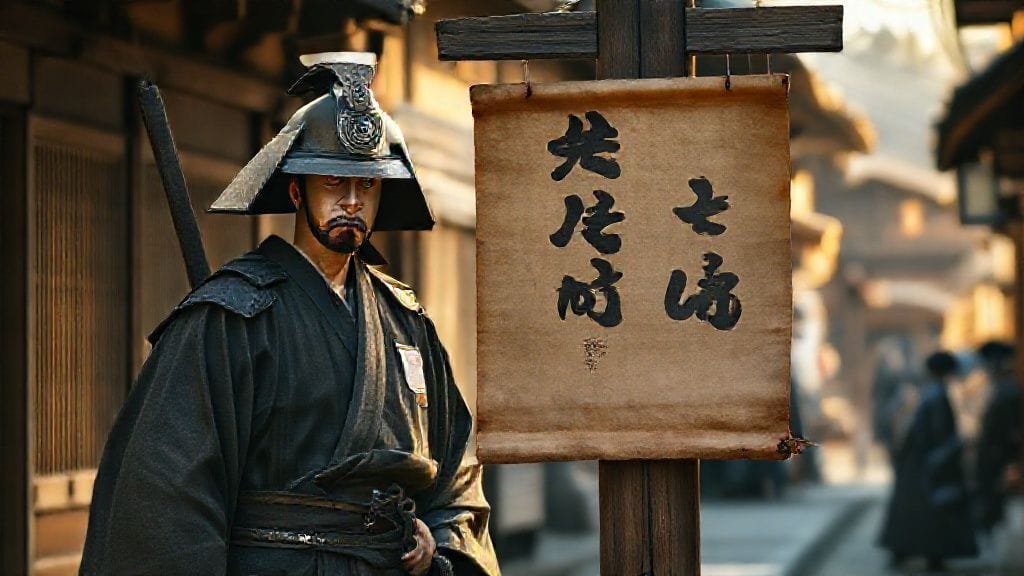
Sakamoto Ryōma was no ordinary samurai. Born into a low-ranking samurai family in Tosa Domain on the island of Shikoku, Ryōma had defied societal expectations. As a young man, he trained fervently in swordsmanship but grew restless with the rigid feudal order. He yearned for change—a future where Japan could stand equal to Western powers, free from the shackles of isolation and internal decay.
By 1867, Ryōma was a political broker and visionary, orchestrating unlikely alliances. His efforts towards uniting influential domains, notably Satsuma and Chōshū, aimed at overthrowing the Tokugawa Shogunate. His revolutionary dream, however, made him many enemies—ultra-loyalist samurai who saw him as a traitor, shogunal spies, and rival factions all thirsty to preserve their fading power.
On that fateful evening, Ryōma was at home with his confidant and bodyguard, Nakaoka Shintarō. The assassins’ sudden strike was swift—there was no time to fight or flee. The man who had changed Japan’s destiny lay dead, stabbed multiple times, his vision extinguished… or so it seemed.
3. The Turbulent Era of Bakumatsu Japan
To understand why Ryōma’s death was so pivotal, we must delve into the chaotic period known as Bakumatsu—the final years of the Tokugawa Shogunate. Japan, once isolated for centuries, was forcibly opened to the world following Commodore Perry’s arrival in 1853. Foreign technologies, ideologies, and trade flooded in, unsettling centuries of order.
The shogunate faced internal corruption, weakening authority, and growing discontent among samurai, peasants, and merchants alike. The imperial court in Kyoto, nominally the highest authority, remained politically sidelined. Domainal lords (daimyōs) jostled for power, often divided over whether to modernize or cling to traditional isolationism.
Amidst this turmoil rose voices demanding reform, revolution, or restoration of imperial power. Sakamoto Ryōma became a beacon of hope for many who believed Japan could be reborn as a unified modern nation rather than driveling into fragmentation or domination by foreign powers.
4. Sakamoto Ryōma: From Humble Origins to Revolutionary Visionary
Born in 1836, Ryōma’s youth in the rural Tosa domain was marked by rigorous training and simmering questioning of the status quo. His early exposure to both classical samurai education and the pressing urgency of Western military methods sparked a fusion of respect for tradition and openness to innovation.
His charisma and strategic mind soon made him a central figure in Tosa’s political maneuverings. Unlike isolationist hardliners, Ryōma advocated for modernization, naval development, and political negotiation rather than bloody insurrection. Crucially, he envisioned a new Japan led by cooperation between the shogunate and the emperor—a radical idea when domains and political factions operated like rival warlords.
His friendships crossed domains and ideological divides. Meeting with key players in Satsuma and Chōshū, Ryōma fostered the clandestine alliance that would eventually dismantle Tokugawa authority.
5. The Shadow of Shogunate and Imperial Court Rivalries
Japan’s fractured political landscape was a powder keg. The Tokugawa shogunate, which ruled Japan for over 250 years, clung desperately to power but lacked legitimacy as Western invasion threats loomed. The imperial court in Kyoto, with its centuries-old cultural prestige, sought restoration of political authority but was militarily weak.
Domains like Satsuma and Chōshū, long rivals, found opportunity in the chaos. Their alliance was not just a matter of convenience—it was a strategic gathering of resources and military might aimed to dethrone the shogun.
Ryōma’s diplomatic acumen helped bridge distrust. His efforts to propose a new constitution and political framework bore seeds that would flower in the 1868 Meiji Restoration.
6. The Satsuma and Chōshū Alliance: Crafting Japan’s Future
At the heart of the coming storm was the Satsuma-Chōshū alliance. For centuries, these southern domains maintained a fierce rivalry, yet Ryōma managed to manipulate mutual interests towards collaboration against the shogunate.
This was no easy feat. Each domain had its own ambitions and fears, distrust coloring years of conflict. Ryōma’s unique position as a neutral mediator, combined with his vision of a unified Japan, allowed the alliance to materialize—an alliance that would provide the military and political muscle necessary to force change.
Though Ryōma would not live to see its triumph, his role as the architect of this coalition cemented his place in history as the “Visionary of the Revolution.”
7. Political Intrigue in Kyoto: A City on the Brink
Kyoto in the late 1860s was a powder keg. The imperial capital was a hotspot for espionage, assassination, and political plotting. Shogunal agents mixed with imperial loyalists in smoky teahouses and grand palaces. Loyalties were thin and shifting.
Ryōma’s assassination took place in this context—an event likely motivated by fears that his radical diplomacy endangered entrenched power structures. His killers belonged to the Koyoto Hitokiri corps, assassins allegedly tied to shogunate loyalists, though definitive proof remains elusive.
On that night in December, Kyoto bore witness to the brutal fragility of transition—a city teetering between the old world and the chaos of rebirth.
8. The People’s Champion or the Enemy of Tradition?
Sakamoto Ryōma’s image was complex. To some, he was the idealistic hero who paved the way for a modern, peaceful Japan through negotiation rather than endless bloodshed. To others, a dangerous radical who betrayed samurai code and kingdom.
His advocacy for peaceful unification, abolition of feudal privileges, and embrace of Western knowledge made him enemies among traditionalists but attracted followers who foresaw Japan’s uncertain future.
This duality makes Ryōma’s story resonate deeply—even in his death, his legend grew as a symbol of national rebirth.
9. Eyewitness Accounts and The Investigation That Followed
Details of the assassination come from few, often contradictory sources. Most accounts tell of masked assailants storming Ryōma’s residence, attacking the two men inside. Despite the ferocity of the attack, precise identity and motivation remain debated.
Nakaoka Shintarō also died from the wounds suffered that night, silencing a key witness. The investigation was hampered by political pressures and factional interests. Some contemporaries accused the Shinsengumi, the shogunate’s feared special police force, while others pointed at rival factions or even foreign conspirators.
The murky truth of who ordered the hit leaves a haunting question mark over this pivotal event.
10. Who Killed Sakamoto Ryōma? Theories and Controversies
Over the decades, historians have proposed numerous theories about Ryōma’s murder. The most popular narrative implicates Koyoto Hitokiri, assassin swordsmen loyal to the shogunate.
Others speculate on internal disputes within the revolutionary alliance. Could Ryōma’s growing influence and unorthodox ideas have threatened factions on all sides? Some even suggest that foreign agents might have played a role, fearing the empowering of nationalist Japan.
Ryōma’s death remains one of the enduring mysteries of the Bakumatsu period, underpinning the complex politics of transition.
11. The Impact of Ryōma’s Death on the Meiji Restoration
Though prematurely cut down, Ryōma’s efforts rippled across the power landscape. His alliances and ideas accelerated the fall of the Tokugawa system.
The Meiji Restoration of 1868, less than a year after his death, saw the young emperor restored to power with real political authority and the feudal order dismantled. The Satsuma-Chōshū alliance became central players in this radical transformation.
Ironically, Ryōma’s assassination may have galvanized support for the revolution—his martyrdom symbolized the sacrifice necessary for Japan’s rebirth.
12. The Birth of Modern Japan: Birth Pangs and Betrayals
The Meiji era ushered in rapid modernization—centralized government, industrialization, constitutional governance—but was also marked by struggles to balance tradition and innovation.
Ryōma’s vision of political cooperation was partially realized, but the cost was high. Old samurai privileges were abolished, leading to uprisings such as the Satsuma Rebellion. The modern nation was born from blood, ideals, and betrayals.
Ryōma’s life and death encapsulate this painful metamorphosis—a testament to the sacrifices embedded in progress.
13. Remembering Ryōma: From Obscurity to National Hero
At his death, Ryōma was not yet a legend. Only decades later, during Japan’s search for identity in an era of nationalism, did his image ascend.
Monuments were erected, biographies written, and popular media immortalized his life. Today, Ryōma is celebrated as a pioneer of democracy, unity, and modernization—an embodiment of Japan’s transition from feudal isolation to vibrant modernity.
14. Cultural Reflections: Ryōma in Literature, Film, and Collective Memory
Ryōma’s story has inspired countless novels, films, manga, and TV dramas in Japan. His life’s narrative—from a scrappy young samurai to visionary peacemaker—resonates as a heroic epic.
Artists and historians continue to debate and reinterpret his legacy, reflecting Japan’s evolving relationship with its past and future.
15. Lessons From a Life Cut Short
Ryōma’s assassination speaks to the dangers faced by reformers challenging entrenched power. It shows how transitional periods are fraught with violence but also hope.
His life reminds us that change requires courage, vision, and often sacrifice. Ryōma’s story encourages reflection on leadership, national identity, and the perpetual human struggle between tradition and progress.
Conclusion
Sakamoto Ryōma’s final night in Kyoto was both an end and a beginning. Though silenced by blade, his vision echoed through the corridors of power and the hearts of people yearning for transformation. His assassination epitomizes the turbulence of an era on the cusp of profound change—a moment when old Japan gave way to the dawn of modernity.
In remembering Ryōma, we glimpse the fragile brilliance of revolutionary dreams, the price of progress, and the enduring power of an individual’s resolve to reshape history. More than a victim or martyr, Ryōma remains an immortal symbol of hope and boldness amid darkness—a flame that would ignite the future of Japan.
FAQs on Sakamoto Ryōma and His Assassination
Q1: Who was Sakamoto Ryōma and why is he important?
A: Ryōma was a samurai and visionary who played a key role in uniting rival domains and negotiating political alliances that led to the Meiji Restoration, a turning point in Japan’s modernization.
Q2: Why was Ryōma assassinated?
A: His revolutionary activities threatened the Tokugawa shogunate and conservative forces. Though precise motives remain debated, his assassination was aimed at halting his influence.
Q3: Who were the main suspects in Ryōma’s assassination?
A: The Koyoto Hitokiri, assassins loyal to the shogunate, are commonly believed responsible. Some theories suggest rival factions or internal conspirators, but no definitive proof exists.
Q4: How did Ryōma’s death affect the course of Japanese history?
A: His assassination arguably hastened the collapse of the Tokugawa regime, with Ryōma’s alliances and vision paving the way for the Meiji Restoration.
Q5: How is Ryōma remembered in Japan today?
A: He is celebrated as a national hero and symbol of progressive change. His life inspires works of literature, film, and public monuments.
Q6: What was the Bakumatsu period?
A: The Bakumatsu refers to the final years of the Tokugawa shogunate (1853–1868), a turbulent time marked by political upheaval, foreign pressure, and the eventual collapse of feudal order.
Q7: What role did the Satsuma-Chōshū alliance play?
A: It was a powerful coalition of domains that opposed Tokugawa rule and ultimately helped restore imperial power, turning Japan towards modernization.
Q8: Are there conspiracy theories around Ryōma’s assassination?
A: Yes. Various theories exist about who ordered the killing, including internal political rivals and even foreign interests seeking to destabilize Japan.