Table of Contents
- The Fateful Morning: Calabasas Awakes to Tragedy
- Kobe Bryant: From Rising Star to Global Icon
- The Legacy of a Basketball Legend
- The Anatomy of the Crash: What Happened on January 26, 2020?
- The Witnesses and First Responders: Voices from the Scene
- The Role of Helicopter Travel in Los Angeles’ High Society
- A Day of Mourning: Immediate Reactions Around the World
- The Global Outpouring: Tributes from Fans and Celebrities
- The Loss of Gianna Bryant and the Tragedy of Youth Cut Short
- Media Coverage and the Ethics of Reporting a Mass Tragedy
- The Investigation’s Trail: FAA, NTSB, and the Search for Answers
- The Culture of Hero Worship and the Burden of Perfection
- The Impact on the NBA and the Evolution of Sports Mourning
- Remembering Kobe in Calabasas: Memorials and Pilgrimages
- How the Tragedy Changed Perspectives on Helicopter Safety
- The Psychological Weight on the Lakers and NBA Players
- The Role of Social Media: From Grief to Activism
- Lessons from Kobe’s Death on Legacy and Humanity
- The Enduring Spirit: Kobe Bryant’s Posthumous Influence
- Conclusion: The Final Shot – Reflection and Remembrance
- FAQs – Understanding Kobe Bryant’s Death and Legacy
- External Resource
- Internal Link
1. The Fateful Morning: Calabasas Awakes to Tragedy
It was a clear, foggy morning in the hills above Los Angeles, a place typically defined by luxury, quiet palms, and secretive retreats. January 26, 2020, started unremarkably for most, but for millions worldwide, it would come to symbolize something far more profound: the sudden loss of a modern myth. Helicopter engines roared through the mist, slicing through the silence that morning, carrying Kobe Bryant—a former basketball superstar—and his daughter Gianna on a routine trip that would end in catastrophe. Just before 10 a.m., the world’s pulse staggered as news broke of a tragic helicopter crash in Calabasas, California. Nine lives perished that day, but none captured the global sorrow like Kobe and Gianna Bryant.
The tragedy sent shockwaves through communities, transcending sports, race, and geography. What followed was not just mourning, but a profound reflection on the life and death of a man who had woven himself into the fabric of a generation.
2. Kobe Bryant: From Rising Star to Global Icon
Kobe Bryant’s story is one of extraordinary force of will, talent, and relentless pursuit of excellence. Born in Philadelphia in 1978, Kobe quickly rose through the ranks of basketball prodigies, leaping straight from high school into the NBA at just 17. His dedication was legendary; a fierce competitor known for an unyielding work ethic dubbed the “Mamba Mentality,” inspired by a black mamba snake symbolic of deadly precision and resilience.
Over two decades with the Los Angeles Lakers, Kobe amassed five NBA championships, two Olympic gold medals, and a global fanbase that touched continents. But Bryant was more than an athlete—he was a storyteller, an entrepreneur, and a cultural figure who defied the simple label of sportsman.
Beyond the basketball court, Kobe was devoted to family. His relationship with his wife Vanessa and their four daughters was well-known to those around him and formed an essential part of his identity far beyond the glare of stadium lights.
3. The Legacy of a Basketball Legend
Kobe’s impact on basketball is unparalleled—a perfectionist who transformed the game through skill and fierce determination. His matches were arenas of drama: buzzer-beaters, alley-oops, and solo performances that etched him forever in NBA lore. Yet his legacy also encompasses mentorship and philanthropy, inspiring a new generation of athletes and creators.
To many, Kobe Bryant was synonymous with the broader cultural renaissance of basketball as a global language, bridging divides through sportsmanship and personal branding. He was a symbol of striving, of overcoming injury and criticism to continue competing at the highest level.
But never was Kobe’s genius without its shadows — fierce controversies and mercurial behavior early in his career left scars. Still, his later years painted a figure seeking redemption, balance, and the joys of fatherhood.
4. The Anatomy of the Crash: What Happened on January 26, 2020?
On that cold Sunday morning, Kobe and Gianna, affectionately called “Gigi,” boarded a Sikorsky S-76 helicopter with seven others to attend a basketball tournament at the Mamba Sports Academy in Thousand Oaks. The flight made sense: avoiding Los Angeles traffic, flying high in the hills.
But dense fog and low clouds cloaked much of the path through the Santa Monica Mountains. Air traffic control lost sight of the helicopter. At approximately 9:45 a.m., it crashed into a hillside near Las Virgenes Road in Calabasas, erupting in flames on impact. All on board died instantly.
Investigators described the area’s intense fog and limited visibility as critical factors. The pilot, experienced and trained in challenging conditions, reportedly tried to ascend above the clouds, but tragically, the helicopter entered a phenomenon called “controlled flight into terrain” (CFIT).
Images of the wreckage spread quickly, confirming the worst fears: the loss was absolute and indiscriminate.
5. The Witnesses and First Responders: Voices from the Scene
Eyewitnesses who glimpsed the helicopter’s final moments spoke of a silence shattered by sudden explosion and smoke plume filling the hills. First responders arrived rushing through the twisting mountain roads, encountering the firefighter’s nightmare—a fiery crash site atop a remote slope.
Paramedics, police, and fire crews quickly realized the crash’s grim toll. Despite their efforts, no survivors emerged. Many recounted the surreal poignancy of finding children’s basketball gear among the wreckage.
One firefighter later confessed, “We see tragedy every day, but this… it felt different. It was like a raw wound in the community's heart.” This sentiment echoed the sense that the event was unprecedented in its emotional weight.
6. The Role of Helicopter Travel in Los Angeles’ High Society
For decades, the helicopter has symbolized a shortcut across sprawling Los Angeles’ sprawling labyrinth of freeways and traffic jams. From Hollywood executives to sports stars, helicopters have become the aerial arteries of a hurried elite.
Kobe Bryant was no stranger to this mode of transport—using it both for convenience and protection against the city's infamous congestion. Yet the accident prompted widespread scrutiny of helicopter safety and the pressures of commercial and private aviation in the region.
Was the helicopter’s flight plan standard? Were the pilot’s decisions influenced by time pressure or weather conditions? These questions stoked debates about the risks of flying in California’s often foggy mountain terrain.
7. A Day of Mourning: Immediate Reactions Around the World
As the news spread, the NBA suspended all its games on January 26. Philadelphia, Kobe’s birthplace, and Los Angeles, his adopted home, went into collective grief. Fans flocked to public spaces to light candles, wear jerseys, and share stories of how Bryant inspired their lives.
Kobe’s jersey No. 24 seemed omnipresent—from street basketball courts to corporate offices. The outpouring was deeply felt across social media and global news outlets, marking an instant worldwide vigil for an icon whose influence transcended sport.
“I lost a hero,” tweeted tennis champion Serena Williams. “The game will never be the same.”
8. The Global Outpouring: Tributes from Fans and Celebrities
LeBron James, Chris Paul, and other NBA stars poured out messages of heartbreak and respect. Hollywood actors, musicians, and world leaders echoed the sentiment. The Staples Center’s makeshift memorial swelled with flowers, posters, and heartfelt letters.
Even distant countries where basketball was considered fringe embraced the loss. Kobe’s pioneering efforts to engage with international communities through youth camps and charity worked to create a personal connection globally.
This convergence of grief highlighted the power of sports to unite disparate communities under a shared sense of loss and admiration.
9. The Loss of Gianna Bryant and the Tragedy of Youth Cut Short
Among the victims was Kobe’s 13-year-old daughter, Gianna, an aspiring basketball player who had inherited her father’s competitive spirit. Gianna’s death was deeply symbolic—an innocent passion snatched away before it could bloom.
Kobe often spoke publicly about coaching Gianna’s team and his hopes for her career, and many mourned the future that was stolen from a promising family.
This loss contextualized the tragedy not just as the fall of a titan but as a domestic heartbreak shared by parents worldwide who imagined a different fate for their children.
10. Media Coverage and the Ethics of Reporting a Mass Tragedy
News outlets grappled with the responsibility of reportage: the balance between public interest and respect for the victims’ privacy. Graphic images of the crash were withheld, and family pleas for sensitivity were amplified.
Yet the relentless 24/7 news cycle and social media meant that speculation, misinformation, and voyeurism mingled with sincere grief. Ethical journalism debates surfaced about the line between honoring public figures and delving into tragic spectacle.
Despite the chaos, many praised certain key broadcasters for humane coverage, treating Kobe not as a headline, but a person deserving dignity.
11. The Investigation’s Trail: FAA, NTSB, and the Search for Answers
In the following months, the National Transportation Safety Board (NTSB) led a complex investigation into the incident. Their report released in February 2021 spotlighted pilot error compounded by poor weather conditions as critical causes.
The pilot had entered clouds, losing spatial awareness in what is known as “spatial disorientation.” The helicopter, lacking some safety features required today, was inadvertently flown into terrain.
The report sparked calls to revisit aviation safety protocols, especially concerning the use of helicopters near urban fog zones and reliance on visual flight rules.
12. The Culture of Hero Worship and the Burden of Perfection
Kobe Bryant’s death fueled reflection on the often impossible expectations placed upon heroes. His “Mamba Mentality,” while inspirational, sometimes masked a human vulnerable to flaws and errors.
Fans wrestled with idolizing a man who, despite his successes, faced his own adversities—including legal troubles and personal reinvention. The calculus of perfection had both elevated and isolated him.
His death crystallized the precariousness of glory, forcing society to humanize its stars, accepting their complexity beyond myth.
13. The Impact on the NBA and the Evolution of Sports Mourning
Kobe’s passing changed how the NBA and athletes approach grief and legacy. The league instituted new rituals: moments of silence, jersey retirements, commemorative patches, and donations to youth programs.
Athletes publicly processing their grief provided a cultural shift away from stoicism to vulnerability in sportsmanship. The collective mourning united players and fans in shared humanity, transcending rivalry.
This also prompted reflection on athlete mental health and the pressures of public life rarely acknowledged before.
14. Remembering Kobe in Calabasas: Memorials and Pilgrimages
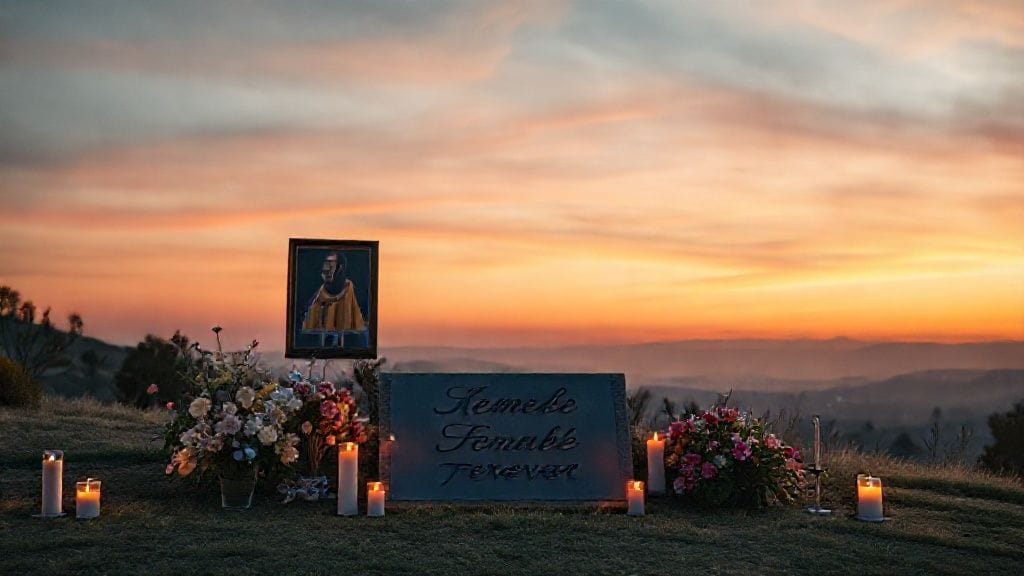
The crash site quickly became a sacred spot for pilgrimage, near winding Hillcrest Avenue, with makeshift memorials evolving into formal public commemorations. Local communities organized murals, gatherings, and educational events.
In 2021, plans were advanced for a permanent memorial to honor Kobe, Gianna, and the others lost—a physical space to reflect, remember, and educate about resilience.
Calabasas transformed from a quiet enclave into a focal point of collective remembrance, where personal grief met public homage.
15. How the Tragedy Changed Perspectives on Helicopter Safety
The crash placed serious scrutiny on helicopter travel practices in California and beyond. It revitalized conversations on pilot training, automated safety systems, and regulations in adverse weather.
Manufacturers accelerated calls to implement terrain awareness and warning systems, and pilots reexamined risk management protocols.
Insurance companies and operators became more vigilant. The tragedy became a marker of safety reform, with carriers reconsidering contracted routes and pressure on policymakers to enhance regulations.
16. The Psychological Weight on the Lakers and NBA Players
Inside the Lakers organization, Kobe wasn’t just a legend but a mentor and constant presence. His death deeply affected teammates and management, flooding the franchise with long-lasting grief and determination to honor him.
Players like LeBron James spoke openly about the emotional strain and motivated their performance through memory and tribute. The NBA community collectively sought counseling and support, acknowledging mental health’s paramount importance.
This shift opened dialogues about grief management in high-performance contexts, long neglected in pro sports.
17. The Role of Social Media: From Grief to Activism
Social media platforms exploded with heartfelt tributes, creating communal spaces for grief. Hashtags, fan videos, and digital memorials allowed millions to share stories and memories.
However, the platforms also hosted conspiracy theories and misinformation, challenging moderation practices and the emotional wellbeing of users.
Many fans and organizations harnessed this digital momentum to launch charity drives, youth sports programs, and anti-crash safety campaigns, transforming mourning into purposeful activism.
18. Lessons from Kobe’s Death on Legacy and Humanity
The fatal crash was a brutal reminder that no celebrity or hero is immune to mortality. It prompted deep questions about how society venerates greatness and copes with loss.
Kobe’s journey from prodigy to father, hero to flawed human, mirrors the universal human condition—a relentless strive toward meaning amid uncertainty. His death forced a pause: to appreciate the finite nature of life and the enduring power of legacy rooted in resilience, humility, and love.
As writer and fan J.R. Moehringer wrote, “Kobe’s death was a shout to cherish moments, ambitions, and family above all.”
19. The Enduring Spirit: Kobe Bryant’s Posthumous Influence
Since 2020, Kobe’s legacy has not dimmed. His influence endures through his books, films—such as the Oscar-winning “Dear Basketball”—and the Mamba & Mambacita Sports Foundation, supporting youth athletes.
His ideals of dedication and self-improvement ripple across fields extending beyond basketball: education, arts, and entrepreneurship.
Annually, basketball courts worldwide hold moments of silence or “Mamba Days” in his honor, celebrating not only his sport but his ethos of perseverance and mentorship.
20. Conclusion: The Final Shot – Reflection and Remembrance
The death of Kobe Bryant in Calabasas was more than a tragedy—it was a moment of collective heartbreak and reflection across the globe. It exposed the fragility beneath greatness and the unyielding human need to find meaning in loss.
In remembering Kobe and Gianna Bryant, the world honors not simply their lives, but the ideals they embodied: ambition, family, and the courage to rise after falling. Their story remains an enduring call to embrace every moment with intentionality and heart.
The fog that shrouded that January morning lifted eventually, but the memory of that day continues to illuminate the spirit of countless individuals inspired by Kobe’s life and legacy.
FAQs
Q1: What caused the helicopter crash that killed Kobe Bryant?
The crash primarily resulted from the pilot entering thick fog and losing spatial orientation, known as “controlled flight into terrain.” Weather conditions and lack of certain safety systems were critical factors.
Q2: Who else died in the crash alongside Kobe Bryant?
Nine people died, including Kobe’s daughter Gianna, coach John Altobelli and his family, and the helicopter pilot Ara Zobayan.
Q3: How did the NBA and Lakers respond to Kobe’s death?
The NBA suspended games, teams held tributes and moments of silence, and the Lakers retired Kobe’s jersey numbers. The organization also supported players’ mental health during grieving.
Q4: What is the “Mamba Mentality” Kobe Bryant spoke about?
A philosophy of relentless hard work, resilience, and self-improvement inspired by the black mamba snake, symbolizing focus and precision in life and sport.
Q5: How did Kobe Bryant’s death impact helicopter safety regulations?
It prompted calls for stricter pilot training, advanced warning systems, and reevaluations of flight plans in hazardous weather, particularly under visual flight rules near mountainous areas.
Q6: In what ways has Kobe Bryant’s legacy continued after his death?
Through youth foundations, media projects, and ongoing cultural influence in sports and beyond, celebrating his philosophy and mentorship.
Q7: How was the crash site memorialized?
Fans and communities created informal shrines and murals, with plans for a permanent memorial in Calabasas to honor all victims.
Q8: What lessons does Kobe Bryant’s death teach about celebrity and human vulnerability?
That even icons are mortal and complex, deserving empathy rather than idolization, highlighting the importance of appreciating life beyond fame.

