Table of Contents
- The dawn of January 12: A peaceful morning shattered
- The restless heart of Luzon: Geological backdrop and volcanic history
- Signs and shadows: Early warnings before the eruption
- The first explosion: Taal awakens after decades of slumber
- The ashfall nightmare: Darkness descending over towns and cities
- Flight and fear: Evacuations amid chaos and uncertainty
- The world watches: Global reaction and scientific attention
- Life under a thick gray blanket: Health and environmental impacts
- Volcanic ash and agriculture: The silent threat to livelihoods
- Government response: Crisis management and resilience efforts
- Communities in solidarity: Stories of courage and compassion
- The volcano’s restless breath: Continuing activity and fear of the unknown
- Historical echoes: Taal’s past eruptions and their lessons
- The eruption’s imprint on culture and identity in Luzon
- Science confronts nature: Monitoring and predicting Taal’s future
- Global implications: Disaster preparedness in a changing climate
- Rebuilding and renewal: From devastation to hope
- Eyewitness accounts: Personal testimonies from the eruption zone
- The economics of disaster: Insurance, aid, and reconstruction
- Media narratives: Shaping public perception in the digital age
- The human spirit test: Resilience amid uncertainty
- Conclusion: Lessons from Taal—nature’s fury and humanity’s courage
- FAQs—Unraveling the mysteries of the Taal eruption
- External Resource
- Internal Link
The dawn of January 12: A peaceful morning shattered
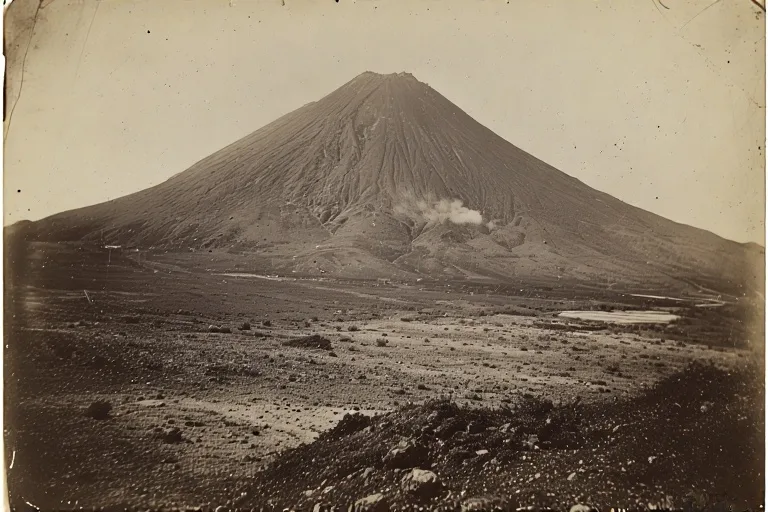
It was early January 2020, a cool but tranquil Sunday morning in Luzon, Philippines. Families prepared for the usual weekend routines—children played in backyards, fishermen mended nets near the shore, and vendors set up stalls in local markets. The mornings here often began with the silent yet imposing presence of Taal Volcano, its smoking peak nested atop a lake like a sleeping giant watching over the island.
But that morning, the volcano whispered first in subtle signs. Locals sensed the air thickening, and some keen-eyed villagers noticed faint tremors beneath their feet. Then, as sunlight scattered across the horizon, Taal’s slumber was violently broken. A colossal plume of ash thrust skywards, blotting out the sun with a churning gray cloud. The peaceful world of Luzon was abruptly cloaked in a dark ashfall—ominous, disruptive, and terrifying.
This cataclysmic event was not just a natural disaster; it was a profound, unfolding human story of survival, fear, resilience, and adaptation. The Taal eruption of January 2020 would leave an indelible mark on the land, the people, and the history of the Philippines.
The restless heart of Luzon: Geological backdrop and volcanic history
Taal Volcano is often described as the world’s second most active volcano and one of the planet’s most picturesque yet dangerous volcanic complexes. Nestled in the caldera of a much older volcano, it sits almost precariously in the middle of Taal Lake. This lake-filled caldera stretches about 25 kilometers across the province of Batangas but with volcanic activity focused on the island resting in its center—Volcano Island.
The geological story of Taal is a saga millions of years in the making. This complex system under the Philippine archipelago is born from the intense tectonic activity of the Pacific Ring of Fire. Over thousands of years, the shifting plates gave rise to multiple eruptions, caldera collapses, and the formation of the lake itself, creating a landscape both stunning and deadly.
Before the cataclysm of 2020, Taal had erupted over 30 times during recorded history. The most recent significant eruptive phases prior to 2020 took place in 1977 and 1965, reminding the residents of the surrounding provinces that beneath its beauty lies a volatile force. These eruptions—notably in 1754 which lasted seven months—have historically brought destruction, ashfall, and displacement, fostering a cautious respect among the local populations.
Signs and shadows: Early warnings before the eruption
In the weeks leading up to January 12, scientific agencies had been vigilant. The Philippine Institute of Volcanology and Seismology (PHIVOLCS) recorded a notable increase in volcanic earthquakes beneath the volcano, with hundreds of tremors detected. Ground deformation measurements indicated that magma was ascending beneath the surface.
Amid these alarming tremors, there were reports of sulfuric smell and increased steaming activity. Yet, nature’s signals are often subtle and easily interpreted with hindsight. For many living in the shadows of the volcano, these signs became whispered fears and unease rather than immediate panic.
Authorities raised alert levels gradually, warning residents of the nearby municipalities, including Talisay, Laurel, and San Nicolas, to prepare for possible evacuation. Still, the sense of calm prevailed in many communities, as the last big eruption had been decades before. But Mother Earth had other plans.
The first explosion: Taal awakens after decades of slumber
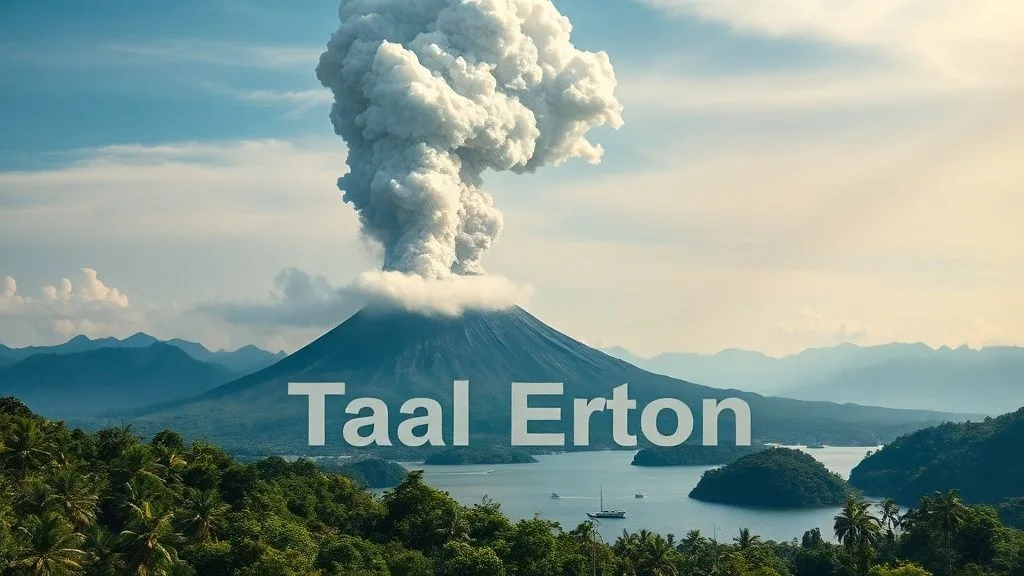
At around 11:30 AM on January 12, the first violent explosion shattered the fragile calm. A dramatic vertical column of ash and volcanic gas shot into the sky to an estimated height of 15 kilometers, a cloud visible for miles, obscuring the sun and sending shock waves across the region. This phreatomagmatic eruption, caused by the interaction of magma with groundwater, was sudden and intense.
The explosion was a stark reminder of nature’s unpredictability. Thermal heating caused explosive steam, ejecting large quantities of ash, volcanic rocks, and toxic gases. The roar of the eruption echoed across the lake, rattling windows and shattering nerves. Authorities were forced to immediately declare a state of calamity.
This opening act of fury was, however, only the beginning of a protracted volcanic episode. For days and weeks that followed, Taal’s temperament oscillated between intense explosions and quieter degassing periods.
The ashfall nightmare: Darkness descending over towns and cities
The ash cloud spread rapidly, carried by northeast winds. Thick layers of dark volcanic ash fell over the surrounding provinces of Batangas, Cavite, Laguna, and even reached the outskirts of Metro Manila, 60 kilometers away. Streets became unrecognizable under feet of ash. Cars, rooftops, trees—all were covered in a fine gray powder.
This ash fall was not mere dirt—it contained abrasive volcanic glass shards and chemicals harmful to human health and infrastructure. Visibility plummeted, sunlight dimmed, and the air became heavy, turning day into a surreal twilight. The sight of covered landscapes evoked images from apocalyptic tales, yet this horrific scene was painfully real.
For many, the ashfall was not just a visual menace but a suffocating, choking threat. Respiratory problems rose sharply, schools shut down, flights were canceled, and businesses grinded to a halt. The environmental consequences were grave: contaminated water sources, clogged drainage, damaged crops, and dead fish floating on the lake’s surface.
Flight and fear: Evacuations amid chaos and uncertainty
As the eruption unleashed its wrath, authorities faced the massive task of mobilizing evacuations. Nearly 75,000 residents—men, women, children, and elderly—were hurriedly moved from danger zones to evacuation centers. The process was frantic, chaotic, but also heroic, as local governments, military units, and volunteers joined forces.
Families packed meager belongings; some left behind livestock and treasured heirlooms, driven by the primal instinct to survive. The volcano’s unpredictability seeded panic, confusion, and heartbreak. For those displaced, the uncertainty of return was agonizing.
Yet amidst this adversity, stories of solidarity emerged. Neighbors helped one another; strangers opened their homes; communities organized food drives and health services. It was a test of human kindness in the face of nature’s fury.
The world watches: Global reaction and scientific attention
The international community was swift in its response. Research institutions worldwide turned their eyes to Taal. Scientists monitored the volcano’s seismic behavior, gas emissions, and satellite images in real-time, hoping to predict its next move.
News agencies dispatched correspondents; social media platforms buzzed with live updates, photos, and videos. The eruption showcased the integral role of modern technology in disaster coverage and response.
Aid poured in, with organizations like the Red Cross coordinating relief efforts. Yet the eruption reminded the world of the fragile balance that communities on volcanic rims face daily.
Life under a thick gray blanket: Health and environmental impacts
Ash and toxic gases took a severe toll. Doctors reported increased cases of respiratory illnesses, eye irritations, and skin conditions. People wearing masks became a common sight. Water supplies were contaminated, affecting drinking and sanitation.
Wildlife and fish suffered as the ash choked ecosystems, altering the delicate aquatic balance of Taal Lake. Agriculture—both staple crops and livestock—was devastated, threatening food security for thousands.
The psychological scars were equally profound. The trauma of displacement and the haunting uncertainty of the volcano’s next eruption etched deep anxieties in the hearts of affected communities.
Volcanic ash and agriculture: The silent threat to livelihoods
The agricultural sector, backbone of local economy, faced devastation. Layers of ash smothered fields of rice, sugarcane, and vegetables. Pasturelands were rendered useless overnight.
Farmers confronted the loss of crops and animals—a financial and emotional blow. Recovery was complicated by questions about soil fertility after the deposit of ash. Yet, over time, volcanic ash can enrich soil with minerals, hinting at the slow regenerative cycles of nature.
Still, the immediate aftermath meant hunger, disruption, and economic hardship, pressing the need for sustained support and innovation in agricultural practices.
Government response: Crisis management and resilience efforts
The Philippine government mobilized multiple agencies: disaster risk reduction teams, health workers, and logistical units. Emergency declarations unlocked funds and resources for relief and rehabilitation.
Creating evacuation centers, distributing food, masks, and medicines, and ensuring security became paramount tasks. Communication lines were maintained to prevent misinformation, while monitoring continued around the clock.
Importantly, the government also looked ahead to rebuild infrastructure, rehabilitate agriculture, and prepare for possible future eruptions. Lessons from previous disasters like the 1991 Mount Pinatubo eruption informed strategies.
Communities in solidarity: Stories of courage and compassion
In times of crisis, the human spirit shines brightest. Amid ash-covered landscapes, communities rallied. Volunteers formed search-and-rescue teams. Mothers shared food and comfort. Elders told stories to soothe frightened children.
One notable story emerged from Talisay, where a local school transformed into a shelter, providing not only food and mattresses but counseling sessions. Such grassroots efforts wove a fabric of hope that countered despair.
This solidarity affirmed that survival is not just a matter of science or government but a collective act of humanity.
The volcano’s restless breath: Continuing activity and fear of the unknown
Though the initial explosive phase subsided, Taal remained active for months. Steam plumes rose; minor ash emissions continued; seismic activity persisted. For residents, the volcano’s uncertain mood meant living with perpetual anxiety.
This ongoing unrest prompted continuous monitoring and repeated evacuations for some communities. The psychological toll deepened—a constant reminder that life here is intertwined inexorably with the forces beneath.
Historical echoes: Taal’s past eruptions and their lessons
The 2020 eruption echoed centuries of Taal's violent awakenings. The 1754 eruption, one of the longest recorded, transformed landscapes similarly and forced mass evacuations. Studying these episodes has provided both warnings and insights—for example, patterns of seismic precursors and typical eruption sequences.
Yet history also reveals human stubbornness and attachment to land. Settlements persist perilously close to the volcano, balancing livelihoods and risk in a precarious dance.
The eruption’s imprint on culture and identity in Luzon
Volcanoes are not only geological features but cultural symbols. For generations, Taal has inspired myths, folklore, and artistic expressions. The volcano features in local songs and literature, embodying fear, reverence, and identity.
The 2020 eruption reinforced these narratives, embedding itself into the collective memory. Festivals and memorials now reflect the resilience of communities scarred but unbowed.
Science confronts nature: Monitoring and predicting Taal’s future
Advances in volcanology were put to the test. Satellite technology, gas sampling, seismographs, and drones painted a detailed picture of Taal’s behavior. PHIVOLCS became a critical source for timely alerts and risk assessments.
Yet, predicting volcanic behavior remains an imperfect science. Each eruption teaches new lessons, fueling research into magma movement, eruption triggers, and emergency preparedness.
Global implications: Disaster preparedness in a changing climate
Taal’s eruption resonated beyond the Philippines. It highlighted the vulnerability of millions living near volcanoes worldwide, especially as climate change exacerbates weather patterns, potentially influencing volcanic hazards indirectly.
It underscored the necessity of comprehensive disaster risk reduction strategies, international cooperation, and resilience building both for natural catastrophes and their cascading impacts.
Rebuilding and renewal: From devastation to hope
In the months and years that followed, the story turned to recovery. Homes rebuilt sturdier; livelihoods slowly restored; children returned to sanitized schools.
Strategies integrated traditional knowledge with modern science: rebuilding smarter, planting ash-resistant crops, and diversifying income. The human will to renew—rooted in resilience and community—became the dominant narrative.
Eyewitness accounts: Personal testimonies from the eruption zone
“I saw the sky turn gray as if the sun had died,” recalled Maria, a resident of San Nicolas. “We hurried, not knowing if we would return.”
Juan, a farmer, said, “The ash covered everything. Our land was gone overnight. But we helped each other, and that saved us.”
These voices give the eruption its human soul, transforming statistics into lived experience.
The economics of disaster: Insurance, aid, and reconstruction
Financial losses from the eruption were calculated in millions of pesos: damaged infrastructure, lost agricultural output, displaced businesses. Insurance penetration was low; government aid and international assistance were critical.
The eruption exposed economic vulnerabilities and emphasized the need for disaster risk financing and insurance mechanisms tailored to volcanic hazards.
Media narratives: Shaping public perception in the digital age
From breaking news alerts to viral Twitter updates, the eruption was among the most covered disasters of 2020 in Southeast Asia. Media shaped public understanding, sometimes intensifying fears but also mobilizing empathy and aid.
Misinformation occasionally spread, underscoring the challenges of communication in crises but also demonstrating the power of social media for real-time engagement.
The human spirit test: Resilience amid uncertainty
Ultimately, the Taal eruption of 2020 was more than an environmental disaster. It was a profound test of human resilience. In facing destruction, grief, and displacement, the people of Luzon displayed determination, cooperation, and hope.
Their stories remind us that beneath the ash and fear, life persists—and sometimes, that persistence is the most extraordinary force of all.
Conclusion
The Taal eruption of January 2020 is forever etched in the annals of Philippine history as a powerful reminder of the planet’s volatile nature and humanity’s vulnerability. Yet, it is also a story of courage, unity, and survival.
From the silent quakes beneath the earth to the spreading ash that darkened the sky, every moment of the eruption told a story not only of destruction but renewal. The responses—scientific, governmental, and communal—highlighted how knowledge and compassion can blend to confront natural calamity.
As the dust settles, the lessons from Taal urge vigilance, respect, and preparedness, not only for Luzon but for all who live in the shadow of geological fury. Ultimately, Taal teaches us that while we cannot control the forces of nature, we can shape our resilience—and that resilience is the essence of humanity.
FAQs
Q1: What caused the Taal eruption in January 2020?
The eruption was triggered by magma rising beneath the volcano, which interacted with groundwater causing explosive phreatomagmatic eruptions. This was preceded by increased seismic activity and ground deformation indicative of magma movement.
Q2: How many people were affected by the eruption?
Around 75,000 people were displaced from surrounding towns and municipalities. Many more in Luzon experienced ashfall and related disruptions to daily life.
Q3: What are the health effects of volcanic ash exposure?
Exposure can cause respiratory issues, eye irritation, skin problems, and exacerbate chronic conditions. Wearing masks and avoiding ash are essential protective measures.
Q4: How does Taal’s geological setting contribute to its volatility?
Taal sits on a lake-filled caldera within a tectonically active region of the Pacific Ring of Fire, making it prone to frequent magmatic and hydrothermal activity.
Q5: What role does PHIVOLCS play during the eruption?
PHIVOLCS monitors volcanic activity, issues warnings, advises evacuations, and conducts public awareness campaigns to reduce risk.
Q6: Has Taal erupted before, and what lessons were learned?
Yes, with over 30 recorded eruptions. Past events taught the importance of monitoring, early warning systems, and community preparedness.
Q7: What was the economic impact of the 2020 eruption?
The eruption caused millions of pesos in damages to agriculture, infrastructure, and businesses, with long-term effects on livelihoods in affected areas.
Q8: How are communities rebuilding after the eruption?
Reconstruction involves rebuilding homes and infrastructure, restoring agriculture with more resilient practices, and integrating disaster risk reduction measures.