Table of Contents
- The Silent Fury Awakens: Bulusan Volcano’s 2016 Eruption
- The Sleeping Giant of Sorsogon: A Historical Backdrop
- Geological Origins: The Making of Bulusan Volcano
- The Tensions Beneath the Surface: Signs of an Impending Eruption
- Lives on the Edge: Communities Surrounding Bulusan
- Early Warnings and Government Responses
- April 2016: The First Roar
- Ash Clouds and The Daylight Sky: Witness Accounts
- Scientific Monitoring: The Role of PHIVOLCS
- Evacuations and Emergency Measures: A Race Against Time
- The Impact on Agriculture and Local Livelihoods
- The Regional Response: National and International Aid
- Media Coverage and Public Perception of the Disaster
- Stories of Resilience: Personal Narratives from Bulusan’s Neighbors
- Environmental Consequences: Forests, Rivers, and Wildlife Affected
- The Aftermath: Economic Fallout and Recovery Efforts
- Integration of Traditional Knowledge and Modern Science
- Lessons Learned: Disaster Preparedness in the Philippines
- The Ongoing Vigil: Bulusan’s Continuing Volcanic Activity Post-2016
- Bulusan in the Public Imagination: Cultural and Symbolic Resonance
- Conclusion: Fire and Ash, Hope and Renewal
- Frequently Asked Questions (FAQs)
- External Resource
- Internal Link
The Silent Fury Awakens: Bulusan Volcano’s 2016 Eruption
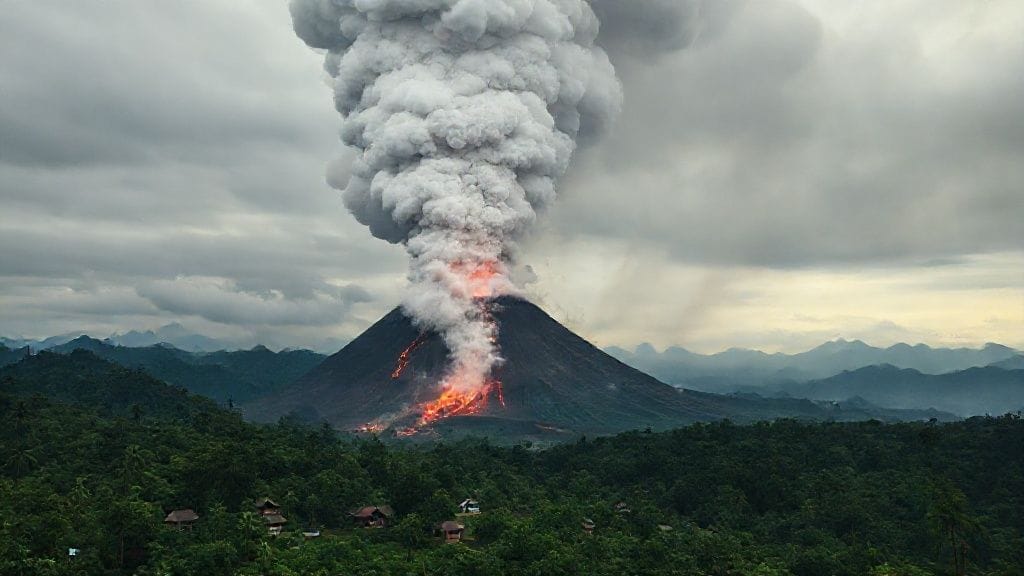
At dawn on April 8, 2016, the peaceful province of Sorsogon in the Bicol region of the Philippines was shaken awake. Without warning, the once placid Bulusan Volcano erupted, unleashing molten fury that writhed skyward in thick plumes of ash and gas. The sun, usually bright and welcoming, was cloaked behind sheets of volcanic haze, casting an eerie twilight across towns long accustomed to the gentle rumblings of their ancient neighbor. Families clutched their belongings, children looked skyward with a mixture of awe and fear, while emergency sirens pierced the humid morning air.
This eruption was no distant menace; it was an immediate, palpable reality that upended lives and landscapes alike. The earth’s deep unrest had finally spilled forth, a dramatic manifestation of geological fury meeting human vulnerability. Yet this episode in Bulusan’s long volcanic life was more than an environmental event—it was a story of survival, community resilience, and the perpetual dance between nature’s might and human tenacity.
The Sleeping Giant of Sorsogon: A Historical Backdrop
Bulusan Volcano, rising to 1,565 meters, towers proudly over Sorsogon’s green landscape, its cone often shrouded in mist or curling smoke. Throughout history, this volcano has been both a giver and taker of life, shaping the geography, climate, and culture of the surrounding areas. Filipino oral histories and local legends tell of fiery eruptions that preceded even colonial times, engraving Bulusan into the spiritual and cultural fabric of the region.
Though not among the Philippines’ largest volcanoes, Bulusan’s most recent eruptions before 2016 had been sporadic yet intense, with notable activity recorded in the late 20th and early 21st centuries. Its eruptions are characterized by phreatic blasts—powerful steam-driven explosions—frequently accompanied by ash plumes and occasional lava flows.
The 2016 eruption thus came as part of a long narrative, a reminder that beneath the serene facade of Sorsogon’s idyllic hills lies volatile energy waiting for the right moment to burst forth.
Geological Origins: The Making of Bulusan Volcano
Bulusan sits on a convergence zone of tectonic forces, part of the Pacific Ring of Fire—a 40,000-kilometer horseshoe chain of volcanoes and seismic activity encircling the Pacific Ocean. This geological neighborhood breeds geological unrest. The Philippine Sea Plate continuously dives beneath the Eurasian Plate, causing magma to rise and accumulate beneath volcanoes like Bulusan.
Its structure is a stature of complex volcanic stratigraphy: layers of hardened lava, ash, and pyroclastic materials testify to a volcanic past marked by repeated violent eruptions interspersed with quieter periods. The magma beneath Bulusan is relatively viscous, rich in silica, which explains the explosiveness of its eruptions.
Decoding Bulusan’s eruptions means peering deep into Earth's restless crust, a perpetual movement molding landscapes while challenging the resilience of those who live in its shadow.
The Tensions Beneath the Surface: Signs of an Impending Eruption
Volcanoes do not erupt without clues. Prior to April 2016, Bulusan showed growls and sighs that warned of its impending awakening. Seismographs detected low-frequency volcanic earthquakes, indicating the movement of magma and volcanic fluids deep below. Thermal imaging revealed new hotspots, and sulfur dioxide emissions spiked, signaling gas-rich magma nearing the surface.
Local residents reported unusual animal behavior—chickens clucking nervously, dogs barking more than usual—echoing age-old instincts to sense danger before humans. Yet, cause for alarm was tempered by Bulusan’s history of intermittent activity, where periods of unrest ebbed without catastrophic eruptions.
Still, volcanologists remained vigilant. PHIVOLCS, the Philippine Institute of Volcanology and Seismology, escalated its monitoring, issuing alerts to local governments and communities. This set the stage for a delicate balance between preparedness and everyday life, a tension felt deeply in Sorsogon’s towns and villages.
Lives on the Edge: Communities Surrounding Bulusan
Nestled around Bulusan’s base are dozens of barangays—small villages—and towns whose histories intertwine with the mountain’s moods. Fishing, farming, and eco-tourism sustain livelihoods here. The fertile volcanic soil produces bountiful harvests of rice, coconut, and abaca, while nearby waters teem with fish.
These communities have learned to coexist with the volcano’s unpredictability, weaving its cycles into customs, festivals, and folklore. Yet, living so close to a sleeping giant demands resilience and an ever-present readiness to retreat.
The prospect of an eruption meant disruption to daily life, evacuation from ancestral homes, and uncertainty about the future—a profound challenge to identity and survival.
Early Warnings and Government Responses
Recognition of risk prompted rapid government action. Weeks before the main eruption, PHIVOLCS raised alert levels from Level 1 (“abnormal”) to Level 2 (“increased unrest”), indicating a higher probability of eruption. Local disaster risk management offices coordinated with barangays to prepare evacuation centers, stockpile relief supplies, and educate residents on emergency procedures.
Drills were held, emergency routes mapped, and community leaders tasked with ensuring communication flows. However, challenges abounded—the rugged terrain, limited infrastructure, and occasional rumors complicated efforts.
Still, this proactive stance demonstrated learning from the past, notably the catastrophic 1991 Mount Pinatubo eruption, whose aftermath reshaped Philippine disaster management policy.
April 2016: The First Roar
On April 8, 2016, the sleeping giant finally stirred with marked ferocity. An initial phreatic explosion sent a towering ash column nearly two kilometers into the sky, blanketing nearby towns with fine volcanic ash. The roar echoed through valleys, shaking windows and stirring anxious murmurs.
Emergency sirens blared as residents hurried to evacuate vulnerable areas. The ashfall coated roofs, roads, and crops, while visibility plunged, complicating transportation and rescue efforts. Schools and marketplaces shuttered. Flights were temporarily suspended as airports grappled with ash hazards.
But this eruption was just the overture: Bulusan would continue to pulse with activity in the ensuing weeks.
Ash Clouds and The Daylight Sky: Witness Accounts
Eyewitnesses speak of a surreal sky, day turning to dusk beneath a pall of ash. Farmers describe the bitter smell of sulfur mixing with smoke, eyes stinging under the fallout. Mothers hurried children indoors, wiping ash from roofs and streets as if trying to hold back nature’s relentless advance.
One local elder recalled, “The mountain cried fire that day; we listened and prayed that our homes would stand.” The combined sensory assault of sound, sight, and smell stirred both fear and a powerful connection to the natural world’s uncontrollable force.
Such accounts humanize the eruption, transforming statistics into lived experience.
Scientific Monitoring: The Role of PHIVOLCS
Throughout the crisis, PHIVOLCS played a pivotal role as both scientist and sentinel. Their teams monitored seismic activity, gas emissions, ground deformation, and thermal anomalies, integrating data to refine hazard maps and issue timely advisories.
Deploying portable seismic stations and drone surveys, volcanologists mapped ashfall patterns and assessed risk zones. PHIVOLCS’ continuous engagement helped prevent loss of life and allowed for adaptive response even as Bulusan’s behavior shifted.
Their efforts underscore the importance of science as a bridge between natural phenomena and human safety.
Evacuations and Emergency Measures: A Race Against Time
Faced with escalating eruptions in April and May, local governments orchestrated large-scale evacuations, moving thousands of residents to safer grounds. Temporary shelters were set up in schools, churches, and community centers, where displaced families sought shelter amid uncertainty.
The logistics were daunting: managing food, clean water, sanitation, and medical needs while maintaining morale. Volunteers, police, and military units collaborated diligently. Nevertheless, many evacuees coped with anxiety over lost property, interrupted livelihoods, and an uncertain future.
Yet, amid this turmoil also blossomed solidarity—neighbors supporting neighbors, shared meals, and reassuring words.
The Impact on Agriculture and Local Livelihoods
Bulusan’s 2016 eruption left a pronounced mark on the agrarian economy. Ashfall smothered fields, blighted crops, and polluted waterways crucial for irrigation. Coconut and abaca plantations—the backbone of local economies—sustained damage, threatening income streams for many families.
Fishing communities faced turbidity in coastal waters, affecting fish populations and daily catches. Markets fluctuated as supplies dwindled. Recovery was not simply a matter of natural regrowth but demanded financial aid and long-term rehabilitation programs.
This intersection of natural disaster and economic vulnerability revealed the fragilities of rural livelihoods in hazard-prone areas.
The Regional Response: National and International Aid
The Philippine government mobilized national agencies including the National Disaster Risk Reduction and Management Council (NDRRMC), providing emergency funds and coordinating relief efforts. International organizations and neighboring countries extended assistance—sending medical supplies, unmanned drones for mapping, and technical expertise.
Non-governmental organizations worked at the grassroots, supporting community needs and facilitating rebuilding strategies. This multi-pronged approach demonstrated an expanding culture of disaster solidarity beyond borders.
But complexities remained: aligning aid with local realities, ensuring equity, and avoiding dependency were persistent challenges.
Media Coverage and Public Perception of the Disaster
The eruption captured headlines nationally and internationally, with media outlets broadcasting dramatic visuals of ash plumes and evacuations. However, the coverage balanced urgency with contextual education, offering explanations of volcanic science and safety advice.
Social media buzzed with updates, eyewitness videos, and community calls for help, amplifying both awareness and misinformation. Public attention also revealed tensions—why some areas faced slower aid, or how traditional practices conflicted with official protocols.
The media thus became a mirror of society’s hopes, fears, and debates in times of crisis.
Stories of Resilience: Personal Narratives from Bulusan’s Neighbors
Beyond statistics are the human stories — families who rebuilt homes with meager resources, children returning to schools still covered in ash, elders recounting survival tales to younger generations.
One mother shared how the community cooked together over a makeshift fire in evacuation centers, forging bonds that would outlast the disaster. Another young fisherman recalled the quiet moment when ashfall ceased, and he ventured onto the water at dawn—a symbol of returning life.
These narratives celebrate human dignity and adaptability, reminding us that even in destruction, roots of hope are planted.
Environmental Consequences: Forests, Rivers, and Wildlife Affected
Bulusan’s eruption disrupted ecosystems nearby. Volcanic ash blanketed forest canopies, affecting photosynthesis and altering microhabitats. Rivers carried sediments downstream, impacting aquatic life. Wildlife, from birds to mammals, faced habitat displacement and food scarcity.
Months after the eruption, ecologists documented both damage and remarkable recovery signs, noting the resilience inherent in natural systems. The event expanded understanding of volcanic influence on biodiversity, underscoring the interconnectedness of geological and biological worlds.
The Aftermath: Economic Fallout and Recovery Efforts
In the months following 2016’s eruption, Sorsogon faced a slow path to recovery. Economic losses were substantial, with estimates running into millions of pesos due to agricultural destruction, business interruption, and infrastructure repair.
Government programs focused on rebuilding roads, irrigation channels, and housing. Microfinance initiatives offered loans to affected families, while training programs encouraged diversification of income sources.
Recovery was not merely a return to pre-eruption normalcy, but an opportunity to improve resilience and community planning, integrating disaster risk reduction into development strategies.
Integration of Traditional Knowledge and Modern Science
An interesting dimension of Bulusan’s story lies in the dialogue between indigenous knowledge and modern volcanology. Local elders’ observations of animal behavior, weather patterns, and natural signs sometimes aligned with scientific data, enhancing early warning systems.
Efforts to legitimize and incorporate this traditional wisdom into official disaster response frameworks bolstered community trust and participation, fostering a richer, more culturally sensitive approach to hazard management.
Lessons Learned: Disaster Preparedness in the Philippines
Bulusan’s 2016 eruption reaffirmed critical lessons for the Philippines, a nation regularly buffeted by natural disasters. Forward-looking policies emphasized early detection technology, community drills, inter-agency coordination, and public education.
The event prompted discussions on land-use planning—advocating for buffer zones around high-risk volcanoes, and detailed hazard mapping. Public engagement proved vital: empowering communities with knowledge and resources to act swiftly saves lives and livelihoods.
Such lessons ripple beyond Sorsogon, informing broader regional disaster resilience strategies.
The Ongoing Vigil: Bulusan’s Continuing Volcanic Activity Post-2016
Though 2016 marked a climax, Bulusan’s story could not end there. The volcano continued to exhibit signs of unrest with periodic eruptions, smaller ash emissions, and seismic tremors in subsequent years.
This persistent activity mandates ongoing vigilance by PHIVOLCS and local communities, reminding all that nature’s rhythms are unstoppable and that coexistence with such forces requires respect, caution, and preparedness.
Bulusan in the Public Imagination: Cultural and Symbolic Resonance
For the people of Sorsogon and beyond, Bulusan is more than a geological feature—it's a symbol of resilience, a spiritual presence, and a constant in life’s uncertainties. Artistic expressions, festivals inspired by the mountain, and educational programs nurture awareness and reverence.
Through literature, visual arts, and song, Bulusan’s eruptions of 2016 and beyond have also entered the wider Philippine narrative, embodying themes of destruction and renewal.
Conclusion: Fire and Ash, Hope and Renewal
The 2016 eruption of Bulusan Volcano etched a profound chapter in the story of nature’s unpredictable power and humanity’s indomitable spirit. It was a moment when earth’s ancient processes clashed with modern lives—when the sky darkened with ash and hearts lit with courage.
From the first ominous tremors to the quiet return to daily routines, the eruption revealed the complex interplay between destruction and regeneration, science and tradition, fear and hope. The people of Sorsogon, shaped by the mountain’s moods, showed resilience not simply by enduring, but by rising anew.
Bulusan’s fiery breath in 2016 was both an ending and a beginning—a violent reminder of nature’s might and a hopeful testament to human perseverance.
Frequently Asked Questions (FAQs)
1. What caused the 2016 eruption of Bulusan Volcano?
The eruption was caused by the upward movement and explosive release of gas-charged magma within Bulusan’s volcanic chamber. Tectonic activity in the Pacific Ring of Fire provides the geological forces for these processes.
2. How did authorities prepare local communities before the eruption?
PHIVOLCS monitored signals of unrest, increasing alert levels and coordinating with local governments to conduct evacuation drills, establish emergency centers, and disseminate information to residents.
3. What type of eruption characterized Bulusan in 2016?
The 2016 event was primarily a phreatic eruption, meaning it was steam-driven and explosive, producing ash plumes and minor lava activity.
4. How did the eruption affect the livelihoods of Sorsogon’s inhabitants?
Ashfall damaged crops, polluted water sources, and impacted fishing, leading to significant economic hardship for farming and fishing communities.
5. Were there any casualties during the 2016 eruption?
Thanks to timely evacuations and warnings, no fatalities were reported. However, some injuries and health issues related to ash inhalation occurred.
6. What role did traditional knowledge play in disaster response?
Indigenous observations of animal behavior and environmental changes complemented scientific monitoring, strengthening community preparedness and communication.
7. How has Bulusan’s eruption influenced volcanic disaster management in the Philippines?
The eruption reinforced the need for integrated monitoring, community education, and multi-agency coordination, informing national strategies for risk reduction.
8. Is Bulusan still active today?
Yes, Bulusan continues to exhibit volcanic activity with occasional eruptions and unrest, requiring ongoing vigilance.

