Table of Contents
- The Roar of Manam: Dawn of a Volcanic Fury
- Papua New Guinea’s Volcanic Heart: A Land Shaped by Fire
- Manam Island: Life on the Edge of an Active Giant
- The Calm Before the Storm: Early Signs of Unrest in 2004
- The First Explosions: The Eruption Begins
- Ash and Earthquakes: The Island Shakes Itself Awake
- The Human Toll: Communities in Crisis
- Evacuations and Displacement: A Population on the Move
- Government and Response: Struggles to Contain Disaster
- The Island’s Landscape Transformed: From Paradise to Ashscape
- Scientific Witness: Monitoring a Live Volcano
- Cultural Resilience Amidst Volcanic Chaos
- Regional and Global Reactions: Aid, Awareness, and Media Coverage
- Environmental Consequences: Impact on Marine and Terrestrial Ecosystems
- Lessons Learned: Disaster Preparedness and Risk Management
- The Aftermath: Recovery and the Road to Return
- Manam’s Legacy: How 2004 Defined a People and a Place
- Volcanoes, Identity, and the Poignant Dance of Survival
- Remembering 2004: Oral Histories and Memory Preservation
- Conclusion: The Unyielding Spirit in the Shadow of Fire
- FAQs: Understanding the 2004 Manam Eruption
- External Resource: Wikipedia Link
- Internal Link: Visit History Sphere
The Roar of Manam: Dawn of a Volcanic Fury
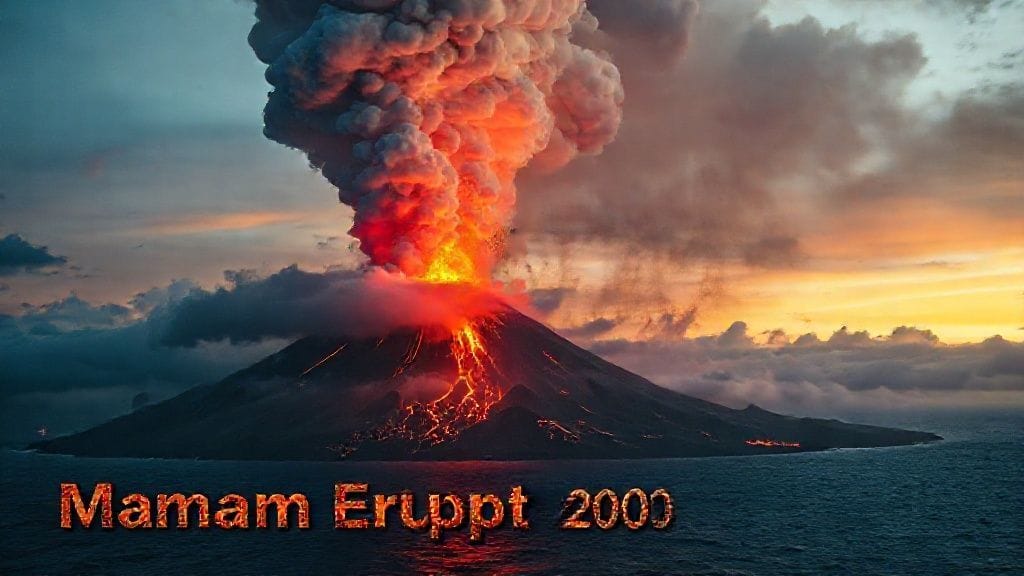
As dawn broke over the Bismarck Sea, an ominous growl echoed across the tranquil blue waters surrounding Manam Island. The strident rumbling grew louder, shaking the small island that stood like a sentinel in Papua New Guinea’s northern coast. It was January 2004, and Manam Volcano, one of the country’s most active and imposing stratovolcanoes, was about to remind the world of its devastating power.
Suddenly, clouds of thick black ash thundered into the sky, blotting out the sun and turning day into night. The islanders, whose lives had long intertwined with Manam’s fiery personality, faced an agonizing choice: to stay amidst the destruction or flee into uncertainty. The eruption was not just a geological event—it was the struggle of a community against nature’s unstoppable force, the collision of human endurance and elemental fury.
Papua New Guinea’s Volcanic Heart: A Land Shaped by Fire
To understand Manam’s explosive temperament, one must look at Papua New Guinea itself. Straddling the Pacific Ring of Fire, the archipelago is one of the most volcanically volatile regions on Earth. Its landscape, marked by mountains, deep valleys, and active volcanoes, owes its fertile soils and dramatic topography to millennia of eruptions.
Manam Volcano rises 1,800 meters above sea level as a near-perfect cone, standing on a tiny island barely 10 kilometers in diameter. Despite its intimidating presence, the island has been home to a vibrant community for generations, growing taro, yams, and engaging in fishing—lives deeply connected to the rhythms of the volcano and sea.
Manam Island: Life on the Edge of an Active Giant
For centuries, Manam’s population has lived with constant uncertainty, balancing the benefits of fertile volcanic soil against the looming threats of eruptions. Oral histories recount multiple periods of volcanic activity, displacements, and rebuildings—each reminding the islanders that survival depended on respect and vigilance.
The local culture developed a complex relationship with the volcano, with stories and rituals underscoring the sacred and destructive powers housed beneath the earth. Yet, despite efforts to live harmoniously, Manam’s eruptions would, time and again, force the islanders to reconsider their future.
The Calm Before the Storm: Early Signs of Unrest in 2004
The year 2004 began quietly, but the volcano was already stirring deep below the surface. Seismographs recorded subtle tremors as magma began its ascent. For scientists monitoring Manam, the increasing earthquake swarms and sulfurous gas emissions signaled an impending eruption.
Locals noticed subtle signs too—the ground vibrated, animals behaved nervously, and mountain slopes occasionally spouted minor ash clouds. Traditional knowledge met empirical observation as worries grew both within the scientific community and the island’s villages.
The First Explosions: The Eruption Begins
In late January, the volcano finally unleashed its pent-up pressures. Powerful explosions shattered the silence, casting vast plumes of volcanic ash and tephra high into the atmosphere. The force of the blasts resounded like thunder, rattling homes and unsettling the very foundations of life.
Ash clouds darkened the skies over Madang province. Fine dust coated rooftops, water sources became contaminated, and visibility dropped, grounding planes and boats. The eruption was violent but intermittent at first—a grim warning of what was to come.
Ash and Earthquakes: The Island Shakes Itself Awake
As Manam continued its activity, frequent tremors rocked the island, sometimes triggering minor landslides. An eerie stillness punctuated by roaring bursts transformed the environment. Ash fell thickly, blanketing fields and forests, devastating crops and wildlife.
Villagers described feeling the earth convulse beneath their feet, windows shudder with each blast, and breath growing labored in the choking ash. The eruption’s intensity escalated over weeks, punctuated by glowing lava flows streaming down the volcano’s flanks—visceral displays of fire meeting sea.
The Human Toll: Communities in Crisis
The eruption’s effects on the island’s nearly 10,000 inhabitants were immediate and staggering. Many were exposed to dangerous ash inhalation, suffering respiratory issues and eye irritation. Homes and food stores were buried or contaminated; clean water became scarce.
Most tragically, lives were lost. Though official numbers remain debated, the eruption between 2004 and subsequent years caused multiple fatalities and injuries. The social fabric frayed as families were torn between staying loyal to ancestral lands or evacuating to safer grounds.
Evacuations and Displacement: A Population on the Move
In response to escalating danger, the Papua New Guinea government, with the support of international agencies, began orchestrating evacuations. Initially reluctant, many islanders finally accepted relocation to mainland resettlement camps on the northern coast.
However, these transitions were fraught with challenges—overcrowded facilities, inadequate supplies, and cultural dislocation added to the trauma. The displaced grappled with loss—of land, livelihood, and a sense of identity deeply embedded in Manam’s slopes.
Government and Response: Struggles to Contain Disaster
The eruption tested Papua New Guinea’s disaster management capacities. Limited infrastructure, rugged terrain, and communication difficulties impeded relief efforts. Authorities struggled to issue timely warnings, deliver aid, and coordinate evacuations.
Meanwhile, the government faced political pressures balancing safety concerns with respect for local autonomy, as some islanders resisted evacuation orders. International NGOs and scientific bodies mobilized rapidly, underscoring the eruption’s regional significance.
The Island’s Landscape Transformed: From Paradise to Ashscape
By mid-2004, Manam’s picturesque green slopes were concealed beneath a heavy mantle of volcanic ash, pumice, and debris. The lush vegetation was stripped away; rivers choked with sediment; the once vibrant island felt alien and inhospitable.
Geologists noted that the rapid accumulation of volcanic material altered drainage patterns and increased the risk of lahars—hazardous mudflows triggered by heavy rains mixing with unconsolidated ash deposits. Manam had been reshaped, its ecosystem hanging in delicate balance.
Scientific Witness: Monitoring a Live Volcano
During the eruption, volcanologists worked feverishly to monitor seismic activity, gas emissions, and ground deformation. Their data helped predict eruptive phases—a vital tool that likely saved lives.
Satellite imagery and aerial reconnaissance allowed for documentation, while local collaborations enriched understanding of Manam’s behavior. These scientific endeavors contributed not only to immediate hazard assessment but long-term volcano research.
Cultural Resilience Amidst Volcanic Chaos
Despite devastation, the people of Manam demonstrated resilience anchored in cultural traditions. Community leaders held ceremonies to appease ancestral spirits, reaffirming connection and hope.
Songs, stories, and art emerged as mediums to process trauma and preserve collective memory. This spiritual commitment fostered a sense of solidarity and courage, reminding all that human endurance often outlasts earth’s fury.
Regional and Global Reactions: Aid, Awareness, and Media Coverage
The 2004 eruption caught international attention, drawing humanitarian assistance from Australia, New Zealand, and aid organizations worldwide. Media coverage highlighted the precariousness of island communities facing natural disasters.
This event became a poignant case study of the intersection between traditional lifestyles and modern emergency response, catalyzing discussions on climate resilience and geohazard management in the Pacific.
Environmental Consequences: Impact on Marine and Terrestrial Ecosystems
Manam’s eruption not only affected human communities but disrupted surrounding ecosystems. Ash fall into coastal waters caused changes in marine biodiversity, impacting fisheries vital to livelihoods.
Terrestrial habitats saw species displaced or decimated, with some flora taking years to recover. The eruption illustrated the intricate link between volcanic activity and ecological dynamics in island environments.
Lessons Learned: Disaster Preparedness and Risk Management
In the years following the eruption, lessons emerged on improving early warning systems, community education, and sustainable resettlement strategies. Integrating scientific monitoring with indigenous knowledge proved essential.
Papua New Guinea invested in capacity building, emphasizing collaboration between government entities, scientists, and local populations—a blueprint shaping future hazard mitigation efforts.
The Aftermath: Recovery and the Road to Return
For many of Manam’s displaced, the question remained—could they return? Recovery efforts focused on rebuilding infrastructure and restoring access to resources.
Yet, fear of renewed activity, logistical obstacles, and socioeconomic challenges made permanent return complex. Today, debates continue between preserving safety and honoring the deep attachment to ancestral lands.
Manam’s Legacy: How 2004 Defined a People and a Place
The 2004 eruption is etched into Manam’s collective identity—as a moment of loss but also profound resilience. It serves as a reminder of the intimate relationship between human life and the dynamic planet.
The island’s story resonates beyond Papua New Guinea, echoing universally where communities live in the shadow of volcanoes, grappling with awe, fear, and hope.
Volcanoes, Identity, and the Poignant Dance of Survival
Manam’s eruption highlights a paradox—volcanoes as creators and destroyers. The fertile soils drawn from past lava flows sustain life even as eruptions threaten it.
This dance between destruction and creation mirrors humanity’s own fragile existence, emphasizing adaptability and respect for nature’s forces.
Remembering 2004: Oral Histories and Memory Preservation
Efforts by anthropologists and local historians have sought to capture eyewitness accounts and experiences from the 2004 disaster. These oral histories preserve invaluable perspectives often overlooked in scientific or governmental narratives.
Through storytelling, the eruption’s lessons pass to future generations, ensuring memory remains vibrant amidst evolving landscapes.
Conclusion
The 2004 eruption of Manam Island was more than a geological event—it was a crucible of human spirit, resilience, and transformation. In the face of relentless violence from the earth below, the island’s people found ways to endure, adapt, and preserve meaning. Manam’s story is a vivid chapter in the universal saga of survival against nature’s raw power.
From the ash-laden skies to displaced families seeking hope, the eruption reminds us how intimately woven humanity is with the unpredictable forces of our planet. It challenges us to respect this relationship, to prepare wisely, and to never forget the enduring flame of community caught in the shadow of fire.
FAQs
Q1: What caused the 2004 Manam eruption?
The eruption was caused by the movement of magma beneath Manam volcano, a stratovolcano on the Pacific Ring of Fire, driven by tectonic activity and pressure buildup leading to explosive volcanic activity.
Q2: How did the eruption affect local communities?
Thousands were displaced; homes and crops were destroyed. Residents experienced respiratory illnesses from ash, and several fatalities were reported. Evacuations led to social, economic, and cultural disruptions.
Q3: What role did the government play during the crisis?
The Papua New Guinea government coordinated evacuations and relief but faced logistical and communication challenges. International aid supplemented efforts while authorities balanced intervention with respecting traditions.
Q4: How has science helped in monitoring Manam volcano?
Volcanologists use seismic monitoring, gas measurements, satellite images, and ground observations to predict eruptions, issuing warnings to mitigate risks.
Q5: Can displaced Manam islanders return safely?
Return remains complicated due to ongoing volcanic activity, safety concerns, and recovery challenges; some have returned, while others reside in resettlement areas.
Q6: What environmental impacts did the eruption cause?
Ashfall affected terrestrial and marine ecosystems, causing habitat loss and changes in biodiversity, particularly affecting fishing which is vital for the local economy.
Q7: How is the 2004 eruption remembered today?
Through oral histories, community traditions, and ongoing studies, the eruption is remembered as a significant event in Manam’s history embodying loss and resilience.
Q8: What lessons has Papua New Guinea learned from the eruption?
Improved disaster preparedness, integration of scientific and indigenous knowledge, better communication, and infrastructure development are key takeaways guiding future volcanic risk management.

