Table of Contents
- A Serene Island Shattered: The White Island Eruption Begins
- The Fiery Heart of Whakaari: Geological Background and Volcanic History
- Preparing for Disaster: The Human Presence on White Island Before the Eruption
- The Day of the Eruption: December 9, 2019 — A Moment Frozen in Time
- From Joyful Exploration to Chaos: The Explosion Unfolds
- Emergency Response in the Eye of the Volcano: Rescue Efforts and Challenges
- Victims and Survivors: Stories of Tragedy, Survival, and Loss
- Science Meets Catastrophe: Understanding the Mechanisms Behind the Eruption
- The Role of Tourism: Risk, Responsibility, and Regulation
- Government Reaction and Public Outcry: The Aftermath in New Zealand
- Legal Battles and Accountability: The Quest for Justice
- Environmental Impact: Whakaari’s Ecosystem After the Blast
- Cultural Significance: Māori Perspectives on White Island and Its Eruption
- Media Coverage and Global Attention: A Disaster Broadcast Worldwide
- Lessons Learned: Volcano Monitoring and Disaster Preparedness Revisited
- Remembering White Island: Memorials, Commemoration, and Collective Memory
- Broader Implications: How the White Island Eruption Reshaped Volcano Tourism Globally
- Scientists Reflect: Advances in Volcanology Post-2019 Eruption
- Survivors’ Voices: Personal Narratives from the Ashes
- The Future of Whakaari: Balancing Nature's Majesty and Human Curiosity
On a bright summer morning, the sun glistened over New Zealand's Bay of Plenty, casting a golden light on the steaming volcanic cone of White Island, or Whakaari as it is known to the Māori. Visitors, drawn by the island’s otherworldly landscapes of sulfur vents and boiling mud pools, wandered the crater’s rim with fascination. No one could foresee that in a matter of moments, this serene tableau would become a scene of chaos: a sudden, catastrophic volcanic eruption would rip through the island, leaving devastation, heartbreak, and urgent questions about nature’s unpredictable fury.
White Island, or Whakaari, was not just any volcano. Sitting ten kilometers off the North Island coast, it was New Zealand’s most active volcano and a magnet for adventure-seekers and scientists alike. Its shimmering plumes of steam whispered warnings that were often ignored or understudied in the pursuit of tourism and scientific discovery. Yet the eruption that struck on December 9, 2019, was unlike any event in recent history for the island—an abrupt, phreatic blast that caught many unaware, unleashing a deadly mix of superheated steam and volcanic material.
To grasp the full weight of that day’s tragedy, one must rewind through the island’s fiery history, delve into the lives of those who visited, and confront the limitations of human understanding when faced with Earth’s raw power. This story is not just about ash and fire; it is about human ambition, nature’s sublime majesty, and the enduring scars left on a small community and the world at large.
The Fiery Heart of Whakaari: Geological Background and Volcanic History
White Island’s history stretches back millennia as a restless volcanic vent marking the Pacific Ring of Fire's violent corridor. Its continuous activity since 1826 had rendered it New Zealand’s only permanently active volcano until the devastating events of 2019. With a height of about 321 meters, the island is essentially the tip of a submerged volcano rising dramatically from the ocean floor. This volcanic system is fueled by magma chambers deep beneath the surface, interacting with groundwater and seawater to create heated steam and frequent, sometimes spectacular, eruptions.
The island experienced frequent small phreatic eruptions—steam-driven explosions when magma heats groundwater rapidly—and these had become relatively routine, albeit dangerous. Scientific monitoring often detected increased seismicity or gas emissions, but these signs could sometimes change unpredictably.
Preparing for Disaster: The Human Presence on White Island Before the Eruption
Despite the known risks, White Island was a popular destination. Its unique volcanic landscape, sulfurous fumaroles, and dramatic views attracted up to 150 visitors a day at peak times, ranging from tourists seeking adventure to scientists collecting data and workers servicing monitoring equipment.
The island was accessible via boat tours, and multiple companies offered guided trips. Visitors came expecting education, daring, and curiosity, often unaware of the full scale of the potential danger beneath their feet. New Zealand’s government had set regulations for safety, but for many, the question loomed: was it possible to predict when this sleeping giant would awaken without warning?
The Day of the Eruption: December 9, 2019 — A Moment Frozen in Time
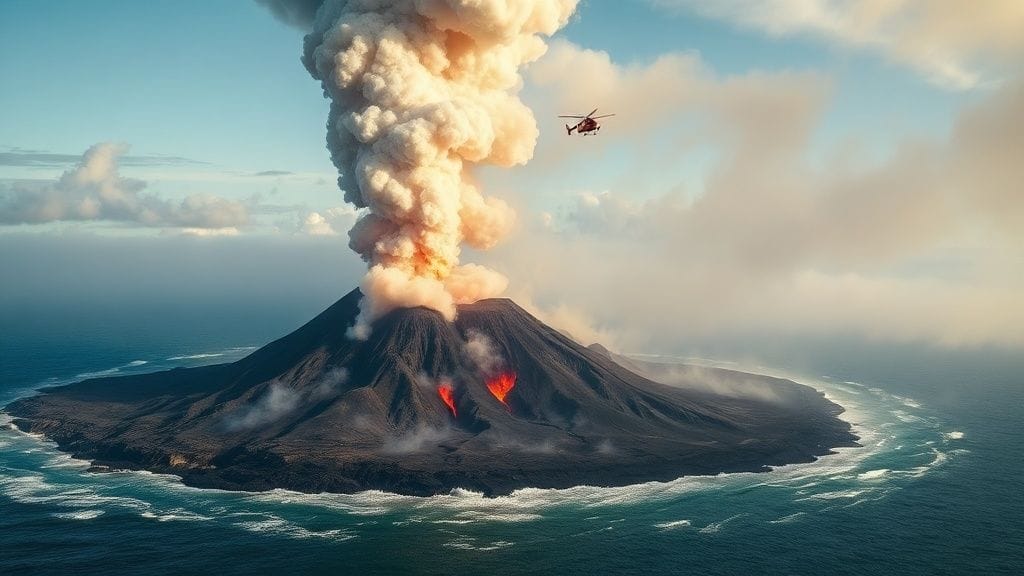
The morning of December 9 is forever etched in memory for those who witnessed it. Around 2:11 pm local time, a sudden phreatic eruption blasted the volcano violently, sending a gigantic column of ash and gas soaring into the sky. On the island, tourists were enthralled moments before by steaming vents and surreal yellow sulfur deposits; within seconds, they faced an eruption that sent scorching volcanic bombs and steam with temperatures estimated at 500°C hurling across the crater.
This violent explosion lasted mere minutes but was devastating in its intensity and surprise. The island’s tourists and guides, many caught in the open, faced immediate peril, with some engulfed by the searing cloud and others forced into the water, suffering severe burns and inhalation injuries.
From Joyful Exploration to Chaos: The Explosion Unfolds
Eyewitness accounts detail how the serene landscape transformed into a hellscape in moments. Ash darkened the skies, screams filled the air, and visibility plummeted as volcanic material rained down. Guides fought to protect their groups, some assisting survivors across the treacherous terrain or toward the landing site where rescue boats arrived.
The eruption's ferocity made an immediate rescue impossible. Helicopters struggled with ash clouds and dangerous gases, while responders coordinated from the mainland. Survivors recounted the harrowing moments of escape, the desperation etched on faces, and the sudden realization of tragedy striking a place meant for awe and admiration.
Emergency Response in the Eye of the Volcano: Rescue Efforts and Challenges
The New Zealand emergency services mounted a swift but complex response. The volatile conditions on the island—active volcanic activity, toxic gases, and unstable terrain—complicated rescue operations. Helicopters ferried injured individuals to the mainland while medical teams rushed to provide treatment.
Burn centers treated victims with severe injuries; many had life-threatening burns combined with respiratory trauma from inhaling superheated gases. The logistical nightmare of the rescue was compounded by the remote location and intensity of the disaster, revealing the brutal reality of responding to natural calamities fueled by unseen earth forces.
Victims and Survivors: Stories of Tragedy, Survival, and Loss
The eruption claimed 22 lives, with many more injured. The human toll rippled across New Zealand and reached as far as Australia and the United States, as victims hailed from several countries. Family members and friends embarked on a painful journey through grief and legal battles.
Survivors’ accounts were marked by moments of confusion, raw pain, and in some, miraculous survival instincts. The stories of some guides who shielded tourists at their own peril became emblematic of both tragedy and courage, creating a poignant reminder of human fragility amidst nature’s rage.
Science Meets Catastrophe: Understanding the Mechanisms Behind the Eruption
Scientists soon pieced together what had triggered the sudden blast. The eruption was classified as phreatic—steam-driven—as subterranean water superheated by magma exploded violently. Unlike magmatic eruptions that eject fresh lava, phreatic eruptions release ash, steam, and rock fragments already present underground.
Analysis of seismic data in the days before showed small tremors that were difficult to interpret definitively. The volatile interaction between magma and groundwater rendered prediction a near-impossible task. The eruption raised questions about the limits of volcanic hazard forecasting, particularly at frequently active but otherwise stable volcanoes like White Island.
The Role of Tourism: Risk, Responsibility, and Regulation
The tragedy sparked fierce debate about the ethics and safety of allowing tourists to visit active volcanic sites. Operators and regulators faced scrutiny over risk assessments, emergency preparedness, and communication of hazards.
New Zealand’s government reviewed its protocols, acknowledging that economic benefits of volcano tourism must be weighed against potential dangers. Industry groups proposed stricter guidelines for monitoring and operational conduct, while critics argued for more fundamental reconsiderations of promoting adventure tourism in such hazardous environments.
Government Reaction and Public Outcry: The Aftermath in New Zealand
The eruption shocked New Zealand’s nation and government. Prime Minister Jacinda Ardern expressed deep sorrow and vowed to hold responsible parties accountable. Public discussions erupted over the adequacy of safety measures and whether warnings were adequately disseminated.
Investigations were launched, and regulatory bodies underwent scrutiny. Communities mourned the loss while grappling with grief, anger, and calls for reform. The government pledged improvements to volcanic monitoring systems and emergency response frameworks as part of broader disaster readiness strategies.
Legal Battles and Accountability: The Quest for Justice
Multiple legal investigations ensued. Families of victims sought accountability from tour operators, scientific agencies, and governmental bodies. Complex questions about liability, informed consent, and the limits of risk in adventure tourism emerged in courts and public forums.
Lawyers debated whether the eruption was truly unforeseeable or if warnings had been ignored. The cases exposed gaps in regulation and the urgent need for clearer legislation governing volcanic tourism, setting precedents likely to influence future dealings worldwide.
Environmental Impact: Whakaari’s Ecosystem After the Blast
Ecologists examined how the eruption altered White Island’s delicate volcanic ecosystem. The blast sterilized areas, destroyed vegetation patches, and changed thermal activity patterns. The balance between volcanic gases and oceanic conditions shifted subtly, affecting surrounding marine life.
Yet nature’s resilience was apparent too—scientists observed early signs of new growth in less affected areas. White Island’s regenerative processes provided a living testament to nature’s cycles of destruction and renewal, even in conditions shaped by catastrophe.
Cultural Significance: Māori Perspectives on White Island and Its Eruption
Whakaari holds profound cultural and spiritual significance for the Māori, particularly the Ngāti Awa and Ngāti Rangitihi iwi. The eruption touched not only physical lives but also the sacred relationship between people and land. Oral histories speak of Whakaari as a powerful ancestor and a place of caution and respect.
Following the eruption, iwi leaders called for deeper acknowledgment of the island’s mana (authority) and spiritual status. Their voices emphasized a holistic understanding of the volcano—not just as a touristic spectacle, but as a living, sacred entity demanding reverence.
Media Coverage and Global Attention: A Disaster Broadcast Worldwide
The eruption’s shocking nature made it a global headline. Media outlets ran continuous coverage, broadcasting images of ash plumes and rescue efforts, while expert commentary dissected volcanic risks.
Some coverage sparked controversy over the portrayal of victims and survivors, raising ethical questions about disaster journalism. Yet, worldwide attention brought heightened awareness to volcanic hazards and underscored the fragile balance between adventure and safety in natural wonders.
Lessons Learned: Volcano Monitoring and Disaster Preparedness Revisited
In the wake of tragedy, New Zealand and the broader scientific community revisited volcano monitoring techniques and preparedness plans. Advances in remote sensing, real-time gas analysis, and early warning systems gained momentum.
Disaster preparedness emphasized better communication, quicker response protocols, and integration of indigenous knowledge. White Island’s eruption became a sobering case study for volcanologists and emergency planners worldwide, pushing the boundaries of what is known—and what can be predicted.
Remembering White Island: Memorials, Commemoration, and Collective Memory
Communities erected memorials across Bay of Plenty and beyond, paying tribute to those lost. Annual commemorations foster collective healing, while survivor networks provide support and advocacy.
White Island remains a poignant symbol of beauty and tragedy intertwined. The memory of December 9, 2019, serves as a solemn reminder of respect owed to the natural world and those who venture into its heart.
Broader Implications: How the White Island Eruption Reshaped Volcano Tourism Globally
The eruption sparked reflection beyond New Zealand. Governments and operators worldwide evaluated their approaches to volcanic tourism, balancing economic desires and human safety.
Some countries enforced stricter access controls; others invested in more sophisticated risk communication. The White Island tragedy became a benchmark—forcing a reckoning with the unpredictable, sometimes catastrophic, forces beneath popular destinations.
Scientists Reflect: Advances in Volcanology Post-2019 Eruption
Since the eruption, scientific research on phreatic eruptions intensified. Improvements in gas monitoring, crater surveillance, and seismic interpretation have been sought to better understand eruption precursors.
Researchers emphasize that White Island’s eruption, while tragic, enhanced volcanic science’s knowledge pool, providing critical data to inform future hazard assessments and possibly prevent similar disasters.
Survivors’ Voices: Personal Narratives from the Ashes
Survivors share haunting recollections of the eruption—moments of confusion, searing pain, and profound resilience. Their stories offer invaluable insight into the human experience amidst natural catastrophe.
From medical recovery to emotional healing, these narratives humanize the disaster beyond statistics and news reports—telling of courage, connection, and the sometimes fragile thread between life and death.
The Future of Whakaari: Balancing Nature's Majesty and Human Curiosity
Today, White Island stands at a crossroads between its role as a natural laboratory, a tourist destination, and a site of solemn remembrance. The challenge lies in balancing respect for its unpredictable power with appreciation of its breathtaking beauty.
Ongoing discussions include controlling visitor access, enhancing safety, and involving Māori perspectives in stewardship. Whakaari’s future rests on a collective acknowledgment of its complexity—a place both to be revered and cautiously approached.
Conclusion
The eruption of White Island on December 9, 2019, was a moment that abruptly halted countless lives and transformed a place of natural wonder into a tableau of tragedy. Yet, beyond the ash and loss, it compels us to reflect on humanity’s relationship with the forces of the Earth. It is a story of nature’s sublime unpredictability and human vulnerability, of courage in the face of disaster, and profound grief that bonds communities across oceans.
White Island’s fiery heart reminds us that some thresholds should be approached with both awe and deep respect—where scientific knowledge, cultural wisdom, and safety protocols must intertwine. Its legacy is not only of destruction but of lessons, remembrance, and an enduring bond between humankind and the planet it calls home.
FAQs
1. What caused the White Island eruption in 2019?
The eruption was a sudden phreatic or steam-driven explosion caused by groundwater being superheated by magma. This led to a rapid release of steam and volcanic debris but without fresh magma reaching the surface.
2. How many people were affected by the eruption?
At least 22 people died due to the eruption, with many others suffering severe injuries, primarily from burns and inhalation of volcanic gases.
3. Was the eruption predicted?
No, the eruption was unexpected. Although some small seismic activity was recorded previously, it was insufficient to prompt an evacuation, demonstrating the difficulty in predicting phreatic eruptions.
4. How did tourism contribute to the scale of the disaster?
White Island was a popular site for tourists, with several guided tours operating daily. The presence of visitors increased the number of casualties, leading to debates about the management of risks and tour safety protocols.
5. What has changed in volcanic monitoring since the eruption?
The eruption highlighted the need for improved real-time monitoring, better interpretation of warning signs, and enhanced emergency response strategies, leading to advances in volcano science and preparedness.
6. What is the cultural significance of White Island to the Māori?
Whakaari is considered a sacred place by local Māori iwi. The eruption deeply affected their spiritual connection to the land, underscoring the importance of respecting indigenous knowledge and perspectives.
7. Are tours to White Island still allowed?
Following the eruption, tours were temporarily suspended. Debate and considerations continue about future access, with stronger emphasis on safety and cultural consultation.
8. How has the eruption affected New Zealand’s approach to disaster management?
The tragedy prompted government reforms in volcanic hazard management, improved risk communication, and increased focus on safety in adventure tourism.

