Table of Contents
- The Fiery Awakening: Sabancaya’s 2016 Eruption
- Before the Storm: Peru’s Volcanic Legacy
- Sabancaya’s Restless Heart: Geological Origins
- The Quiet Watchers: Scientific Surveillance Before 2016
- First Signs of Fury: Early Tremors and Fumaroles
- Exploding into View: The Initial Blast of November 2016
- The Ash Cloud Rising: Impact on the Sky and Atmosphere
- Voices from the Ground: Eyewitness Accounts and Local Responses
- The Scientific Race: Monitoring and Predicting the Volcano’s Behavior
- Displacement and Danger: Communities on the Volcanic Frontier
- Sabancaya’s Ashfall: Environmental and Agricultural Consequences
- From Peru to the World: The Volcanic Plume’s Reach
- Governmental Actions: Disaster Relief and Risk Management
- The Volcano and Culture: Sabancaya in Local Mythology and Identity
- Lessons Learned: Advances in Volcanology Post-2016
- A Sleeping Giant or an Eternal Threat? Sabancaya After 2016
- The Global Context: Sabancaya in the Pacific Ring of Fire
- Economic Ramifications: Weighing the Costs of Nature’s Fury
- The Human Spirit: Resilience Amid Ash and Smoke
- Scientific Insights: New Knowledge Carved from the 2016 Eruption
- Crossroads of Nature and Modernity: Peru’s Challenge
- Looking Forward: Preparing for Future Eruptions
- The Memory of Ash: Cultural and Historical Legacy
- Epilogue: A Volcano’s Story Written in Fire and Smoke
The Fiery Awakening: Sabancaya’s 2016 Eruption
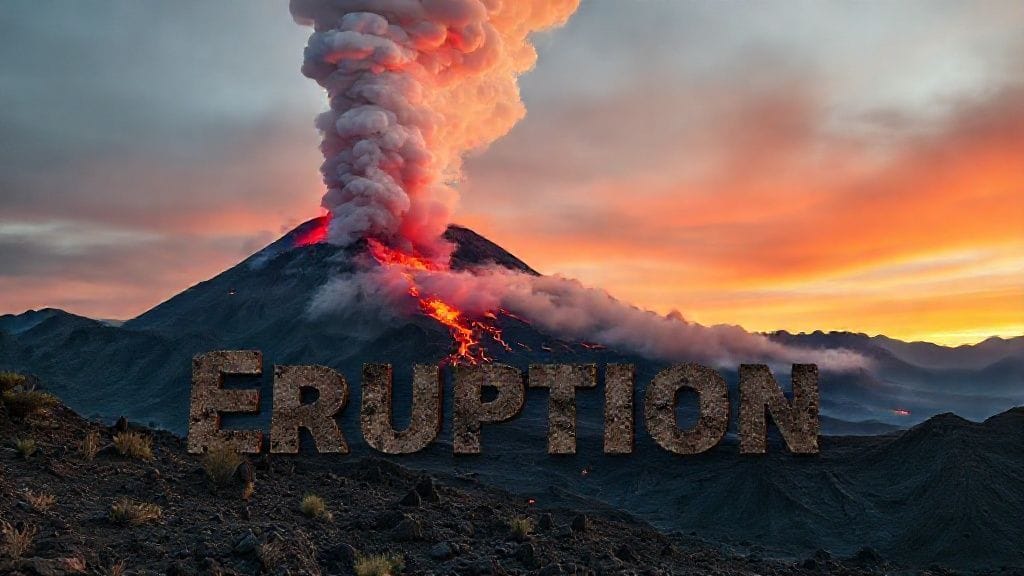
On a chilling November night in 2016, the imposing silhouette of Sabancaya volcano—a colossal guardian of Peru’s Andean landscape—erupted with a fury unseen for decades. Flames pierced the black sky, molten rock hissed as it exploded from the earth’s crust, and an enormous ash plume billowed upwards, blotting out stars and casting a shadow over distant villages. The earth itself seemed to roar in defiance, shaking towns and hearts alike. This was not a mere geological event: it was a dramatic reminder of the volatile forces beneath our feet and a story of nature’s relentless might.
Sabancaya’s awakening disrupted daily life, challenged scientific understanding, and triggered an emergency response that showcased human resilience. The 2016 eruption emerged as both a destructive force and a catalyst—forcing us to confront our fragile coexistence with the restless earth. It was a mesmerizing display, at once terrifying and magnificent, of the planet’s fiery heart.
Before the Storm: Peru’s Volcanic Legacy
To understand Sabancaya’s eruption, one must grasp the broader backdrop of Peru’s volcanic history, painted over millions of years by forces deep within the Earth. Peru lies on the volatile Pacific Ring of Fire, a sprawling chain of fire-breathing giants marking the collision of tectonic plates. These volcanoes, ancient and young, inactive and dangerously active, have shaped not only the terrain but also the cultures and lives around them.
Peruvian volcanoes like Misti, Ubinas, and Sabancaya have remained silent witnesses to human settlement and civilization. Yet, their eruptions—though often spaced by centuries—can dramatically alter landscapes, destroy crops, and force the movement of entire communities.
Sabancaya itself, a stratovolcano rising 5,976 meters above sea level, had last erupted in a recognizably large event before 2016 during the 1990s. But the 2016 eruption would etch itself into the annals of modern volcanology as a significant event, revealing much about the planet’s restless inner workings.
Sabancaya’s Restless Heart: Geological Origins
Sabancaya is a classic example of a stratovolcano—steep, conical, built up layer by fiery layer from explosive eruptions and lava flows. Geologically, it rests atop a caldera formed thousands of years ago, itself a violent remnant of an earlier catastrophic eruption. The volcano’s activity is a consequence of the Nazca Plate tectonically diving beneath the South American Plate, melting rock deep below and pushing magma upward in volatile spurts.
The underground plumbing of Sabancaya is complex, with a magma chamber several kilometers beneath the summit feeding channels of blistering molten rock to the surface. Pressurization over time leads to fracturing and explosive eruptions, punctuated by quieter periods of fumaroles and seismic tremors.
Understanding this geological heartbeat is key, because it explains why the volcano reawakened with such intensity in 2016, after periods of dormancy.
The Quiet Watchers: Scientific Surveillance Before 2016
Long before the eruption’s dramatic crescendo, scientists kept a watchful eye on Sabancaya. Peruvian and international volcanologists had established a monitoring network including seismometers, gas analyzers, and satellite observations. These instruments measure the subtle tremors, ground swelling, gas emissions, and heat changes that signal a volcano’s mood.
In the years leading to 2016, subtle indicators hinted at growing unrest. Increasing seismic activity suggested magma movement beneath the surface. Anomalies in sulfur dioxide emissions, clouds of gas exuding from fumaroles near the crater, hinted that new pockets of magma were rising. Yet these signs were not enough to predict the precise timing or scale of the forthcoming eruption.
The work of these “quiet watchers” would become indispensable when the volcano’s fury erupted fully, offering crucial data and just enough time for early warning measures.
First Signs of Fury: Early Tremors and Fumaroles
In August and September 2016, small but increasing tremors rattled the slopes of Sabancaya, signaling the bubbling pressure below. Residents in the nearby valleys could hear low rumbles like distant thunder. The gas emissions intensified, painting skies with sulfur’s acrid scent.
These early signs marked a tipping point. Scientists heightened their monitoring, and the government began coordinating with local emergency services.
It was at this time that many locals experienced a mix of awe and apprehension. Stories circulated in marketplaces: “The mountain is breathing again,” said some, while others whispered fears of lahars and ash ruining their harvests.
Exploding into View: The Initial Blast of November 2016
Then, in November, the earth gave a thunderous crack. Sabancaya erupted explosively, shooting ash and incandescent pyroclasts thousands of meters into the sky. The dark plume, dense and foreboding, stretched for kilometers, blotting out a sun that was already shrouded high in the Andes’ rarefied atmosphere.
The explosion was accompanied by sonic booms and tremors felt miles away. Lava bombs hurled from the crater landed with resounding crashes, setting brushfires and scattering debris. The air filled with a choking mix of ash and sulfuric acid droplets, forcing nearby villages to don masks and seal windows.
This blast was not a single moment, but the opening act of a phase of intermittent eruptions and ash emissions lasting months, forcing continuous vigilance.
The Ash Cloud Rising: Impact on the Sky and Atmosphere
Sabancaya’s ash cloud was more than a local hazard; it reached altitudes where it disrupted aviation flight paths. Air routes to Lima and across South America were momentarily rerouted to avoid the suspended menace. Satellites captured images of the plume, swirling with shades of grey and brown, riding the jet stream thousands of kilometers from Peru.
Particles of volcanic ash scattered sunlight and lowered air quality dramatically over populated regions. Thick ashfall coated roofs and fields in a harmful layer of fine tephra, transforming familiar landscapes into moonscapes of desolation.
But from a scientific perspective, this event offered a rare glimpse into how volcanic aerosols influence climate and air travel safety, adding to the growing body of knowledge crucial for future hazard mitigation.
Voices from the Ground: Eyewitness Accounts and Local Responses
For those living under Sabancaya’s shadow, the eruption was a moment of shared trauma and solidarity. Doña Maria, a farmer from nearby Chivay, recounted the night the sky burned:
“I saw the mountain spit fire like I never imagined. Our animals were nervous — and so were we. But our community came together. We helped each other, shared food, and listened to the radio for news.”
Children were especially vulnerable; schools closed intermittently to protect students from ash inhalation. The eruption fractured daily routines but also strengthened communal bonds—an enduring theme in disasters worldwide.
Many locals regard the volcano as a living ancestor—destructive but protective—and through stories and rituals, they sought to honor and tame its fiery spirit.
The Scientific Race: Monitoring and Predicting the Volcano’s Behavior
During the eruptive phase, scientists engaged in a frantic effort to interpret real-time data. Seismic arrays traced the shifting tremor patterns: sudden bursts of high-frequency quakes indicated magma fracturing rock, while longer low-frequency signals suggested dome growth.
Gas measurements charted spikes in sulfur dioxide—indexes of magma degassing that preceded more violent outbursts. Thermal cameras detected heat anomalies on the volcano’s flanks, warning of new lava flows or vents.
International collaboration enabled quick data sharing; Peruvian authorities worked alongside volcano observatories in Japan, Italy, and the United States to refine emergency responses.
Though perfect prediction remains an elusive dream, the 2016 eruption demonstrated how integrated monitoring can save lives by offering crucial advance notice.
Displacement and Danger: Communities on the Volcanic Frontier
The ashfall and threat of pyroclastic flows forced the evacuation of several small communities around Sabancaya. Temporary shelters arose in safer zones, hosting displaced families enduring cold nights and uncertainty.
While no large-scale fatalities occurred, the human cost was measured in lost livelihoods, damaged crops, and the psychological toll of living under constant threat.
The Peruvian government coordinated relief efforts—distributing masks, food aid, and health services, but the uneven topography and limited infrastructure posed ongoing challenges.
These evacuations spotlighted larger questions about balancing human settlement in fertile yet hazardous volcanic regions—an issue facing millions worldwide.
Sabancaya’s Ashfall: Environmental and Agricultural Consequences
Volcanic ash, though a bane in the short term, carries paradoxical fertility. Initially, however, the 2016 ashfall devastated crops—potatoes, maize, and quinoa—strangling plants under heavy, acidic layers.
Water sources turned turbid, affecting livestock and irrigation. Soil pH shifted, leading to complex aftereffects on local agriculture.
Environmental scientists also monitored impacts on regional fauna—especially birds and small mammals—finding changes in habitat use due to ash coverage.
The resilience of nature is remarkable. In months, regenerative processes began to unfold, but the eruption served as a stark reminder of the delicate balance between earth’s destructive and nurturing powers.
From Peru to the World: The Volcanic Plume’s Reach
Sabancaya’s eruption showcased the interconnectedness of earth systems. Ash clouds circled the globe, influencing atmospheric chemistry and affecting air traffic far beyond Peruvian borders.
Satellite instruments like NASA’s OMI observed changes in stratospheric sulfur dioxide, contributing to global climate models. Scientists debating the cooling effects of volcanic aerosols on planetary temperatures used Sabancaya as a fresh case study.
The event affirmed how local natural disasters possess global footprints—both in environmental terms and in our collective perception of risk.
Governmental Actions: Disaster Relief and Risk Management
Facing the volcano’s fury, Peru’s government took decisive action. The National Civil Defense Institute (INDECI) activated emergency protocols, disseminating alerts and organizing evacuations.
Coordination with regional authorities ensured road access and medical support, while the Ministry of Agriculture provided compensation to affected farmers.
Post-eruption, investments poured into improving volcanic monitoring networks, public education campaigns, and infrastructural resilience.
This event propelled the government to reflect on disaster preparedness in a country frequently tested by nature’s extremes—earthquakes, floods, and volcanic eruptions alike.
The Volcano and Culture: Sabancaya in Local Mythology and Identity
For indigenous Andean communities, Sabancaya is not merely a geological feature but a sacred entity woven into cultural narratives. Volcanic eruptions are seen as messages from the spirit world—or Apus, mountain gods—calling for respect or signaling change.
The 2016 eruption reinvigorated traditional rituals: offerings, prayers, and festivals sought to appease Sabancaya’s temper and invoke protection.
This intertwining of geology and spirituality shapes how communities perceive risk and fosters a unique resilience rooted in identity.
Lessons Learned: Advances in Volcanology Post-2016
Sabancaya’s 2016 eruption became a laboratory for volcanologists worldwide. The rich trove of seismic, gas emission, and satellite data spawned new insights into eruption precursors and magma dynamics.
Models of ash dispersal were refined, improving hazard zoning and aviation safety protocols.
The event emphasized the need for integrated multidisciplinary monitoring—combining geology, meteorology, and social sciences—to manage risk holistically.
The legacy of this eruption is one of enhanced preparedness and scientific understanding, a beacon guiding future volcanic crisis management.
A Sleeping Giant or an Eternal Threat? Sabancaya After 2016
Following the months-long eruptive phase, Sabancaya returned to a quieter state. However, scientists caution that dormancy does not equal safety.
The volcano entered into an uneasy sleep, its magma chambers still charged and its seismic murmurs continuing intermittently.
Local populations remain vigilant, aware that the mountain’s violent history could repeat.
The tension between human ambition and natural forces finds its starkest expression here, where the landscape demands respect and caution.
The Global Context: Sabancaya in the Pacific Ring of Fire
Sabancaya’s eruption belongs to a sequence of volcanic activities along the Pacific Ring of Fire, which stretches from New Zealand to Alaska.
In 2016, a series of eruptions and earthquakes rattled this volatile region, reinforcing the interconnectedness of plate tectonics.
Sabancaya’s activity served as a reminder that geological hazards transcend national frontiers and require international cooperation.
The eruption was a poignant marker of our planet’s restless hinge, where fire and ice contend for dominance.
Economic Ramifications: Weighing the Costs of Nature’s Fury
Economically, the eruption inflicted millions in damage—from destroyed crops and livestock losses to infrastructure disruption.
Tourism, both local and international, experienced temporary declines as air travel was rerouted and access restricted.
Yet, in the longer term, the volcanic soils’ fertility often aids agricultural recovery, and the landscape’s stark beauty attracts visitors eager to witness nature’s grandeur.
Balancing immediate economic hardship with long-term benefits remains a complex challenge for policymakers.
The Human Spirit: Resilience Amid Ash and Smoke
Amid the hardship, the 2016 eruption also underscored the indomitable human spirit.
Communities united, governments mobilized, and scientists collaborated across continents. Stories of courage, adaptation, and hope emerged—reminders that in the face of nature’s immense power, humanity can endure and even find meaning.
The eruption became not only a geological event but a human saga, etched in memory and identity.
Scientific Insights: New Knowledge Carved from the 2016 Eruption
Sabancaya furnished scientists with enhanced understanding of magma ascent rates, eruption triggers, and crater morphology.
Innovations in gas spectroscopy and satellite remote sensing allowed for unprecedented detail in real time.
These advances feed back into risk management worldwide, helping communities better anticipate and cope with volcanic hazards.
The volcano’s fiery tale, thus, contributes vitally to the global scientific narrative.
Crossroads of Nature and Modernity: Peru’s Challenge
Peru’s evolving infrastructure and expanding populations bring increasing numbers into hazardous volcanic zones.
The Sabancaya eruption raised urgent questions: How to develop while respecting nature’s limits? How to balance tradition and modern risk management? How to translate scientific data into effective public policies?
These are challenges faced by not only Peru but many regions confronting natural hazards amid global change.
Looking Forward: Preparing for Future Eruptions
The 2016 eruption laid groundwork for improved volcanic preparedness in Peru and beyond.
Investments in community education, early warning systems, and multidisciplinary research increased. The experience sparked efforts to integrate indigenous knowledge and modern science.
Building resilient societies means understanding that volcanoes like Sabancaya are neither predictable nor conquerable—but manageable, in part, through vigilance and cooperation.
The Memory of Ash: Cultural and Historical Legacy
Years from now, the 2016 eruption will live not only in geological records but in stories, art, and cultural memory.
Ashfall, once a destruction agent, becomes a symbol of survival and nature’s cyclic gifts.
The eruption is woven into the fabric of local identities—not as trauma alone but as a chapter of collective history, shaping how communities interact with their environment.
Epilogue: A Volcano’s Story Written in Fire and Smoke
Sabancaya’s 2016 eruption is a testament to the power, beauty, and terror of Earth’s volcanic forces.
It reminds us of our planet’s dynamic nature, the delicate balance between creation and destruction, and the intertwined fate of human societies and geological time.
As the smoke clears, one truth remains clear—Sabancaya remains a living mountain, its story unfinished, waiting patiently for the next breath of fire.
Conclusion
The 2016 eruption of the Sabancaya volcano was more than a dramatic geological event—it was a profound human experience, a confrontation between the ancient forces of nature and the modern world. Its fiery ascent into the skies above Peru awakened not only the earth beneath but the souls of those who live in its shadow. Through destruction came learning; through danger came solidarity. The eruption challenged scientists, citizens, and governments alike to understand and respect a planet alive with power.
Sabancaya reminds us that nature’s fury is both a threat and a gift—capable of devastation yet also a force that shapes landscapes, cultures, and knowledge. It invites humanity to listen closely to the mountains, to build systems of resilience, and to recognize that in every cloud of ash lies the potential for new growth.
The story of Sabancaya’s 2016 eruption is, in essence, a story about life itself—turbulent, unpredictable, and beautiful in its relentless unfolding.
FAQs
1. What caused the 2016 eruption of Sabancaya volcano?
The eruption was caused by the movement of magma rising from a chamber beneath Sabancaya due to tectonic plate subduction, building pressure that eventually fractured the crust and expelled magma explosively.
2. How did scientists monitor Sabancaya before and during the eruption?
They used a network of seismometers, gas analyzers, satellite imaging, thermal cameras, and ground observations to track earthquakes, gas emissions, temperature changes, and deformations.
3. What were the main impacts of the eruption on local communities?
Ashfall damaged crops, contaminated water supplies, forced evacuations, and affected health due to poor air quality. It disrupted daily life but also strengthened community solidarity.
4. Did the eruption cause any fatalities?
No major fatalities were reported, thanks in part to early warnings and evacuations, though the eruption posed serious risks.
5. How did the Peruvian government respond to the crisis?
Through INDECI, they activated emergency plans, coordinated evacuations, provided aid and compensation, and invested in improved monitoring and public education.
6. What is the long-term significance of the 2016 Sabancaya eruption?
It advanced volcanology research, improved hazard preparedness in Peru, and underscored the balance needed between development and natural hazard management in volcanic regions.
7. How does Sabancaya fit into the larger Pacific Ring of Fire?
Sabancaya is one of many active volcanoes in this tectonically volatile earthquake and volcanic belt encircling the Pacific Ocean’s edges.
8. Are future eruptions of Sabancaya likely?
Given its active magma chamber and ongoing seismicity, future eruptions are possible. Continuous monitoring is essential for risk mitigation.

