Table of Contents
- The Roar of Villarrica: March 2015’s Fiery Prelude
- A Sleeping Giant in Araucanía: The Geological Backdrop
- The Peoples and the Volcano: Cultural and Spiritual Ties
- Early Warnings: Seismic Activity and Rising Tensions
- March 3, 2015: Villarrica Awakens with a Fury
- A Night of Fire and Ash: Eyewitness Accounts and Immediate Impact
- Emergency Responses: Mobilizing a Nation to Face Nature’s Wrath
- Evacuations and Displacements: The Human Story Behind the Ash Cloud
- Science in Action: Monitoring Villarrica’s Changing Behavior
- Media Sensations and Public Awareness: The Global Eye on Chile
- The Aftermath: Environmental and Economic Consequences
- Resilience in Araucanía: Communities Rebuilding Amidst Ash
- The Volcano’s Message: Indigenous Interpretations and Modern Science
- Comparing Villarrica 2015 with Past Eruptions: A Historical Perspective
- Lessons Learned: Disaster Preparedness in Volcanic Regions
- The Lasting Legacy of Villarrica’s Fury on Chile’s National Identity
- Conclusion: Fire and Ash—The Eternal Dance of Nature and Humanity
- FAQs: Curious Minds on the Villarrica Eruption
- External Resource
- Internal Link
The Roar of Villarrica: March 2015’s Fiery Prelude
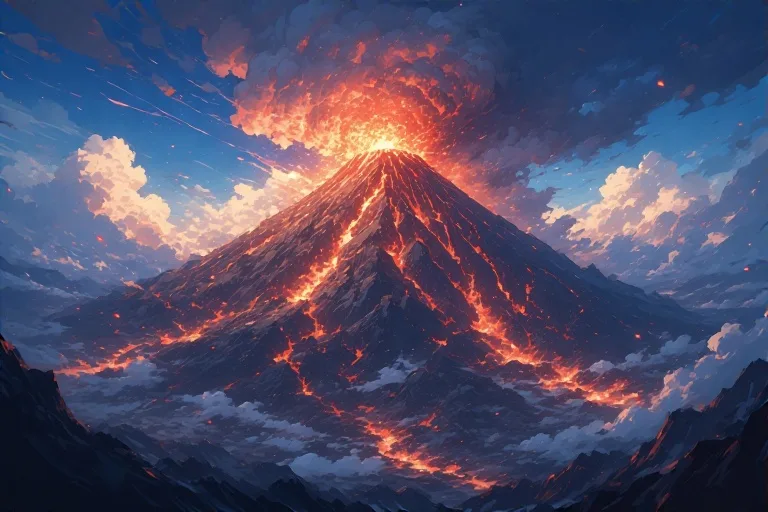
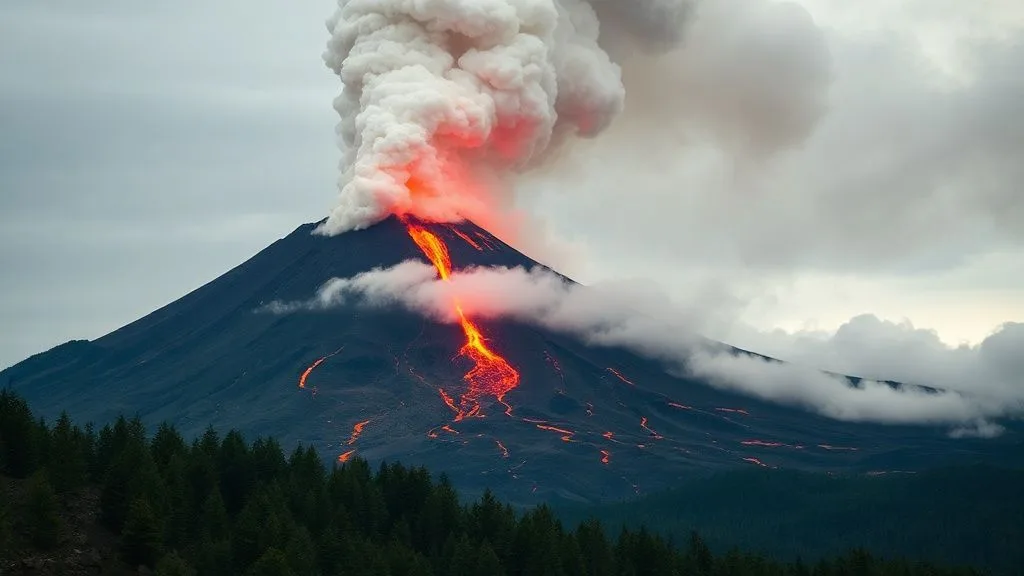
At the edge of Chile’s lush Araucanía region, the tranquility of an early March evening shattered as Villarrica volcano—one of South America’s most active—began to awaken. The sky darkened not with the twilight, but under a dense plume of ash and smoke rising ominously from the crater. It was a moment heavy with both fear and fascination, a spectacle that mother nature delivered with volcanic fury. Families hurriedly gathered belongings, while emergency sirens echoed in the distance, threading through the towns that cling nervously to the volcano’s slopes. Villarrica’s awakening was not merely an eruption; it was an orchestration of fire, ash, and human resilience, a reminder of the delicate balance between colossal Earth forces and the communities that live in their shadow.
A Sleeping Giant in Araucanía: The Geological Backdrop
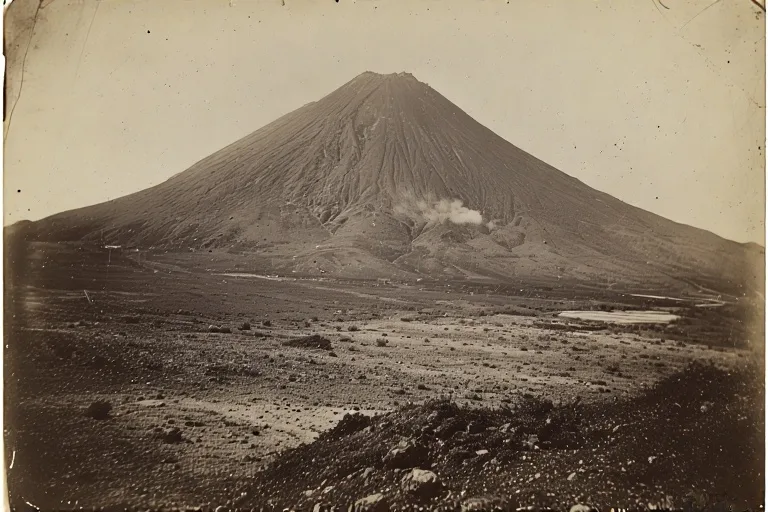
Nestled amidst Chile’s southern Andes, Villarrica towers at 2,847 meters, its symmetrical cone both a tourist marvel and a natural hazard. This stratovolcano has a fiery history extending tens of thousands of years, fed by tectonic forces beneath the South American and Nazca plates. Its hallmark is persistent activity, characterized by mild strombolian eruptions that sporadically spit lava fountains and ash clouds into the sky. Prior to 2015, Villarrica had displayed cycles of rest and vigorous activity, the last significant eruption being in 2011. Underneath its snow-capped facade lies a restless magma chamber, and the signs of pressure buildup had been silently brewing for months as magmatic gases accumulated beneath the earth’s surface.
The Peoples and the Volcano: Cultural and Spiritual Ties
For the Mapuche people, indigenous to Araucanía, Villarrica is far more than a geological structure; it is a spiritual axis, a living deity they call Ruka Pillán—the House of the Spirit. Their oral traditions speak of the volcano as a guardian and a destroyer, a presence to respect and fear. The eruption was not just a natural event but one intertwined with cultural narratives about balance and respect for Pachamama (Mother Earth). Over centuries, the volcano shaped not only the landscape but also the identity and history of the region’s inhabitants, who have passed down stories of previous eruptions and survival in an often unpredictable world.
Early Warnings: Seismic Activity and Rising Tensions
Months before the March 2015 cataclysm, geologists monitoring Villarrica noted a steady increase in seismic tremors—a telling sign that magma was on the move. Instruments detected harmonic tremors, gas emissions soared, and the volcano’s thermal imaging indicated a rising lava lake. Authorities and scientists sounded alarms, but the exact timing of eruption remained uncertain. In late February, ash emissions began sporadically, unsettling the local population. Schools and businesses prepared contingency plans while researchers scrambled to decode the volcano’s cryptic signals—a volatile prelude to what would follow in days.
March 3, 2015: Villarrica Awakens with a Fury
On the third day of March, at approximately 6:30 PM local time, Villarrica’s long simmering magma chamber breached its surface defenses with spectacular violence. A towering column of ash and smoke erupted skyward, visible from miles away. Lava fountains shot from the crater, illuminating the night like rivers of molten gold. The eruption rapidly escalated from strombolian bursts to a sustained explosive display. Residents described hearing deep rumblings that shook the ground beneath their feet, as if the earth itself was groaning and reshaping. Villarrica had reminded the world of its ancient power.
A Night of Fire and Ash: Eyewitness Accounts and Immediate Impact
“I could see the sky turn scarlet, then black, and the smell of sulfur filled the air,” recalled María, a local shopkeeper in Pucón, one of the towns at the volcano’s base. Families took refuge indoors or in evacuation shelters, watching anxiously as ash began to coat streets and roofs. Airports briefly halted flights, and thick ash clouds disrupted visibility. Livestock were relocated, crops were threatened, and the haunting sound of emergency sirens punctuated the night. The eruption’s drama was as much emotional as physical—fear mingled with awe as citizens confronted the unpredictable force erupting on their doorstep.
Emergency Responses: Mobilizing a Nation to Face Nature’s Wrath
Chile, no stranger to seismic upheaval and volcanic eruptions, mobilized quickly. The National Emergency Office (ONEMI) coordinated evacuations and disseminated information. Helicopters surveyed the region, while civil defense teams established evacuation routes. Shelter centers opened swiftly to aid displaced families. The military enforced curfews around the most vulnerable zones. The government’s response drew on decades of experience tackling natural disasters, but the scale and intensity of Villarrica’s 2015 eruption tested capacities anew. International agencies offered support, underscoring a global awareness of volcanic hazards.
Evacuations and Displacements: The Human Story Behind the Ash Cloud
Over 3,500 residents evacuated in the days following the eruption, many having to leave with only the clothes on their backs. Among them were farmers who watched helplessly as their fields succumbed to layers of ash. The displacement triggered complex social dynamics—families separated, schools closed, economies disrupted. Yet stories of solidarity emerged: neighbors sheltered each other, community centers transformed into havens, and indigenous leaders facilitated communication between authorities and their people. The eruption was not just an environmental calamity but a profound human ordeal etched into the memories of families that year.
Science in Action: Monitoring Villarrica’s Changing Behavior
Volcanologists from Chile’s Southern Andes Volcano Observatory (OVDAS) and international collaborators kept a vigilant watch on Villarrica. Remote sensors recorded shifts in seismicity and gas emissions; drones captured aerial imagery; thermal cameras traced the lava’s advance. Throughout March, eruptive activity waxed and waned, providing crucial data for predicting future behavior. This event became a living laboratory on volcanism, helping refine eruption models and risk assessment techniques. Yet nature’s unpredictability forced scientists to maintain a cautious approach, always prepared for a sudden escalation.
Media Sensations and Public Awareness: The Global Eye on Chile
The spectacular images of Villarrica’s blazing plume captivated audiences worldwide. News outlets from Santiago to Tokyo broadcast live footage; social media amplified dramatic photos and videos uploaded by locals. The eruption became a global spectacle, raising awareness on volcanic hazards but also igniting fears and fascination. Experts appeared on television explaining volcanic phenomena, while conversations about climate, geology, and disaster preparedness expanded beyond academic circles into everyday discussions. Yet beneath the spectacle lay the sobering realities faced by those who lived closest to the fiery giant.
The Aftermath: Environmental and Economic Consequences
In the weeks that followed, ash fallout blanketed towns and forests around Villarrica. Water supplies were threatened by contamination, and wildlife habitats suffered. Agricultural losses mounted, with vineyards and crops smothered under volcanic dust. Tourism, a vital economic pillar for the region, was heavily impacted, though it slowly rebounded as visitors returned to witness the volcano’s enduring presence. The cleanup was arduous; streets had to be cleared, homes repaired, and infrastructure restored. The eruption reminded the region of its vulnerability but also its capacity to recover.
Resilience in Araucanía: Communities Rebuilding Amidst Ash
Adaptability and community spirit defined the post-eruption phase. The Mapuche and other local groups engaged in replanting efforts, cultural revitalization, and environmental restoration. Reconstruction projects emphasized sustainability, with attention to better risk management and disaster preparedness. Schools resumed with renewed commitment to educating children about nature’s dual beauty and danger. The eruption became a catalyst for intergenerational dialogue, weaving volcanic experience into local identity and collective memory.
The Volcano’s Message: Indigenous Interpretations and Modern Science
Villarrica’s 2015 eruption highlighted the intersection between ancient indigenous wisdom and contemporary volcanology. Mapuche leaders emphasized respect for the land and living with natural cycles rather than merely controlling them. Scientists acknowledged the value of traditional ecological knowledge in understanding warning signs and risk zones. This dialogue fostered collaborative approaches to monitoring and response, blending cultural perspectives with technological expertise—a model for managing natural hazards worldwide.
Comparing Villarrica 2015 with Past Eruptions: A Historical Perspective
Historically, Villarrica has erupted violently several times: notably in 1963, 1971, and 1984, with varying impacts. The 2015 event, while intense, was less catastrophic than some predecessors but had a unique social dimension in a more interconnected world. Comparing these eruptions reveals patterns of volcanic behavior and shifts in societal response—from limited early warning systems to modern preparedness. The narrative of Villarrica is thus a chapter in an ongoing story between humans and a living mountain.
Lessons Learned: Disaster Preparedness in Volcanic Regions
The 2015 eruption underscored the necessity of robust disaster management. It demonstrated the value of early-warning systems, clear communication channels, and community involvement. Emergency drills, resource planning, and scientific collaboration emerged as pillars of resilience. The event also highlighted challenges: balancing tourism with risk, integrating indigenous voices, and anticipating secondary hazards like mudflows. Chile’s experience contributed to a global conversation on living with volatile landscapes, mixing respect with vigilance.
The Lasting Legacy of Villarrica’s Fury on Chile’s National Identity
For Chileans, Villarrica’s eruption was more than a natural event—it was a reminder of their land’s volatility and vitality. It reinforced a national narrative of endurance in the face of nature’s extremes, echoing the country’s history of earthquakes and volcanic activity. In schools, stories of Villarrica became teaching tools; in literature and art, metaphors of fire and renewal appeared. The eruption fostered a greater sense of environmental consciousness and community solidarity, qualities that continue to shape Chile’s character.
Conclusion: Fire and Ash—The Eternal Dance of Nature and Humanity
The 2015 Villarrica eruption in Araucanía was a vivid chapter in the age-old dialogue between earth and its inhabitants. Its flames illuminated both the volcanic crater and the indomitable human spirit confronting it. Above the trembling landscape, the plume of ash traced the boundaries of fear and fascination, destruction and renewal. In every glowing ember, in every blanket of ash, lies a story of a land alive with power—and people determined to coexist with it. Villarrica reminded us that nature’s gaze is eternal, urgent, and ultimately, deeply human.
FAQs
Q1: What caused the Villarrica eruption of March 2015?
A1: The eruption was triggered by the ascent of magma from the volcano’s deep chamber, driven by tectonic activity where the Nazca Plate subducts beneath the South American Plate, causing pressure buildup resulting in the explosive release observed in March 2015.
Q2: How did local authorities prepare for the eruption?
A2: Authorities monitored seismic activity, issued early warnings, implemented evacuations, coordinated emergency services, and set up shelters, drawing on national disaster management protocols informed by previous volcanic events.
Q3: What role did the Mapuche people play during and after the eruption?
A3: The Mapuche community provided cultural guidance, facilitated communication between officials and locals, engaged in recovery efforts, and offered indigenous perspectives that enriched scientific understanding of the eruption.
Q4: What was the immediate impact on the environment?
A4: Ash and pyroclastic materials disrupted ecosystems, contaminated water sources, damaged crops, and affected local wildlife. Forests around the volcano faced increased vulnerability from ash fallout and fires.
Q5: How did the eruption affect the regional economy?
A5: Tourism declined sharply during the emergency but later rebounded. Agriculture suffered significant losses, especially vineyards and farms near the volcano. Recovery programs sought to revitalize economic activity.
Q6: How does the 2015 eruption compare to past Villarrica eruptions?
A6: While intense, it was less destructive than some historical eruptions but notable for its extensive monitoring and coordinated emergency response, reflecting advances in disaster preparedness.
Q7: What scientific lessons were learned from the eruption?
A7: The event improved eruption forecasting models, highlighted the importance of integrating traditional knowledge, and demonstrated the need for continuous vigilance in active volcanic regions.
Q8: How is the Villarrica volcano monitored today?
A8: Monitoring involves seismic sensors, gas analyzers, thermal cameras, satellite imagery, and collaborative observation integrating technological tools with community reporting to detect early signs of activity.