Table of Contents
- The Tremors Before the Fury: Prelude to La Soufrière’s Awakening
- Geology of a Giant: Understanding La Soufrière Volcano
- Life on the Edge: The Human Landscape of St Vincent and the Grenadines
- April 2021: The Day the Mountain Roared Back to Life
- The Initial Eruptions: Ash Clouds and Tectonic Tremors
- Evacuation Orders and Community Responses: A Race Against Time
- The Smoke That Shaped Fear: Visual Chronicles of the Eruption
- Scientists’ Vigil: Monitoring, Predictions, and Uncertainty
- The Role of Communication: Government, Media, and Social Networks
- The Environmental Impact: From Toxic Ash to Changing Ecosystems
- The Economic Toll: Agriculture, Tourism, and Infrastructure Under Siege
- Stories from the Ground: Personal Testimonies of Survival and Loss
- Regional and International Aid: The Global Response to a Local Crisis
- Resilience and Recovery: St Vincent’s Path to Healing
- Lessons from the Ashes: Volcano Preparedness in an Era of Climate Change
- La Soufrière in Historical Perspective: Past Eruptions and Memories
- Cultural Reflections: How La Soufrière Shapes Vincentian Identity
- The Science of Volcanoes: What La Soufrière Teaches Us Today
- From Lava to Legacy: Long-Term Environmental Transformations
- Conclusion: The Enduring Spirit Amidst Nature’s Fury
- FAQs: Common Questions about La Soufrière Eruption 2021
- External Resource: Wikipedia Link on La Soufrière Eruption
- Internal Link: Visit History Sphere
The Tremors Before the Fury: Prelude to La Soufrière’s Awakening
On a soft evening in April 2021, the people of St Vincent and the Grenadines felt a familiar tremble beneath their feet—as if the earth beneath the emerald hills whispered warnings known to their ancestors. For weeks prior, subtle but persistent seismic activity heralded the restless giant in their midst: La Soufrière, a towering stratovolcano that rises like a sleeping sentinel over the northern reaches of the island. It was a warning grown louder with each passing day, until the mountain finally spoke in booming, unmistakable tongues.
The first explosive blasts reverberated through the early hours of April 9th, carving a scar across the sky and scattering a plume of ash that turned day into night. For the 110,000 inhabitants of St Vincent, this eruption was not a sudden catastrophe but an unwelcome awakening of a looming peril that had slumbered for decades. As the ash blanketed villages and the ground shuddered beneath their homes, the island’s people confronted nature’s fury once again—caught between fear, resilience, and the fragile hope for survival.
Geology of a Giant: Understanding La Soufrière Volcano
La Soufrière is no ordinary volcano. It's part of the volcanic arc that marks the eastern boundary of the Caribbean Plate, where the Atlantic Plate slides beneath it in a slow, relentless subduction. This geological tension fuels magma chambers deep beneath the earth, pumping molten rock upwards until it finds respite in eruption.
The volcano itself rises to 1,234 meters above sea level and has been a defining force shaping the northern landscape of St Vincent. Its deadly potential was fully realized in 1902 when an eruption claimed around 1,600 lives, preceded by the infamous eruption of Mount Pelée just across the sea in Martinique. Since then, La Soufrière's uneasy slumber had become a grim part of local lore—its last eruption in 1979 a moderate reminder of what the mountain could unleash.
But what makes La Soufrière particularly terrifying is its capacity for explosive eruptions. Unlike slow lava flows, the buildup of gas and pressure inside the volcano can lead to violent, devastating blasts, spewing ash and pyroclastic flows that can obliterate everything in their path within minutes.
Life on the Edge: The Human Landscape of St Vincent and the Grenadines
To understand the eruption’s impact, one must first see the island through the eyes of its inhabitants. St Vincent and the Grenadines, a lush Caribbean nation of rolling hills, tropical forests, and vibrant communities, had long coexisted with La Soufrière. The agricultural heartland surrounding the volcano produced bananas, arrowroot, and other staples that fed both local families and export markets.
Villages clustered at the volcano’s base shaped their rhythms around the seasons and the mountain’s moods. Generations had grown with stories of past eruptions, with elders recounting close calls and the wisdom of preparedness. Yet, the land’s fertility and beauty often blinded residents to the looming danger, an intimate paradox where life and death intertwined beneath the ash.
April 2021: The Day the Mountain Roared Back to Life
Signs of unrest began subtly in late 2020. Small earthquakes rattled windows. Sulfurous gases tinged the air near the summit. But no one on the island could foresee the intensity of what was to come.
On April 8th and 9th, seismic activity surged dramatically. At 8:41 AM on the 9th, La Soufrière exploded with a force that drew a towering ash plume of up to 16 kilometers into the sky. The eruption shook the island’s foundation, setting off alarms in seismological centers worldwide.
From a peaceful dawn, the atmosphere shifted suddenly: skies darkened, ash rained down like grey snow, and an eerie quiet settled over urban and rural communities alike. The air smelled of sulfur and fire, a tangible reminder that the mountain was shedding its mantle of sleep and revealing a deadly heart beneath.
The Initial Eruptions: Ash Clouds and Tectonic Tremors
The first explosive events were characterized by phreatic explosions—steam-driven blasts caused when rising magma contacted water underground—propelling clouds of ash and rock fragments skyward. These fragmented blasts grew in power, soon transitioning into more vigorous magmatic eruptions where actual molten rock surfaced.
Ashfall blanketed rooftops, clogged water systems, and forced residents into homes, while fiery projectiles occasionally landed on uninhabited highlands. Tremors echoed continually, signaling the volcano’s unsettled state.
The island’s meteorological and geological services issued multiple warnings, but the intensity and unpredictability of the eruptions tested these systems and the patience of a population gripped by uncertainty.
Evacuation Orders and Community Responses: A Race Against Time
With each warning, the government and disaster management agencies faced wrenching decisions. The critical question was whom to evacuate and how to do so swiftly amid logistical challenges.
By April 8th, the National Emergency Management Organisation (NEMO) declared a red alert for the volcano. Tens of thousands living in the peril zone—primarily in the island’s northern parishes of Charlotte and Saint Andrew—were ordered to relocate. Schools, churches, and community centers quickly transformed into shelters, while boats ferried residents away to safer parts of the island or even offshore.
But evacuation was as much an emotional trial as a logistical one. Many residents hesitated, their attachments to homes, land, and livelihoods anchoring them to risky ground. Others scrambled to secure belongings, tending to livestock or harvesting crops even as ash began to fall.
Local leaders and volunteers worked tirelessly to overcome fear and confusion, organizing transportation and persuading reluctant families to seek safety, underscoring a communal solidarity forged through hardship.
The Smoke That Shaped Fear: Visual Chronicles of the Eruption
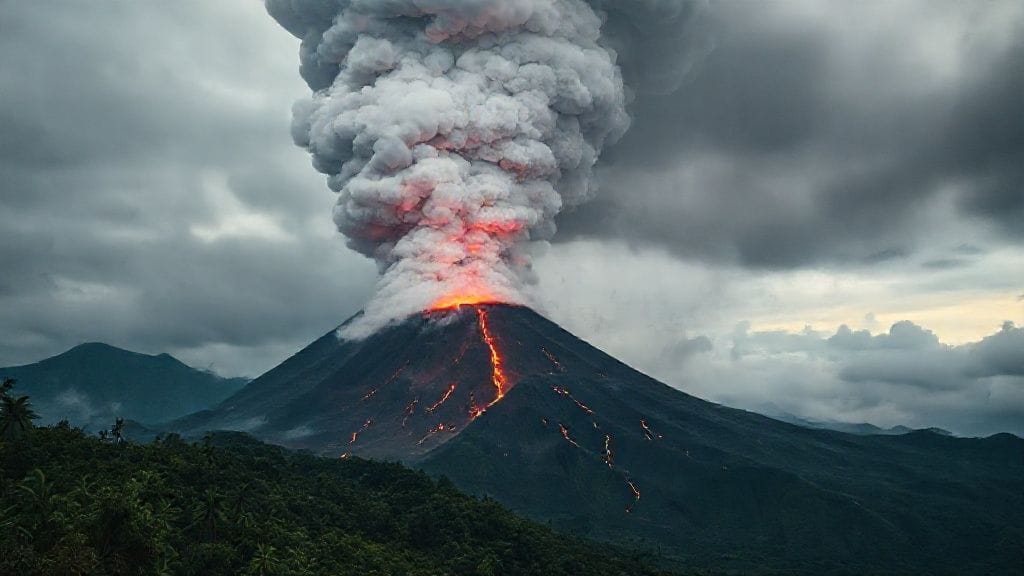
Across social media, news outlets, and eyewitness accounts, images of La Soufrière in eruption circulated rapidly—a dark plume blotting the azure sky, villages cloaked in dull ash, volcanic lightning flickering through the smoke.
For islanders and distant onlookers alike, these images distilled a collective anxiety. Schools closed indefinitely, flights were canceled, and visibility diminished to a surreal twilight during daytime. Ash drifted as far as Barbados and Grenada, demonstrating the regional reach of the eruption.
This visual narrative was not just a record but a powerful symbol of nature’s uncontrollable force and the frailty of human settlements in its wake.
Scientists’ Vigil: Monitoring, Predictions, and Uncertainty
Behind the dramatic spectacle was an army of geologists, volcanologists, and emergency planners working round the clock. The University of the West Indies Seismic Research Centre and other agencies maintained a vigilant watch on seismic data, gas emissions, ground deformation, and other volcanic signals.
Predicting eruptive behavior is notoriously difficult, and La Soufrière’s shifts demanded constant interpretation. At times, intermittent quiet signaled pauses between eruptions; at others, sudden spikes in activity caught experts off guard.
Their work balanced hope with caution—communicating risks accurately without inducing panic. Notably, advancements in remote sensing and real-time monitoring allowed authorities a better picture than previous eruptions, even if uncertainty remained a constant companion.
The Role of Communication: Government, Media, and Social Networks
Communication was as vital as evacuation itself. The Vincentian government’s efforts to keep the public informed through radio broadcasts, text message alerts, and press conferences helped manage expectations and safety.
Yet, misinformation and rumors spread in the anxiety-ridden days, necessitating clear, credible sources. Social media played a dual role—both a tool for immediate updates and a platform where fears could amplify.
The collaboration among scientists, government officials, journalists, and community leaders ultimately forged a lifeline that saved lives and maintained social order amid chaos.
The Environmental Impact: From Toxic Ash to Changing Ecosystems
The eruption’s environmental consequences unfolded beyond the immediate threat of lava and ash. Thick layers of volcanic material smothered vegetation, caused soil acidification, and contaminated water supplies with sulfur and heavy metals.
Rivers and coastal waters darkened with volcanic debris, threatening aquatic life. The destruction of banana plantations and other crops disrupted ecosystems and food chains, while airborne ash affected air quality.
Nevertheless, volcanic soils are renowned for their fertility; nature’s slow reclamation promised eventual resurgence, though the road to recovery would be long and challenging.
The Economic Toll: Agriculture, Tourism, and Infrastructure Under Siege
St Vincent’s economy, closely tied to agriculture and tourism, suffered immediate blows. The banning of outdoor activities in ash-affected zones, suspension of flights, and closure of ports stifled commerce.
Bananas, a primary export generating millions annually, faced catastrophic losses as plantations were buried or abandoned. The impact resonated through supply chains, affecting workers and markets well beyond the island.
Infrastructure damage, including ash accumulation on roofs leading to collapses and contamination of water systems, added financial strain. The government grappled with balancing emergency relief with longer-term economic planning, underscoring the eruption’s multifaceted impact.
Stories from the Ground: Personal Testimonies of Survival and Loss
Amid the statistics and broad narratives lay deeply human stories—families separated by evacuation, children frightened by the ash-filled sky, elders recounting similar volcanic nights decades earlier.
One fisherman spoke of rowing ash-laden waters to ferry neighbors away from danger. A teacher described comforting students in a crowded shelter. A farmer mourned the ruin of years’ worth of toil buried under gray dust.
These testimonies illustrated not only hardship but resilience, compassion, and the enduring spirit of a community bound by shared peril and hope.
Regional and International Aid: The Global Response to a Local Crisis
As news of the eruption spread, offers of aid arrived from regional neighbors and international partners. The Caribbean Disaster Emergency Management Agency coordinated relief supplies and technical support, while countries like the United States, United Kingdom, and China extended financial and logistical assistance.
Non-governmental organizations mobilized to provide food, shelter materials, and medical care. The UN’s Office for the Coordination of Humanitarian Affairs emphasized the eruption’s risk to vulnerable populations, particularly displaced persons and those with health issues.
This outpouring of solidarity reinforced the connectedness of small island states in the face of natural disasters—a shared vulnerability met with shared empathy.
Resilience and Recovery: St Vincent’s Path to Healing
Following the cessation of major eruptive activity in late April and May, focus shifted to recovery. Clearing ash, restoring water sources, and rebuilding homes became urgent tasks.
Yet, psychological recovery was just as critical: counseling services and community support networks helped residents cope with trauma and loss. Environmental rehabilitation projects began assessing lands damaged by ash.
The government implemented new measures to improve disaster preparedness, including better evacuation infrastructure and education programs designed to foster readiness for future volcanic events.
Lessons from the Ashes: Volcano Preparedness in an Era of Climate Change
The La Soufrière eruption of 2021 was a stark reminder of the interplay between natural hazards and human vulnerability—a dynamic intensified by climate change.
Shifting weather patterns influenced ash dispersal and rainfall, compounding challenges. Increased extreme weather events further stressed infrastructure and emergency systems.
This eruption underscored the necessity of holistic disaster management—integrating volcanic risk with climate resilience strategies to protect vulnerable island nations in an uncertain future.
La Soufrière in Historical Perspective: Past Eruptions and Memories
La Soufrière’s legacy is etched in the island’s history. The catastrophic 1902 eruption, contemporaneous with the Mount Pelée disaster, remains a somber benchmark.
The 1979 eruption, though less deadly, reshaped volcanic monitoring practices and heightened public awareness. Oral histories preserve the memory of these events, transmitted as cautionary tales spanning generations.
The 2021 event became another chapter, linking past and present through the unyielding presence of the volcano.
Cultural Reflections: How La Soufrière Shapes Vincentian Identity
The volcano is more than geography; it is a symbol woven into the cultural fabric of St Vincent. Folk songs, proverbs, and local festivals reference La Soufrière as both a destructive and life-giving force.
This duality embodies the Vincentian relationship with nature: respect mingled with reverence, fear balanced by intimate knowledge. The eruption reinforced collective identity, reminding the island’s people of their endurance and connection to the land.
The Science of Volcanoes: What La Soufrière Teaches Us Today
The 2021 eruption provided invaluable data for volcanologists. Observations of seismic patterns, gas emissions, ash composition, and eruption dynamics refined models for stratovolcano behavior in the Caribbean context.
It also highlighted gaps in prediction capabilities and the continuing challenge posed by highly explosive volcanoes. Collaborative research initiatives flourished in the eruption’s wake, promising enhanced preparedness for future events.
From Lava to Legacy: Long-Term Environmental Transformations
Volcanic activity reshapes landscapes for centuries. The 2021 eruption deposited layers of tephra altering soil chemistry and water drainage patterns.
These changes will influence local agriculture, biodiversity, and even microclimates for decades to come. Ecologists and environmental planners face the task of understanding and adapting to these transformations.
While initially devastating, such volcanic legacies are also opportunities—for scientific discovery, ecological renewal, and sustainable land management.
Conclusion: The Enduring Spirit Amidst Nature’s Fury
The eruption of La Soufrière in 2021 was a defining moment for St Vincent and the Grenadines—a dramatic dance between destruction and renewal. Beneath the ash and trembling earth, the island’s people demonstrated resilience, solidarity, and hope.
Nature’s fury tested fragile human systems but also highlighted the vitality, courage, and adaptability of communities living at a volcanic crossroads. This episode is a vivid testament to the ongoing dialogue between humanity and the planet’s fiery heart—an enduring story of survival, memory, and learning.
FAQs
Q1: What caused the 2021 eruption of La Soufrière?
The eruption was caused by a buildup of magma and volcanic gases beneath the volcano, triggered by tectonic subduction processes in the Caribbean Plate. Increased seismic activity and gas emissions indicated rising pressure leading to explosive release.
Q2: How many people were evacuated during the eruption?
Approximately 20,000 to 25,000 residents living in high-risk zones were evacuated to safer areas on the island or to emergency shelters.
Q3: Were there any fatalities during the 2021 eruption?
Remarkably, no direct fatalities were reported during the 2021 eruption due to timely evacuations and effective early warning systems.
Q4: How did the eruption affect St Vincent’s economy?
The eruption severely impacted agriculture, particularly banana crops, as well as tourism due to travel disruptions and damaged infrastructure. Recovery has been ongoing.
Q5: What role did scientific monitoring play in managing the crisis?
Continuous seismic, gas, and deformation monitoring allowed authorities to issue warnings and coordinate evacuations, helping prevent loss of life despite eruption unpredictability.
Q6: What long-term environmental effects are expected from the eruption?
The deposition of volcanic ash and lava altered soil chemistry and ecosystems, with both negative impacts and potential for increased soil fertility in the long term.
Q7: How has the eruption affected the cultural identity of Vincentians?
La Soufrière remains a powerful cultural symbol representing resilience, the cycle of destruction and renewal, and the intimate bond between people and their environment.
Q8: What lessons have been learned for future volcanic preparedness?
Stronger communication networks, improved evacuation planning, ongoing scientific research, and integration of climate resilience into disaster management emerged as key takeaways.

