Table of Contents
- A Roaring Awakening: The First Tremors of Popocatépetl’s Fury
- Ancient Guardians of the Valley: Popocatépetl in Mexican History
- Dormant for Decades: The Quiet Before the Storm
- Signs in the Sky and Earth: Early Warnings in 1994-1999
- December 2000: When the Volcano Spoke Again
- The Eruption Unfolds: A Chronology of Ash and Flame
- The People in the Shadow of the Giant: Preparing for Disaster
- Evacuations and Emergency Responses: Chaos and Courage
- Scientific Eyes on Fire: Monitoring Popocatépetl’s Activity
- The Cultural Echoes: Legends Rekindled Amidst Real Danger
- Impact on the Environment: Ash, Lava, and Landscape Transformation
- Popocatépetl’s Fury and Mexico City: The Greater Urban Risk
- Media, Myths, and Public Perception: Narratives of Fear and Resilience
- Economic Aftershocks: Agriculture, Tourism, and Industry
- Lessons Learned: Advances in Volcanology and Disaster Preparedness
- The Volcano’s Ongoing Tale: Activity Beyond 2000
- Popocatépetl in the Global Volcanic Context
- Remembering December 2000: How the Event Resonates Today
A Roaring Awakening: The First Tremors of Popocatépetl’s Fury
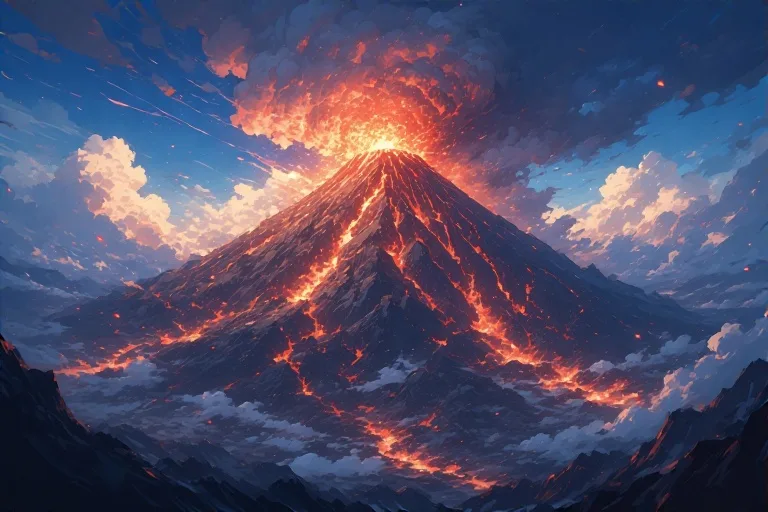
On a cold December night in 2000, a fiery giant stirred beneath the tranquil snows of the Mexican highlands, awakening from decades of slumber. The sky darkened with ominous ash clouds, and a glow, eerie and powerful, spilled over the mountain’s rim. For the residents of the Valley of Mexico, the air thickened with fear and fascination as Popocatépetl, the “Smoking Mountain,” erupted in a spectacular display of nature’s might — a fierce reminder that the ancient volcano was far from done with the world. It was a moment fraught with danger, but also steeped in a deep, almost mythic resonance: this was a volcano that had shaped civilizations long before modern borders existed.
The eruption was not merely a geological event; it was a human drama playing out on the slopes of one of Mexico’s most important landmarks. It captured the essence of fear, survival, and the relentless power of the earth. This article retraces those fateful days, the build-up of tension, the eruption itself, and the enduring legacy of that fiery awakening.
Ancient Guardians of the Valley: Popocatépetl in Mexican History
Popocatépetl’s imposing silhouette has watched over central Mexico for millennia. Named from the Nahuatl language, meaning "Smoking Mountain," it is intertwined with Aztec mythology. According to legend, Popocatépetl was a warrior who loved Iztaccíhuatl, a princess turned into a snow-capped peak. The volcano’s eruptions were seen as expressions of the warrior’s eternal vigil and sorrow.
For centuries, this active stratovolcano shaped the landscape, influenced climate and local beliefs, and determined the rhythms of agriculture and settlement. Its enormous presence dominated the horizon for pre-Hispanic civilizations, including the Aztec Empire, who worshipped it as a god with the power over life and death.
But by the 20th century, Popocatépetl had entered a phase of prolonged dormancy that lulled many into a false sense of security—until the late 1990s when subtle signs began to hint that the giant was stirring once more.
Dormant for Decades: The Quiet Before the Storm
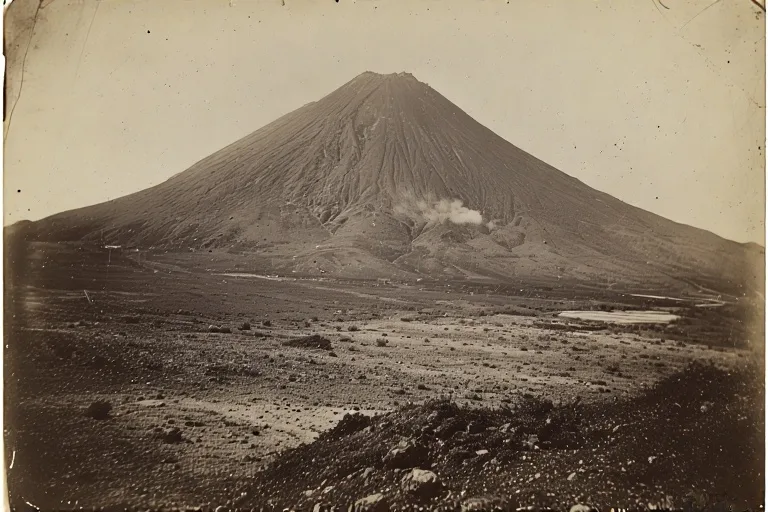
From 1927 until the mid-1990s, Popocatépetl largely remained silent. Minor fumarolic activity persisted, but no major eruption occurred. The volcano's last significant eruption before 2000 was in 1927, a relatively small event. Decades passed with little to note, and the surrounding population expanded dramatically, especially with the explosive growth of Mexico City and its metropolitan region.
This demographic swell meant millions lived within proximity to the volcano, often unaware or unprepared for its potentially destructive outbursts. The expanding urban sprawl crept unknowingly into hazard zones, adding a layer of anxiety to any renewed volcanic activity.
Scientists kept a cautious watch, maintaining warning systems and studying the volcano’s subtle shifts. But for many, Popocatépetl was simply a majestic feature on the horizon, not an imminent threat.
Signs in the Sky and Earth: Early Warnings in 1994-1999
Starting in the mid-1990s, geologists observed increased seismic activity around Popocatépetl. Small earthquakes, tremors deep within the volcano’s core, and changes in gas emissions signaled magma movement beneath the surface. The scientific community grew increasingly concerned.
In 1994, small steam and gas emissions began to increase. By 1996, fumaroles vented more vigorously. Scientists deployed additional seismographs and webcams to capture the evolving unrest. These signs, however, were not yet alarming enough to prompt mass evacuations.
Communication efforts increased, aiming to educate and prepare local populations. Yet the natural human tendency to underestimate risk prevailed: many residents dismissed the warnings, recalling the volcano’s long silence.
December 2000: When the Volcano Spoke Again
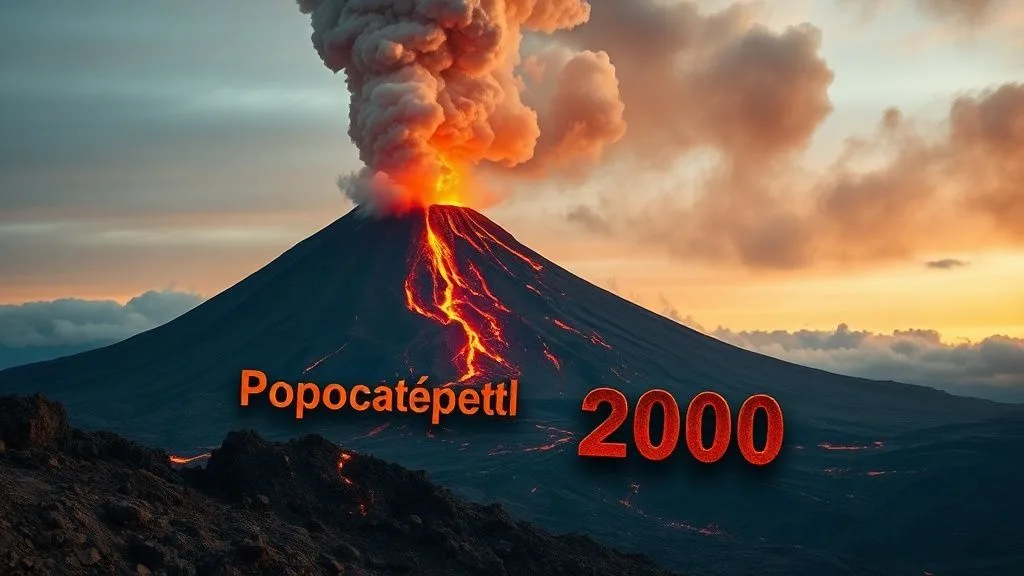
On December 21, 2000, a sudden explosion shattered the quiet. Thick clouds of ash rapidly engulfed the summit, illuminated by violent bursts of incandescent lava. The initial eruption sent plumes of smoke towering several kilometers into the sky. Eyewitnesses described a deep roar that seemed to shake the earth beneath their feet.
This violent awakening was the first major eruption in over 70 years, immediately demanding a wide-scale response. Volcanologists confirmed that magma reached the surface, heralding a renewed phase of activity that could persist for months or years.
The Eruption Unfolds: A Chronology of Ash and Flame
In the days and weeks following December 2000, Popocatépetl issued a series of eruptions ranging from explosive bursts to lava dome growth. Ash fall spread over villages, fields, and cities, creating a gray blanket that muffled sound and blackened skies.
January and February 2001 saw the most intense episodes. Pyroclastic flows scoured the mountain’s flanks and forced authorities to extend exclusion zones. Aviation hazards emerged as ash clouds intermittently drifted toward Mexico City’s international airport, disrupting flights.
Though not cataclysmic in terms of destruction or fatalities, these eruptions served as a powerful reminder of the volcano’s unpredictability and enormous energy.
The People in the Shadow of the Giant: Preparing for Disaster
The eruption’s resumption instantly transformed life for countless local communities. The indigenous and rural populations, intimately tied to the land and their histories, faced the literal threat of displacement.
Civil protection agencies, in conjunction with the National Center for Disaster Prevention (CENAPRED), launched evacuation plans and coordinated with military forces for logistical support. Schools were closed in the danger zones, and routes were established for swift removal of residents.
Yet evacuations were complex, involving over 30,000 people at peak moments. Many hesitated to leave homes and livestock behind, underscoring the emotional and economic toll of volcanic disasters.
Evacuations and Emergency Responses: Chaos and Courage
Evacuation centers sprang up in neighboring states, offering shelter and care to evacuees. Despite the chaos, remarkable stories of solidarity emerged—from farmers sharing supplies, to firefighters risking ash-laden slopes to maintain monitoring stations.
Authorities learned harsh lessons: communication needed to be clearer, transportation infrastructure required reinforcement, and psychological support was crucial to help displaced populations endure uncertainty.
Scientific Eyes on Fire: Monitoring Popocatépetl’s Activity
Popocatépetl’s awakening catalyzed a renewed scientific impetus. Mexican volcanologists collaborated with international experts to refine monitoring technologies. Seismic networks were expanded, satellite imagery analyzed, gas sampling intensified, and thermal cameras installed.
These efforts proved invaluable, documenting every tremor and plume, improving eruption predictions and allowing for better emergency responses. The event raised the profile of volcanology in Mexico and led to enhanced education programs about volcanic hazards.
The Cultural Echoes: Legends Rekindled Amidst Real Danger
The eruption rekindled ancient narratives about Popocatépetl, reviving stories passed down through generations. In indigenous Otomí and Nahua communities, the volcano was more than a natural hazard—it was a living spirit, part protector, part avenger.
Artisans crafted new paintings and sculptures inspired by the eruption. Poets and writers captured the drama, bridging tradition and modern experience. The volcano, once a silent sentinel, commanded renewed reverence and reflection on humanity’s place within the natural world.
Impact on the Environment: Ash, Lava, and Landscape Transformation
The eruption’s environmental footprint was unmistakable. Ash deposits altered soil pH, affecting crops and local flora. Acid rain linked to volcanic gases posed risks to water supplies. Layers of volcanic material reshaped valleys and trails.
However, nature also demonstrated resilience: certain plant species thrived on ash-enriched soils, and some animal populations adapted to the shifting terrain.
Popocatépetl’s Fury and Mexico City: The Greater Urban Risk
One of the greatest concerns during the eruption was the impact on Mexico City, located about 70 kilometers from the volcano, and home to over 20 million people. While the city itself escaped major damage, persistent ash fall temporarily disrupted transport, affected air quality, and heightened public anxiety.
Emergency services prepared detailed contingency plans for potential disasters, balancing vigilance with the challenge of managing panic. The event highlighted the extraordinary volcanic risk faced by megacities built near active geological threats.
Media, Myths, and Public Perception: Narratives of Fear and Resilience
Media coverage played a double-edged role: on one side, it informed and mobilized; on the other, sensationalism fueled anxiety and sometimes misinformation. Tabloids and television broadcasts alternated between frightening images and hopeful narratives of human resilience.
Social media was still nascent in 2000 but traditional word-of-mouth kept communities connected and informed. The eruption became a litmus test for trust in authorities and science communication.
Economic Aftershocks: Agriculture, Tourism, and Industry
The ash fall and evacuations dealt economic blows. Farmers faced crop losses and livestock displacement; local tourism declined sharply in the initial months; airports and industry confronted operational interruptions.
Nevertheless, the event also generated new opportunities for research funding and ecotourism around volcano observation, creating a complex economic tableau.
Lessons Learned: Advances in Volcanology and Disaster Preparedness
Popocatépetl’s eruption catalyzed reforms in Mexican civil protection policies. Investments poured into better early warning systems, training programs, and public education campaigns. Multidisciplinary cooperation became the norm, blending geology, sociology, urban planning, and emergency medicine.
This eruption became a model study for future volcanic crises worldwide, emphasizing the importance of preparedness in reducing risk and human cost.
The Volcano’s Ongoing Tale: Activity Beyond 2000
Popocatépetl did not return to silence after 2000. Periods of activity interspersed with quiescence continued well into the 21st century. While no eruption matched the December 2000 event in scale, persistent ash emissions and dome growth kept vigilance high.
This ongoing activity serves as a reminder that some volcanoes do not erupt once and rest, but breathe through centuries—a slow, living force shaping lives and landscapes.
Popocatépetl in the Global Volcanic Context
Globally, Popocatépetl ranks among the world’s most dangerous volcanoes due to its height, activity, proximity to population, and eruptive history. Comparisons with eruptions in the Pacific Ring of Fire and the Andes highlight common challenges in managing volcanic risk.
Mexico's experience provided valuable insights into urban volcano management, especially in emerging megacities.
Remembering December 2000: How the Event Resonates Today
More than two decades later, the December 2000 eruption remains a vivid chapter in Mexico’s recent history. Memorials, museum exhibits, and academic works preserve the memories of those days—both the hardship and the hope.
For many, it is a cautionary tale about respecting nature’s power and a source of pride in human resilience. The "Smoking Mountain" continues to loom large in hearts and minds, a fiery emblem that refuses to be forgotten.
Conclusion
The Popocatépetl eruption of December 2000 was more than a geological eruption; it was a profound upheaval with echoes across human experience. It shook the land both literally and figuratively, challenging centuries of complacency and rewriting the relationship between humans and their environment.
Yet amid fear and destruction, it revealed humanity’s capacity for adaptation, courage, and reverence. The volcano’s fiery breath awakened not only the earth, but also the consciousness of millions living under its gaze.
In this story of ash and flame, we glimpse the fragile balance between nature’s indomitable forces and human life. The lessons learned continue to resonate, reminding us that in the shadow of giants, preparedness and respect are the foundations of survival.
FAQs
Q1: What caused the Popocatépetl eruption in 2000?
The eruption was caused by the movement of magma beneath the volcano’s surface, driven by tectonic activity related to the subduction of the Cocos Plate beneath the North American Plate. This movement led to pressure buildup and gas release, triggering explosive volcanic activity.
Q2: How significant was the eruption in terms of volcanic activity?
The 2000 eruption marked the end of a 70-year dormancy period and initiated a renewed phase of activity. While not catastrophic in scale, it was significant in its persistent eruptions, ash falls, and dome-building events, demanding major preparedness responses.
Q3: Were there any casualties during the eruption?
Fortunately, there were no direct human casualties during the 2000 eruption, largely thanks to timely evacuations and monitoring efforts. However, economic and psychological impacts were considerable.
Q4: How did the eruption affect Mexico City?
Mexico City experienced episodic ash fall leading to air quality degradation and transportation disruptions. The city faced the ongoing challenge of living close to an active volcano, prompting improved emergency planning.
Q5: What role did indigenous beliefs play during the eruption?
Indigenous communities saw the eruption as a powerful spiritual event, intertwining natural phenomena with legendary narratives of the volcano as a living entity. Their cultural memory influenced how they understood and responded to the eruption.
Q6: How has volcanology advanced since the 2000 eruption?
The event spurred advancements in monitoring technology and disaster preparedness protocols in Mexico. Improved seismic networks, gas analysis, and communication infrastructure have enhanced early warning capabilities.
Q7: Is Popocatépetl still active today?
Yes, Popocatépetl remains active with intermittent eruptions, gas emissions, and dome-building events. Continuous monitoring is essential due to the volcano’s unpredictable behavior.
Q8: What lessons can other countries learn from this event?
Key lessons include the importance of early warning systems, community engagement, multi-agency cooperation, and combining scientific research with cultural understanding to mitigate volcanic risks effectively.