Table of Contents
- A Tremor Before Dawn: The World Awakes to the Valdivia Earthquake
- The Geography of Tremble: Why Chile?
- The Tectonic Theater: The Subduction of Nazca and South American Plates
- Early Warnings and Unheeded Signs: The Calm Before the Catastrophe
- May 22, 1960: A Day the Earth Roared
- The Great Shaking: Recording the Most Powerful Earthquake Ever Measured
- Destruction in Valdivia: Cities Reduced to Rubble
- Tsunamis from Hell: The Ocean Responds with Deadly Waves
- Communities in Crisis: The Human Face of Disaster
- Political Ramifications and State Response
- International Aid and the Global Reaction
- Scientific Breakthroughs: How Valdivia Changed Seismology
- Rebuilding a Nation: Chile’s Path to Recovery
- The Social Fabric Rewound: Stories of Survival and Resilience
- Environmental Alterations: Landslides, Floods, and Landscape Transformed
- Remembering Valdivia: Memorials and Collective Memory
- The Legacy of the 1960 Earthquake in Contemporary Chile
- Lessons Learned: Policy, Preparedness, and Preparedness Now
- The Earthquake in Popular Culture and Media
- Conclusion: A Tremor That Still Echoes Across Time
- FAQs: Understanding the Valdivia Earthquake
- External Resource: Wikipedia Link
- Internal Link: Visit History Sphere
The day began like any other in southern Chile, under a sky gradually brightening with the promise of the austral autumn. But just before dawn on May 22, 1960, a monstrous force beneath the earth's crust shattered the fragile calm. The Valdivia earthquake, the most powerful ever recorded, tore through Chile with an intensity so colossal that it reshaped not only landscapes but entire lives and histories. As the ground heaved for nearly ten minutes, countless people felt the planet’s fury writ large in their trembling homes—a cataclysmic earthquake that would leave scars deep and everlasting. This is the story of that terrifying day and its aftermath, a narrative blending science, human endurance, and the indomitable will to rise from ruins.
A Tremor Before Dawn: The World Awakes to the Valdivia Earthquake
It was 3:11 AM when the earth began to shake, first gently, then with devastating power. For the residents of Valdivia and the neighboring towns, the first tremors were unsettling curiosities that soon mutated into an overwhelming nightmare. Buildings groaned and cracked, bridges oscillated like blades of grass in a storm, and the earth itself seemed to buckle under unfathomable pressure. Villagers fleeing their homes encountered dark landslides racing downhill, while the distant Pacific Ocean churned ominously, soon to unleash waves of destruction. The world had never witnessed anything comparable: a magnitude 9.5 earthquake—a number still unrivaled half a century later.
The Geography of Tremble: Why Chile?
Chile’s unique position along the volatile Ring of Fire—a horseshoe-shaped series of volcanic arcs and seismic trenches surrounding the Pacific Ocean—predisposes it to frequent earthquakes and volcanic eruptions. Stretching over 4,300 kilometers along South America’s western edge, Chile represents a living fault line. In the vicinity of Valdivia, the Nazca Plate slides relentlessly beneath the South American Plate at a pace of roughly 8-10 centimeters annually. This subduction zone acts like a giant spring slowly accumulating energy, which, when released, causes seismic events ranging from minor tremors to the most catastrophic quakes.
The Tectonic Theater: The Subduction of Nazca and South American Plates
Beneath the serene blue surface of the Pacific, titanic geological forces collide. The denser oceanic Nazca Plate plunges beneath its continental neighbor in a process known as subduction. This drives immense pressure along the plate boundary, causing fractures and shifts in the earth’s crust. Over decades, stress accumulates until the locked plates slip suddenly, catapulting seismic waves across the region. The Valdivia earthquake was the result of an extraordinary rupture stretching over 800 kilometers along this fault, producing waves that circled the globe multiple times.
Early Warnings and Unheeded Signs: The Calm Before the Catastrophe
Leading up to May 22, the region experienced a cluster of foreshocks—smaller jolts signaling growing instability underground. These tremors, while alarming, did not trigger mass evacuations or heightened alertness for most inhabitants. Seismological infrastructure in 1960 was vastly less advanced than today, limiting the ability of scientists and civil authorities to predict with precision the magnitude or timing of the impending disaster. This interplay of nature’s clues and human readiness—or lack thereof—would dramatically influence the outcome.
May 22, 1960: A Day the Earth Roared
At precisely 3:11 AM local time, the earth ruptured along the subduction zone. The shaking lasted an estimated ten minutes, an eternity in moments of crisis. Long fault lines slipped tens of meters in certain points, causing the land to deform visibly. Buildings not designed to resist such forces crumbled, and entire neighborhoods were razed. The earthquake’s intensity registered as IX or X on the Modified Mercalli Intensity Scale, indicating violent shaking capable of destroying ordinary structures. Across the vast affected zone, from Concepción down to Puerto Montt, the devastation was widespread and multifaceted.
The Great Shaking: Recording the Most Powerful Earthquake Ever Measured
The Valdivia earthquake’s magnitude of 9.5 stands as the highest ever instrumentally recorded. Seismic waves from the event were detected around the planet, shaking machines, knocking pendulums off time, and unsettling oceans. The immense release of energy equates to roughly 20,000 megatons of TNT—several thousand times more powerful than the atomic bombs dropped during World War II. This seismic leviathan remains a benchmark for understanding the ultimate limits of tectonic stress release.
Destruction in Valdivia: Cities Reduced to Rubble
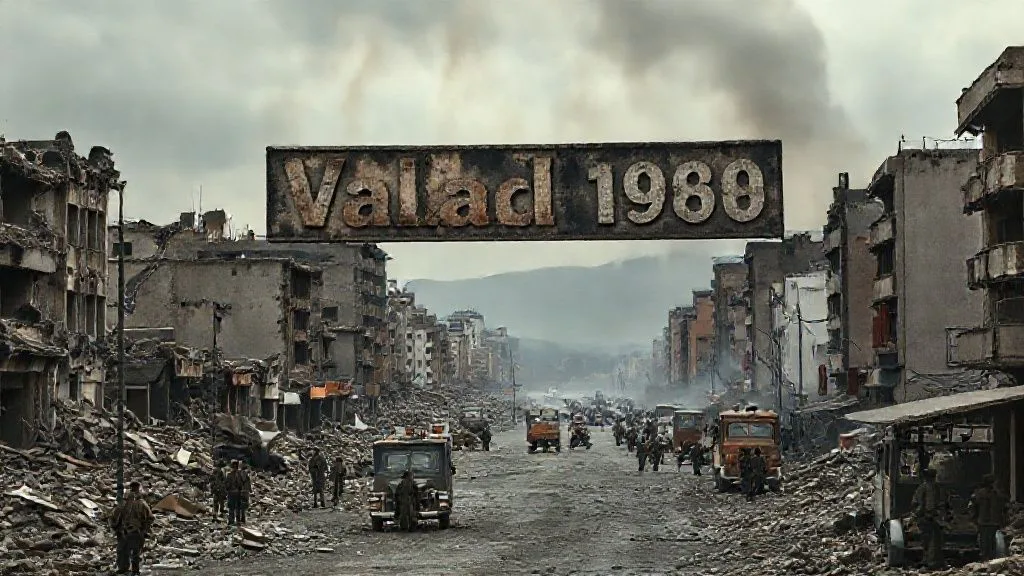
Valdivia itself, a small city nestled among rivers and thick forests, bore the brunt of the catastrophe. Historic buildings, many constructed in the colonial style and without modern quake-resistant design, crumbled into piles of stone and wood. Critical infrastructure—roads, railways, communication lines—was severed, isolating many communities. Fire broke out in some areas, while bridges collapsed, making rescue and relief efforts perilously slow and hazardous. The landscape, until then peaceful and verdant, became a tableau of chaos and loss.
Tsunamis from Hell: The Ocean Responds with Deadly Waves
The earthquake did not stop at dry land. The ocean floor ruptured, displacing billions of tons of water and generating a series of tsunamis that raced across the Pacific. Coastal towns in Chile, Hawaii, Japan, the Philippines, and even the west coast of the United States felt the waves’ wrath. In some places, waters rose up to 25 meters high, obliterating homes, drowning entire communities, and amplifying the human toll. Among the dead were fishermen caught off guard by the sudden, towering walls of water, and entire islands were submerged or flooded.
Communities in Crisis: The Human Face of Disaster
Estimates put the death toll between 1,600 and 6,000 people—an enormous number reflecting the quake’s magnitude and the vulnerability of infrastructure. Thousands more were injured or displaced, forced into refugee camps and improvised shelters. Families mourned lost loved ones, while survivors endured the traumatic aftershocks and the harrowing destruction of their livelihoods. Stories abound of neighbors helping neighbors, of communities banding together in the face of adversity. One cannot speak of Valdivia without acknowledging the resilience and courage that emerged from shattered homes.
Political Ramifications and State Response
The Chilean government, led by President Jorge Alessandri at the time, faced tremendous challenges. The scale of the calamity prompted the declaration of martial law in the affected regions and mobilized the military and police forces to maintain order and coordinate relief. However, the logistical hurdles—damaged infrastructure, communications breakdown, and the sheer volume of need—strained governmental capacities. Chile’s national psyche was deeply affected, and the event accelerated reforms in disaster preparedness and urban planning.
International Aid and the Global Reaction
The global community responded with sympathy and solidarity. Aid shipments arrived from dozens of countries, ranging from medical supplies and food to construction materials and expertise. International organizations, such as the Red Cross, assisted in organizing relief efforts. The disaster opened channels of cooperation and exchange in seismology and emergency management, establishing networks that would save thousands of lives in future catastrophes worldwide.
Scientific Breakthroughs: How Valdivia Changed Seismology
Beyond tragedy, the Valdivia earthquake served as a catalyst for scientific advancement. Seismologists studied the enormous data generated, refining models of plate tectonics and earthquake mechanics. The event validated theories of subduction zones and tsunami genesis and underscored the need for improved monitoring systems and early warning protocols. In many ways, this earthquake transformed the way humanity comprehends and prepares for catastrophic geological events.
Rebuilding a Nation: Chile’s Path to Recovery
The aftermath involved not only physical reconstruction but also economic and social revitalization. Chile invested heavily in rebuilding infrastructure, enforcing stricter building codes, and relocating vulnerable populations. Reconstruction efforts also sparked debates about urban planning, environmental risks, and sustainable development. The rebuilding of Valdivia and neighboring cities became emblematic of national recovery, a testament to perseverance amid hardship.
The Social Fabric Rewound: Stories of Survival and Resilience
Amid staggering destruction, tales of heroism and community spirit shine through. From teachers organizing school camps in refugee shelters to volunteers distributing scarce food supplies, the Valdivia earthquake revealed the best of human nature. Oral histories collected for decades afterward recount moments of grace amid chaos, illustrating how collective action can mend even the deepest wounds.
Environmental Alterations: Landslides, Floods, and Landscape Transformed
The quake altered Chile’s south like a sculptor reshaping clay. Landslides choked rivers, created natural dams, and caused widespread flooding. Some areas experienced permanent coastal uplifts of several meters, changing shorelines and habitats. These transformations had profound ecological impacts, influencing fishing, agriculture, and biodiversity patterns. Nature, shaken to its core, began a slow yet inexorable process of renewal.
Remembering Valdivia: Memorials and Collective Memory
Decades later, Valdivia and Chile as a whole still commemorate this monumental event. Memorials dot the landscape, and in museums, photographs and artifacts narrate those grim days. Annual remembrance ceremonies honor lives lost and celebrate the communities that rebuilt. The earthquake remains ingrained in Chilean identity, a symbol of both vulnerability and strength.
The Legacy of the 1960 Earthquake in Contemporary Chile
The lessons learned continue to resonate. Chile’s seismic building codes are among the world’s strictest, emergency preparedness is vigorously promoted, and educational programs teach generations about earthquake safety. The country hosts one of the most advanced seismic monitoring networks globally, turning past tragedy into future security.
Lessons Learned: Policy, Preparedness, and Preparedness Now
The Valdivia earthquake demonstrated the imperative for science-driven policy and public awareness. The tsunami early warning system, for example, owes much to these events. Urban planning today includes seismic risk assessments, and community drills simulate disaster scenarios regularly. Governments worldwide have gleaned insights from Valdivia to enhance resilience.
The Earthquake in Popular Culture and Media
Films, books, and songs have immortalized the quake. From journalistic accounts to dramatic reenactments, the event permeates cultural expressions. These narratives serve not only as remembrance but also as cautionary tales underscoring human humility before nature’s forces.
Conclusion
The Valdivia earthquake of 1960 was more than a geological event—it was a profound human tragedy and transformation. It tore apart the earth’s crust and the lives of thousands, yet also sparked scientific breakthroughs, social solidarity, and long-lasting reforms. It reminds us of our planet’s restless dynamism and the resilience inherent in communities that refuse to yield to devastation. Today, Chile stands as a beacon of preparedness and fortitude, shaped indelibly by a tremor that echoed across continents and history alike.
FAQs
Q1: What caused the Valdivia earthquake of 1960?
A: The earthquake was caused by the sudden slip of the Nazca Plate beneath the South American Plate along the subduction zone off Chile’s coast, releasing immense tectonic stress.
Q2: How powerful was the Valdivia earthquake?
A: It reached a magnitude of 9.5, the strongest earthquake ever instrumentally recorded.
Q3: What was the human impact of the earthquake?
A: Between 1,600 and 6,000 people died, with thousands injured and displaced; entire communities were devastated.
Q4: Did the earthquake generate a tsunami?
A: Yes, enormous tsunamis arose from the ocean floor displacement, affecting countries across the Pacific.
Q5: How did Chile respond to the disaster politically and socially?
A: The government declared martial law in affected areas, mobilized relief efforts, and later reformed urban planning and disaster preparedness laws.
Q6: What scientific advancements resulted from the Valdivia earthquake?
A: It enhanced understanding of subduction zones, earthquake measurement, and tsunami genesis, influencing global seismic monitoring.
Q7: How is the earthquake remembered today?
A: Through memorials, educational programs, annual commemorations, and cultural works that keep the memory alive.
Q8: What lessons did the world learn from this disaster?
A: The importance of earthquake preparedness, early warning systems, strict building regulations, and international cooperation in disaster response.