Table of Contents
- The Breaking Dawn of January 17, 1995: A City Shattered
- Japan’s Quiet Giant: Understanding Kobe Before the Earthquake
- Tensions Beneath the Surface: Geology and History of the Hanshin Fault
- The Night Strike: How Seismic Waves Ravaged an Urban Heartbeat
- Voices from the Rubble: Witnesses Tell Their Stories
- The Collapse of Infrastructure: Bridges, Highways, and Lifelines Broken
- Emergency Response: Chaos, Courage, and Community
- The Government’s Role: Preparedness, Criticism, and Adaptation
- The Human Toll: Lives Lost, Families Torn Apart
- The Silent Aftershocks: Psychological and Social Impact
- Rebuilding Kobe: Trials, Innovations, and Resilience
- Lessons Learned: Engineering and Disaster Preparedness Transformed
- The Global Wake-up Call: How Kobe Shaped Earthquake Readiness Worldwide
- Commemoration and Memory: Honoring Lost Lives and Enduring Spirit
- Kobe Today: A City That Rose From Ashes
- Conclusion: The Indomitable Human Spirit in the Face of Nature’s Fury
- FAQs: Key Questions on the Great Hanshin Earthquake
- External Resource
- Internal Link
The Breaking Dawn of January 17, 1995: A City Shattered
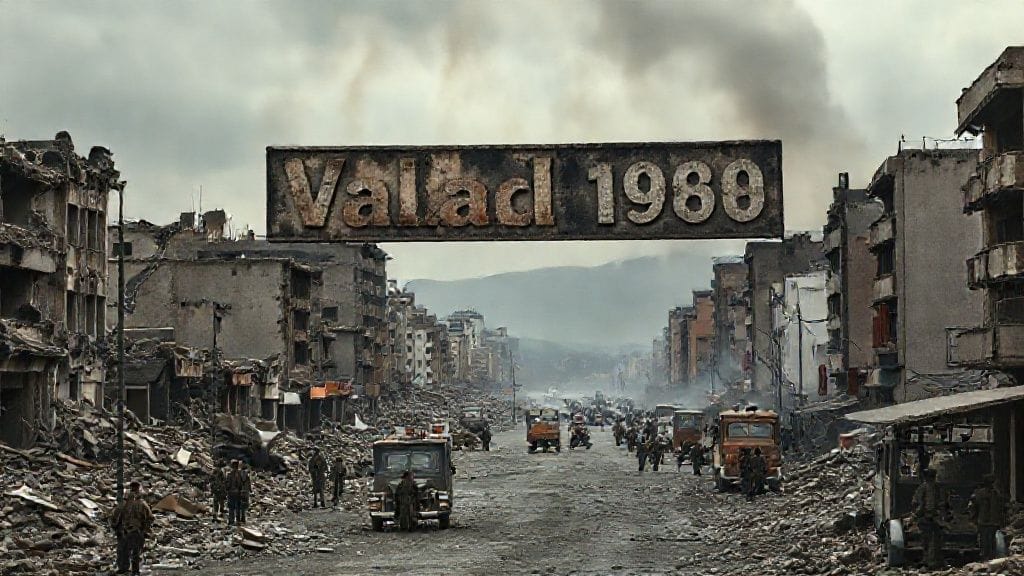
The clock had barely struck 5:46 a.m. on a winter morning when the earth beneath Kobe betrayed its surface, unleashing a force that would etch itself in memory for generations. In the span of just 20 seconds, the Great Hanshin Earthquake, as it would be known, tore through a bustling metropolis with such ferocity that buildings crumbled like paper, highways cracked open like broken toys, and thousands of lives were upended in a horrifying instant. The early morning silence was ripped apart by the deafening roar of destruction, the earth’s violent tremors shaking the city's very soul. For survivors, it was a nightmarish symphony of collapsing concrete, shattering glass, and cries for help that echoed through the haze of dust and chaos.
But this was no random act of nature; it was the inevitable calamity poised silently beneath the surface. Kobe, one of Japan’s most vibrant and prosperous cities, faced an existential ordeal that would test not only its infrastructure but the resilience of its people and the resolve of an entire nation. The earthquake changed Japan’s approach to disaster preparedness forever and resonated far beyond its shores.
Japan’s Quiet Giant: Understanding Kobe Before the Earthquake
Long before the earth rattled with deadly energy, Kobe stood as a testament to Japanese industrial prowess and urban vitality. Nestled on the southern coast of Honshu island, the city prospered through its sprawling port—the fifth largest in the world at the time—serving as a gateway for trade and culture. Kobe’s gleaming skyscrapers, bustling neighborhoods, and elegant residential districts painted a portrait of modern prosperity.
Yet, this thriving urban mosaic was built atop precarious fault lines. Beneath the city’s booming economy and technological advancements lay a restless geological story. Thousands of residents had little idea that the ground beneath their feet hummed with latent power, waiting for a trigger. Japan’s attentive relationship with natural disasters had grown from centuries of experience, but Kobe's unique geographical position made it particularly vulnerable.
This juxtaposition—modernity sitting atop ancient tectonics—set the stage for what was to come. For decades, seismologists had warned that the Hanshin region was overdue for a significant quake. The population, architecture, and infrastructure were simply unprepared for an event of such magnitude.
Tensions Beneath the Surface: Geology and History of the Hanshin Fault
Beneath Kobe runs a network of complex fault lines, the most critical of which is the Nojima Fault, part of the larger Median Tectonic Line system slicing through Japan. The Great Hanshin Earthquake originated along this fault, an area known for its seismic activity, yet deceptive in its intermittency.
Historically, Japan’s seismic profile was shaped by the convergence of four tectonic plates—Eurasian, Pacific, Philippine Sea, and North American—whose clashes fuel the country’s notorious earthquakes and volcanic eruptions. The Hanshin region, situated where these tectonic tensions converge, had seen smaller quakes before, but none of the catastrophic scale witnessed in 1995.
Geologists had long observed stress accumulation along the Nojima Fault, but predicting the precise timing remained an agonizing challenge. The city's foundation sat directly above an invisible powder keg, waiting to explode. The underlying tension was a simmering reminder of nature’s volatile power, but daily life in Kobe marched on, oblivious or resigned to inevitable fate.
The Night Strike: How Seismic Waves Ravaged an Urban Heartbeat
On January 17, 1995, moments before dawn, a magnitude 6.9 earthquake roared to life approximately 20 kilometers beneath the earth’s surface. The rupture began near the northern end of Awaji Island, just southwest of Kobe, bringing violent shaking that rippled outward through the city and beyond.
The intensity was brutal and immediate. Buildings not designed to withstand such forces gave way, toppling in a cascade of concrete and steel. Elevated expressways—photographs captured entire sections dramatically collapsed like fallen dominoes—cutting off critical routes for emergency access. Fire broke out in many areas, ignited by collapsed gas lines, turning parts of the city into burning ruins.
The event was mercilessly sudden; many were still asleep, unaware, thrown out of beds by the shuddering earth. The blind terror of being trapped or injured mixed with the desperate need to find loved ones, adding an emotional weight to the physical chaos.
Voices from the Rubble: Witnesses Tell Their Stories
Mitsuko Tanaka, a schoolteacher residing in the city’s Nada Ward, vividly recalled the moment the quake struck: “The entire room began to sway wildly… lamps shattered, and the cabinet crashed down. I barely had time to grab my children as the walls seemed to dance dangerously around us.”
Her story was one among thousands—a chorus of survival etched with trauma, courage, loss, and hope. Rescuers arrived to find entire neighborhoods flattened, families crying out beneath mountains of debris. Stories of people trapped for days, some rescued miraculously against the odds, others lost forever, unfolded in the tragic aftermath.
One survivor, Hiroshi Yamamoto, recounted being buried alive for over 40 hours under what had once been his home: “The darkness was complete. The only sounds were my own breathing and distant faint cries for help. I thought that was the end.” His rescue became emblematic of human endurance and the relentless spirit driving search-and-rescue teams.
The Collapse of Infrastructure: Bridges, Highways, and Lifelines Broken
Kobe’s modern infrastructure, though admired for its sophistication, revealed critical vulnerabilities. The Hanshin Expressway, a vital elevated highway threading through the city, suffered horrific damage, with nearly 2 kilometers collapsing suddenly into a tangled wreckage. The destruction halted traffic, severed access routes, and increased the complexity of rescue operations.
Railways halted; water and electricity supplies were interrupted, while gas leaks created grave fire hazards. Damage stretched well beyond central Kobe, impacting surrounding cities and towns. The collapse of key bridges and tunnels transformed a sprawling urban area into a fractured archipelago of isolated neighborhoods.
The devastation highlighted the consequences of rapid urban development without sufficient investment in seismic resilience—a painful lesson made clear in the rubble.
Emergency Response: Chaos, Courage, and Community
In the immediate hours after the earthquake, the city’s emergency response confronted unprecedented challenges. Communications were sporadic, roads impassable, and resources scarce. The first responders—the police, firefighters, and Self-Defense Forces—worked tirelessly amid aftershocks and uncertainty.
Yet, it was the solidarity among civilians that stood out, as neighbors banded together to dig through debris and care for the injured. Makeshift shelters were quickly organized; food and blankets shared. Survivors demonstrated a profound communal strength that transcended fear.
But the chaos also exposed critical shortcomings. Emergency plans were overwhelmed, and the government’s slow mobilization drew sharp public criticism. The scale of destruction forced a reassessment of disaster preparedness schemes nationally, recognizing that modern cities could be brought to their knees overnight.
The Government’s Role: Preparedness, Criticism, and Adaptation
The disaster government response was initially marked by confusion and delay. Prime Minister Tomiichi Murayama and his Cabinet faced intense scrutiny for the perceived sluggishness and lack of coordination. Local governments struggled to mobilize resources effectively, hindered by damaged infrastructure and communication breakdowns.
Political debates erupted over funding, rebuilding priorities, and the needs of displaced citizens. Yet, the tragedy also ignited a process of institutional reflection, leading to sweeping reforms in disaster planning, emergency management agencies, and urban planning regulations. The Kobe earthquake became a catalyst that changed Japan’s bureaucratic and civic approaches to crisis.
The Human Toll: Lives Lost, Families Torn Apart
The human cost was staggering. Official figures estimate nearly 6,400 lives lost, over 40,000 injured, and more than 300,000 people displaced from their homes. Entire families were shattered; survivors bore scars both visible and invisible.
Beyond numbers, the personal tragedies multiplied. Mothers lost children, elderly residents trapped beneath debris, workers crushed in collapsing factories. The emotional weight of such loss permeated Kobe like a heavy fog, haunting survivors and shaping collective memory.
Yet, amid grief, stories of bravery emerged—rescuers risking lives, volunteers arriving from across Japan, communities refusing to surrender to despair.
The Silent Aftershocks: Psychological and Social Impact
The quake inflicted more than physical destruction. Psychological trauma spread widely as survivors grappled with nightmares, depression, and post-traumatic stress disorder. Recovery extended into mental health, an area less visible yet vital.
Social dynamics shifted as displaced communities relocated or struggled to rebuild fractured lives. Some neighborhoods transformed permanently, as urban renewal met population decline. The earthquake forced not only structural but profound social rebuilding.
Rebuilding Kobe: Trials, Innovations, and Resilience
From the ashes, Kobe rose slowly. Rebuilding demanded innovation, significant investment, and community involvement. New building codes emphasized seismic resistance, infrastructure redesign enforced redundancy and durability. Elevated highways were reconstructed with state-of-the-art engineering; residential neighborhoods were rebuilt with input from displaced citizens, ensuring safer environments.
The process was grueling, sometimes contentious, but underscored a shared commitment to healing and progress. Kobe became a model city for disaster recovery worldwide, demonstrating that resilience is as much social and political as structural.
Lessons Learned: Engineering and Disaster Preparedness Transformed
The Great Hanshin Earthquake reshaped engineering disciplines. Advances in seismic design proliferated, inspiring protective technologies like base isolation, energy dissipation devices, and new materials. Japan intensified investment in early warning systems and public education programs.
The disaster became a definitive case study, teaching engineers and urban planners how to anticipate nature’s fury without succumbing to it. It served as a grim reminder: no city is invincible, but preparation saves lives.
The Global Wake-up Call: How Kobe Shaped Earthquake Readiness Worldwide
The tremors felt in Kobe sent shockwaves globally. Countries prone to seismic activity revisited their own vulnerabilities, adopting lessons gleaned from the disaster. International organizations collaborated on research and development of early warning systems and emergency response protocols.
It was a joint human endeavor to spare other cities a similar fate. The Great Hanshin Earthquake joined a lineage of transformative disasters—like the 1906 San Francisco or 1994 Northridge earthquakes—that galvanized improved resilience worldwide.
Commemoration and Memory: Honoring Lost Lives and Enduring Spirit
Memorials and museums in Kobe preserve the memory of the disaster and those who perished. Each year on January 17, ceremonies honor victims and acknowledge survivor endurance. Oral histories, photo exhibitions, and survivor accounts ensure the human stories remain alive.
This remembrance serves as a profound recognition that disasters are shared tragedies etched in the collective consciousness, demanding respect and vigilance.
Kobe Today: A City That Rose From Ashes
Today, Kobe stands transformed—not merely rebuilt, but renewed. The skyline gleams with new architecture designed to withstand future shocks. Parks and museums commemorate resilience; the city’s port pulses with economic vitality once more.
Yet, subtle echoes of the quake persist in urban design and social attitudes. Kobe embodies a living testimony to human determination—to remember, to adapt, and to thrive amid uncertainty.
Conclusion
The Great Hanshin Earthquake was more than a geological event; it was a pivotal moment where nature’s untamed power collided with human ambition and fragility. Kobe’s story embodies heartbreak and heroism, destruction and renewal, despair and hope.
It reminds us that beneath the surface of progress, ancient forces wait. And when they awaken, it is the resilience, ingenuity, and compassion of people that determine the path forward. Kobe, scarred yet unbroken, offers a timeless lesson: disaster is both an end and a beginning—a painful invitation to rebuild stronger, wiser, and together.
FAQs
1. What caused the Great Hanshin Earthquake?
The earthquake was caused by a rupture along the Nojima Fault, part of the Median Tectonic Line, triggered by tectonic plate movements converging beneath Japan.
2. How strong was the earthquake, and how long did it last?
It measured magnitude 6.9 on the Richter scale and lasted about 20 seconds, but the destruction it caused was catastrophic.
3. How many people were affected by the earthquake?
Approximately 6,400 people died, over 40,000 were injured, and around 300,000 were displaced from their homes.
4. What were the biggest infrastructure failures during the quake?
The collapse of the elevated Hanshin Expressway, destruction of bridges, and failure of utilities like water, electricity, and gas lines were major failures.
5. What lessons were learned regarding disaster preparedness after Kobe?
The earthquake revealed the need for better seismic-resistant engineering, coordinated emergency response, early warning systems, and public education on disaster readiness.
6. How did Kobe rebuild and recover after the disaster?
Rebuilding included stricter building codes, infrastructure renovation, community-led urban planning, and psychological support for survivors, establishing Kobe as a model of resilience.
7. What is the legacy of the Great Hanshin Earthquake beyond Japan?
It became a global catalyst for improved earthquake engineering, disaster response protocols, and international cooperation in seismic risk management.
8. How is the earthquake remembered in Kobe today?
Through annual memorial ceremonies, museums, public artworks, and oral histories, ensuring the disaster and its lessons remain part of the city’s identity.