Table of Contents
- The Fateful Morning of June 7, 1692: Port Royal Sinks
- Port Royal: The “Sodom of the New World” on the Eve of Disaster
- The Earthquake’s Origins: A Geological Prelude
- Life in Port Royal Before the Catastrophe: Wealth, Sin, and Power
- The Tremors Begin: First Signs of an Imminent Disaster
- The Earthquake Unfolds: Chaos, Ruptures, and Ruin
- The Great Liquefaction: Port Royal’s Deadly Embrace
- Survivors and Victims: Human Stories from the Wreckage
- The Aftermath: Fires, Looting, and the Collapse of Order
- The British Crown’s Response: Relief and Rebuilding
- The Shifting Power in the Caribbean: Consequences for Piracy and Trade
- Scientific Observations and Early Seismic Studies
- Religious Interpretations: Port Royal as Divine Punishment
- The Decline and Transformation of Jamaica’s Capital
- Archaeological Discoveries: Rediscovering the Lost City
- Port Royal in Popular Culture: Myths, Legends, and Media
- The Legacy of June 7, 1692: Memory and Modern Resilience
1. The Fateful Morning of June 7, 1692: Port Royal Sinks
At precisely 11:43 in the morning, a violent tremor ripped through the bustling streets and wooden piers of Port Royal, Jamaica’s notorious port city. Merchants cried out, ships pitched violently in the harbor, and the earth beneath heaved with terrifying force. In an instant, half the city collapsed into the sea, swallowed by churning waters and sand. Buildings, once proud symbols of colonial might and piracy’s glittering excess, plunged into the abyss. The air filled with screams, splintering wood, and choking clouds of dust. This was not merely an earthquake—this was the undoing of a world.
Port Royal was famed and infamous across the Caribbean as the “wickedest city on earth.” It was a place where riches flowed as fast as rum and bullets—and where the line between lawful commerce and ruthless piracy blurred. Yet on that sunny June day in 1692, the city met a cataclysm that would permanently alter the destiny of Jamaica and the wider colonial Caribbean. To understand the magnitude of this disaster is to trace Port Royal’s rise, the earth’s restless power, and the profound human drama caught inbetween.
2. Port Royal: The “Sodom of the New World” on the Eve of Disaster
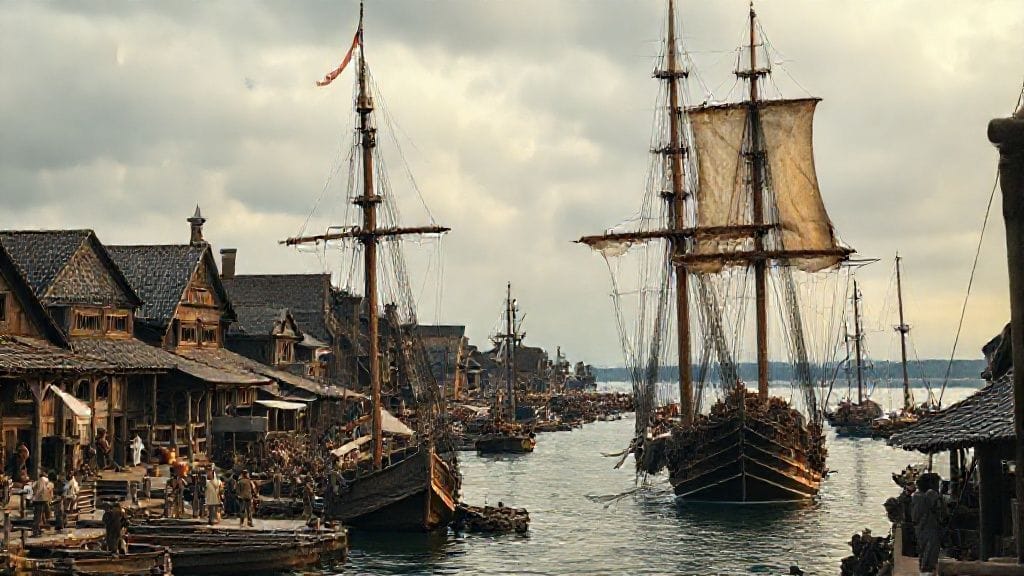
In its golden age, Port Royal was the crown jewel of the British Empire’s Caribbean ambitions. Located on a narrow spit of land at the end of Kingston Harbour, it grew rapidly during the late 17th century into a bustling center of commerce, military importance, and debauchery. Sea captain Henry Morgan and notorious pirates made Port Royal their base, its docks crowded with ships laden with sugar, spices, and slaves. Taverns overflowed with sailors, privateers, and merchants—all drawn by the promise of wealth and revelry.
Contemporaries described the city as a magnet for sin—gambling, prostitution, drink, and violence were endemic. Some chroniclers dubbed it “the most lewd place in all Christendom.” Yet beneath the mirth and mayhem lay a complex colonial society riven by racial hierarchies, economic ambitions, and religious tensions. The city represented a fragile human construct precariously perched on a geological fault line, both literal and metaphorical.
3. The Earthquake’s Origins: A Geological Prelude
Port Royal’s fate was, in many respects, sealed by the geology beneath its feet. Jamaica lies close to one of the Caribbean’s most active tectonic boundaries, where the North American and Caribbean plates grind past each other along what is known as the Enriquillo–Plantain Garden fault zone. This subterranean tension slowly built up over decades, straining brittle earth and underground sediments.
On the morning of June 7, 1692, that pent-up energy was suddenly released. The quake measured an estimated magnitude between 7.5 and 7.7, powerful enough to shatter the city’s foundations. But it was not just the shaking that wreaked havoc—it was the phenomenon now known as soil liquefaction: under extreme vibration, water-saturated sandy soil can lose its strength and behave like a fluid. Port Royal’s sandy foundations gave way as the earth literally liquefied beneath the bustling city.
4. Life in Port Royal Before the Catastrophe: Wealth, Sin, and Power
To fully grasp the earthquake’s tragic impact, one must imagine Port Royal before the disaster—a paradox wrapped in gold and vice. The city prospered as a key node in the triangular trade: sugar from plantations, slaves from Africa, manufactured goods from Europe all funneled through its docks. Merchants dined on oysters and imported wines, while pirates brought plundered Spanish treasure.
The economic wealth fed both refinement and depravity. Lavish taverns offered strong rum and live music, but also served as brothels and gambling dens. The streets were lined with fine brick houses and also shacks for enslaved Africans and poor laborers. At the heart of this complex society were figures like Governor Sir Edward D’Oyley and the legendary privateer Henry Morgan, emblematic of colonial order and its seething undercurrents of violence.
Port Royal was vibrant, volatile, and utterly alive—yet built on perilous sand.
5. The Tremors Begin: First Signs of an Imminent Disaster
Even on that fateful morning, small tremors had been felt the night before. Residents reported rattling windows and uneasy animals, but few could suspect the true scale of what was coming. June in the Caribbean was usually a time of gentle trade winds and sun-drenched calm, not violent upheavals.
As the clock ticked toward noon, the already fragile ground under Port Royal quaked with increasing ferocity. Ships threw heavy anchors too late, and the terrified crowd scrambled for higher ground. Merchants abandoned goods, gamblers fled taverns, and mothers clutched children as the earth groaned and buckled. The shockwave radiated outward, felt even on neighboring islands.
6. The Earthquake Unfolds: Chaos, Ruptures, and Ruin
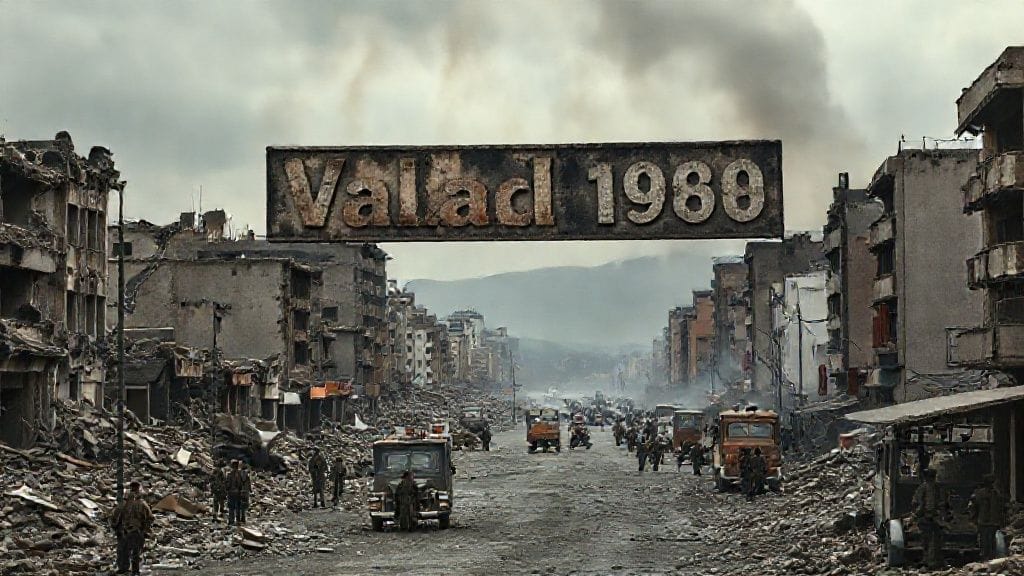
What happened in those minutes after 11:43 am is seared into the memory of the Caribbean’s history. The ground ruptured violently, buildings collapsed like houses of cards. Streets cracked open into yawning chasms. According to one eyewitness, “The houses began to dance and crackle as if burnt with fire… Then, like a mighty storm, the earth swallowed many.”
Port Royal—once vibrant and defiant—was being swallowed piece by piece. The earthquake lasted approximately 35 seconds, but its effects would linger for centuries. What followed was perhaps even more tragic: a tsunami wave crashed into the city’s exposed shoreline, drowning many who had escaped the initial collapse.
7. The Great Liquefaction: Port Royal’s Deadly Embrace
Soil liquefaction was the secret nemesis of Port Royal. Unable to withstand the violent shaking, the saturated sands beneath the city turned almost to quicksand. Entire city blocks tilted, sank, or slid sideways into Kingston Harbour. Even some of the largest stone buildings toppled because their foundations lost all support.
Experts today still marvel at the extent of the liquefaction that day. Modern underwater archaeology has revealed remarkably preserved structures now submerged—a “ghost city” frozen in liquefied earth. It is estimated that about two-thirds of Port Royal vanished into the sea, with an estimated 2,000 to 3,000 people perishing—roughly half of the city’s population.
8. Survivors and Victims: Human Stories from the Wreckage
Amidst destruction, human drama unfolded. Some survivors clung to floating debris; others were rescued days later from shattered hulls. The Governor himself survived by climbing a tree, while many sailors and slaves found themselves trapped beneath wreckage or swept away by waves.
The death toll was so enormous that charnel houses overflowed. Yet survivors spoke of miraculous escapes and acts of courage. John Searle, a planter and diarist, described seeing “men who moments before were merry and whole, now stretched lifeless and mangled.” The trauma left an indelible mark on survivors’ psyches and testimonies.
9. The Aftermath: Fires, Looting, and the Collapse of Order
The earthquake was only the opening act. In the days following, fires ignited across the ruins, consuming what little remained intact. Looters descended upon the wreckage, scavenging for valuables amid corpses and rubble. Authorities struggled to restore order; the city was effectively paralyzed.
For the British colonial administrators, managing the crisis was an overwhelming task. Food shortages and disease soon followed, compounding the misery. Port Royal ceased to function as Jamaica’s commercial heart, and the population dispersed, many relocating to Kingston.
10. The British Crown’s Response: Relief and Rebuilding
The earthquake exposed significant vulnerabilities in colonial administration. King William III and the British government quickly dispatched aid—both material and personnel—to stabilize Jamaica. New urban plans advocated building Kingston as a safer, more defensible capital on firmer ground.
Military forces were reinforced to ensure security and maintain British control in the strategic Caribbean outpost. The rebuilding effort also had an unintended effect: it accelerated shifts in trade and power, as Jamaica’s importance grew within the British imperial system.
11. The Shifting Power in the Caribbean: Consequences for Piracy and Trade
Port Royal’s sudden obliteration had ripple effects throughout the Caribbean. The city had long been a haven for privateers and pirates—some sanctioned, others outright outlaws. Its destruction weakened pirate operations, forcing them to seek other bases or retire.
Meanwhile, Kingston and other ports absorbed much of Port Royal’s former commerce. The British tightened naval patrols to curb piracy, while Spain and France eyed Jamaica’s shifting fortunes. The earthquake indirectly reshaped geopolitical power balances in the region, reinforcing British dominance.
12. Scientific Observations and Early Seismic Studies
Though modern seismology was centuries away, contemporary observers took note of the earthquake’s unusual characteristics. The liquefaction phenomenon puzzled scholars; natural philosophers began to theorize about subterranean forces and the earth’s dynamics.
Jesuit and other religious scholars debated divine causality versus natural explanation. The records left by survivors and sailors provided valuable data for later earthquake research, making Port Royal 1692 one of the earliest documented seismic disasters in the Americas.
13. Religious Interpretations: Port Royal as Divine Punishment
Almost immediately, many colonists and observers interpreted the earthquake as God’s wrath against sin. Sermons decried the city’s licentiousness and warned of moral decay. Port Royal’s reputation as a den of iniquity fueled apocalyptic narratives.
This religious framing influenced migration and rebuilding decisions, with many believing only righteous communities could flourish. The earthquake thus became a morality tale woven into the cultural fabric of Jamaica and the wider colonial world.
14. The Decline and Transformation of Jamaica’s Capital
After the earthquake, Port Royal never regained its former glory. The city slowly faded as economic and political activity shifted to Kingston, once a humble fishing village. Kingston grew rapidly in the 18th century, assuming Port Royal’s role as Jamaica’s capital and commercial hub.
Port Royal’s ruination marked a turning point in Jamaican colonial history—an end to the era of rampant piracy and the dawn of structured colonial governance and urban development.
15. Archaeological Discoveries: Rediscovering the Lost City
In the centuries since, underwater excavations have revealed striking remnants of the submerged city. Timber-framed buildings, personal artifacts, and even skeletal remains lie preserved beneath Kingston Harbour’s waters, providing a time capsule of 17th-century life.
These discoveries have captivated historians and tourists alike, illuminating both the human stories and geological marvels of Port Royal’s tragic end. They also underscore the delicate interplay between human settlement and natural forces.
16. Port Royal in Popular Culture: Myths, Legends, and Media
Port Royal’s dramatic fate has inspired countless tales—both historical and fictional. It appears in novels, films, and folklore as a symbol of hubris, disaster, and mystery. Pirate stories often romanticize the city’s heyday, while disaster narratives emphasize nature’s wrath.
The city’s name invokes images of sunken treasures, ghostly ruins, and vanished civilizations—a cultural emblem of the Caribbean’s turbulent colonial past.
17. The Legacy of June 7, 1692: Memory and Modern Resilience
More than three hundred years later, the earthquake remains a pivotal moment in Jamaica’s history. It is commemorated as a warning of nature’s power and a testament to human endurance. Port Royal’s ruins speak to vulnerability, but also to adaptation—Jamaica’s emergence from disaster into renewal and growth.
The event reminds us that beneath the veneer of civilization lie unpredictable forces, and that history is shaped as much by nature’s caprices as by human ambition.
Conclusion
The earthquake that shattered Port Royal on June 7, 1692, stands as a haunting reminder of the precariousness of human dreams and the awe-inspiring power of the earth. This city, vibrant and infamous, was engulfed not merely by water and sand, but by history itself—caught in a moment when the world beneath shifted without mercy. Yet from the depths of destruction arose a new order, new cities, and new possibilities. Port Royal’s sinking was not only an end but a beginning.
The narratives of survivors and victims mingle with geological science, religious fervor, and colonial politics to create a rich tapestry of meaning—and a universal story about resilience, mortality, and transformation. When we gaze upon the submerged ruins or recount the tales passed down through generations, we confront both the capriciousness of fate and the enduring spirit of those who rebuild. Port Royal, though swallowed by the sea, still echoes in the heartbeat of history.
FAQs
Q1: What caused the Port Royal earthquake of 1692?
The earthquake resulted from tectonic movement along the Enriquillo–Plantain Garden fault zone near Jamaica. The sudden release of energy caused a magnitude 7.5–7.7 quake, with the catastrophic liquefaction of the city’s sandy foundation causing much of the devastation.
Q2: How deadly was the earthquake?
Estimates suggest that around 2,000 to 3,000 people died—approximately half of Port Royal’s population at the time. The event is regarded as one of the deadliest seismic disasters in the Caribbean.
Q3: Why was Port Royal called the “wickedest city on earth”?
Port Royal was infamous for rampant piracy, gambling, prostitution, and other vices. Its vibrant, lawless culture drew sailors, merchants, and outlaws, earning a reputation for moral decadence.
Q4: What happened to Port Royal after the earthquake?
The city never fully recovered. Much of it sank into Kingston Harbour. The capital and main port role shifted to Kingston, which expanded and replaced Port Royal as Jamaica’s center of commerce.
Q5: What scientific significance does the 1692 earthquake hold?
It is one of the earliest well-documented earthquakes demonstrating soil liquefaction. The event contributed to early understandings of seismic phenomena long before modern geology evolved.
Q6: How has Port Royal been remembered historically and culturally?
The disaster has been interpreted as divine punishment, a cautionary tale of sin and fate, and featured heavily in pirate lore and Caribbean history. Archaeological finds and popular culture continue to keep its memory alive.
Q7: Are there any remains of Port Royal visible today?
Yes, significant underwater ruins remain in Kingston Harbour. Marine archaeology has uncovered buildings, artifacts, and skeletal remains, making it a valuable site for historical research and tourism.
Q8: What was the wider impact of the earthquake on Caribbean geopolitics?
The destruction weakened pirate havens, allowing the British to consolidate control. It shifted trade routes and colonial priorities, influencing regional power balances among European empires.