Table of Contents
- A Christmas Day Shattered: Awakening to the Quellón Earthquake
- Chile’s Restless Ground: The Geological Context of the 2016 Quake
- Ancient Fault Lines and the Ring of Fire: Why Chile is Earthquake Country
- Quellón’s Quiet Morning: The Moment the Earth Trembled
- The Mechanics of Disaster: Understanding the Earthquake’s Magnitude and Effects
- Immediate Aftermath: Panic, Destruction, and the Human Toll
- Response in Motion: Emergency Services and Local Resilience
- The Tsunami Threat: Waves Racing Across the Pacific
- Stories from the Eye of the Storm: Human Courage and Tragedy
- Infrastructure on Trial: Roads, Bridges, and Buildings in Quellón
- The Power Outage: Darkness Descends on an Already Troubled Day
- National and International Aid: Chile’s Call for Help and Global Solidarity
- Government Actions: Policies and Mobilization After the Shaking
- A Community Rebuilds: Quellón’s Long Road to Recovery
- Environmental Impact: Landslides, Earthshifts, and Nature’s Response
- Psychological Scars: Trauma and Memory in the Disaster Zone
- The Role of Technology: How Early Warning Systems Performed
- Lessons Learned: Chile’s Improved Preparedness After Quellón
- Earthquakes in Chilean History: A Legacy of Resilience
- The Quellón Earthquake in World Context: Comparing Global Seismic Events
- The Cultural Imprint: Art, Literature, and Memory Post-Disaster
- Conclusion: Humanity’s Fragile Dance with Earth’s Fury
- FAQs: Deepening Understanding of the Quellón Earthquake
- External Resource
- Internal Link
A Christmas Day Shattered: Awakening to the Quellón Earthquake
December 25, 2016, dawned like any other Christmas in the small coastal town of Quellón, nestled on Chiloé Island in southern Chile. Families prepared meals, children played under the overcast sky, and the salty scent of the Pacific Ocean mingled with the festive spirit. But within moments, the earth’s rumble shattered the fragile peace, thrusting the community into chaos.
At approximately 7:22 am local time, a colossal jolt rippled through the ground, shaking homes, toppling structures, and sending residents hurtling into an uncertain reality. The quake, measuring a notable magnitude of 7.6, was a reminder of Chile’s relentless geological volatility. Yet, it wasn’t just the shaking that would leave a mark—it was how this event echoed deeply within the region’s collective psyche, reopening old wounds of previous seismic disasters while testing the resilience of those living on the edge of the Pacific’s fiery margins.
Chile’s Restless Ground: The Geological Context of the 2016 Quake
Chile’s reputation as one of the most seismically active countries in the world is far from accidental. It is a land perpetually on the move, sculpted by the immense powers that shape the earth beneath it. The 2016 Quellón earthquake was no exception—it was a direct product of the restless dynamics of the Nazca and South American tectonic plates.
The subduction of the oceanic Nazca Plate beneath the continental South American Plate generates colossal forces beneath the earth's crust. Chile sits along this convergent boundary known as the Peru-Chile Trench, a region that strains and accumulates tension over decades, occasionally releasing pent-up energy in violent quakes. Over time, these forces have sculpted the Andes Mountains and endowed Chile with a rugged coastline and a bitter history of earth-shaking turmoil.
Ancient Fault Lines and the Ring of Fire: Why Chile is Earthquake Country
Chile’s position along the infamous Pacific Ring of Fire predisposes it to seismic catastrophes. This vast ring encircles the Pacific Ocean, known for frequent volcanic eruptions and seismic activity. Within this fiery horseshoe, the subduction zones inject stress into colossal fault networks that trace deep beneath Chile’s landscape.
The Quellón area sits close to a network of such faults, their invisible fractures waiting for moments to release immense energy. Chile’s geologists knew that this region, while less populous than central parts of the country, was not immune to the subterranean fury that defines the region.
Quellón’s Quiet Morning: The Moment the Earth Trembled
Few moments can compare to the surreal terror of a powerful earthquake’s arrival. On that December morning, the first tremors swelled into a devastating wave of shaking that surged from the depths beneath Quellón. Buildings rattled, fragile chimneys crumbled, and the ground rolled like the sea itself.
Residents recall the terrifying moments — children screamed, adults scrambled under tables or into streets, and paralyzing uncertainty gripped every soul. The quake's powerful shaking lasted nearly a minute, leaving Quellón altered forever.
The Mechanics of Disaster: Understanding the Earthquake’s Magnitude and Effects
Registering at 7.6 on the moment magnitude scale, the Quellón earthquake was powerful enough to be felt across much of southern Chile and parts of neighboring Argentina. Unlike larger quakes centered near major cities, this event struck a relatively remote coastal town, which presented unique challenges.
The quake was classified as an interplate thrust event, caused by the sudden displacement along the interface between the Nazca and South American plates. This fast slippage generated both ground shaking and triggered a minor tsunami alert.
Immediate Aftermath: Panic, Destruction, and the Human Toll
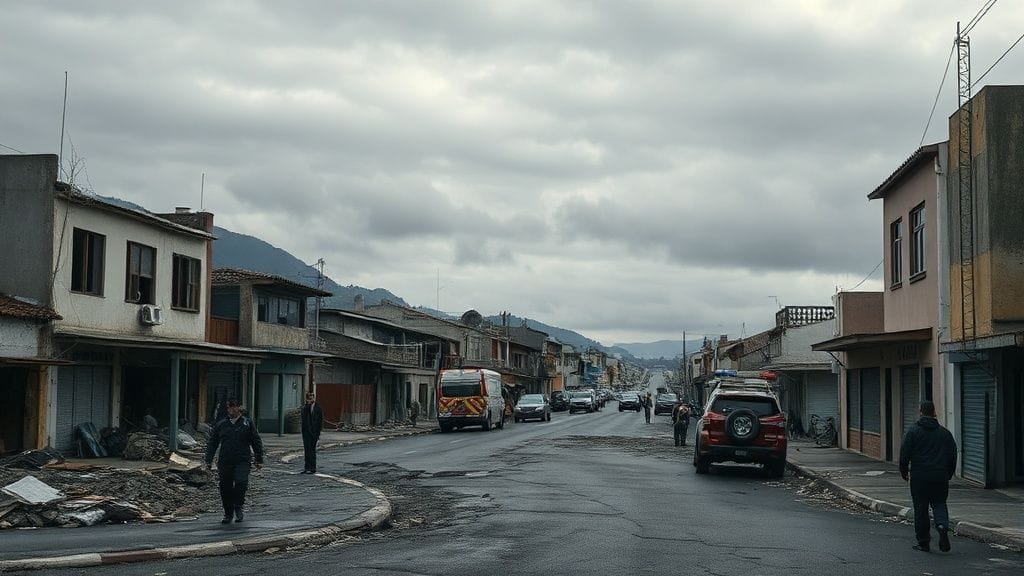
As the shaking subsided, the true scale of destruction slowly emerged. Quellón endured thousands of damaged homes, collapsed buildings, and disrupted infrastructure. Fear poured into the streets as aftershocks kept rattling nerves, sometimes stronger than initial tremors in their terror-inducing unpredictability.
Casualty reports trickled in—a handful of injuries, thankfully no immediate fatalities, but the emotional toll on a tightly-knit community was profound.
Response in Motion: Emergency Services and Local Resilience
Chile’s reputation for earthquake preparedness was tested yet again. Rapid mobilization of emergency services, alongside locals’ instinctive response, began immediately. Rescue teams assessed collapsed structures, installed medical triage points, and secured water and electricity supply.
Community cohesion proved vital as neighbors helped neighbors, sharing food, shelter, and hope amid the crisis.
The Tsunami Threat: Waves Racing Across the Pacific
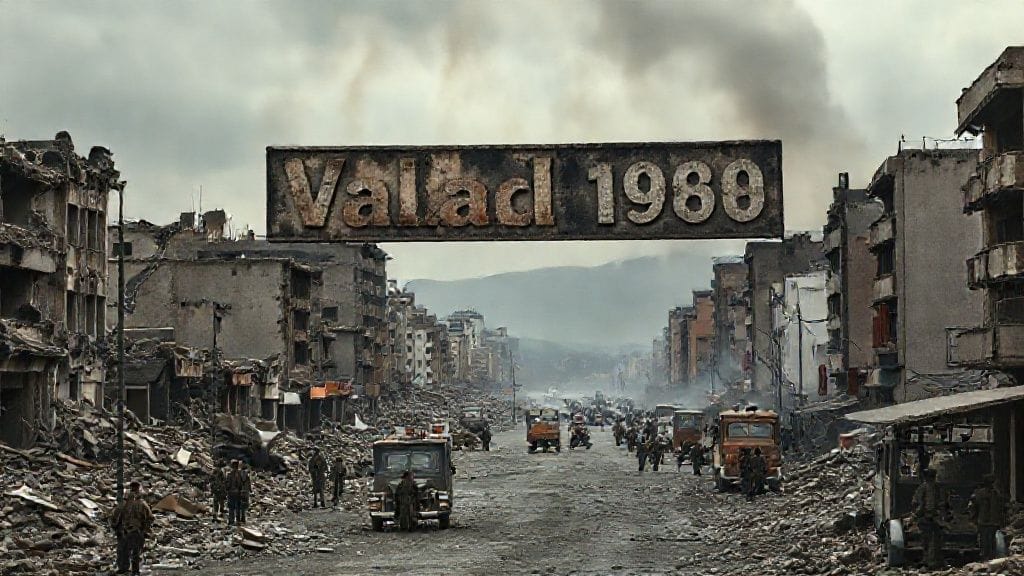
Given Chile’s history with devastating tsunamis — notably the 1960 Valdivia tsunamigenic earthquake, the strongest ever recorded — tsunami warnings elevated anxiety levels nationwide.
Authorities issued alerts across coastal areas, with sirens blaring in Quellón and nearby ports. Although waves arrived in small, less destructive surges, the incident reinforced the lingering danger posed by seismic sea waves that can follow subduction zone earthquakes.
Stories from the Eye of the Storm: Human Courage and Tragedy
Stories began to surface—of fishermen caught at sea, families seeking refuge, and first responders working tirelessly despite exhaustion.
One poignant account tells of a father who rescued his child from their crumbling home, running barefoot through debris-filled streets. Another recounts elderly residents supported by neighbors when isolated by cracked infrastructure.
These narratives humanize the disaster, painting a vivid portrait beyond statistics and structural damage.
Infrastructure on Trial: Roads, Bridges, and Buildings in Quellón
Quellón’s infrastructure faced stern tests. Several vital roads crumbled, isolating pockets of the town. Bridges showed critical damage, requiring rapid inspection to prevent further disaster.
The earthquake exposed vulnerabilities in construction practices, particularly in older buildings not fully retrofitted to withstand modern seismic standards. However, it also highlighted the impressive resilience of newer structures adhering to Chile’s stringent building codes.
The Power Outage: Darkness Descends on an Already Troubled Day
Compounding the day’s chaos, the earthquake triggered power outages across Quellón and surrounding areas. The absence of electricity plunged communities into darkness amid the cold December morning, further complicating rescue and communication efforts.
Temporary generators and quick repairs restored light, but the blackout underscored the layers of difficulty a natural disaster can impose.
National and International Aid: Chile’s Call for Help and Global Solidarity
Though Chile has a robust national emergency framework, the Quellón quake invited offers of solidarity from international relief agencies.
Neighboring countries, NGOs, and global institutions pledged aid, including technical assistance, supplies, and financial support. This outpouring of help echoed humanity’s shared vulnerability and compassion in the face of nature’s tempest.
Government Actions: Policies and Mobilization After the Shaking
President Michelle Bachelet’s administration acted swiftly, declaring a state of catastrophe in the affected regions. Aid packages were allocated to rebuild housing and infrastructure, while emergency funds assisted displaced families.
Moreover, the quake renewed political discussions around long-term investments in seismic resilience, early warning systems, and disaster education.
A Community Rebuilds: Quellón’s Long Road to Recovery
Months after the shaking ceased, Quellón faced the Herculean task of reconstruction. Building materials had to be sourced, skilled workers organized, and social services ramped up to restore normal life.
Community gatherings fostered collective healing, while children returned slowly to damaged schools. This period revealed the enduring spirit of those committed not only to rebuild their town but to honor memory through resilience.
Environmental Impact: Landslides, Earthshifts, and Nature’s Response
The earthquake reshaped parts of Chiloé’s fragile geography. Steep hillsides experienced landslides, forested areas showed signs of stress, and in some coastal zones, subsidence altered shorelines.
While human narratives dominated news coverage, scientists gathered data to understand how such shifts impact ecosystems—reminding us that every quake rewrites the landscape’s story as well.
Psychological Scars: Trauma and Memory in the Disaster Zone
Beyond physical damage, the quake left invisible wounds. The psychological toll on survivors included post-traumatic stress, anxiety, and grief.
Mental health programs became integral to recovery efforts, recognizing that healing requires attention to both body and mind. Veterans of prior Chilean earthquakes spoke of echoes from the past haunting the present, binding generations in shared but painful history.
The Role of Technology: How Early Warning Systems Performed
Unlike earlier catastrophes, the 2016 Quellón earthquake saw the benefit of Chile's growing investment in seismic monitoring technology.
Early warning alerts reached residents via mobile networks and sirens, allowing for precious seconds to act, whether taking shelter or evacuating coastal zones. While imperfect, this system contributed to limiting casualties and served as a model for other nations.
Lessons Learned: Chile’s Improved Preparedness After Quellón
Every disaster brings learning; Quellón was no different. Authorities used the event to review emergency protocols, communication channels, and construction regulations.
Notably, the importance of educating remote communities about natural disaster preparedness was emphasized, ensuring that every corner of the country is equipped to face future seismic threats.
Earthquakes in Chilean History: A Legacy of Resilience
Chile’s encounters with earthquakes are woven through its history—each quake a chapter in the saga of survival.
From the 1939 Chillán quake to the 2010 Maule event, the nation has endured repeated tests of endurance. The Quellón earthquake, though smaller in scale, contributes to this continuum of resilience, reminding Chileans of the earth’s unpredictable pulse.
The Quellón Earthquake in World Context: Comparing Global Seismic Events
Globally, the Quellón earthquake fits within a pattern of subduction zone quakes that have shaped human history—the 2004 Indian Ocean quake-tsunami and Japan’s 2011 Tōhoku disaster among them.
While Quellón lacked the devastating human toll of these megathrust events, its impacts represent the persistent threat posed by geologic processes worldwide, underscoring the universal need for vigilance.
The Cultural Imprint: Art, Literature, and Memory Post-Disaster
Artistic and literary expressions subsequently emerged from the quake’s shadow. Local poets composed verses honoring resilience; artists created murals depicting survival and hope.
These cultural artifacts become part of Quellón’s collective memory, ensuring that trauma and triumph are passed down as stories and symbols, echoing far beyond immediate experience.
Conclusion: Humanity’s Fragile Dance with Earth’s Fury
The Quellón earthquake of December 25, 2016, was not merely a geological incident—it was a profound human event. It revealed the vulnerability, courage, and relentless hope of a community that, in one violent moment, was forever altered.
Yet, the story of Quellón is ultimately one of resilience—of people who rise from ruin, who rebuild homes and hearts, and who continue to coexist with a restless planet beneath their feet. In the rhythms of destruction and recovery, we are reminded of the fragile but tenacious dance between humanity and the earth itself.
FAQs
1. What caused the Quellón earthquake in 2016?
The earthquake was caused by the subduction of the Nazca Plate beneath the South American Plate, resulting in a seismic rupture along a thrust fault near Chiloé Island.
2. How severe was the earthquake in terms of magnitude and damage?
The quake measured 7.6 in magnitude, causing significant structural damage to buildings and infrastructure in Quellón but fortunately resulting in no immediate fatalities.
3. What was the response of Chilean authorities to the earthquake?
The government declared a state of catastrophe, mobilized emergency services, coordinated relief efforts, and implemented plans for reconstruction and mental health support.
4. Did the earthquake trigger a tsunami?
A tsunami warning was issued due to the quake’s tectonic source, but only small, minor waves arrived, without causing major damage.
5. How did technology influence the disaster response?
Chile’s early warning systems and seismic monitoring provided alerts that helped reduce casualties and informed evacuation procedures.
6. What long-term effects did the earthquake have on Quellón?
Beyond physical rebuilding, the event had psychological impacts, prompted infrastructure upgrades, and fostered community solidarity and cultural expression.
7. How does the Quellón earthquake compare to other major earthquakes in Chile?
It was moderate in magnitude compared to megathrust earthquakes like the 1960 Valdivia or 2010 Maule disasters but significant for the regional impact on southern Chile.
8. Why is Chile so prone to earthquakes?
Chile’s location on the convergent boundary of two major tectonic plates within the Pacific Ring of Fire subjects it to frequent seismic activity.