Table of Contents
- The Deadly Dawn: Morning of November 11, 1922
- Chile’s Shaky Ground: Geological Roots of the Atacama Quake
- Atacama’s Pulse: A Region on Edge Before the Disaster
- November 11 Unfolds: The Earth Roars Beneath Copiapó
- Immediate Aftermath: Chaos, Rescue, and the Human Toll
- The People of Copiapó: Lives Shattered and Stories of Survival
- Infrastructure in Ruins: How the Quake Reshaped the Cityscape
- Government Response: From Crisis to Reconstruction
- International Reactions and Aid: Solidarity Beyond Borders
- Scientific Inquiry: What the 1922 Quake Taught Seismology
- Economic Shockwaves: Mining and Trade in the Aftermath
- Cultural Memory: How Atacama’s Earthquake Changed Chilean Identity
- Comparing Disasters: The 1922 Quake in the Global Historical Context
- Long-Term Urban and Architectural Changes in Copiapó
- Earthquake Preparedness: Lessons That Still Resonate Today
- The Atacama Earthquake’s Place in Chile’s Seismic Legacy
- Conclusion: Echoes Still Felt a Century Later
- FAQs: Unraveling the Facts and Myths Around the 1922 Quake
- External Resource
- Internal Link
On the chilly morning of November 11, 1922, the sun rose over Copiapó, a bustling mining city nestled in Chile’s arid Atacama Desert, as usual. Yet beneath the sunlit streets and quiet homes, a terrifying force was building, waiting to shatter the fragile calm. At precisely 06:15 am, the earth’s relentless fury unleashed itself in a violent tremor—one that would leave indelible marks on Chile’s northern landscapes and its people’s hearts. This was no mere shaking; it was a cataclysm that hurled the region into chaos, setting coping mechanisms and civic infrastructures to the ultimate test. The Atacama (Copiapó) earthquake of 1922 was not only a natural disaster but a pivotal chapter in Chile’s—and indeed, the world’s—long saga of seismic resilience.
Chile’s Shaky Ground: Geological Roots of the Atacama Quake
Chile is infamous for its seismic volatility, resting precariously atop the volatile boundary where the Nazca and South American tectonic plates converge. This subduction zone is one of the planet’s most active and violent fault lines, a restive skin on which the continent scrapes and grinds, storing immense geological energies. The Atacama earthquake of 1922 was born of this dynamic: a sudden release of pent-up stress that caused the ground beneath Copiapó and surrounding Atacama Province to convulse with staggering force. The quake registered approximately 8.5 on the Richter scale, making it one of the most devastating tremors in Chile in the early 20th century.
The region’s arid climate belies a volatile underworld. The dry washes and salt flats of the Atacama Desert mask how this land endures relentless geophysical stresses—a ticking earthquake time bomb that would in this case detonate with ferocity that the people of Copiapó had only faintly anticipated.
Atacama’s Pulse: A Region on Edge Before the Disaster
In the early 1920s, Copiapó was a hub of mining wealth, its veins rich with copper and silver coveted worldwide, while its community forged a tough, industrious character to match the harsh desert conditions. The city’s economy and society revolved heavily around these mines and the railway lines that connected this remote oasis to the ports to the west. Despite its economic brilliance, the infrastructural fragility was already a concern; many buildings were ill-equipped to withstand significant seismic activity owing to limited engineering knowledge and materials at the time.
Rumors and fears of an impending quake swirled among locals and geologists alike in the months prior to November 1922. Yet these warnings, though based on emerging seismological patterns, were often drowned out by everyday concerns, the clamour of a city determined to carve out progress against a backdrop of historic seismic risk.
November 11 Unfolds: The Earth Roars Beneath Copiapó
Just as the morning light stretched its fingers over the desert hills, the earth violently shifted. It began with a low, rumbling growl—the kind that hunters and peasants have historically associated with bad omens. Then came the shaking. Intense, irregular, and prolonged, the tremors twisted foundations and hurled bricks from chimneys.
In the span of mere minutes, histories were rewritten. Shops collapsed, homes buckled, and entire railway lines buckled. For many residents, the world transformed from a place of routine into a battlefield with the ground itself as a foe. The quaking lasted nearly two minutes, a lifetime in moments, as aftershocks added insult to injury in the hours and days following.
Witnesses recounted the surreal experience with a mix of awe and horror. “The earth swept beneath our feet like an angry sea,” said one miner trapped for hours beneath debris. Others would describe how the once-familiar streets turned into a labyrinth of dust and ruin.
Yet even in this moment of terror, acts of bravery and solidarity emerged. Neighbors pulled one another from rubble, and impromptu rescue teams formed in the streets, lighting fires and sharing water amidst the choking dust.
Immediate Aftermath: Chaos, Rescue, and the Human Toll
The human cost was catastrophic. Official records from the period cite nearly 500 fatalities and thousands injured in the Copiapó region alone. The quake brutally disrupted an already fragile healthcare system. Hospitals were flooded with the wounded, and medical supplies were scarce. The desert’s isolation compounded the difficulty of sending aid promptly.
But it was not just human lives that felt the quake’s wrath. Vital infrastructure, from telegraph lines to railroads, lay shattered, hindering communication and complicating relief efforts. Essential water supplies were disrupted as underground aquifers and piping systems cracked or collapsed.
Still, in the midst of despair, the communal spirit was unmistakably strong. Survivors pooled resources, rationed supplies, and converted damaged structures into emergency shelters. Local authorities, though overwhelmed, swiftly moved to secure the most dangerous ruins and coordinate distribution of basic necessities.
The People of Copiapó: Lives Shattered and Stories of Survival
Behind every statistic lies a story of resilience or loss. Doña Maria Gonzalez, a teacher whose home crumbled around her, spent days sheltering dozens of children in the remains of their schoolhouse. José Ramirez, a railway worker, lost his entire family but dedicated himself to rebuilding the transportation lines.
These personal narratives illustrate the human dimension of the disaster—where courage, trauma, and hope intertwined with the dust-filled air. Local newspapers of the era captured these tales with poignant immediacy, providing a rare window into the emotional landscape of a stricken community.
Infrastructure in Ruins: How the Quake Reshaped the Cityscape
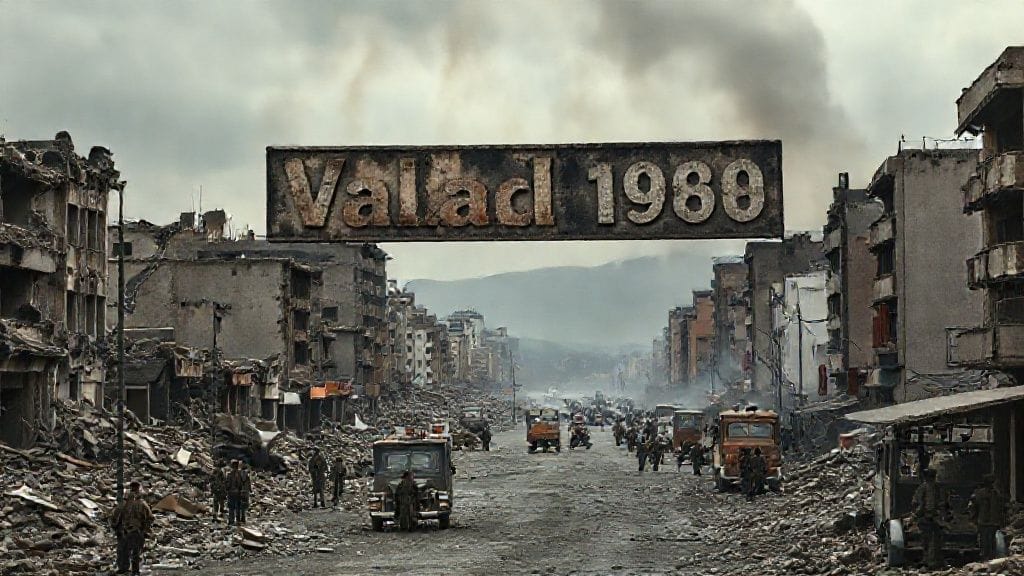
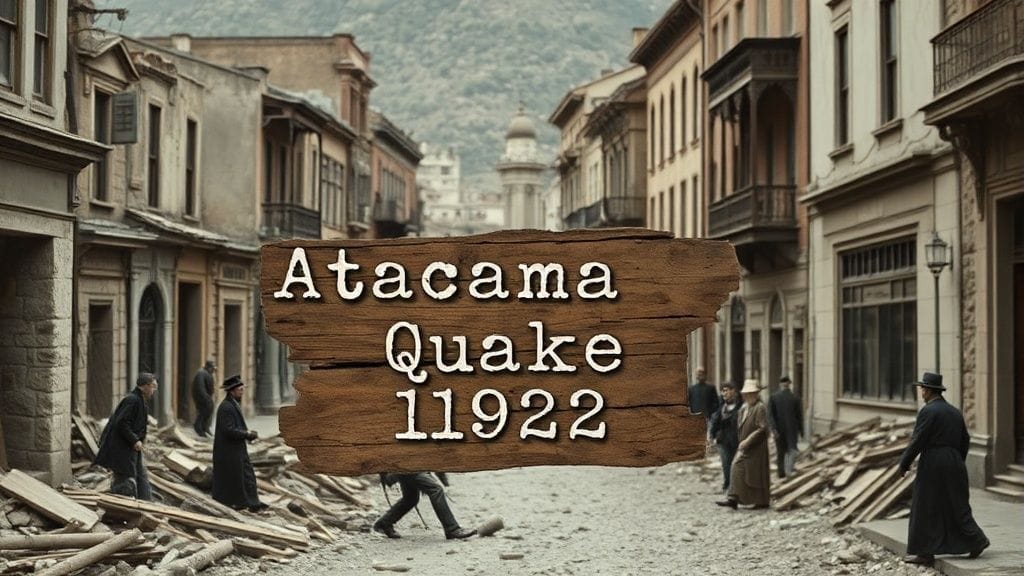
The physical face of Copiapó was forever altered. Masonry buildings, common in the town, proved dangerously vulnerable. Entire blocks of the historic center lay in ruins, their facades split and interiors collapsed. The city’s famed railway station suffered heavy damage, temporarily severing vital economic arteries.
Newspaper editorials soon began calling for urgent modernization and earthquake-proofing standards, a call that would reverberate in Chilean architecture for decades. The collapse of traditional construction methods inspired architects and engineers to explore reinforced concrete and flexible design approaches suited to seismic zones.
Government Response: From Crisis to Reconstruction
In the immediate wake, Chilean government authorities mobilized relief efforts, dispatching military units to maintain order and facilitate aid. President Arturo Alessandri Palma personally addressed the nation, expressing sympathy and pledging support.
Emergency funds were allocated to rebuild housing and public works, although bureaucratic delays and regional remoteness hampered logistics. Slowly, reconstruction took hold, with a focus on not merely restoring but improving urban resilience.
The event sharply catalyzed legislative discussions on public safety, leading eventually to new seismic building codes and disaster response protocols.
International Reactions and Aid: Solidarity Beyond Borders
News of the Atacama earthquake soon crossed oceans. Several countries, including the United States and Argentina, extended humanitarian assistance. Notably, technical expertise began flowing into Chile, as foreign seismic experts arrived to study and help avert future catastrophes.
The disaster underscored global interconnectedness, highlighting how earthquake science, emergency management, and even humanitarian diplomacy were becoming shared international priorities in the early 20th century.
Scientific Inquiry: What the 1922 Quake Taught Seismology
The Atacama earthquake became a case study for geologists and seismologists hungry to understand the triggers and mechanics of large subduction zone quakes. Detailed surveys mapped rupture patterns, ground displacement, and aftershock sequences.
Innovations in seismic instrumentation and observation were inspired by this and similar events, ultimately contributing to more precise earthquake monitoring systems that Chile would integrate in later decades.
Economic Shockwaves: Mining and Trade in the Aftermath
Copiapó’s mining economy, foundational to the city’s identity and prosperity, suffered severe setbacks. Mines flooded or were structurally compromised, halting production and triggering unemployment. Transportation delays hampered export contracts and disrupted commodity markets.
Yet recovery was not long delayed. Both government policy and private investment sought to revive mining output, recognizing its vital role in national coffers. This period marked a transitional phase toward modernization and mechanization in mining technologies.
Cultural Memory: How Atacama’s Earthquake Changed Chilean Identity
The 1922 quake seeded profound cultural shifts. It entered collective memory as a defining trauma, commemorated in literature, art, and oral histories. The event highlighted human vulnerability but also the indomitable spirit of Chileans confronting nature’s wrath.
Schools incorporated earthquake awareness into curricula, and families memorialized lost loved ones. Public ceremonies and monuments emerged, ensuring that the seismic past remained central in regional identity—a narrative of survival against the earth’s merciless forces.
Comparing Disasters: The 1922 Quake in the Global Historical Context
Though overshadowed internationally by larger catastrophes like the 1906 San Francisco earthquake or the 1923 Great Kanto quake in Japan, the Atacama quake was significant within the Pacific “Ring of Fire” narrative.
Its lessons informed early global dialogues on disaster preparedness and urban planning in seismic zones, contributing a valuable chapter to worldwide efforts to mitigate earthquake risk—efforts that continue to evolve.
Long-Term Urban and Architectural Changes in Copiapó
Post-1922, Copiapó’s urban planners sought to balance growth with safety. New building codes limited heavy masonry, promoting lighter materials and enhanced structural flexibility.
Public spaces were redesigned to serve as emergency gathering points, and infrastructure was diversified to withstand future shocks. The city became a living laboratory for earthquake-adaptive architecture in South America.
Earthquake Preparedness: Lessons That Still Resonate Today
Chile’s modern reputation for earthquake readiness owes much to early 20th century calamities like Atacama’s quake. Drills, education programs, and engineering codes trace their heritage back here.
Natural disasters forged a culture of vigilance that persists—a reminder that preparation is never a static goal but a constant challenge.
The Atacama Earthquake’s Place in Chile’s Seismic Legacy
As the century marched on, Chile would endure multiple, sometimes more devastating quakes. Yet the 1922 event anchors a transitional moment—from vulnerability and improvisation toward scientific understanding and structured resilience.
It is a cornerstone in the country’s seismic story, a reminder etched deep into both land and memory.
Conclusion
The 1922 Atacama earthquake was far more than a convulsion of the earth; it was a profound human ordeal, a poignant narrative of fragility and strength. In the ruins of Copiapó, disaster and hope intertwined. Communities rebuilt, and from their ashes rose new systems of knowledge, safety, and solidarity. The quake revealed Chile’s inseparable bond with its restless earth—a challenge woven into the nation's identity.
Nearly a century later, the tremors of November 11, 1922, still echo—not only beneath the Atacama sands but in the enduring spirit of those who live with the knowledge that beneath their feet, history is still in motion.
FAQs
Q1: What caused the Atacama (Copiapó) earthquake of 1922?
A1: The quake was triggered by the subduction of the Nazca tectonic plate beneath the South American plate along Chile’s coastal margin—a highly active seismic zone.
Q2: How strong was the earthquake on the Richter scale?
A2: It registered approximately 8.5, categorizing it as a major and destructive seismic event.
Q3: What were the immediate impacts on Copiapó’s population?
A3: The city suffered about 500 deaths, thousands of injuries, widespread homelessness, and significant psychological trauma.
Q4: How did the Chilean government respond to the disaster?
A4: Authorities mobilized military and emergency services, allocated funds for relief, and later enacted policies to enhance urban resilience and building safety.
Q5: In what ways did the earthquake influence Chilean architecture?
A5: The disaster spurred the adoption of stricter construction codes promoting earthquake-resistant materials and designs.
Q6: Did international communities assist Chile after the quake?
A6: Yes, several countries offered humanitarian aid and technical expertise, fostering early international disaster cooperation.
Q7: How is the Atacama earthquake remembered in Chilean culture?
A7: Through literature, oral histories, commemorative events, and education, it remains a symbol of endurance and community strength.
Q8: What legacy did the 1922 quake leave for modern earthquake preparedness?
A8: It laid foundational lessons in emergency response, scientific monitoring, and public education—elements still crucial today.