Table of Contents
- The Deadly Dawn: December 1, 1928, in Central Chile
- Chile’s Unyielding Landscape: The Tectonic Setting
- The Sociopolitical Climate of 1920s Chile
- Early Warnings and the Mysterious Silence
- The Tremor Unleashed: Timeline of the Talca–Constitución Earthquake
- The Epicenter and the Shaking That Shattered Cities
- Human Tragedy and Stories of Survival
- The Collapse of Infrastructure: Towns Reduced to Rubble
- The Tsunami Threat and Coastal Devastation
- Immediate Aftermath: Rescue Efforts and Emergency Response
- Government Reaction and National Mourning
- Chile’s Earthquake Preparedness: Before and After 1928
- International Attention and Aid
- Scientific Advances Triggered by the Talca–Constitución Event
- Cultural Memory and the Earthquake in Chilean Art and Literature
- The Earthquake’s Long-Term Economic Impact on Chile
- Lessons Learned: Building Codes and Urban Planning Reform
- The 1928 Tragedy in the Broader History of Chilean Seismicity
- Survivors’ Testimonies: Voices from the Rubble
- Comparing Talca–Constitución with Later Chilean Earthquakes
- The Psychological Scars: Generational Trauma and Resilience
- Remembering December 1, 1928: Memorials and Commemorations
- The Talca–Constitución Earthquake’s Legacy for Modern Chile
- Conclusion
- FAQs
- External Resource
- Internal Link
1. The Deadly Dawn: December 1, 1928, in Central Chile
On the morning of December 1, 1928, as the first golden rays of the sun filtered gently over the valleys of central Chile, an ominous rumble shattered the tranquility. What started as a distant tremor suddenly ramped up into a ferocious earthquake, shaking the very foundations of the trembling towns of Talca and Constitución. The earth rolled as if angered, buildings swayed and crashed, the air filled with cries for help, and a population at dawn was thrust into chaos and despair.
That day, Chile—already bearing the scars of a restless tectonic boundary—would witness a powerful reminder of nature’s uncontrollable force. The Talca–Constitución earthquake was not just a calamity of cracked walls and collapsed homes; it was a human drama, where courage and despair intertwined and where the ground beneath life itself shifted, codifying the fragility and resilience of this Andean nation.
2. Chile’s Unyielding Landscape: The Tectonic Setting
To understand the 1928 Talca–Constitución earthquake, one must first grasp the relentless geological theater on which Chile stands. Situated along the boundary of the Nazca and South American tectonic plates, the region is a notorious hotbed of seismic activity. The Nazca Plate slides beneath the South American Plate—a process known as subduction—generating tremendous stress along faults that, when released, unleash devastating earthquakes.
Central Chile, in particular, lies near the convergent margin responsible for some of the most intense seismic events ever recorded—including the Great Chilean Earthquake of 1960. The 1928 earthquake was a stark expression of this ceaseless tectonic pressure, sprung from faults near the coast and extending inland towards the fertile valleys and urban centers.
3. The Sociopolitical Climate of 1920s Chile
In the late 1920s, Chile was a nation in the throes of transformation. Politically, the country was navigating a period of instability marked by the rule of Carlos Ibáñez del Campo, a military figure who had seized power earlier in the decade. His regime was authoritarian but also focused on modernization, infrastructure, and national cohesion.
Economically, Chile was deeply reliant on mining exports, especially nitrates and copper, which made the country vulnerable to international market fluctuations. The cities of Talca and Constitución were hubs of agricultural and port activity, fundamental to regional trade. The earthquake struck against this backdrop—a society attempting to build modernity amid fragile political structures and growing urban centers.
4. Early Warnings and the Mysterious Silence
Decades before the era of advanced earthquake early warning systems, the people of central Chile were left with only instinct and folklore when the earth began to grumble. In the hours before the main shock, minor tremors—known in local terms as “temblorillos”—were perceptible. Yet such brushstrokes of seismic activity were common, caution signs dismissed as routine murmurs of the restless Andean cradle.
This eerie quiet before the storm contributed to the earthquake’s devastating impact. The absence of clear warnings meant that many victims were caught utterly unawares, going about their daily routines in the homes, schools, and factories that would soon crumble.
5. The Tremor Unleashed: Timeline of the Talca–Constitución Earthquake
Shortly after dawn, the earth violently awakened. The main shock, lasting an agonizing 45 seconds, carved deep fissures into the soil and sent waves through the atmosphere. Eyewitnesses recounted the initial ground motion as a rolling, undulating surge rather than a simple sharp jolt—an unsettling ballet that bruised nerves and blurred perception.
The shaking was so intense that in Talca, entire blocks of buildings collapsed in moments. In Constitución, perched near the Pacific coast, the tremors shook harbor installations and triggered landslides down steep coastal cliffs. Due to its duration and strength, the earthquake is estimated to have measured roughly a magnitude of 7.6 to 7.9, potent enough to cause widespread destruction yet overshadowed historically by bigger shocks in Chile’s seismic repertoire.
6. The Epicenter and the Shaking That Shattered Cities
The official epicenter lay offshore, approximately 30 kilometers southwest of Constitución, beneath the Pacific Ocean. This location explained not only the violent shaking onshore but also the tsunami that followed hours later, as the ocean responded to the sudden displacement of the seabed.
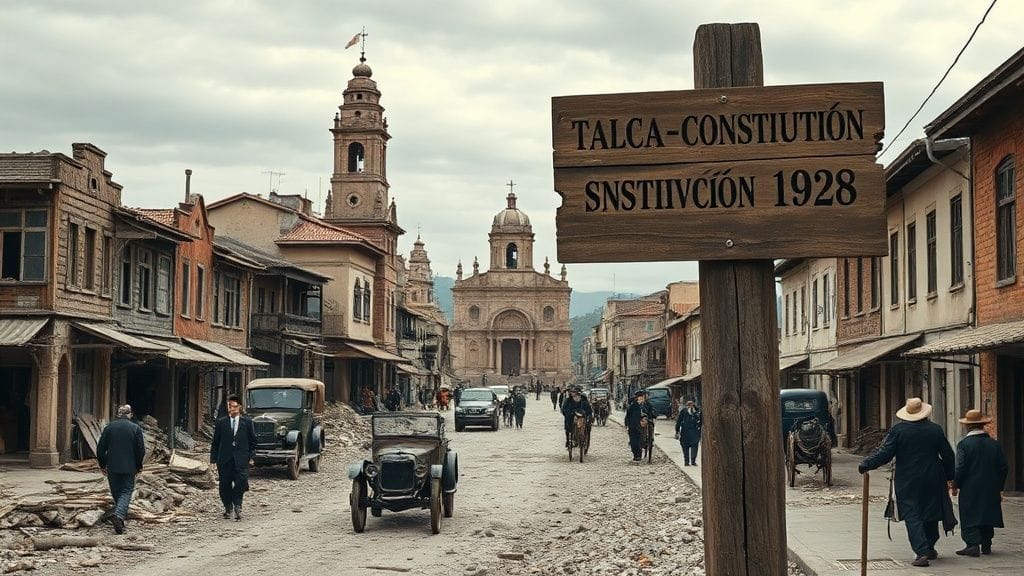
The cities most affected—Talca, known for its colonial architecture and vibrant markets, and Constitución, a vital port and fishing town—bore the brunt. Buildings, many constructed from fragile adobe and unreinforced masonry, crumpled like paper in the quake’s thrashing grasp.
7. Human Tragedy and Stories of Survival
Amid the rubble, harrowing tales emerged. Families trapped beneath shattered walls, neighbors braving aftershocks in moonlit nights, and firefighters and volunteers racing against time to pull survivors from debris—human stories that illustrate the quake’s profoundly intimate agony.
One poignant account comes from María López, a young mother in Constitución, who sheltered her children beneath the remains of their collapsed home, surviving against odds and rising from despair to become a figure of local resilience.
Yet, the human toll was grim: official death estimates vary, but it is generally accepted that over a thousand perished, and many more were injured or displaced. Thousands were left homeless in the chilling summer nights that followed.
8. The Collapse of Infrastructure: Towns Reduced to Rubble
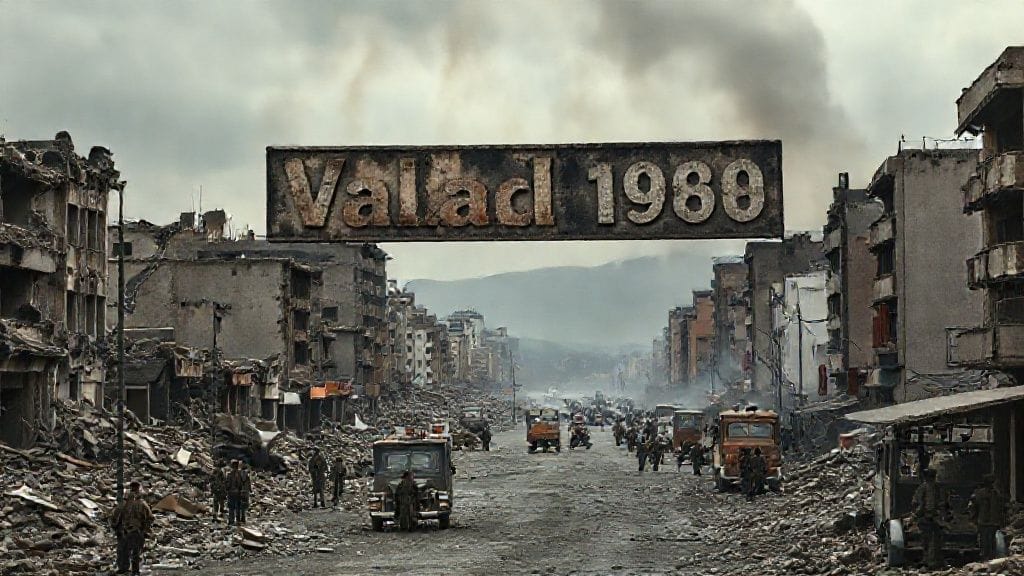
The quake reduced much of Talca and Constitución to ruins. Churches, schools, town halls, and traditional homes—all landmarks that wove the social fabric—were destroyed or heavily damaged. Roads cracked open, bridges faltered, and communication lines, already fragile, were severed.
In rural areas, landslides buried or blocked access routes, isolating communities further and complicating relief efforts. The existing infrastructure was put to its sternest test.
9. The Tsunami Threat and Coastal Devastation
Perhaps less documented but equally devastating was the tsunami triggered by the offshore epicenter. Though smaller in scale compared to other Chilean tsunamis, waves washed over coastal settlements, further compounding destruction.
Port facilities in Constitución were damaged, fishing boats wrecked, and coastal inhabitants forced to abandon homes to the advancing sea. The dual disaster—earthquake and tsunami—broke hearts and livelihoods alike.
10. Immediate Aftermath: Rescue Efforts and Emergency Response
In the quake’s wake, emergency response was chaotic but heartfelt. Local authorities and volunteers initiated rescue operations, often improvising with limited resources. Makeshift hospitals sprang up, with doctors and nurses working tirelessly amid shortages of medical supplies.
Communication with Santiago—the nation’s capital—was disrupted but gradually restored, enabling a coordinated response. Military units were deployed to maintain order and assist in relief deliveries.
Yet, the sheer scale of the devastation overwhelmed the existing mechanisms, highlighting a glaring national vulnerability.
11. Government Reaction and National Mourning
President Carlos Ibáñez del Campo’s government declared a state of emergency. National mourning ensued, with parades canceled and flags flown at half-mast. The tragedy united the country in grief, but also fueled demands for improved preparedness.
Government funds were allocated for relief and reconstruction, and plans began to revise building codes and emergency protocols.
12. Chile’s Earthquake Preparedness: Before and After 1928
Before 1928, Chile had limited seismic building codes, with much construction still relying on traditional methods ill-suited for tremors. The Talca–Constitución quake became a wake-up call, accelerating efforts to adopt more rigorous structural standards.
Scientific study of seismic risks gained momentum, and Chile’s pioneering role in modern earthquake engineering began to take shape—lessons still echoing in today’s resilient urban landscapes.
13. International Attention and Aid
Though overshadowed internationally by political upheavals elsewhere during the interwar period, the 1928 earthquake drew some global sympathy. Various countries offered aid—medical supplies and financial donations—which helped Chile begin the long process of recovery.
The event also caught the interest of the global scientific community, who regarded Chile’s seismicity as a crucial case study in understanding subduction zone earthquakes.
14. Scientific Advances Triggered by the Talca–Constitución Event
Post-disaster investigations led by Chilean and foreign seismologists advanced knowledge about rupture zones, aftershock patterns, and tsunami generation in subduction environments. Instruments were improved, and data collected served as valuable inputs for future seismic hazard models.
In many ways, the 1928 quake laid the groundwork for Chile’s eventual transformation into a world leader in earthquake research.
15. Cultural Memory and the Earthquake in Chilean Art and Literature
The trauma of December 1, 1928, penetrated cultural consciousness. Poets, painters, and storytellers captured the event’s anguish and resilience—the cracked earth became a symbol both of destruction and rebirth.
Works like Pablo Neruda’s poems indirectly echo the nation's vulnerability to nature’s whims, while visual artists memorialized the scenes of devastation and hope.
16. The Earthquake’s Long-Term Economic Impact on Chile
The destruction in Talca–Constitución disrupted regional economies significantly. Agriculture suffered due to ruined irrigation and damaged lands, while port activity in Constitución slowed, affecting trade channels.
Rebuilding costs strained government budgets, exacerbating economic uncertainty during a period that would soon lead to the global Great Depression.
17. Lessons Learned: Building Codes and Urban Planning Reform
The calamity exposed the urgent need for safer construction. Chile’s government began implementing seismic-resistant building codes, mandating the use of reinforced concrete and improved architectural designs.
Urban planning also shifted focus—encouraging open spaces to serve as emergency gathering points, and improving infrastructure resilience against both quakes and tsunamis.
18. The 1928 Tragedy in the Broader History of Chilean Seismicity
While less globally famous than the mega-earthquake of 1960, the Talca–Constitución shock remains a pivotal marker in Chile’s seismic timeline. It demonstrated the intense risk to central Chile and took a human toll that shaped national consciousness.
It bridged an era from passive acceptance of earthquakes to proactive preparation and respect for seismic forces.
19. Survivors’ Testimonies: Voices from the Rubble
Firsthand accounts, preserved in archives and oral histories, reveal the raw emotions of that day. Witnesses recall not just the terror but moments of heroism: neighbors digging with bare hands, strangers offering shelter, and communities rallying to restore hope.
These human voices keep the memory alive, reminding us that history is never just statistics, but lives irrevocably transformed.
20. Comparing Talca–Constitución with Later Chilean Earthquakes
In comparison to later megathrust events, the 1928 earthquake was moderate in magnitude but devastating in impact due to its proximity to populated centers and vulnerable infrastructure.
Its lessons informed disaster responses to future quakes, from Valdivia (1960) to Maule (2010), making it an important milestone in Chile’s ongoing struggle with natural hazards.
21. The Psychological Scars: Generational Trauma and Resilience
The trauma left deep psychological imprints on survivors and descendants alike. Fear of aftershocks, nightmares, and cautious attitudes toward building and living in vulnerable zones passed through generations, blended with stories of survival and communal strength.
This interplay of trauma and resilience is woven into Chile’s cultural identity—a sobering recognition of human endurance.
22. Remembering December 1, 1928: Memorials and Commemorations
Though less publicized than other events, memorials in Talca and Constitución honor the victims and survivors. Annual ceremonies reflect not just mourning but also Chile’s respect for nature’s power and the strength of its people.
Such acts of remembrance ensure that the lessons and lives of 1928 remain unforgotten.
23. The Talca–Constitución Earthquake’s Legacy for Modern Chile
A century later, Chile’s robust seismic codes, emergency management, and scientific prowess owe much to the hard lessons of the 1928 quake. It remains a symbol of vulnerability and preparedness, tragedy and hope—a constant reminder beneath the southern skies.
While nature’s wrath endures, so too does Chilean determination to live with the earth’s restless heartbeat.
Conclusion
The Talca–Constitución earthquake of December 1, 1928, stands as a poignant chapter in Chile’s long encounter with seismic upheavals. It was a cataclysm that ripped through cities and lives, a force that humbled a nation and exposed its vulnerabilities. Yet amid the rubble and sorrow emerged a profound human story of survival, solidarity, and resilience.
This earthquake did more than dismantle buildings; it reshaped attitudes, policies, and cultures. It catalyzed scientific curiosity and practical reforms that not only saved countless lives in future disasters but also wove itself into the very fabric of Chilean identity. It reminds us of the profound respect we must hold for the earth’s power and the enduring spirit of communities bound by shared history and hope.
As Chile continues to build, plan, and prepare on this restless land, the legacy of 1928 is both a warning and a beacon—combining the fragility of human existence with the courageous will to overcome and rebuild.
FAQs
What caused the 1928 Talca–Constitución earthquake?
The earthquake was caused by the subduction of the Nazca Plate beneath the South American Plate, releasing accumulated tectonic stress along faults near central Chile’s coast.
How strong was the earthquake?
Estimates place the magnitude between 7.6 and 7.9, powerful enough to cause widespread destruction in Talca, Constitución, and surrounding areas.
What were the immediate consequences of the earthquake?
Over a thousand deaths, thousands injured and displaced, widespread destruction of buildings and infrastructure, and a damaging tsunami affecting coastal communities.
How did the Chilean government respond to the disaster?
The government declared a state of emergency, coordinated rescue efforts, allocated funds for relief and rebuilding, and began reforms in building codes and urban planning.
Did the earthquake influence scientific research?
Yes, it spurred advances in seismology and led to improved monitoring and understanding of subduction zone earthquakes in Chile.
How is the earthquake remembered today?
Memorials in affected cities honor victims and survivors, while cultural references in art and literature keep the memory alive as a symbol of resilience.
What changes occurred in Chile’s construction practices after the quake?
Chile implemented seismic-resistant building codes and urban planning reforms to improve safety and reduce vulnerability in future quakes.
How does the 1928 earthquake compare to later Chilean earthquakes?
Though less powerful than the 1960 Valdivia event, the 1928 earthquake was devastating locally and pivotal in shaping Chile’s approach to earthquake preparedness.