Table of Contents
- The Shattering Silence: Dawn of August 15, 2007
- Peru’s Precarious Position: The Geology of Disaster
- Pisco: A City Poised Between History and Tranquility
- The Earthquake Strikes: A Moment Frozen in Time
- The Magnitude and Mechanics: Understanding the 8.0 Mw Shock
- Immediate Aftershocks and the Cascade of Fear
- Witnesses to Catastrophe: Voices from the Rubble
- The Human Toll: Lives Lost and Communities Shattered
- Collapse of Heritage: The Ruin of Colonial Architecture
- Emergency Response under Strain: The First 72 Hours
- Government and Military Mobilization: Coordinating Rescue Efforts
- International Aid and Solidarity: A Global Response
- The Role of Media: Broadcasting Horror and Hope
- Psychological Aftershocks: Trauma Beyond the Tremors
- Reconstruction Challenges: Rebuilding Pisco’s Dreams
- Economic Ripples: The Earthquake’s Reach into Peru’s Economy
- Lessons Learned: Advances in Seismic Preparedness
- The Earthquake in Peru’s National Memory
- Scientific Insights: How the 2007 Event Advanced Geology
- Personal Stories: Triumphs of Resilience
- The Role of NGOs and Community Groups in Recovery
- Environmental Impacts: Shifts in the Landscape
- Current Seismic Risks and Peru’s Vigilance Today
- Conclusion: The Endurance of a Nation Beneath the Earth’s Fury
- FAQs on the Pisco Earthquake
- External Resource
- Internal Link
The Shattering Silence: Dawn of August 15, 2007
The morning of August 15, 2007, dawned over the southern Peruvian coast with an eerie stillness that belied the violence hidden beneath the earth’s surface. The sun rose gently, casting a golden hue over the tranquil Pacific Ocean and the colorful, colonial city of Pisco. Fishermen prepared their boats, women chatted in markets, and children played in sunlit streets—life unfolded as it always had. Suddenly, as if the earth itself had taken a furious breath, the ground beneath Pisco shattered violently. Buildings trembled, streets cracked, and the sky filled with dust and screams.
For those few seconds, seconds that stretched interminably, time seemed to falter. The earth had spoken—not with words, but in a catastrophic rumble that would etch the date forever into Peru’s collective memory. This was no ordinary quake; it was a powerful message delivered at 8.0 on the moment magnitude scale, unleashing devastation and testing the resilience of a city and its people.
Peru’s Precarious Position: The Geology of Disaster
Peru lies precariously on the boundary of the Nazca and South American tectonic plates — a volatile juncture where the oceanic crust relentlessly pushes beneath the continent in a process known as subduction. This collision zone, known as the Peru-Chile Trench, is a well-known generator of some of the most powerful and destructive earthquakes in history.
The 2007 Pisco earthquake was a ferocious reminder of the deep geological forces shaping the region. For centuries, Peru’s geography created breathtaking landscapes, but this same earth’s dynamism poses a constant threat to the nation’s cities and populations. Historically, seismic events have punctuated Peruvian history—from the great Lima earthquake of 1746 to more recent tremors through the 20th century—yet the 2007 event struck with an intensity and timing that caught many off guard.
Pisco: A City Poised Between History and Tranquility
Nestled along the arid southern coastline, Pisco is a port city known for its vibrant culture and colonial architecture. Founded in the 16th century, it grew as a trading hub and maintained a unique identity through centuries of change. Narrow cobblestone streets, baroque churches, and adobe homes lent a timeless quality to the town.
Despite its peaceful appearance, Pisco was geographically vulnerable — a fact not lost on seismologists but perhaps underappreciated by the inhabitants who lived with daily concerns but no recent memory of such violent quakes. The city’s old buildings, preserved relics of its past, held both beauty and fragility—their endurance soon to be put to a grim test.
The Earthquake Strikes: A Moment Frozen in Time
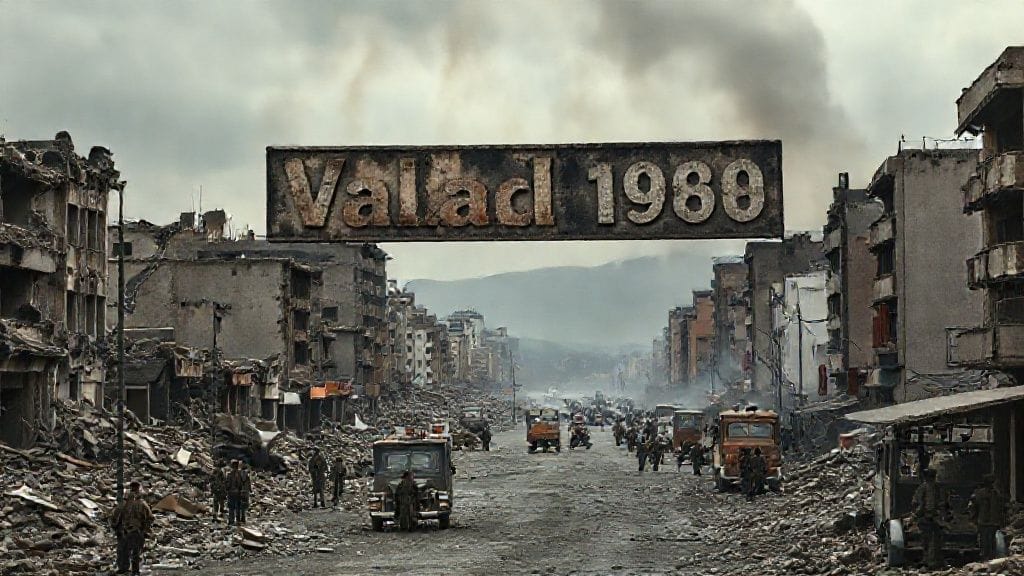
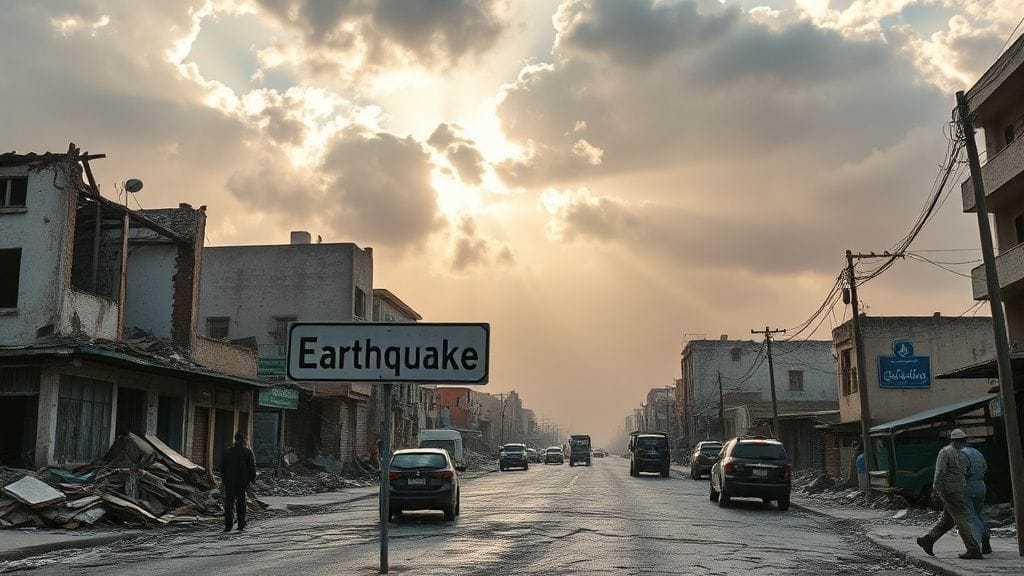
At 6:40 a.m., without warning, the earth convulsed. The seismic rupture, originating beneath the Nazca Plate, unleashed energy that sent tremors barreling through a 150-kilometer radius. For the people of Pisco and neighboring communities, the quake was an abrupt, terrifying phenomenon. Streets buckled, walls crumbled, and thousands found themselves trapped beneath rubble.
The duration—approximately one minute and a half—felt like an eternity to those caught in its grip. Buildings shook violently, some collapsing outright, while emergency sirens barely cut through the chaos. For a moment, Pisco was a city transformed from relative calm to a scene of chaos and destruction.
The Magnitude and Mechanics: Understanding the 8.0 Mw Shock
The quake registered an intensity of 8.0 on the moment magnitude scale, a force sufficient to devastate large urban centers and critical infrastructure. The rupture length extended over 65 kilometers along the plate boundary, releasing massive pent-up strain.
Geologists later analyzed the seismic waves to understand the faulting mechanics. The quake involved thrust faulting where compressional forces pushed rock strata upward, triggering ground uplift and generating aftershocks. The hypocenter was relatively shallow, about 39 kilometers beneath the surface, which intensified the shaking experienced by Pisco and nearby towns.
Immediate Aftershocks and the Cascade of Fear
In the hours following the initial shock, Pisco and surrounding areas endured a series of aftershocks—smaller but unnerving tremors that perpetuated the horror and uncertainty. These quakes, sometimes registering above magnitude 5.0, rattled nerves and complicated rescue operations. Structures already compromised by the main quake often succumbed under this incessant stress.
Communities, already on edge, braced themselves for more destruction, making it harder for people to seek refuge or resume any semblance of normal activity. For first responders, the aftershock sequence was a constant hazard.
Witnesses to Catastrophe: Voices from the Rubble
From survivors emerged stories charged with sorrow and bravery. María, a market vendor, recalled clinging desperately to her collapsing stall as the earth flipped beneath her feet. Juan, a fisherman, described running through the streets, trying to rescue neighbors trapped beneath timbers.
These personal narratives brought humanity to the grim statistics. Amid the despair, acts of courage surfaced—a firefighter pulling survivors from debris, neighbors sharing water and blankets, strangers opening doors and hearts. It was a kaleidoscope of emotion: horror, loss, hope, and resilience.
The Human Toll: Lives Lost and Communities Shattered
The earthquake claimed over 500 lives and injured thousands more. Entire neighborhoods in Pisco lay in ruins. Families were torn apart, homes destroyed. Hospitals overflowed, straining medical capacities. The death toll painted only part of the picture; the invisible scars of trauma, displacement, and loss extended far beyond immediate numbers.
Communities who had lived alongside each other for generations now faced the challenge of rebuilding not just structures but bonds frayed by tragedy. The earthquake unraveled lives in a matter of moments.
Collapse of Heritage: The Ruin of Colonial Architecture
Pisco’s historic treasures suffered catastrophic damage. The Basilica of San Clemente, with its iconic façade, crumbled, its baroque artistry reduced to dust and ruin. Adobe walls that narrated centuries of faith and culture fell silent.
The destruction of these landmarks represented not only a loss of physical heritage but an emotional blow — a severing of roots that helped anchor identity and history. Efforts to salvage fragments and document losses began even amid ongoing rescue and relief.
Emergency Response under Strain: The First 72 Hours
In the immediate aftermath, Peru’s emergency systems faced a daunting task. Roads were obstructed by debris, communications disrupted, and medical facilities overwhelmed. Rescue teams—composed of military, police, firefighters, and volunteers—scrambled to extract survivors and assess damage.
Yet the scale of destruction challenged every standard protocol. Makeshift field hospitals were established, emergency shelters opened, and international organizations alerted. The first three days laid bare the strengths and weaknesses of Peru’s disaster preparedness.
Government and Military Mobilization: Coordinating Rescue Efforts
President Alan García declared a state of emergency and dispatched troops to assist civilian efforts. Military helicopters and trucks transported supplies, evacuated the wounded, and guarded vulnerable areas.
Coordination between national and regional agencies aimed to streamline rescue operations and curtail chaos. This large-scale mobilization proved crucial in mitigating further loss and setting the stage for recovery.
International Aid and Solidarity: A Global Response
The world watched as images of destruction reached news outlets globally. Aid poured in—from search-and-rescue dogs sent from Europe to tents and medical supplies from the Americas.
Neighboring countries quickly offered support, and international agencies such as the UN activated emergency funds. This network of solidarity underscored the global dimension of natural disasters and humanity’s interdependence.
The Role of Media: Broadcasting Horror and Hope
Media coverage swept across countries, documenting not only destruction but also the spirit of survivors and rescuers. Television and radio became vital lifelines for information dissemination, warnings, and fundraising efforts.
Yet, the spotlight also brought challenges: sensationalism, misinformation, and invasive reportage sometimes marred these early days. Nevertheless, journalists played a crucial role in maintaining international attention and aid flow.
Psychological Aftershocks: Trauma Beyond the Tremors
Beyond physical devastation, the earthquake inflicted deep psychological wounds. Post-traumatic stress, anxiety, and grief permeated survivors’ lives. Many lost their homes, livelihoods, or loved ones, leading to crisis interventions and community healing programs.
Schools adapted to new realities, and mental health support became as vital as rebuilding walls. The invisible aftermath lingered long after the earth stopped shaking.
Reconstruction Challenges: Rebuilding Pisco’s Dreams
Reconstructing Pisco was more than bricks and mortar—it was about restoring lives and hope. Government plans focused on erecting safer housing that could withstand future quakes, and infrastructure upgrades aimed to modernize utilities and communications.
The process was slow and fraught with challenges: funding shortages, political debates, and local resistance to change. Yet it was a collective endeavor melding public will, technical expertise, and cultural sensitivity.
Economic Ripples: The Earthquake’s Reach into Peru’s Economy
The quake crippled industries, particularly agriculture and fishing, which formed the backbone of Pisco’s economy. The port’s closure affected trade and employment, and reconstruction costs strained state budgets.
However, disaster also ignited new economic activity—construction jobs surged, and policies promoted economic diversification. Still, recovery was uneven, especially for vulnerable populations whose livelihoods remained precarious.
Lessons Learned: Advances in Seismic Preparedness
The 2007 quake exposed gaps in building codes and emergency planning. In response, Peru accelerated reforms—improving construction standards, enhancing early warning systems, and conducting public education campaigns.
These lessons turned tragedy into resilience, strengthening national and regional capacities to face future earthquakes—an acknowledgment that nature’s power necessitates constant vigilance.
The Earthquake in Peru’s National Memory
August 15 became a date etched in the Peruvian consciousness, a somber anniversary reminding citizens of fragility and endurance. Memorials and ceremonies honor victims and heroes, while museums and documentaries preserve the stories.
The earthquake shaped not only urban landscapes but also cultural narratives of survival and collective identity.
Scientific Insights: How the 2007 Event Advanced Geology
Seismologists gained invaluable data from the Pisco earthquake, improving models of subduction zone behavior. The event highlighted complexities in interplate coupling and energy release patterns.
This knowledge continues to influence seismic risk assessments worldwide, illustrating how tragedies can drive scientific progress.
Personal Stories: Triumphs of Resilience
In defiance of loss, survivors built new lives. María returned to her market stall, reinventing her business; José, an architect, volunteered to design safer homes; children reunited with education and dreams.
These stories of resilience reveal the enduring human spirit—rooted in hope, community, and the determination to rise from ruins.
The Role of NGOs and Community Groups in Recovery
Non-governmental organizations played pivotal roles in filling gaps left by official responses. They provided psychosocial support, rebuilt schools, and empowered local leaders.
Community groups fostered solidarity and ensured that reconstruction reflected the needs and voices of those most affected.
Environmental Impacts: Shifts in the Landscape
The earthquake altered more than urban environments: coastal lines shifted, landslides reshaped hillsides, and aquifers changed flow patterns. These environmental consequences affected agriculture, wildlife, and future disaster risk.
Understanding these impacts helped integrate ecological considerations into recovery planning.
Current Seismic Risks and Peru’s Vigilance Today
Peru remains one of the most seismically active countries, and the memory of Pisco fuels ongoing preparedness. Investments in research, infrastructure, and education aim to protect populations from future catastrophes.
The balance between respecting geography and safeguarding communities continues to guide Peru’s path forward.
Conclusion: The Endurance of a Nation Beneath the Earth’s Fury
The Pisco earthquake of August 15, 2007, was more than a natural disaster—it was an event that shook the very foundations of a community and a nation. From the whirling dust and shattered stone emerged stories of profound human resilience: the compassion of neighbors, the bravery of rescuers, the determination to heal and rebuild.
This catastrophe revealed both the vulnerability of human constructs and the indomitable spirit that rises in wake of upheaval. It is a reminder that beneath the earth’s fury lies a deeper story—a narrative of survival, solidarity, and hope that transcends time.
FAQs on the Pisco Earthquake
Q1: What caused the 2007 Pisco earthquake?
The earthquake was caused by the subduction of the Nazca tectonic plate beneath the South American plate, leading to a sudden release of accumulated strain along the plate boundary near the Peruvian coast.
Q2: How strong was the earthquake?
It had a moment magnitude of 8.0, making it a highly powerful seismic event capable of causing severe damage.
Q3: How many people were affected by the earthquake?
Over 500 people died, thousands were injured, and tens of thousands were displaced, mainly in the Pisco region.
Q4: What were the main challenges in the immediate aftermath?
Rescue efforts were hindered by aftershocks, infrastructure collapse, and overwhelmed medical services. Coordination between agencies also faced difficulties.
Q5: How did the earthquake impact Peru’s cultural heritage?
Many colonial buildings, including historic churches, were severely damaged or destroyed, representing significant cultural loss.
Q6: What long-term changes did Peru make after the earthquake?
The government improved building regulations, emergency response plans, and public education on seismic risk.
Q7: Is Pisco vulnerable to future earthquakes?
Yes, due to its location near a tectonic boundary. Authorities maintain heightened preparedness measures.
Q8: How has the earthquake shaped Peru’s national identity?
It reinforced themes of resilience and solidarity, becoming a collective memory that shapes disaster awareness and community bonds.