Table of Contents
- The Breaking Dawn of January 15, 1944
- San Juan: A City on the Edge of Change
- The Tectonic Settings: Fault Lines Beneath the Argentine Soil
- The Day the Earth Roared: The Morning of the Earthquake
- The First Tremors: Panic, Confusion, and Chaos
- Collapse of a City: Buildings, Infrastructure, and Lives Shattered
- The Human Toll: Victims, Survivors, and Witnesses
- Emergency Response Amidst Ruin: Rescue Efforts and Community Solidarity
- Political Reverberations: The Government’s Role and Action
- Media Coverage and International Attention
- Social and Cultural Impact on the San Juan Community
- Rebuilding from Rubble: Urban Planning and Architectural Shifts
- Scientific Advancements Triggered by the Disaster
- Seismic Awareness and Argentina’s Preparedness Post-1944
- The Long Shadow: How the 1944 Earthquake Shaped Modern San Juan
- Oral Histories and Personal Testimonies: Voices from the Past
- Commemorations and Memorials: Remembering the Tragedy
- Lessons Learned: Disaster Management Evolution in Argentina
- The Earthquake in Literature and Art
- Conclusion: The Enduring Spirit of San Juan
- FAQs: Answering Key Questions About the 1944 San Juan Earthquake
- External Resource: Wikipedia Link
- Internal Resource: History Sphere
1. The Breaking Dawn of January 15, 1944
The first light of January 15, 1944, seeped quietly over the arid landscapes of San Juan, Argentina. The morning sky was clear, with a faint glow promising a typical summer day in this vibrant province known for its vineyards and rugged terrain. Yet, beneath the peaceful surface, a slumbering giant stirred—the restless earth, poised to unleash a fury that would forever scar the city and its people.
At 7:52 a.m., the ground beneath San Juan began to tremble with an intensity that would shock and shatter all around. The calm was violently interrupted by a cataclysmic earthquake of magnitude 7.4, an event whose consequences would echo through time, touching every facet of life in the city and beyond. For the residents who had no inkling of what was about to unfold, the earth’s roar was the sudden prelude to a chapter of pain, resilience, and rebirth.
2. San Juan: A City on the Edge of Change
San Juan was a bustling provincial capital nestled in Argentina’s western region, flanked by the vast Andes mountains to the west. In the early 20th century, it was a city caught between tradition and modernity, where colonial architecture mingled with the promise of industrial growth. Its economy hinged on mining, agriculture—especially winemaking—and commerce, creating a mosaic of social classes from rural farmers to urban professionals.
But San Juan’s geographical location came with a silent peril: it lay perched on a tectonic fault line, a fact that local authorities recognized but perhaps underestimated. The landscape bore the scars of earlier tremors in the 19th century, yet the city had grown unaware or unprepared as its population soared. The lives of many unfolded in houses built of adobe and fragile masonry—a recipe for disaster in the face of seismic fury.
3. The Tectonic Settings: Fault Lines Beneath the Argentine Soil
Argentina’s western provinces are crossed by the intricate Andean subduction zone, where the Nazca Plate dives beneath the South American Plate. This geological ballet produces powerful earthquakes along the western edge of the continent. San Juan sits atop one of the most active and dangerous fault systems in the region, known for releasing accumulated tectonic stress in violent jolts.
By the 1940s, seismologists had begun documenting the seismic activity in Argentina, yet the scientific understanding and public awareness of earthquake risks were still in infancy. The city’s susceptibility to tremors loomed ominously, waiting for the moment when nature would assert her brute force.
4. The Day the Earth Roared: The Morning of the Earthquake
At precisely 7:52 a.m., the earth ruptured. The ground shook violently for nearly 20 seconds—an eternity for those caught in the maelstrom. The quake’s epicenter was close to the city center, making it devastatingly destructive. Walls cracked almost immediately; windows shattered; roofs caved in. The initial shockwave was merciless.
Eyewitnesses described the experience as being inside a giant drum, the beating so intense it disoriented and petrified. Panic erupted as streets heaved and the cityscape morphed into a chaotic dance of dust, debris, and screams. San Juan’s adobe houses, ubiquitous and beloved, crumbled swiftly, offering no refuge to their occupants.
5. The First Tremors: Panic, Confusion, and Chaos
In the immediate aftermath, the city descended into chaos. Families fled from collapsing homes, while others were trapped underneath the rubble. The shock did not cease with the initial quake; aftershocks rattled nerves and structures alike, some strong enough to cause further damage and fear.
Communication systems faltered; roads cracked and buckled, hindering movement and search efforts. Without any formal disaster protocol, residents instinctively banded together, some rescuing neighbors while others attempted to locate family members. The streets were filled with cries for help, confused shouts, and the angry roar of collapsing masonry.
6. Collapse of a City: Buildings, Infrastructure, and Lives Shattered
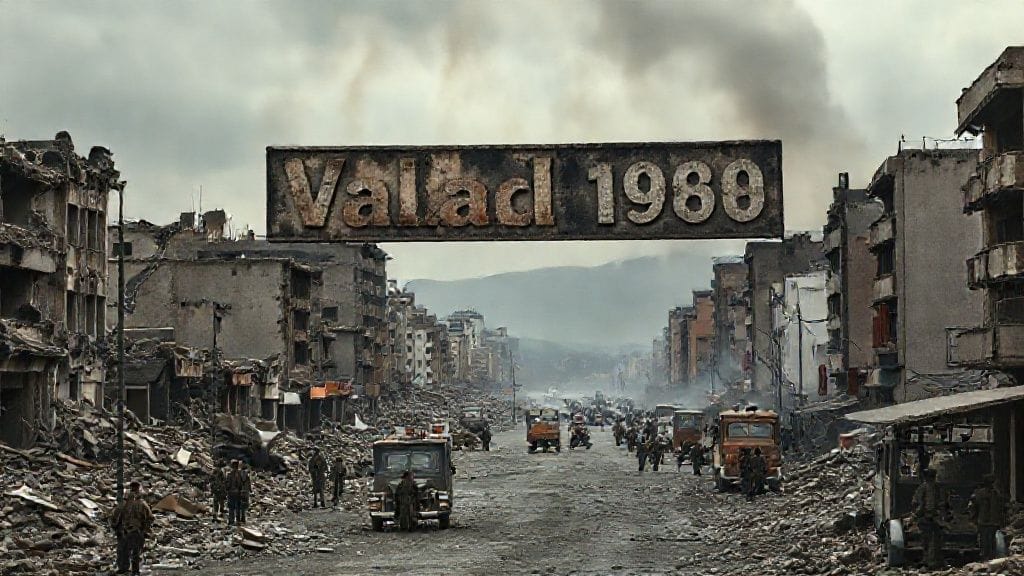
San Juan’s architectural heritage paid a heavy toll. Nearly 90% of the buildings were damaged or destroyed, including homes, churches, schools, government offices, and the hospital. The combination of poorly reinforced materials and lack of earthquake-resistant design turned the urban environment into a deadly trap.
The city’s infrastructure—water, electricity, transportation—was crippled entirely. The hospital, ironically a beacon of hope, lay in ruins, compounding the crisis as medical aid became scarce. Streets that had thrived with commerce became avenues of destruction and peril.
7. The Human Toll: Victims, Survivors, and Witnesses
The human cost was staggering. Estimates count approximately 10,000 deaths, with tens of thousands injured and displaced. For a city with a population of about 60,000, this was a cataclysmic blow, wiping out a significant portion of its citizens.
Stories began to emerge of survivors trapped under debris, others orphaned, and many who lost everything in minutes. One survivor recalled, “The ground swallowed our home and our past—all we had left was each other.” Families were fragmented; the social fabric was torn. Children wandered alone; elders sat stunned, unable to comprehend the ruins before them.
8. Emergency Response Amidst Ruin: Rescue Efforts and Community Solidarity
Rescue operations began immediately yet under tremendously difficult conditions. Local firefighters, police, and civilians worked tirelessly to dig through rubble with bare hands, makeshift tools, and trucks salvaged wherever possible. The sense of urgency was overwhelming, as countless lives hung in the balance.
Communities formed spontaneous shelters in open spaces, sharing what little food and water they could find. The spirit of solidarity flourished amid despair—neighbors opened their doors to strangers, and volunteers risked their safety to save others. This human resilience forged the first steps toward recovery.
9. Political Reverberations: The Government’s Role and Action
The Argentine government under President Edelmiro Julián Farrell was thrust into crisis management. The state mobilized military units and police to aid evacuation and maintain order. Emergency funds were allocated for relief, but resources were strained by the scale of destruction.
Political dialogues stirred debates on urban safety and the need for stronger building regulations. However, the immediate priority remained survival and shelter, overshadowing long-term planning at first. Unfortunately, some controversial delays in aid distribution fostered public frustration and unrest, challenging governmental authority.
10. Media Coverage and International Attention
The San Juan earthquake captured national and international headlines. Newspapers across Argentina, and indeed South America, reported on the devastation, humanizing the tragedy through harrowing descriptions and photographs. Radio broadcasts relayed urgent appeals for aid.
International sympathy poured in, with neighboring countries and global organizations offering assistance in medical support, funds, and expertise. The disaster spotlighted Argentina on the world stage and fostered a new awareness of seismic risks in Latin America.
11. Social and Cultural Impact on the San Juan Community
The psychological trauma inflicted on survivors persisted for years. Families broken, livelihoods shattered, and traditional ways of life disrupted, the earthquake altered San Juan’s social landscape. Some inhabitants migrated away, seeking new beginnings, while others vowed to rebuild their ancestral home.
Religious faith played a significant role in coping, with churches hosting mass funerals and prayers. Artists, poets, and musicians channeled grief into works commemorating the disaster, embedding it indelibly into San Juan’s cultural identity. The earthquake was not merely a geological event—it became a defining moment of collective memory.
12. Rebuilding from Rubble: Urban Planning and Architectural Shifts
The reconstruction of San Juan was a monumental task. Emergency shelters gave way to more permanent housing, and the city’s layout underwent significant revision. Urban planners introduced modern building codes emphasizing earthquake-resistant structures.
New materials replaced adobe, and architects experimented with reinforced concrete and steel, transforming the skyline. The disaster accelerated the modernization of San Juan, turning it into a symbol of resilience and innovation in Argentine urbanism.
13. Scientific Advancements Triggered by the Disaster
The quake galvanized the Argentine scientific community to invest in seismology. The National Institute of Seismology expanded its network of monitoring stations, seeking to better understand tectonic activity and predict future quakes.
Research on seismic-resistant engineering gained traction, influencing not only San Juan but all Argentine construction standards. The tragedy taught hard lessons about knowledge’s role in mitigating natural disasters, prompting scientists to bridge the gap between theory and public safety.
14. Seismic Awareness and Argentina’s Preparedness Post-1944
Post-1944, public campaigns raised awareness about earthquake risks. Schools introduced drills; communities learned evacuation procedures. San Juan became a model for disaster preparedness in Argentina.
Legislation evolved to enforce seismic building codes nationwide. Though the country would face later earthquakes, San Juan’s 1944 experience led to a culture of vigilance and respect for geological forces unseen but ever-present.
15. The Long Shadow: How the 1944 Earthquake Shaped Modern San Juan
Today, San Juan’s identity remains irrevocably marked by the 1944 catastrophe. The earthquake’s shadow lingers in the city’s architecture, its commemorations, and the psyche of its people. Reconstruction fostered growth and a forward-looking spirit, balancing remembrance with renewal.
The trauma imparted a profound sense of community cohesion, proving how adversity shapes collective destiny. Visitors wandering San Juan’s streets encounter a city both scarred and triumphant, carrying a profound story inscribed in stone, memory, and heart.
16. Oral Histories and Personal Testimonies: Voices from the Past
Centuries from now, archives preserve the voices of those who lived it. Oral histories narrate the quake through intimate portraits: the young mother pulled from debris by neighbors, the elderly man who lost his home but found hope in rebuilding, children who grew up in tents yet dreamed of a vibrant city restored.
Their stories convey the human dimension beyond statistics—emotions raw and enduring, reminding us that history’s grand events happen to individuals whose resilience defines our shared humanity.
17. Commemorations and Memorials: Remembering the Tragedy
Each year, San Juan pauses to honor the victims. Memorials stood amid the cityscape—placards, statues, and parks serve as silent witnesses to suffering and courage. Public ceremonies blend solemn remembrance with affirmations of survival and solidarity.
Schools teach the event as part of local history, engraining respect for the past and preparedness for the future. These acts of memory affirm that while the earth may shake, the spirit remains steadfast.
18. Lessons Learned: Disaster Management Evolution in Argentina
The 1944 earthquake catalyzed a reevaluation of disaster management protocols in Argentina. Authorities improved coordination between municipal, provincial, and national levels. Emergency response units trained in rapid mobilization, medical logistics were enhanced, and communication networks fortified.
The tragedy spurred the integration of scientific expertise into public policy. It demonstrated how disasters, while tragic, can foster societal improvements and safeguard future generations.
19. The Earthquake in Literature and Art
Artists and writers commemorated the disaster through evocative works. Poetic verses captured the quake’s violence and grief, while painters portrayed scenes of destruction and renewal. These cultural responses transformed the earthquake from mere catastrophe into a symbol of endurance.
Through art, the memory is kept alive, inviting reflection and empathy across generations.
20. Conclusion: The Enduring Spirit of San Juan
The San Juan earthquake of 1944 was a rupture not only in the earth but in history—an irrevocable cleavage between what was and what would be. Yet from the rubble rose a testament to human strength, ingenuity, and hope. San Juan stands today as a living memorial to those who perished, those who rebuilt, and those who continue to cherish a city forever shaped by fire beneath their feet.
It is a powerful reminder that nature’s forces, no matter how destructive, encounter a human spirit equally resilient—ready to rebuild, endure, and dream anew.
FAQs
Q1: What caused the San Juan earthquake of 1944?
The 1944 earthquake was caused by tectonic movements along the Andean subduction zone, where the Nazca Plate subducts beneath the South American Plate, generating seismic activity near San Juan.
Q2: How severe was the damage caused by the earthquake?
The earthquake destroyed about 90% of San Juan’s buildings, causing widespread infrastructure collapse, and resulted in approximately 10,000 deaths along with tens of thousands injured and homeless.
Q3: How did the Argentine government respond to the disaster?
The government mobilized emergency services, declared a state of emergency, allocated funds for relief and reconstruction, but initially faced challenges in logistics and aid distribution.
Q4: What impact did the earthquake have on urban planning in San Juan?
The disaster prompted the adoption of modern building codes emphasizing earthquake-resistant designs, transforming San Juan’s architecture and urban layout in the rebuilding process.
Q5: Did the earthquake influence scientific research in Argentina?
Yes, it accelerated developments in seismology and engineering, expanding monitoring networks and fostering research on earthquake prediction and construction standards.
Q6: How is the earthquake remembered today?
Through annual commemorations, memorials scattered around the city, education programs, and cultural works that keep the memory of the tragedy vivid.
Q7: Were there significant aftershocks following the main earthquake?
Yes, strong aftershocks followed the initial quake, prolonging the destruction and psychological trauma for residents.
Q8: How did the earthquake affect Argentine society beyond San Juan?
It raised national awareness about earthquake risks, influenced disaster preparedness policies and galvanized scientific and political efforts to enhance public safety.