Table of Contents
- The Fateful Morning of July 29, 1967: Tremors Beneath the Caribbean Sky
- Venezuela on Edge: Social and Political Tensions Before the Quake
- Geological Origins: The Complex Dance of Tectonic Plates off the Venezuelan Coast
- Caracas and La Guaira: A Tale of Two Cities Shadowed by Disaster
- The Earth Shakes: The Moment the Ground Trembled and Lives Changed Forever
- Immediate Aftermath: Chaos, Confusion, and Courage in the Streets
- Emergency Response: Challenges Faced by Authorities and First Responders
- Stories of Survival and Loss: Human Faces Amid the Rubble
- Critical Infrastructure Tested: Roads, Bridges, and Lifelines Severed
- Economic Impact: When a Quake Shakes an Emerging Nation’s Ambitions
- Political Ramifications: Leadership under Pressure and National Unity Tested
- International Aid and Solidarity: The Global Response to Venezuela’s Call
- The Role of Seismology Post-1967: Advancements and New Efforts in Earthquake Preparedness
- Urban Planning Reimagined: How Caracas and La Guaira Transformed after the Disaster
- Cultural Memory: Remembering the 1967 Earthquake in Venezuelan Society
- Lessons Learned: Preparedness, Resilience, and the Price of Forgetting
- The Earthquake’s Legacy: A Warning for Future Generations
- Reflection: Nature’s Power and Human Fragility in the Shadow of Catastrophe
The Fateful Morning of July 29, 1967: Tremors Beneath the Caribbean Sky
It was dawn in Caracas and La Guaira, two cities knitted closely by geography and fate. The dense tropical heat of July was already riding the air, thick and unyielding. Streets were waking, markets stirring open, people beginning their daily rhythms under a brilliant Caribbean sun. Then—without warning—a violent shudder rippled through the earth, uprooting lives within seconds. Buildings swayed precariously; windows shattered like fragile memories. The ground beneath the bustling capital and its coastal gateway roared its ancient warning.
On July 29, 1967, Venezuela faced one of the most devastating natural disasters in its modern history. The Caracas-La Guaira earthquake struck with a ferocity that caught many off-guard, leaving in its wake not only ruins of concrete and steel but also shattered communities and a nation grappling with the fragility of its own modern aspirations.
The quake’s epicenter, located offshore in the Caribbean Sea near La Guaira, sent powerful seismic waves pulsing across the region. For the citizens of Caracas, perched roughly 30 kilometers inland and perched high in the rugged Andean foothills, the event was both sudden and surreal—a massive jolt that cracked open the earth's hidden forces and offered a brutal reminder of nature’s overwhelming power.
Venezuela on Edge: Social and Political Tensions Before the Quake
To truly grasp the earthquake's impact, one must understand Venezuela’s socio-political climate in the mid-1960s. Emerging from a decade marked by political instability and economic transition, Venezuela was embarking on a path of modernization fueled largely by booming oil revenues. Caracas, the political heart, was expanding aggressively. Ambitious infrastructure projects sprouted as symbols of progress and prosperity.
Yet beneath the façade of growth, deep-rooted disparities persisted. Rural populations grappled with poverty, political factions jostled uneasily for power, and the scars from past dictatorial regimes cast long shadows. The country was also navigating Cold War tensions that threatened internal stability, as leftist guerrillas challenged the state, demanding social reforms and equity.
In this context, urban migration swelled city populations rapidly, straining public services and amplifying vulnerabilities. Building codes were often lax, and many structures—especially the cheaper apartment blocks and informal housing—were poorly prepared to withstand seismic shocks. Caracas and La Guaira stood at the crossroads of development and latent risk.
Geological Origins: The Complex Dance of Tectonic Plates off the Venezuelan Coast
Beneath the picturesque Caribbean seas lies a restless geological theater. Venezuela's seismic activity stems from the intricate interaction of three major tectonic plates—the Caribbean Plate, the South American Plate, and the small but diplomatically significant North Andes microplate.
The Caracas-La Guaira region lies perilously close to the El Pilar fault system, a significant transform fault zone that marks the boundary between the Caribbean and South American plates. This fault accommodates lateral movements of these massive slabs of Earth’s crust, storing immense tectonic stress over decades.
By 1967, this latent tension was reaching a critical point. The earthquake was the result of sudden fault slippage, triggering a magnitude 6.5 tremor that radiated destructive forces inland and along the coast. This seismic awakening would catch a city unready, vulnerable in its urban sprawl and complacency.
Caracas and La Guaira: A Tale of Two Cities Shadowed by Disaster
Caracas, nestled within a valley surrounded by the imposing Cordillera de la Costa mountains, was Venezuela’s bustling capital and cultural hub. Its population—already surpassing one million in the mid-1960s—found prosperity through government services, commerce, and oil wealth. Yet the city’s rapid growth had spread haphazardly, undermining natural defenses and exposing slopes to erosion and landslides.
La Guaira, only a few kilometers to the north on the Caribbean coast, served as Venezuela’s main port to the outside world—a vital artery for imports and exports. This coastal city was an economic lifeline but geographically fragile, squeezed between the mountains and the sea. Its buildings perched precariously on cliffs and hillsides stood vulnerable to tremors and potential tsunami.
The earthquake would test these twin cities’ endurance—two urban centers bound by intertwined destinies yet differently situated between mountains and ocean.
The Earth Shakes: The Moment the Ground Trembled and Lives Changed Forever
At precisely 8:05 AM local time, the earth’s walls snapped and rumbled. In Caracas, the ground vibrated violently for nearly 30 seconds—enough time to upend lives, collapse walls, and thrust families suddenly into chaos. The quake’s violence was felt also in La Guaira, where the sea receded briefly—a sinister prelude to an uncertain aftermath.
Panic gripped the streets—the brain had held onto its fragile calm too long as buildings groaned under the strain. An iconic apartment complex in the capital collapsed instantly, trapping hundreds beneath concrete debris. Schools and office towers swayed, many succumbing to structural failure.
Emergency sirens wailed as power lines exploded, plunging neighborhoods into darkness. Telephone lines faltered, severing quick communication. Roads cracked open, fracturing the arteries critical for rescue.
This was no ordinary event—it was a violent reckoning, the earth demanding a monumental human response.
Immediate Aftermath: Chaos, Confusion, and Courage in the Streets
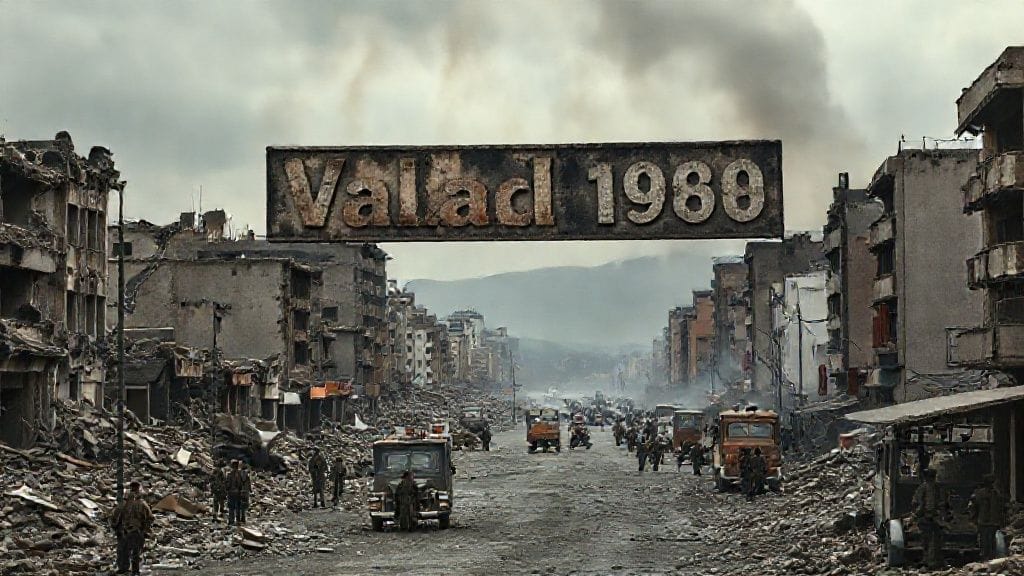
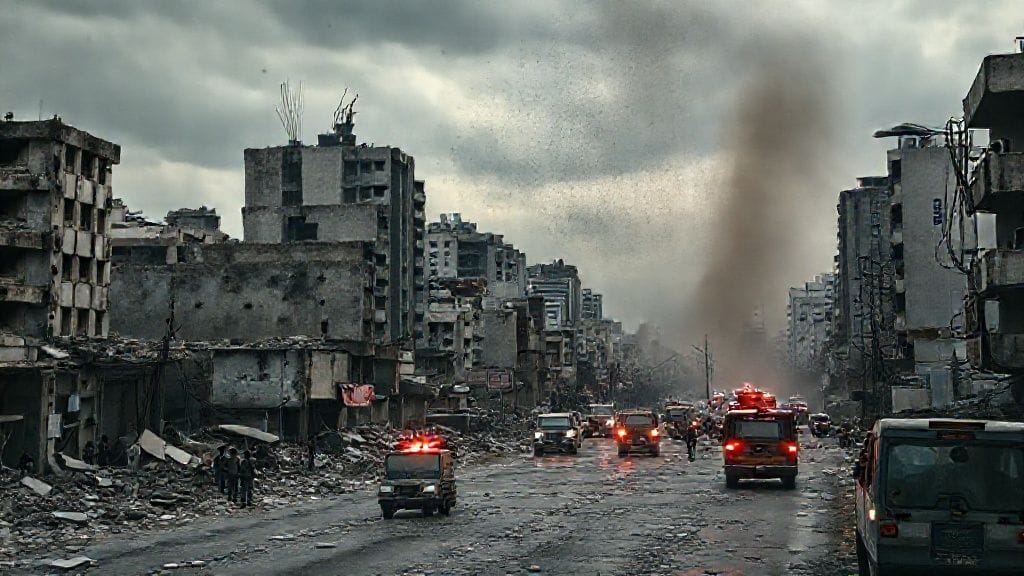
In the immediate hours following the quake, Caracas and La Guaira resembled scenes from a nightmare. Dust clouds hung over devastated blocks, the echoes of shouting and cries pierced an atmosphere thick with smoke and uncertainty.
Hospitals overflowed with the injured, some improvised in public squares. Firefighters struggled against multiple blazes triggered by ruptured gas pipes. Volunteers formed human chains extracting victims from rubble—acts of courage amidst despair.
Yet confusion reigned. Government agencies scrambled to coordinate rescue operations, hampered by limited communication capabilities. The meteorological threat of a tsunami loomed, prompting swift, if chaotic, coastal evacuations.
Despite calamity’s grip, solidarity emerged. Neighbors shared scarce water and food. Citizens transformed pain into action, embodying resilience that would define Venezuela’s recovery.
Emergency Response: Challenges Faced by Authorities and First Responders
The disaster posed an unprecedented test for Venezuela’s civil defense mechanisms. The government, still constructing its institutional response framework for emergencies, confronted immense logistical obstacles.
Transportation routes were severed; rubble-strewn streets stalled ambulances and heavy machinery. The capital’s rugged topography complicated search and rescue teams’ movements, especially in hillside neighborhoods where landslides blocked access.
Communications breakdown during the quake delayed early warnings and hampered coordination. Hospitals lacked sufficient beds and supplies for the scale of casualties.
Despite these hurdles, military units, police forces, and volunteer brigades mobilized rapidly, demonstrating a commitment well beyond institutional preparedness. Their efforts saved countless lives but also highlighted the pressing need for comprehensive disaster management planning.
Stories of Survival and Loss: Human Faces Amid the Rubble
Amid the ruins, individual stories unfolded—small miracles, human tragedies, and unyielding hope.
A mother in Caracas recounted sheltering her children beneath a sturdy doorframe as the house crumbled, fragments falling like deadly rain. A young firefighter in La Guaira described digging through collapsed homes with bare hands until deafening silence marked a life lost.
Perhaps most haunting was the tale of the Edificio Terrazas del Ávila, a residential building that collapsed completely, killing many entire families overnight. Recovery workers named it “the building of tears,” a symbol that haunted survivors and officials alike.
Yet survivors also told stories of unexpected heroes—a schoolteacher organizing a neighborhood evacuation on foot, a shopkeeper sharing food as rescue awaited.
These memories remain vivid testimonies to endurance and the human spirit amid devastation.
Critical Infrastructure Tested: Roads, Bridges, and Lifelines Severed
Beyond human suffering, the earthquake ruthlessly exposed Venezuela's infrastructural weaknesses. Major highways connecting Caracas with its coastal port were badly damaged, paralyzing essential supply chains.
In La Guaira, landslides blocked the via a Caracas–La Guaira highway, a vital link forged only a few years earlier, isolating communities and complicating aid deliveries. Bridges tilted, water mains ruptured, and power stations short-circuited.
The disaster underscored how a nation's core lifelines could unravel swiftly, threatening recovery and economic stability.
The rebuilding process would demand not only physical reconstruction but reimagining infrastructure resilience in a land prone to recurring seismic risks.
Economic Impact: When a Quake Shakes an Emerging Nation’s Ambitions
Venezuela’s economy in 1967 was buoyant, fueled by oil exports and urban growth. Yet the earthquake struck a sudden blow to this momentum.
Estimates suggested damages amounted to tens of millions of US dollars—an enormous figure for a developing country. Public buildings, private businesses, and cultural landmarks were lost or severely impaired.
Insurance coverage was limited, amplifying financial burdens on individuals and institutions. Delays in shipments at La Guaira port disrupted trade flows, and industrial production in Caracas slowed as factories sustained damage.
The disaster served as a stark warning: economic growth without disaster risk planning left nations vulnerable to nature’s unpredictable wrath.
Political Ramifications: Leadership under Pressure and National Unity Tested
President Raúl Leoni—Venezuela’s leader at the time—found his administration immediately thrust into crisis management. The government needed to reassure the population, coordinate responses, and secure resources amidst the tragedy.
The earthquake tested public confidence in official institutions and threatened political fractures in a nation already conscious of its internal divisions.
Yet in the face of disaster, a rare moment of national unity emerged. Political opponents and civil society groups set aside differences to contribute to relief efforts. This solidarity, punctuated by public speeches and symbolic gestures of openness, shaped Venezuela’s political landscape for months after.
However, critiques of slow governmental response would fuel calls for reforms in emergency preparedness and urban planning for years to come.
International Aid and Solidarity: The Global Response to Venezuela’s Call
Venezuela’s plight did not go unnoticed on the world stage. In the days following the quake, governments from Latin America, North America, Europe, and beyond dispatched aid and experts.
Relief shipments of food, medical supplies, and equipment landed in La Guaira’s port once it was partially cleared. Seismologists from the United States and Mexico offered technical support, aiding in aftershock monitoring and risk assessment.
International solidarity was a powerful expression of humanity’s shared vulnerabilities and an early example of coordinated disaster diplomacy in Latin America.
The Role of Seismology Post-1967: Advancements and New Efforts in Earthquake Preparedness
The Caracas-La Guaira earthquake galvanized scientific communities in Venezuela and worldwide. Geologists and seismologists intensified their study of the Caribbean seismic zone, advancing early-warning hypotheses and mapping fault lines with greater precision.
Venezuela’s government invested in seismic monitoring stations, conducted public education campaigns, and gradually implemented stricter building codes.
Though challenges remained, this marked a turning point in how the country understood and prepared for its geological threats.
Urban Planning Reimagined: How Caracas and La Guaira Transformed after the Disaster
The tragedy forced Venezuelan urban planners and policymakers to rethink the sustainability of their cities. Reconstruction efforts prioritized stronger buildings, improved roadways, and safer residential zones.
Slope stabilization projects were undertaken to reduce landslide risks. New regulations encouraged earthquake-resistant architecture and imposed limits on construction in high-risk areas.
Caracas’s rapid post-quake urbanization slowed momentarily as officials balanced growth aspirations with safety imperatives.
In La Guaira, coastal protections were enhanced, and emergency evacuation routes were carefully mapped—visible legacies of the disaster still etched into the cities’ landscapes.
Cultural Memory: Remembering the 1967 Earthquake in Venezuelan Society
Over decades, the Caracas-La Guaira earthquake has become an indelible chapter in Venezuela’s collective memory.
Annual commemorations honor victims and survivors alike, reconnecting generations with a defining moment of trauma and resilience. Museums and books preserve stories and artifacts, while oral histories pass down firsthand accounts.
Artists and writers have integrated the earthquake's imagery into works of painting and literature, capturing its emotional and societal echoes.
Through remembrance, Venezuela confronts the fragility of its existence and the enduring ties between human communities and the natural world.
Lessons Learned: Preparedness, Resilience, and the Price of Forgetting
What did Venezuela learn from the 1967 quake? Above all, that preparedness saves lives but demands attention long after the tremors cease.
Emergency systems were formalized, public awareness increased, and infrastructure was reinforced—but cycles of vigilance can wane. Later earthquakes, though less devastating, serve as reminders that learning must be continuous.
The event exposed social inequalities, urging broader reforms to protect vulnerable populations—an ongoing challenge for any disaster-prone society.
Thus, the earthquake stands as both somber history and an enduring call to resilience.
The Earthquake’s Legacy: A Warning for Future Generations
Fifty-plus years later, the shadow of the Caracas-La Guaira earthquake looms large. Scientists warn that the region remains vulnerable to future seismic shocks.
The earthquake's legacy is woven into urban policy, scientific research, and cultural consciousness as a cautionary tale against complacency.
Venezuela continues to balance ambition with caution—a delicate dance in a land where the earth beneath always remembers.
Reflection: Nature’s Power and Human Fragility in the Shadow of Catastrophe
Natural disasters reveal our fundamental vulnerability, but also our capacity for hope, solidarity, and renewal.
The 1967 earthquake was, above all, a human story—of shattered homes and lives rebuilt; of grief and compassion intertwined; of a nation learning humility and strength from the earth’s unpredictable roar.
As Caracas and La Guaira look to their futures, they do so with scars—visible and invisible—but also with an unbroken spirit that refuses to be defined by disaster alone.
Conclusion
The Caracas-La Guaira earthquake of July 29, 1967, was a moment when time seemed to fracture alongside the ground. It exposed the ambitions and frailties of a country on the cusp of modernization, rattling political structures, economies, and the human heart. Yet within the catastrophe arose resilience—born in the courage of first responders, the generosity of neighbors, and the resolve of a nation to learn and rebuild.
This event remains a powerful narrative about vulnerability and strength, a reminder to respect the unpredictable forces beneath our feet while fostering a spirit of preparedness and compassion above them. Venezuela’s experience in 1967 shapes not only how it faces future quakes but also how it understands itself—as a community inseparably tied to the ever-shifting earth beneath.
FAQs
Q: What was the magnitude of the Caracas-La Guaira earthquake in 1967?
A: The earthquake registered approximately 6.5 on the Richter scale, powerful enough to cause significant damage in both Caracas and La Guaira.
Q: How many casualties resulted from the earthquake?
A: Official estimates vary, but around 250 to 300 people lost their lives, with thousands injured and many more displaced.
Q: What geological factors caused this earthquake?
A: The quake was caused by the sudden movement along the El Pilar fault system, where the Caribbean Plate and South American Plate meet.
Q: How did the 1967 earthquake affect Venezuela’s urban development?
A: The disaster prompted stricter building codes, improved urban planning emphasizing seismic resistance, and greater attention to infrastructure safety.
Q: What role did international aid play in the aftermath?
A: Several countries sent humanitarian aid, technical experts, and supplies, which were crucial to relief efforts and helped strengthen Venezuela’s disaster response capacities.
Q: Is Venezuela still at risk of similar earthquakes today?
A: Yes, the region remains seismically active, with ongoing monitoring and preparedness efforts designed to mitigate future risks.
Q: How is the earthquake remembered in Venezuelan culture?
A: Through memorials, literature, art, education, and commemorative events, the earthquake remains a poignant part of Venezuela’s national memory.
Q: What lessons does the 1967 Caracas-La Guaira earthquake teach us?
A: It underscores the importance of disaster preparedness, resilient infrastructure, social equity in protection efforts, and the enduring human capacity for solidarity in crisis.