Table of Contents
- The Dawn of Catastrophe: Puerto Rico on October 11, 1918
- A Land Under Strain: Geological and Social Context of Early 20th Century Puerto Rico
- Puerto Rico’s Political and Economic Landscape in 1918
- The Earth’s Fury Unleashed: The Sequence of the 1918 Earthquake
- The Great San Fermín Earthquake: How It Formed and Struck
- Immediate Impact: Shattered Cities and Darkened Skies
- San Juan Shaken: The Capital’s Struggle with Disaster
- Ponce and Other Communities: Stories from the Southern Coast
- The Tsunami Warning and The Coastal Flooding
- The Human Toll: Lives Lost and Lives Changed Forever
- Emergency Response Amidst Limited Infrastructure
- The Role of the U.S. Government and Military in Rescue and Relief
- Puerto Rican Voices: Personal Accounts of Fear, Loss, and Hope
- The Quake’s Economic Aftershock: Agriculture, Trade, and Reconstruction
- Cultural Resonance: How the 1918 Earthquake Shaped Puerto Rican Identity
- Scientific Advances Sparked by the Disaster
- Lessons Learned: Earthquake Preparedness and Urban Planning in Puerto Rico
- Comparison with Other Historic Earthquakes in the Caribbean
- Remembering 1918: Commemoration and Collective Memory
- The Earthquake’s Place in U.S. Territorial History
- The Long Shadow: How 1918 Foreshadowed Future Geological Threats
- Conclusion: The Endurance of a People and the Ever-Present Power of Nature
- FAQs: Understanding the Puerto Rico Earthquake of 1918
- External Resource
- Internal Link
On the early morning of October 11, 1918, a violent tremor ruptured the fragile calm of Puerto Rico, a U.S. territory still grappling with the aftershocks of colonial transition and World War I’s shadow. It was a moment when the solid earth beneath homes, schools, and churches turned into a trembling beast, shaking the foundations of not just buildings but also of lives and community ties. Families awoke to walls cracking and streets splitting, the air heavy with dust and cries. This was the day when the Pacific’s restless edges sent a brutal message to the Caribbean: nature’s invisible fault lines are no respecter of borders or histories.
The Dawn of Catastrophe: Puerto Rico on October 11, 1918
As the sun began cast golden light over the island’s lush hills and busy port cities, the ground had already started to shudder. Residents recount the harrowing few seconds when the earth’s violent thrusts pitched them from sleep. Walls collapsed in an instant, and church bells tolled ominously amidst the chaos. The island was not only physically shaken but emotionally scarred. In towns like San Juan and Ponce, which bustled with post-war recovery energy, the quake was a brutal setback.
Yet, the earthquake was more than a natural disaster; it was a crucible testing the resilience of a territory entwined deeply with its colonial ties and rugged identity.
A Land Under Strain: Geological and Social Context of Early 20th Century Puerto Rico
Puerto Rico sits perched atop the complex interactions of the Caribbean and North American tectonic plates, a seismic hotspot prone to sudden jolts. The 1918 earthquake arose from this simmering geological tension, where the Puerto Rico Trench lies just north of the island—a deep underwater canyon known for producing significant quakes.
Socially, the island was a mosaic of cultures, largely shaped by Spanish colonial heritage, African ancestry, and newly intensified American political influence since the Spanish-American War of 1898. The early 1900s were marked by uncertainty and transformation, as U.S. governance imposed new political structures while local populations sought to preserve identity and autonomy. This duality underscored the fragility felt beneath the visible changes — much like the ground beneath their feet.
Puerto Rico’s Political and Economic Landscape in 1918
Economically, Puerto Rico was an agricultural powerhouse, exporting sugar, coffee, and tobacco globally. However, these industries rested on a fragile system of land ownership and labor exploitation inherited from its colonial past and exacerbated by market shifts and U.S. corporate interests. Politically, the Jones-Shafroth Act of 1917 had just granted U.S. citizenship to Puerto Ricans, an ambiguous status that brought pride but also reinforced the island’s liminal existence.
The earthquake would thus shake not only buildings but the fragile political equilibrium and economic structures that governed Puerto Rican life.
The Earth’s Fury Unleashed: The Sequence of the 1918 Earthquake
At approximately 3:15 a.m. local time, the seismic waves began rumbling beneath the northeastern coast near Aguadilla. The earthquake reached an estimated magnitude of 7.3, one of the strongest recorded in the region. The initial shockwave lasted about 30 seconds but was followed by several aftershocks lasting weeks.
The intensity was such that the entire island vibrated as if caught in a brutal embrace between the sky and the sea. This wasn’t just a single violent jolt; it was a series of shifting waves shaking foundations and nerves alike.
The Great San Fermín Earthquake: How It Formed and Struck
Known as the San Fermín earthquake—named after the nearby municipality of San Fermín in which the epicenter was located—this quake was caused by a sudden rupture on the tectonic boundary beneath the sea floor. Geologists later reconstructed how the fault line beneath the Puerto Rico Trench snapped, releasing immense tension accumulated over centuries.
This sudden displacement caused not only surface shaking but triggered a tsunami that compounded the destruction along the western coast.
Immediate Impact: Shattered Cities and Darkened Skies
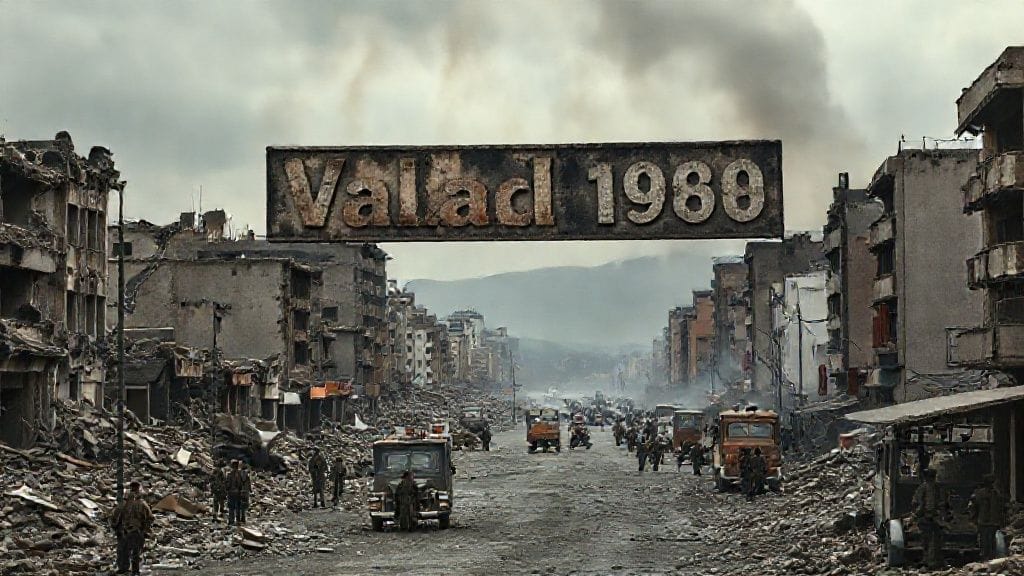
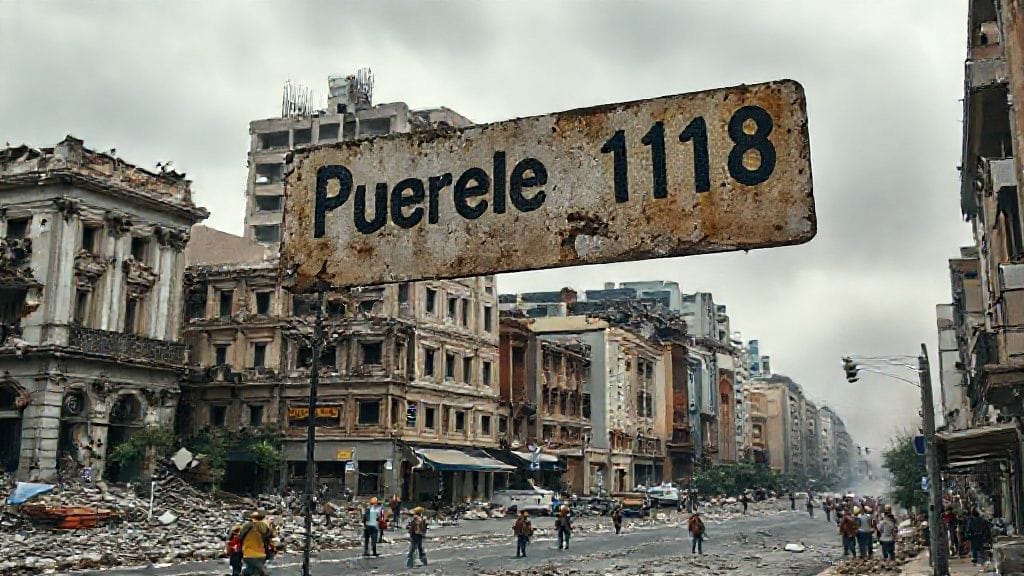
Ponce, one of Puerto Rico’s largest cities, saw vast portions of its buildings crumble. The old colonial architecture, proud but vulnerable, gave way under the violent shaking. In San Juan, churches whose spires had pierced the Caribbean sky for centuries were fractured, and public services were disrupted completely.
Communities were plunged into darkness as power lines failed, and fires broke out in some areas unable to be controlled due to broken water mains and scant firefighting capabilities.
San Juan Shaken: The Capital’s Struggle with Disaster
In the capital city, the earthquake revealed how deeply unprepared urban centers were for natural disasters. Buildings without earthquake-resistant design suffered catastrophic damage, and panic spread quicker than the aftershocks. Streets filled with displaced families huddling under the open sky.
Yet, the city’s vibrant community spirit soon mobilized volunteer efforts, creating improvised shelters and distributing aid—all while awaiting the arrival of government assistance.
Ponce and Other Communities: Stories from the Southern Coast
Ponce’s devastation was iconic; known as the “Pearl of the South,” the city lost prominent public buildings and many homes. The sense of loss was palpable, captured in poems and oral histories describing “the night the earth roared like a living giant.” Smaller villages along the southern coastline shared these tragedies, each with stories of loss and resilience, reminding us that such disasters weave into the very fabric of life.
The Tsunami Warning and The Coastal Flooding
Within minutes of the earthquake, coastal areas along Puerto Rico’s western shores were hit by a tsunami wave roughly 6 feet (about 2 meters) high. While modest compared to Pacific tsunamis, this wave submerged low-lying communities, washing away docks, boats, and coastal homes.
The dual impact of earthquake and tsunami devastated local fishing communities, disrupting livelihoods deeply dependent on the ocean.
The Human Toll: Lives Lost and Lives Changed Forever
Official death toll estimates vary but suggest that over 100 people perished, with hundreds more injured. Beyond numbers, the human stories of displacement, loss of livelihood, and psychological trauma permeated the island for decades.
Families were broken, with many forced to migrate internally or abroad, sowing seeds of a demographic shift that would affect Puerto Rican society throughout the 20th century.
Emergency Response Amidst Limited Infrastructure
Emergency services struggled to cope. Roads were blocked, communication networks disrupted, and medical facilities overwhelmed. Local leaders, clergy, and ordinary citizens stepped in, organizing rescue parties and makeshift hospitals.
The event exposed the glaring limitations of early 20th-century emergency infrastructure in Puerto Rico, catalyzing debates about modernization and public safety that would echo for years.
The Role of the U.S. Government and Military in Rescue and Relief
As a U.S. territory, Puerto Rico’s disaster response was deeply entangled with federal institutions. The U.S. Army Corps of Engineers and other agencies were mobilized to assist rescue efforts, reconstruct damaged infrastructure, and provide basic supplies.
However, tensions existed regarding the adequacy and speed of aid, revealing the complexities of colonial governance and the struggle for Puerto Rican agency in disaster response.
Puerto Rican Voices: Personal Accounts of Fear, Loss, and Hope
Diaries, letters, and newspaper excerpts offer vivid glimpses into how ordinary Puerto Ricans experienced the quake. One account from a young woman in Mayagüez recalls, “The earth groaned below us like a beast waking from slumber; I thought we would all be swallowed.” Yet amid despair, stories of solidarity emerge—neighbors sharing food, strangers sheltering families, and communities rebuilding together.
These voices add a profoundly human layer beneath the geophysical facts.
The Quake’s Economic Aftershock: Agriculture, Trade, and Reconstruction
In the quake’s aftermath, Puerto Rico confront an economic crisis. Crops were damaged by unstable ground and subsequent flooding; key ports endured partial destruction hampering exports; local businesses faltered as credit tightened.
Reconstruction took years, financed partly by aid but also by the labor and tenacity of Puerto Rican workers and farmers reviving the island’s economy brick by brick.
Cultural Resonance: How the 1918 Earthquake Shaped Puerto Rican Identity
Beyond the tangible damage, the earthquake left an imprint on Puerto Rican culture. Writers, musicians, and artists incorporated themes of nature’s power and human endurance into their work, feeding a growing sense of island pride mixed with cautionary respect for natural forces.
Folklore and public commemorations intertwined with nationalistic sentiments, as Puerto Ricans faced the dual challenge of political uncertainty and environmental volatility.
Scientific Advances Sparked by the Disaster
In the earthquake’s wake, scientists and engineers analyzed the event meticulously. It helped improve understanding of Caribbean tectonics and motivated early efforts to design earthquake-resistant buildings in the region.
Institutions like the U.S. Geological Survey expanded monitoring programs. The 1918 quake became a cornerstone in Caribbean seismology, guiding future disaster preparedness.
Lessons Learned: Earthquake Preparedness and Urban Planning in Puerto Rico
Puerto Rico’s government initiated revisions to building codes and emergency protocols, albeit slowly. Schools began earthquake drills decades later, and urban planners incorporated safer designs, especially in the most vulnerable coastal zones.
The 1918 tragedy was a harsh lesson that resonates even today, as the island continues to live under the shadow of seismic uncertainty.
Comparison with Other Historic Earthquakes in the Caribbean
The 1918 Puerto Rico earthquake stands among the deadliest and most impactful quakes in Caribbean history, rivaling the 1692 Port Royal earthquake in Jamaica and later ones like those in Haiti.
Its relative rarity underlines how rare yet devastating such events are in this region, shaping disaster mythology and management in the Caribbean basin.
Remembering 1918: Commemoration and Collective Memory
Annual remembrances and historical exhibits keep the San Fermín earthquake alive in Puerto Rican collective memory. It serves as both a cautionary tale and a testament to resilience, linking generations through shared history.
This cultural remembrance helps mobilize ongoing dialogue about climate, environment, and emergency readiness.
The Earthquake’s Place in U.S. Territorial History
The 1918 earthquake marks a pivotal moment within U.S. colonial history in the Caribbean. It tested both the limits of federal support and the ability of Puerto Ricans to assert their voice amid a crisis.
The event remains a symbol of the complex interplay between island autonomy and American oversight.
The Long Shadow: How 1918 Foreshadowed Future Geological Threats
Nearly a century later, Puerto Rico continues facing significant earthquake risks, as witnessed by tremors in the 2010s. The lessons of 1918 echo in modern preparedness programs and ongoing seismic monitoring, a stark reminder that nature’s power endures beyond human memory.
Conclusion: The Endurance of a People and the Ever-Present Power of Nature
The Puerto Rico earthquake of October 11, 1918, was more than a geological shock—it was a moment of collective upheaval that tested the island’s social fabric, political structures, and human spirit. In the face of simultaneous natural fury and fragile governance, Puerto Ricans demonstrated profound resilience, weaving their trauma into a narrative of endurance and hope. Today, as seismic waves still ripple beneath the Caribbean, the story of 1918 serves as both a warning and an inspiration—a testament to how people can rise, rebuild, and remember.
FAQs
Q1: What caused the 1918 Puerto Rico earthquake?
A1: The earthquake was caused by a rupture along the tectonic boundary between the Caribbean and North American plates near the Puerto Rico Trench, where accumulated stress was suddenly released.
Q2: How strong was the earthquake and what was its magnitude?
A2: The earthquake is estimated to have had a magnitude of about 7.3, making it one of the most powerful in Puerto Rico’s recorded history.
Q3: How did the earthquake affect Puerto Rico’s population at the time?
A3: More than 100 people died, many were injured or displaced, and the disaster caused widespread trauma and economic hardship, affecting communities island-wide.
Q4: What role did the U.S. government play in the disaster response?
A4: The U.S. military and federal agencies provided aid and reconstruction assistance, but their efforts were sometimes hampered by logistical challenges and the complexities of colonial governance.
Q5: How did the earthquake impact Puerto Rico’s economy?
A5: The quake damaged crucial agricultural land, ports, and infrastructure, disrupting exports and local businesses, which made recovery difficult and lengthy.
Q6: What lasting changes did the earthquake bring to Puerto Rico?
A6: It spurred early scientific study of Caribbean seismology, improved emergency preparedness and building codes, and became a poignant cultural symbol of resilience.
Q7: How is the 1918 earthquake remembered in Puerto Rico today?
A7: Through commemorations, education, and cultural works that honor the victims, promote disaster awareness, and reinforce community solidarity.
Q8: Are earthquakes still a significant threat to Puerto Rico?
A8: Yes, Puerto Rico remains vulnerable due to its tectonic setting; ongoing monitoring and preparedness are critical for future safety.