Table of Contents
- The Shattering Morning: Dawn of Destruction in Bocas del Toro
- A Quiet Archipelago on the Edge of Fire
- The Geological Timebomb: Understanding Panama’s Tectonic Setting
- The Calm Before the Quake: Cultural and Social Life in Bocas del Toro
- April 22, 1991: When the Earth Roared
- The Immediate Aftermath: Chaos, Confusion, and Courage
- Voices from the Rubble: Survivors’ Stories and Community Resilience
- The Human Toll: Casualties, Displacement, and Trauma
- Emergency Response and the Role of Panamanian Institutions
- International Aid and Geopolitical Interest in the Wake of the Disaster
- Science in Action: Seismologists Deciphering the Event
- Rebuilding Lives: Recovery Efforts and Reconstruction Challenges
- Economic Ripples: Impact on Local and National Economy
- Environmental Consequences: Changes to the Landscape and Ecosystems
- Cultural Memory: How Bocas del Toro Remembers its 1991 Earthquake
- Lessons Learned: Improving Disaster Preparedness in Panama
- The Earthquake’s Place in Central American Seismic History
- The Unseen Shifts: Long-Term Social and Psychological Effects
- Narratives of Hope: Community Solidarity and Renewal
- From Tragedy to Awareness: Panama’s Path to Seismic Vigilance
1. The Shattering Morning: Dawn of Destruction in Bocas del Toro
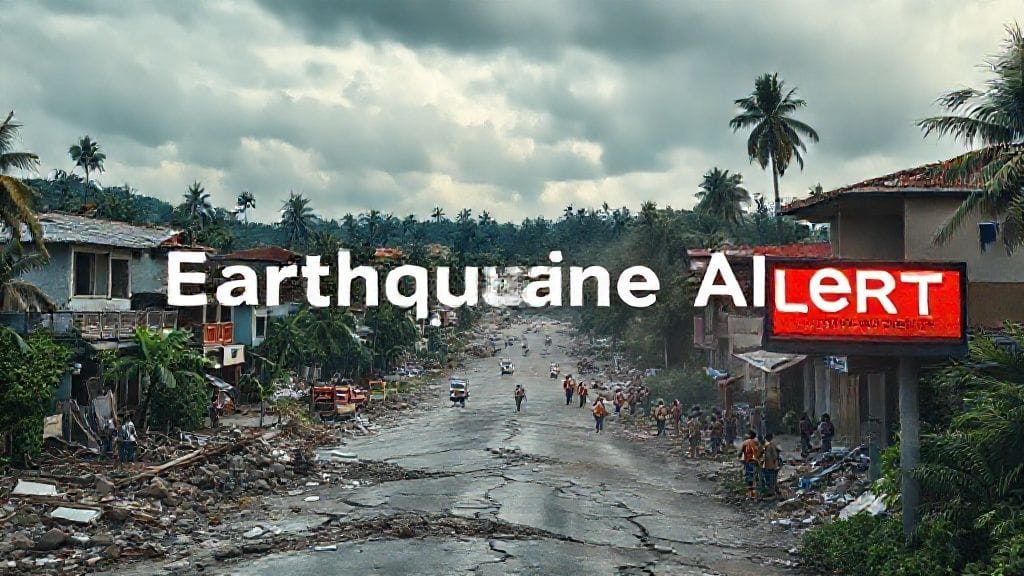
On the morning of April 22, 1991, as the gentle Caribbean breeze danced through the palm leaves of Bocas del Toro, life was unfolding in its usual serene rhythm. Fishermen prepared their boats, children laughed along the sandy shores, and the markets buzzed with the vibrant colors and scents of tropical fruit. But beneath this idyll, a colossal force was gathering strength—one destined to rupture the earth and transform this peaceful region irrevocably. Then, without warning, the ground convulsed violently, a thunderous roar tearing through the calm. Buildings shuddered, roads split apart, and decades of daily routines fractured in moments. The 1991 Bocas del Toro earthquake had struck, inscribing a new chapter of pain and resilience into Panama’s history.
That dawn marked not just a geological event, but a human catastrophe woven with stories of loss, bravery, and the profound will to rebuild. The earth’s rage was terrifyingly swift, yet it sparked an enduring lesson about the fragile dance between nature and society on this Central American crossroads.
2. A Quiet Archipelago on the Edge of Fire
Bocas del Toro, an archipelago nestled on Panama’s northwestern Caribbean coast, is a land of striking beauty and cultural diversity. Known for its lush rainforests, vibrant Afro-Caribbean communities, and burgeoning tourism sector, the islands held an almost timeless tranquility. However, this serenity masked a harsh geological reality. Panama lies in a stretch of the earth’s crust cradled between the Caribbean and South American tectonic plates—a zone notoriously prone to seismic unrest.
Despite its picturesque appearance, the islands stood atop a fault line capable of releasing pent-up tensions that had built over centuries. Earthquakes were not foreign, but their infrequency lulled residents into a reassuring complacency. The region's geophysical activity remained largely underappreciated by locals and officials alike, an impending threat cloaked in nature’s lush facade.
3. The Geological Timebomb: Understanding Panama’s Tectonic Setting
To grasp the force behind the Bocas del Toro quake, one must consider the dynamic tectonic tapestry beneath Central America. Panama is a complex junction where the Caribbean Plate grinds against the South American Plate, producing strain accumulation along faults that weave beneath the sea and land. This seismic clashing fuels not only earthquakes but volcanic activity spread along the Central American volcanic arc.
The Bocas del Toro earthquake originated on a fault system less studied than its more explosive volcanic neighbors. Along these hidden fractures, pressures accumulate silently until sudden release unleashes devastating tremors. In April 1991, a rupture estimated at magnitude 7.0 violently altered the underwater fault near the archipelago, rattling both sea and shore.
Seismologists would later reveal how this event illuminated Panama’s seismic vulnerability—especially in regions where the earth’s movements often flash beneath the ocean’s surface without warning.
4. The Calm Before the Quake: Cultural and Social Life in Bocas del Toro
In the days and months preceding the disaster, Bocas del Toro was alive with cultural pulse. Afro-Panamanian traditions flourished alongside indigenous Ngäbe and Buglé influences. Markets overran with handcrafted goods, while Reggae beats and Calypso rhythms filled the air during vibrant festivals. Fishing was both a livelihood and anchor of community, with daily catches reflecting generations-old knowledge of the sea.
Yet, paradoxically, this close-knit society was ill-prepared for seismic havoc. Disaster preparedness infrastructure was minimal, with inadequate communication networks and loosely coordinated emergency plans. Stories from survivors confirm a striking absence of official warnings or drills, underscoring a dangerous gap between cultural vibrancy and disaster readiness.
5. April 22, 1991: When the Earth Roared
At precisely 11:37 AM local time on April 22, the earth’s crust ruptured violently. An underwater fault shifted abruptly, sending shockwaves racing through the archipelago. Panic erupted instantly. Buildings that had stood for decades cracked and tumbled; roads fractured into yawning chasms; and communities were thrown into disarray.
Eyewitnesses recount the terrifying moments: “The ground shook like a beast, and the sea roared as if swallowed by fire,” recalled Maria Castillo, a local schoolteacher. “We ran into the open, the air filled with dust and cries.” In less than a minute, the earthquake’s main shock had devastated homes and infrastructure, its aftershocks prolonging the ordeal for hours.
Though the islands’ relatively sparse population limited casualties, the psychological shock was profound. The earthquake shattered the collective sense of safety and exposed vulnerabilities that no one had dared confront openly until then.
6. The Immediate Aftermath: Chaos, Confusion, and Courage
When the trembling ceased, silence fell—a fragile calm amidst evident ruin. Rescue efforts became frantic as communities checked on their neighbors. Makeshift shelters sprang up as displaced families huddled under tarps and palm fronds. Communication lines severed by the quake delayed contact with Panama City, deepening the sense of isolation.
Yet amid the chaos, stories of human courage shone brightly. Fishermen used their boats to deliver supplies and transport the injured. Teachers and elders organized aid distribution, while local leaders implored calm and unity. This was a community grappling with catastrophe not as isolated victims, but as intertwined kin, drawing strength from shared identity.
7. Voices from the Rubble: Survivors’ Stories and Community Resilience
Survivors’ testimonies bring visceral humanity to the disaster’s narrative. Manuel Rodríguez, a fisherman whose home collapsed, described how neighbors rescued his elderly mother and shared precious food supplies: “We had nothing, but we gave everything to help each other.”
Another harrowing account came from young Rosa Pérez, who recalled hiding beneath a desk during the quake’s peak, and then organizing aid for children who had lost parents. These voices underscore both the trauma wrought by the disaster and the boundless resilience of a community summoned by emergency to care, persist, and rebuild.
8. The Human Toll: Casualties, Displacement, and Trauma
While Bocas del Toro was spared a death toll as high as other global earthquakes, the human cost was nonetheless heavy. Official records documented dozens of fatalities and hundreds injured—numbers that, for a close-knit society, translated into wrenching personal losses.
Beyond immediate injuries, displacement uprooted thousands as homes crumbled or became unsafe. Families fragmented, and the psychological scars lingered long after physical wounds healed. In the following years, studies revealed increased rates of post-traumatic stress disorder and depression—a reminder that the earthquake’s aftershocks reached far beyond the ground.
9. Emergency Response and the Role of Panamanian Institutions
The national response to the Bocas del Toro earthquake revealed both strengths and gaps. Panama’s government mobilized the military and civil defense forces to assist with rescue, medical aid, and infrastructure repair. However, limited resources and challenging geography complicated relief efforts. Transportation of supplies relied heavily on sea routes, vulnerable to aftershocks and weather.
Critics noted a lack of preexisting disaster protocols, calling attention to the need for improved early warning systems and community education. The earthquake became a catalyst for governmental reflection, spurring policy dialogues that aimed to prevent such vulnerabilities in future crises.
10. International Aid and Geopolitical Interest in the Wake of the Disaster
News of the devastation prompted offers of aid from neighboring countries and international organizations. Relief funds, medical teams, and technical experts arrived from Costa Rica, the United States, and the United Nations.
While the humanitarian response was welcomed, it also brought geopolitical undertones. Foreign aid occasionally stirred debates over sovereignty and influence in Panama, especially given the country’s strategic location near the Panama Canal. Yet, the shared human tragedy transcended politics for many on the ground, reinforcing bonds across borders.
11. Science in Action: Seismologists Deciphering the Event
The 1991 earthquake served as a vital case study for seismologists keen to understand Central America’s enigmatic geology. Using seismic data, researchers mapped the fault rupture and aftershock patterns, revealing new insights into plate interactions.
This scientific engagement helped contextualize Panama’s place within the broader tectonic jigsaw and emphasized the urgent need for ongoing monitoring. Subsequent investment in seismic stations and data networks grew directly from lessons learned in Bocas del Toro.
12. Rebuilding Lives: Recovery Efforts and Reconstruction Challenges
Reconstruction in Bocas del Toro was a long, arduous process. Rebuilding homes and public infrastructure demanded significant investment, while careful planning sought to incorporate seismic-resistant designs—an unprecedented approach for the region.
But challenges abounded: funding was limited; skilled labor and materials scarce; and balancing rapid reconstruction with safety required patience and determination. Local communities played a crucial role in guiding restoration efforts that respected cultural traditions and livelihoods, ensuring that new structures blended heritage with resilience.
13. Economic Ripples: Impact on Local and National Economy
The earthquake’s tremors extended beyond bricks and mortar, shaking Bocas del Toro’s local economy and Panama’s national finances. Fishing yields declined temporarily due to disrupted activities and damaged boats; tourism, a growing sector, slowed as infrastructure took time to restore.
The government allocated emergency funds, diverting resources from other development plans. Yet the tragedy was also a turning point—it underscored the economic cost of neglecting disaster preparedness and sparked conversations about sustainable development in seismically vulnerable regions.
14. Environmental Consequences: Changes to the Landscape and Ecosystems
Nature bore its own scars from the quake. Land shifts altered coastal lines, and underwater fault movement disrupted coral reef habitats critical for biodiversity and fisheries. Erosion and landslides affected freshwater sources, compounding ecological strain.
Scientific observations in the months following the event documented these transformations, highlighting the intimate link between geological events and environmental health. Recovery would involve not only human reconstruction but also ecological restoration.
15. Cultural Memory: How Bocas del Toro Remembers its 1991 Earthquake
Over decades, the Bocas del Toro earthquake has assumed a symbolic place in local memory. Annual commemorations honor those lost and celebrate the community’s endurance. Oral histories, songs, and art express the trauma and hope born from that fateful day.
This collective remembrance strengthens social cohesion and keeps alive lessons vital for future generations. The earthquake is no longer only a devastating past event but a living part of the archipelago’s identity, binding past, present, and future.
16. Lessons Learned: Improving Disaster Preparedness in Panama
The shockwaves of 1991 extended beyond the immediate crisis, inspiring a new era of awareness in Panama. Disaster management policies were reexamined, with increased emphasis on early warning systems, community education, and infrastructure standards.
Non-governmental organizations and academic institutions initiated public workshops, fostering a culture of preparedness. Though challenges remain, the earthquake spurred invaluable progress in the interplay between science, government, and citizens toward safer futures.
17. The Earthquake’s Place in Central American Seismic History
While overshadowed by more catastrophic quakes elsewhere in the region, the Bocas del Toro earthquake holds a distinct place within Central America’s seismic record. It exposed Panama’s unique geological position as a transitional zone with specific risks and prompted comparative studies across neighboring countries.
The event enriched scientific understanding and regional cooperation on seismic risk reduction—vital for a corridor marked by powerful tectonic movements.
18. The Unseen Shifts: Long-Term Social and Psychological Effects
Beyond the physical damage, Bocas del Toro wrestled with lasting social and psychological disruptions. Families fractured, traditional livelihoods altered, and a pervasive sense of insecurity lingered in the collective psyche.
Mental health services were scarce, and stigma around trauma complicated recovery. Over time, however, community initiatives have addressed these hidden wounds, weaving resilience into the fabric of daily life with initiatives promoting healing and social solidarity.
19. Narratives of Hope: Community Solidarity and Renewal
From the rubble emerged stories of hope and renewal. Communities rebuilt not just homes, but social networks, reinforcing bonds that enabled cooperative problem-solving and mutual care. Children returned to schools; fishermen set sail anew; festivals resumed their rhythms.
These narratives of courage and compassion stand as testimony to the human spirit’s capacity to adapt and flourish, even after the earth itself has shifted violently beneath one’s feet.
20. From Tragedy to Awareness: Panama’s Path to Seismic Vigilance
Today, the legacy of the Bocas del Toro earthquake is a country more aware of its geological fragility and the need for vigilance. Modern Panama balances development and conservation with careful attention to seismic risks—a testament to lessons learned from 1991’s ordeal.
As seismic monitoring technologies advance and communities grow more resilient, the memory of that April day continues to inform policies and people alike, ensuring that the tremor’s echo serves not only as a warning but as a catalyst for preparedness, solidarity, and hope.
Conclusion
The 1991 Bocas del Toro earthquake was more than a natural disaster—it was a profound moment of transformation for Panama’s northwestern archipelago and beyond. The ground may have cracked and buildings fallen, but the human spirit emerged unbroken, binding communities through shared grief, mutual aid, and steadfast resolve to rebuild.
This event forever altered Panama’s relationship with its earth, awakening a collective consciousness about nature’s unpredictable power and the necessity of preparedness. Through the voices of survivors, scientific inquiry, and cultural memory, the earthquake’s legacy becomes a mosaic of pain and perseverance. It reminds us that even in moments when the ground beneath us trembles, humanity’s capacity to rise and renew remains unshaken.
FAQs
1. What caused the Bocas del Toro earthquake of 1991?
The earthquake was caused by the sudden rupture of an underwater fault along the boundary between the Caribbean and South American tectonic plates near Panama’s northwest. This fault movement released accumulated geological stress, producing a magnitude 7.0 tremor.
2. How severe was the damage caused by the earthquake?
While Bocas del Toro’s low population density limited casualties compared to larger urban centers, the earthquake destroyed numerous homes and infrastructure, displaced thousands, and caused dozens of fatalities. The event severely disrupted local economies and communities.
3. How did the Panamanian government respond to the disaster?
The government mobilized military and civil defense units to aid rescue and recovery but faced challenges due to limited disaster preparedness, inadequate infrastructure, and logistical difficulties on the islands.
4. Did the earthquake lead to changes in Panama’s disaster preparedness policies?
Yes. The earthquake exposed gaps in early warning systems and emergency response, prompting policy reforms, public education campaigns, and investment in seismic monitoring to improve preparedness.
5. What was the environmental impact of the earthquake?
The quake altered coastal landscapes, damaged coral reefs vital to marine biodiversity, and triggered landslides and erosion that affected freshwater supplies and ecosystems.
6. How is the earthquake remembered in Bocas del Toro today?
The disaster is commemorated annually through community ceremonies, oral histories, and cultural expressions that honor victims and celebrate resilience, embedding the event into the archipelago’s collective identity.
7. What role did international aid play after the earthquake?
International assistance provided crucial medical support, supplies, and technical expertise. This aid helped accelerate recovery but also highlighted geopolitical sensitivities given Panama’s strategic location.
8. How did the earthquake affect Panama’s economy?
Short-term impacts included disruption to fishing and tourism—the pillars of the local economy—while national finances were strained by emergency responses. The disaster underscored the cost of inadequate disaster planning for economic stability.