Table of Contents
- The Earthquake That Shook a Nation: August 24, 2016
- Central Italy’s Heart Beneath the Tremors: Geographic and Cultural Setting
- Prelude to Disaster: The Seismic History of the Apennines
- Dawn Under Threat: The Early Hours of Disaster
- The First Shakes: Detecting the Earth’s Relentless Fury
- Amatrice in Ruins: The Immediate Aftermath
- Voices from the Rubble: Human Stories of Survival and Loss
- Emergency Response and Rescue: A Race Against Time
- The Role of Technology: Seismology Meets Crisis Management
- Italy’s Historical Vulnerabilities: A Nation Built on Fragile Grounds
- Government and Community Reactions: Between Solidarity and Criticism
- The Ripple Effect: Impact on Neighboring Towns and Regions
- Geological Insights: What the Earthquake Revealed to Scientists
- Rebuilding Amidst Ruins: Challenges and Controversies
- Remembering Amatrice: Memorials, Art, and Collective Memory
- Lessons Learned: Disaster Preparedness in Italy’s Mountainous Terrain
- The International Response and Humanitarian Aid
- Long-Term Economic and Social Consequences
- The Psychological Impact: Trauma and Resilience
- Media Coverage: Shaping Public Perception of the Disaster
- Amatrice Today: From Devastation to Renewal
- The Legacy of a Tremor: How 2016 Changed Central Italy Forever
- Conclusion: Endurance in the Face of Earth’s Fury
- FAQs: Understanding the Amatrice Earthquake
- External Resource
- Internal Link
The Earthquake That Shook a Nation: August 24, 2016
At dawn on August 24, 2016, tranquility reigned over the quiet mountain town of Amatrice in Central Italy. The air was thick with the summer heat, the sun barely beginning its ascent over the Apennine Mountains. Suddenly, the ground beneath trembled with an ancient fury, pitching the town and its neighbors into chaos. In a mere matter of seconds, the fragile earth transformed familiar streets into piles of rubble and silenced countless voices forever. What followed was not only a rescue operation but also a profound testament to human resilience and the longstanding relationship between man and a volatile land.
The Amatrice earthquake was not just a seismic event—it was a narrative of lives disrupted, histories shattered, and a community confronted with the immense power of nature. This article aims to unfold the story of that fateful morning, the deep roots of the disaster, and the enduring legacy it carved into Italy’s national consciousness.
Central Italy’s Heart Beneath the Tremors: Geographic and Cultural Setting
Nestled within the rugged spine of the Apennines, Amatrice was more than a dot on a map. It was a place woven from centuries of history, culture, and tradition. Known for its picturesque medieval architecture and famous culinary heritage—especially the renowned “Spaghetti all'Amatriciana”—Amatrice represented quintessential Italian rural charm.
Yet, beneath this serene surface lay a geological vulnerability. The Apennine mountain range is a seismic hotspot, shaped by the complex interplay of tectonic plates. This mountainous terrain had challenged settlers since Roman times with its unstable ground, but also provided rich soils and natural fortifications that made human habitation possible for millennia.
Prelude to Disaster: The Seismic History of the Apennines
Italy, perched atop the convergent boundary between the African and Eurasian plates, has a long, tumultuous relationship with earthquakes. The Apennines themselves are the product of this tectonic struggle, bending and fracturing over millions of years. Throughout history, Central Italy has witnessed devastating quakes—from the destruction of L’Aquila to the even more catastrophic events during the Middle Ages.
The region around Amatrice had not escaped geological awakenings before. Smaller tremors and foreshocks frequently rattled the area, often dismissed by locals as mere murmurs of the earth’s restlessness. Scientists had long warned about the potential for a major earthquake in this region, but predicting the exact time and magnitude remained elusive.
Dawn Under Threat: The Early Hours of Disaster
The morning of August 24 began unremarkably. Families woke, shops prepared to open, and hikers planned their routes through the nearby Gran Sasso mountains. Without warning, at 3:36 a.m., the earth’s crust ruptured along a fault near Accumoli, unleashing a magnitude 6.2 earthquake with an intensity that reached XI on the Mercalli scale—devastating in every sense.
For a small, mountainous town accustomed to silence, the violence of this sudden shake was incomprehensible. Buildings groaned, ancient stone walls split, and the very ground convulsed as if trying to expel a deep-seated pain. To those trapped in their homes, the nightmare was immediate and unforgiving.
The First Shakes: Detecting the Earth’s Relentless Fury
Seismographs registered the initial mainshock, but it was the swift succession of aftershocks—numerous tremors surpassing magnitude 5—that deepened the terror. Many survivors described the experience as a relentless pounding, like a wrathful god unyielding in its punishment.
Emergency services scrambled to assess the damage, while the Italian National Institute of Geophysics and Volcanology (INGV) worked tirelessly to provide real-time data. These efforts were crucial for coordinating rescue operations, even as the earth continued to shudder unpredictably.
Amatrice in Ruins: The Immediate Aftermath
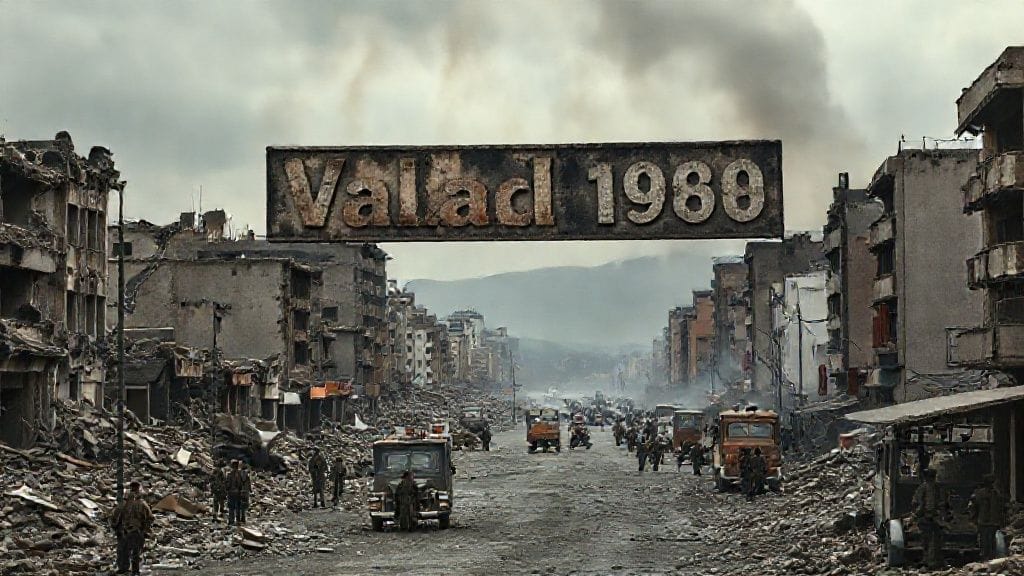
Walking through Amatrice in the hours following the quake was like entering a ghost town. Historic churches lay shattered; centuries-old palazzi had crumbled; homes were reduced to piles of stone and timber. Concrete highways cracked open; landslides carved fresh scars into the verdant landscape.
Official reports tallied 299 lives lost, but behind every number lay a story—families torn apart, childhoods abruptly ended. Entire neighborhoods vanished under the weight of fallen debris. Power, water, and communications were severely disrupted, compounding the chaos.
Voices from the Rubble: Human Stories of Survival and Loss
Amid the devastation arose stories of extraordinary courage and heartbreak. One rescuer recalled the sight of a child, miraculously unharmed, wrapped in a dusty blanket amidst the debris. Another recounted a family trapped beneath a collapsed home, communicating through faint knocks until dug free after hours.
Survivors grappled with grief, shock, and disbelief. Elderly residents struggled with mobility in the rubble; many described the harrowing choice between escape and searching for loved ones. Yet, community solidarity flourished. Strangers became saviors; local volunteers joined professional teams, forging bonds amid the tragedy.
Emergency Response and Rescue: A Race Against Time
Italy’s Civil Protection Department mounted an immediate and massive response. Helicopters, ambulances, and teams of firefighters, geologists, and medical staff converged on the disaster zone. Italy’s military and police supported the effort, coordinating transport and safety.
However, the mountainous terrain and damaged roads hindered rapid access. Weather conditions, including intermittent rain, worsened the situation, threatening survivors and complicating rescue logistics. Every minute mattered; the chance of finding survivors diminished with time.
International assistance also arrived—search and rescue teams from Greece, Romania, and other countries offered expertise and resources. The world watched as Italy faced one of its most challenging natural disasters in recent history.
The Role of Technology: Seismology Meets Crisis Management
High-tech tools played a pivotal role. Drones captured aerial images of the destruction; satellite data mapped landslides; thermal cameras helped locate heat signatures beneath debris. Social media platforms helped families locate missing relatives and compassaged relief efforts.
Scientific advances also deepened the understanding of the fault mechanics. Mapping the rupture zone and aftershock patterns provided invaluable data both for immediate response and future risk assessment.
Italy’s Historical Vulnerabilities: A Nation Built on Fragile Grounds
Amatrice’s calamity reflected a broader Italian challenge. Many historic towns are perched precariously atop geological fault lines, often with aging infrastructure ill-prepared for large-scale seismic events. This tragedy reopened debates about building codes, urban planning, and preservation versus modernization.
The great paradox of Italy lies in its cultural wealth—historic stone buildings treasured worldwide yet vulnerable to modern hazards. Balancing heritage conservation and safety remains an ongoing national quandary.
Government and Community Reactions: Between Solidarity and Criticism
In the wake of the earthquake, national leadership expressed solidarity and vowed reconstruction aid. However, criticism surfaced regarding the adequacy of emergency preparedness and bureaucratic delays. Residents questioned why better preventive measures had not been in place.
The situation laid bare the complexity of governance in disaster-prone regions and the challenge of aligning swift humanitarian needs with administrative frameworks. Grassroots movements advocating for improved seismic resilience gained momentum.
The Ripple Effect: Impact on Neighboring Towns and Regions
Though Amatrice suffered the epicenter’s brunt, neighboring municipalities such as Accumoli and Arquata del Tronto also endured immense damage and casualties. Regional economies faced shocks; tourism dropped sharply; traditional local industries struggled to recover.
The earthquake’s psychological toll radiated beyond the immediate terrain, touching the broader Italian population already sensitive to seismic anxieties. Commemoration ceremonies and solidarity events highlighted this shared national pain.
Geological Insights: What the Earthquake Revealed to Scientists
For geologists and seismologists, the Amatrice earthquake offered stark insights into the Apennine’s fault network. The rupture provided tangible evidence about stress accumulation and the unpredictable timing of quakes.
The observation of surface faulting and aftershock sequences challenged existing models, pushing researchers to refine hazard maps and emergency protocols. Italy’s scientific community rallied to translate these findings into practical applications.
Rebuilding Amidst Ruins: Challenges and Controversies
Reconstruction was daunting. Restoring infrastructure, housing, and historic monuments required vast resources and delicate craftsmanship. Authorities faced the dilemma of whether to rebuild as before or to embrace modern safety standards.
Some townspeople feared losing the authentic character of their homes; others urged stronger measures against future disasters. Delays due to funding, bureaucracy, and complicated terrain exacerbated the anguish. Yet, innovative architectural projects began to emerge, blending tradition and resilience.
Remembering Amatrice: Memorials, Art, and Collective Memory
Commemoration took many forms. Memorial plaques dotted the town; annual ceremonies honored victims; artists created poignant tributes capturing the tragedy and hope intertwined in Amatrice’s story. Literature and film documented the human dimensions, ensuring the quake would never fade from public consciousness.
This collective memory transcended local boundaries, prompting Italy and the world to reflect on vulnerability, solidarity, and survival amid nature’s forces.
Lessons Learned: Disaster Preparedness in Italy’s Mountainous Terrain
The Amatrice earthquake highlighted urgent needs in disaster preparedness: better early warning systems, rigorous building inspections, community education, and coordinated emergency planning. The event served as a wake-up call for policy reform and investment in resilience.
Civil protection agencies embraced technological innovations and fostered increased public engagement. The hope was to minimize suffering in future seismic events, transforming tragedy into a source of enduring wisdom.
The International Response and Humanitarian Aid
Beyond Italy’s borders, the earthquake elicited solidarity. European nations, NGOs, and global agencies mobilized funds and assistance. The event reinforced the importance of cross-border cooperation in disaster response.
International experts exchanged knowledge on seismic risk reduction, while humanitarian convoys delivered vital food, medicine, and shelter kit. This global dimension underscored shared vulnerability on a planet shaped by ever-shifting forces.
Long-Term Economic and Social Consequences
The economic blow was severe. Agriculture, tourism, and small enterprises suffered prolonged setbacks. Families displaced from homes faced uncertain futures. Government aid and European Union funds became lifelines yet covered only part of the costly recovery.
Social cohesion was tested by displacement and loss, but new communal initiatives sought to rebuild not just structures but also the social fabric.
The Psychological Impact: Trauma and Resilience
Psychologists warned of a silent epidemic—post-traumatic stress, grief, and anxiety swept through survivors. Mental health support programs were instituted, blending modern therapy with traditional social networks.
Remarkably, testimonies of resilience abounded—community festivals resumed, schools reopened, and youth activism flourished. Human spirit proved as formidable as any tectonic tremor.
Media Coverage: Shaping Public Perception of the Disaster
From global news outlets to local radios, media coverage shaped the narrative of Amatrice. Images of devastation and recovery galvanized public empathy and political attention but also raised questions about the ethics of disaster reporting.
Journalists walked a fine line between informative urgency and respect for survivors. This media lens contributed to evolving understandings of disaster journalism's responsibilities.
Amatrice Today: From Devastation to Renewal
Years after the earthquake, Amatrice reveals a landscape still marked by scars but animated by reconstruction and hope. New buildings dot the horizon, services slowly return, and traditions endure.
Visitors come both to remember and to witness a community rising from ashes. The town’s tale is one of fragile beauty, shattered yet not defeated—a metaphor for many similar places worldwide.
The Legacy of a Tremor: How 2016 Changed Central Italy Forever
The 2016 Amatrice earthquake remains a defining moment in recent Italian history. It accelerated changes in disaster policy, urban planning, and scientific research while challenging cultural attitudes towards risk and heritage.
Most importantly, it affirmed human endurance. Scattered stones testify to the earth’s violent potential, but human hearts and hands continue to build, rebuild, and dream.
Conclusion
The story of the Amatrice earthquake is a story of tremors beneath the surface—both geological and human. It reminds us that nature's monumental forces do not discriminate; they upend lives, erase histories, and confront communities with brutal choices. Yet it also teaches resilience: the power of individuals, families, and nations to confront devastation and carve paths toward healing and renewal.
At its core, the 2016 quake is a narrative about more than just earth moving beneath our feet. It is about the intertwined fates of people and place, about memory forged in pain, and about hope refusing to be buried beneath fallen stones. As Amatrice rises from rubble, it stands as a testament to the enduring spirit of a land and its inhabitants—offering lessons not just to Italy, but to the world.
FAQs
Q1: What caused the Amatrice earthquake in 2016?
The earthquake was caused by the sudden rupture of a fault along the Apennine mountain range, due to tectonic plate movements between the African and Eurasian plates.
Q2: How severe was the damage caused by the earthquake?
Amatrice and surrounding towns suffered catastrophic damage, with nearly 300 confirmed deaths and thousands displaced. Historic buildings and infrastructure were extensively destroyed.
Q3: Were there any warning signs before the earthquake struck?
There were minor foreshocks in the region in the months leading up to the quake, but no specific warning of the mainshock’s timing or magnitude was possible.
Q4: How did Italy respond to the disaster?
Italy launched a large-scale emergency response involving rescue teams, the military, and civil protection agencies. International assistance also arrived to support relief efforts.
Q5: What have been the long-term impacts on Amatrice?
The town has faced economic and social challenges during reconstruction, but continues to rebuild. The event prompted reforms in disaster preparedness and urban planning.
Q6: How has the earthquake influenced scientific research?
It provided critical data on fault dynamics and seismic risk, leading to improved hazard models and a greater emphasis on early warning and resilience.
Q7: How is the Amatrice earthquake remembered today?
Through memorials, art, literature, and annual ceremonies, the event remains a powerful symbol of loss and hope, with ongoing efforts to preserve collective memory.
Q8: What lessons can other earthquake-prone regions learn from Amatrice?
The importance of preparedness, robust infrastructure, community engagement, and rapid, coordinated responses are key takeaways from the Amatrice tragedy.