Table of Contents
- A City Shaken: The Dawn of a Terrifying Day
- The Unseen Threat Beneath Athens
- Greece on Edge: Historical Earthquake Context
- The Morning of September 7, 1999: Seconds of Catastrophe
- Immediate Aftermath: The City in Ruins and Shock
- Voices from the Rubble: Human Stories of Survival and Loss
- Emergency Response: Heroes Amid the Chaos
- Infrastructure and Urban Vulnerability Laid Bare
- Scientific Analysis: Understanding the Earthquake’s Mechanics
- Political and Social Repercussions in Modern Greece
- The Role of Media: Reporting Amid Disaster
- International Aid and Solidarity
- Rebuilding Athens: From Tragedy to Renewal
- The Earthquake’s Lasting Imprint on Greek Urban Planning
- Lessons Learned: Enhancing Seismic Preparedness
- Cultural Reflections and Memorialization
- The 1999 Athens Earthquake in Global Seismic History
- Personal Accounts: Memories That Refuse to Fade
- The Earthquake and Greek Identity: Resilience in the Face of Nature
- Conclusion: A City Remembers and Rebuilds
- Frequently Asked Questions (FAQs)
- External Resource
- Internal Link
1. A City Shaken: The Dawn of a Terrifying Day
On the morning of September 7, 1999, Athens’ usual bustled hum was abruptly silenced by a violent roar from deep beneath its roots. The ground convulsed violently, buildings trembled like paper in the wind, and the lives of millions hung precariously. For a fleeting yet eternal moment, the city’s fate was uncertain; the Metropolis of ancient democracy was struck by one of the most devastating natural events in its modern history. Despite its millennia-old resilience, Athens faced the raw and unyielding power of nature, forever marked by the tremors that uprooted lives and shattered its fragile infrastructure.
2. The Unseen Threat Beneath Athens
Beneath the hustle of Athens, a complex web of geological plates and fault lines lay hidden, silently storing destructive energy. The city, cradled by the Hellenic Arc—a tectonically volatile region—was no stranger to seismic activity. Yet few anticipated the intensity and suddenness of that September morning. Earthquakes had long been a shadow cast over Greek history, but modern urban life often lulled its inhabitants into complacency. The weight of ancient myths about gods and the wrath of the earth contrasted starkly against the stark scientific reality beneath the surface.
3. Greece on Edge: Historical Earthquake Context
Greece’s geological story is one of relentless movement: the subduction of the African plate beneath the Eurasian plate constantly crafts its rugged mountains and volatile faults. Earthquakes are woven into the country’s fabric, not only as natural disasters but as historical turning points. The 1953 Ionian earthquake and the 1981 Corinth earthquake had foreshadowed the potential devastation seismic events could cause. Each tremor, each aftershock, whispered a warning in the lives and legends of the Greek people.
4. The Morning of September 7, 1999: Seconds of Catastrophe
At precisely 9:56 AM, a seismic jolt estimated at magnitude 6.0 surged through the northern suburbs of Athens. The epicenter near Mount Parnitha unleashed waves of destructive energy felt sharply across the city. Office towers swayed; homes cracked and crumbled; public transport halted mid-journey. Within seconds, the normal rhythm of daily life was violently interrupted. Panic rippled through the population: children fled schools, workers abandoned their posts, and families searched frantically for safety.
5. Immediate Aftermath: The City in Ruins and Shock
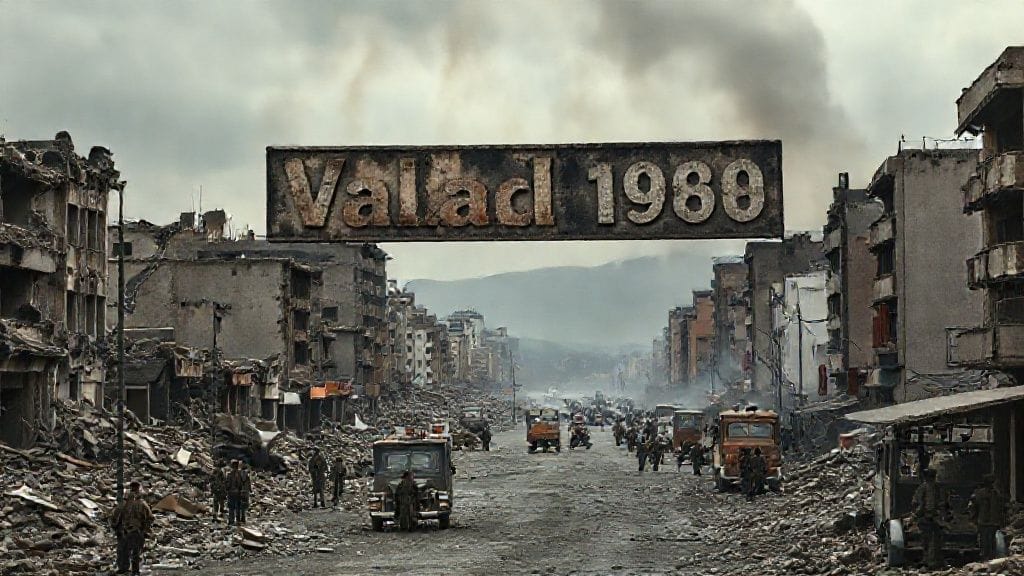
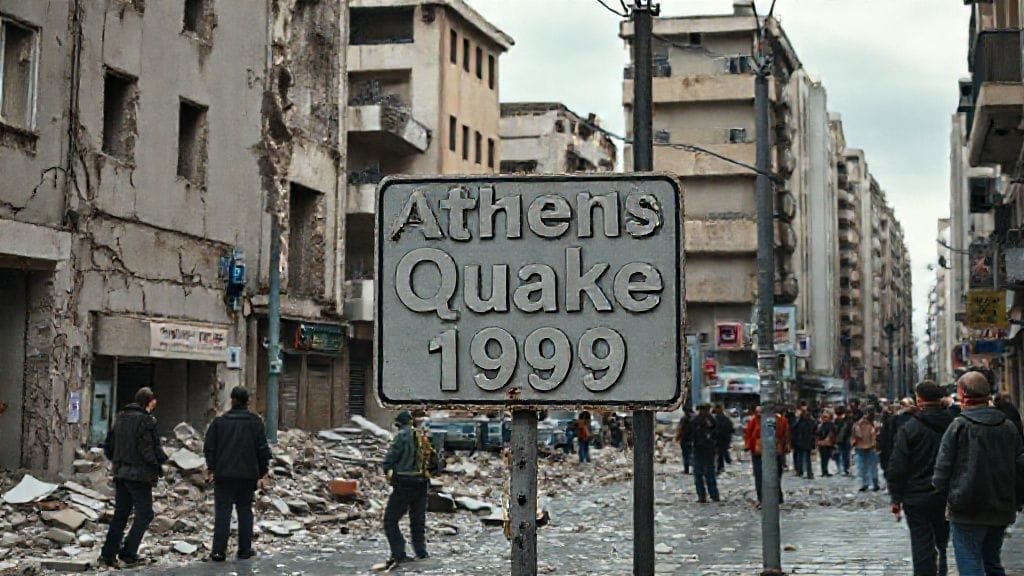
Minutes turned to hours as the initial shock gave way to grim assessment. Entire neighborhoods lay in rubble; gas lines ruptured, sparking fires; electricity flickered and died. The city’s ancient, narrow streets, once echoing with chatter and commerce, grew eerily silent. Emergency services scrambled to respond, grappling with blocked roads, collapsed buildings, and widespread chaos. The human cost crept upwards with each passing minute—dead, injured, and displaced adding to Athens’ somber tally.
6. Voices from the Rubble: Human Stories of Survival and Loss
Amid the devastation, stories emerged—sometimes heartbreaking, often heroic. Maria, a schoolteacher, recounted how she shepherded children to the safety of a park moments before their classroom floor collapsed. Giorgos, an elderly shopkeeper, survived trapped beneath his store’s debris, listening for hours to distant cries before rescue teams pried him free. These intimate narratives, threaded through the city's collective experience, humanize the catastrophe beyond statistics.
7. Emergency Response: Heroes Amid the Chaos
The response of Greece's emergency services was immediate but strained. Firefighters, paramedics, military personnel, and countless volunteers faced dire conditions to pull survivors from collapsing structures. Makeshift triage centers sprung up in public squares; hospitals were overwhelmed but unwavering. Despite the chaos, a remarkable spirit of solidarity ignited among Athenians, with neighbors helping neighbors, strangers sharing scarce resources, and communities uniting under a shared resolve to endure.
8. Infrastructure and Urban Vulnerability Laid Bare
The earthquake brutally exposed Athens’ architectural vulnerabilities. Decades of unregulated urban sprawl, poorly enforced building codes, and rapid population growth had left many structures ill-prepared to withstand such forces. Older buildings, dating back to the early 20th century, fared worse, while some modern constructions showed surprising resilience. Bridges, water systems, and power grids suffered extensive damage, revealing a city on the precarious edge of disaster.
9. Scientific Analysis: Understanding the Earthquake’s Mechanics
Seismologists quickly mobilized to analyze the quake’s nature. The rupture along a fault near Parnitha revealed complex interactions between local and regional tectonic forces. Aftershocks continued for weeks, some strong enough to cause further anxiety and damage. Data from the event refined models of seismic risk in the Athens basin, highlighting the need for improved predictive capabilities and urban preparedness.
10. Political and Social Repercussions in Modern Greece
The government faced intense scrutiny in the quake’s aftermath. Criticism mounted over delays in aid distribution, preparedness, and communication flaws. Athens' residents demanded accountability and better safeguards against future calamities. The disaster also accelerated political dialogue on urban renewal, public safety, and disaster management reforms. Social fault lines revealed by the crisis further emphasized disparities in how different communities experienced and recovered from the catastrophe.
11. The Role of Media: Reporting Amid Disaster
The 1999 earthquake came at a pivotal moment when media, especially television and emerging online platforms, played a crucial role. News covered scenes of devastation live, bringing the drama and reality into homes around Greece and the world. Journalists balanced the urgency of reporting with the sensitivity owed to victims and survivors, shaping public perception and mobilizing support. The media became both a tool for information and a lifeline of hope.
12. International Aid and Solidarity
Though Greece grappled with the earthquake largely through its internal mobilization, international assistance proved invaluable. Offers of expertise, equipment, and humanitarian aid poured in from the European Union, neighboring countries, and global organizations. The disaster fostered a sense of transnational solidarity, underscoring collective vulnerability in the face of natural calamities and the shared responsibility to respond.
13. Rebuilding Athens: From Tragedy to Renewal
Reconstruction began swiftly but demanded painstaking effort. Beyond restoring bricks and mortar, Athens sought to rebuild trust and reclaim its spirit. Urban planners incorporated new seismic standards; communities engaged in dialogue about envisioning a safer, more resilient city. The rebuilding process was not merely physical—it was a profound exercise in healing and hope, balancing Greece’s ancient legacy with future aspirations.
14. The Earthquake’s Lasting Imprint on Greek Urban Planning
The catastrophe instigated significant changes in urban policy. Building codes were overhauled, inspections became more rigorous, and emergency protocols enhanced. Athens invested in public education about earthquakes, fostering awareness and preparedness among its population. The 1999 event thus served as a somber catalyst for modernizing the city’s approach to seismic risk management.
15. Lessons Learned: Enhancing Seismic Preparedness
The Athens earthquake became a case study in effective disaster response and the pitfalls of unpreparedness. Urban density, illegal constructions, and socio-economic inequalities emerged as key vulnerabilities. Authorities, scientists, and civil society collaboratively pushed forward strategies aimed at minimizing future casualties. Seismic drills, early warning systems, and interdisciplinary research became priorities driven by the collective memory of that September morning.
16. Cultural Reflections and Memorialization
Artists, writers, and musicians responded to the earthquake by weaving its experience into the cultural fabric. Memorials and public commemorations honored those lost and celebrated survivors’ courage. The disaster accentuated the Greek narrative of perseverance but also highlighted human fragility. Annual remembrances ensured that the event remained a living part of Athens’ identity.
17. The 1999 Athens Earthquake in Global Seismic History
While not the deadliest or most powerful globally, the Athens earthquake’s urban impact offers crucial lessons for cities worldwide located in seismic zones. It underscores the challenge of safeguarding heritage-rich metropolises against natural disasters and highlights the balance between antiquity and modernity—a universal theme in global urban resilience discourse.
18. Personal Accounts: Memories That Refuse to Fade
Decades later, survivors still recount the earthquake with vivid clarity. For them, the event is not a distant historical fact but a visceral memory marked by fear, loss, hope, and rebirth. Oral histories collected by researchers ensure their voices endure, offering future generations poignant reminders of nature’s unpredictability and human tenacity.
19. The Earthquake and Greek Identity: Resilience in the Face of Nature
Greece’s ancient heritage teaches of gods and monsters, heroes and disasters. The 1999 quake became part of this continuum—a modern drama unfolding beneath the shadow of Acropolis’ timeless pillars. It reinforced a collective identity grounded in resilience, adaptability, and the unbroken thread of a civilization that has weathered countless storms.
20. Conclusion: A City Remembers and Rebuilds
The earthquake of September 7, 1999, was a brutal reminder of nature’s unpredictable power and humanity’s vulnerability. Yet, in the shaking void left in its wake, Athens demonstrated an indomitable spirit—one that rebuilt, reimagined, and recommitted to its future. Today, the city stands not only on ancient soil but on the foundations of lessons learned, grief endured, and hope renewed. The earthquake remains etched in the city’s heart, a moment when history trembled, and a people stood steadfast.
Conclusion
Athens in 1999 was forever transformed by the earthquake that rattled its foundations and tested its resilience. What unfolded was not merely a natural disaster but a profound human saga of survival, solidarity, and renewal. The event illuminated vulnerabilities embedded within urban life, inspiring a national reckoning and overhaul in preparedness that continues to shape Greece to this day. More than structures and streets, it was a moment that connected citizens to their city and to each other in ways that transcended the tremors themselves. From tragedy rose a renewed commitment to safeguarding a legacy millions cherish—a city brave enough to remember and rebuild. The 1999 Athens earthquake stands as a testament, intimately human and historically profound, teaching us that even in nature’s harshest moments, the spirit of a city endures.
FAQs
Q1: What caused the 1999 Athens earthquake?
A1: The earthquake was triggered by the movement along fault lines in the Hellenic Arc, where the African tectonic plate subducts beneath the Eurasian plate. This natural tectonic activity stores and releases energy resulting in seismic events like the 1999 quake.
Q2: How strong was the earthquake, and what was its magnitude?
A2: The quake measured approximately 6.0 on the Richter scale. While moderate in magnitude, its shallow depth and proximity to Athens caused significant damage.
Q3: What areas were most affected by the earthquake?
A3: Northern suburbs of Athens, including areas near Mount Parnitha, sustained the greatest damage. Various neighborhoods experienced building collapses and infrastructure failures.
Q4: How did the Greek government respond to the emergency?
A4: The government mobilized emergency services, the military, and volunteers to conduct rescues and provide aid. While criticized for some delays, the response showcased significant efforts under challenging conditions.
Q5: Were there any long-term changes in urban policy after the earthquake?
A5: Yes, the event sparked reforms in building codes, urban planning, and disaster preparedness. More rigorous safety standards and public awareness campaigns were implemented to reduce future risk.
Q6: Did the earthquake lead to international aid efforts?
A6: Indeed. Several countries and international organizations offered support, technical expertise, and humanitarian assistance, strengthening Greece’s capacity to manage the crisis.
Q7: How is the 1999 earthquake remembered culturally in Greece?
A7: Through public memorials, annual commemorations, and artistic expressions, the earthquake remains a poignant part of collective memory, symbolizing both loss and resilience.
Q8: What lessons have been learned to better prepare Athens for future earthquakes?
A8: The need for strict enforcement of building standards, efficient emergency response systems, public education, and continuous scientific monitoring have emerged as key priorities.