Table of Contents
- The Deadly Tremor: Ashgabat Wakes to Ruin
- A City on the Verge: Ashgabat Before the Earthquake
- Soviet Central Asia in the Postwar Era: Political and Social Context
- The Morning of October 6, 1948: When the Ground Split Open
- The Human Toll: Casualties, Survivors, and the Immediate Aftermath
- Rescue and Relief Efforts Amidst the Rubble
- The Soviet Government’s Response: Propaganda or Genuine Aid?
- Rebuilding Ashgabat: From Rubble to a New Vision
- The Role of Soviet Architecture and Planning in the Reconstruction
- Earthquake Science and Shifting Seismic Understanding in Central Asia
- Families Torn Apart: Personal Stories of Loss and Resilience
- International Isolation and Limited Information Flow
- The Psychological Impact: Trauma and Memory in Turkmenistan
- Cultural Expressions: Literature, Art, and Memory of the 1948 Earthquake
- The Ashgabat Earthquake’s Legacy in Modern Turkmenistan
- Lessons Learned: Disaster Management and Urban Planning in the Soviet Union
- A Hidden Tragedy: Why the Ashgabat Earthquake Remains Little Known
- Conclusion: Remembering Ashgabat 1948 – Pain, Perseverance, and Rebirth
- FAQs
- External Resource
- Internal Link
The Deadly Tremor: Ashgabat Wakes to Ruin
In the predawn darkness of October 6, 1948, a violent shudder swept through Ashgabat, the capital city of Turkmenistan. It was a trembling that tore at the earth and shattered the lives of tens of thousands in a matter of seconds. Homes crumbled into heaps of stone and timber, streets were fractured beyond recognition, and the air was thick with dust and panic. For many, it was the last moment they would spend with their loved ones, the last breath in a city suddenly reduced to ruins. The Ashgabat Earthquake, measuring an estimated 7.3 on the Richter scale, detonated a catastrophe that would leave an indelible scar on the landscape and collective memory of Soviet Central Asia.
This was not just a natural disaster. It was a moment when human frailty collided with the forces of nature, when political dynamics muted the global resonance of a tragedy, when survival became a testament to resilience under the shadow of ideological control. The earthquake reshaped Ashgabat physically and psychologically, marking a rupture that would influence decades of urban development, scientific inquiry, and cultural memory.
A City on the Verge: Ashgabat Before the Earthquake
Before 1948, Ashgabat was a city in transition. As the capital of the Turkmen Soviet Socialist Republic, it had grown from a modest oasis town into a center of Soviet power in Central Asia. Nestled near the Kopet Dag Mountains and astride key trading routes, Ashgabat was a blend of traditional Turkmen culture and emerging Soviet modernity. Streets buzzed with Soviet officials, bazaar vendors, and ordinary citizens who juggled old customs with the new ideological wave.
The cityscape reflected this duality—mud-brick houses sat side-by-side with Soviet administrative buildings. Infrastructure was rudimentary but expanding: new schools, hospitals, and communal apartments marked the Soviet push for modernization. Yet beneath the surface, Ashgabat remained vulnerable: a city built on seismic ground with limited understanding or preparation for the disaster that lurked underground.
Soviet Central Asia in the Postwar Era: Political and Social Context
The late 1940s were a period of immense strain and change in the Soviet Union. The scars of World War II were still raw, with millions lost and the economy still reorganizing for peace. In Central Asia, including Turkmenistan, Soviet control tightened, driven by a mixture of economic planning, political repression, and cultural assimilation policies aimed at integrating the diverse nations within the USSR.
Ashgabat’s importance lay not only in its status as a regional capital but also as a symbol of Soviet nation-building. Yet the central government’s focus remained largely on the European heartland. Remote republics like Turkmenistan too often became peripheral spheres where information flow was tightly controlled, and news classified or delayed. This context would profoundly affect how the disaster was managed and communicated to the outside world.
The Morning of October 6, 1948: When the Ground Split Open
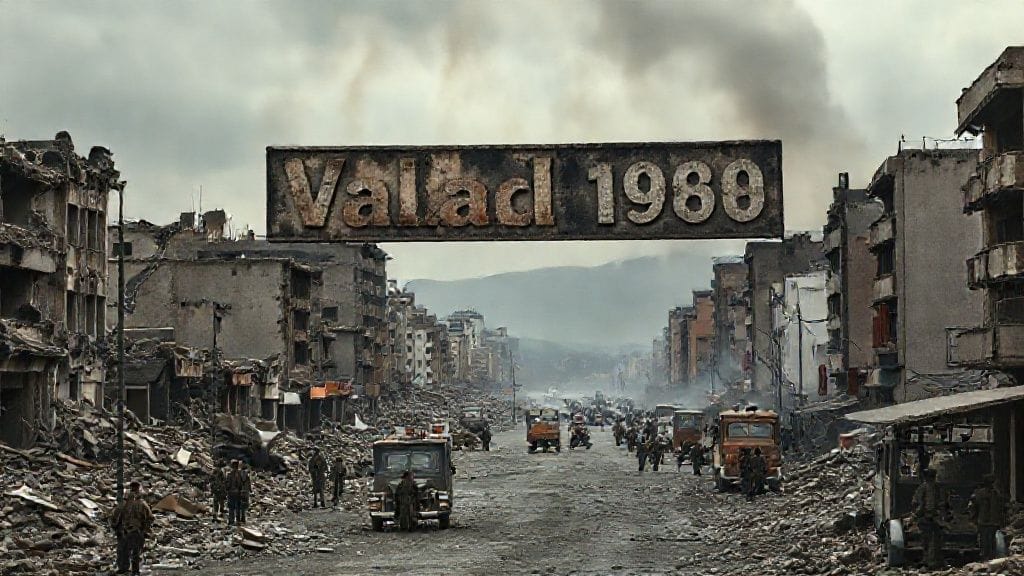
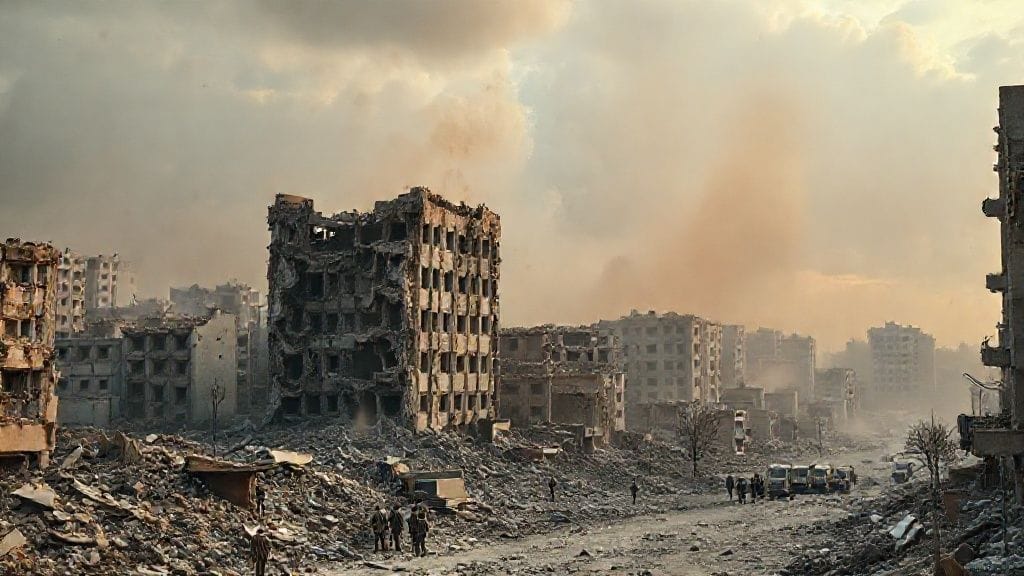
At 5:12 AM local time, Ashgabat was rocked by a violent earthquake that lasted barely a minute but caused unparalleled devastation. The tremor ruptured the earth’s crust beneath the city, triggering landslides on the surrounding hills and causing entire neighborhoods to collapse. In an explosion of sound and dust, buildings designed without adequate seismic safeguards crumbled like matchsticks.
Eyewitnesses recalled the ground rolling in waves, walls cracking and falling, and the sky darkened by smoke and dust. Families were ripped from their beds. The initial shock was followed by aftershocks that compounded the destruction and paralyzed attempts at immediate rescue.
The Human Toll: Casualties, Survivors, and the Immediate Aftermath
The casualty figures remain a subject of debate, partially clouded by the Soviet government’s initial desire to downplay the disaster. Most estimates place the death toll between 110,000 and 176,000 out of a population of approximately 140,000—one of the deadliest earthquakes of the twentieth century relative to city size.
Survivors wandered amidst the rubble, many injured and trapped. Hospitals were overwhelmed, morgues flooded, and morgues in disarray. The trauma was immense: broken families, lost children, and entire communities erased overnight.
Rescue and Relief Efforts Amidst the Rubble
Rescue efforts were immediate but handicapped by the scale of the tragedy. Soviet soldiers, engineers, and local volunteers hastened to clear debris, retrieve survivors, and provide emergency medical care. Yet the chaos and destruction delayed aid; roads were blocked, communication lines cut, and the scale of need far exceeded available resources.
The government deployed specialized teams and attempted to establish shelters, but winter was approaching fast. Many survivors faced not only the loss of their homes but the threat of exposure and malnutrition.
The Soviet Government’s Response: Propaganda or Genuine Aid?
Behind the scenes, the Soviet authorities walked a tightrope. The state-controlled media censored details, limiting reports to a few official statements that praised the heroic efforts of Soviet rescue teams and emphasized renewal. The desire to project strength and control silenced many voices and slowed international awareness.
Some historians argue the earthquake revealed systemic challenges in Soviet emergency preparedness and governance. In Ashgabat, ideological narratives sometimes overshadowed practical needs, complicating relief efforts.
Rebuilding Ashgabat: From Rubble to a New Vision
Yet amidst the ruins, a vision for a reborn Ashgabat emerged. Reconstruction was swift and ambitious. The city was redesigned from the ground up with new urban plans that prioritized wide boulevards, open squares, and stronger construction techniques.
This rebuilding effort became a demonstration of Soviet modernism and technological progress, signaling not only recovery but ideological triumph. Architects, planners, and engineers sought to transform Ashgabat into a showcase capital—a phoenix rising from its ashes.
The Role of Soviet Architecture and Planning in the Reconstruction
The new Ashgabat was shaped by Soviet principles of monumentalism and functionality. Brutalist concrete structures, wide streets designed for parades, and collective housing projects defined the cityscape.
Yet this architectural transformation was double-edged. While significantly safer and more modern, it erased older Turkmen architectural traditions that had defined the city. The rebuilding was as much political as practical – a tangible display of Soviet power and vision.
Earthquake Science and Shifting Seismic Understanding in Central Asia
The 1948 Ashgabat Earthquake marked a turning point for geological and seismic research in Central Asia. Soviet scientists intensified studies of the Kopet Dag mountain range’s tectonic features, aiming to better predict future seismic risks.
Instrumentation, seismic monitoring stations, and disaster prediction methodologies were expanded, but challenges remained given vast distances and limited technology. The tragedy underscored urgent needs for public education and building standards in earthquake-prone zones.
Families Torn Apart: Personal Stories of Loss and Resilience
Beyond statistics and urban plans lie the human stories—of parents who lost children, children who survived alone, neighbors who became family amidst the chaos. One elderly woman recalled pulling her grandchildren from beneath collapsing rafters by sheer instinct, an act that saved their lives.
Letters and memoirs from survivors reveal haunting memories of that morning: the shock, the despair, but also moments of kindness and courage in the face of devastation. These stories form the emotional heart of the earthquake’s legacy.
International Isolation and Limited Information Flow
Unlike other major natural disasters, Ashgabat’s catastrophe remained shrouded in relative silence internationally. The Cold War atmosphere limited foreign access and reporting. Foreign news agencies reported only sparse fragments, and independent verification was impossible.
This isolation contributed to a lack of awareness and international aid that could have supplemented Soviet efforts. It also created a narrative gap that still plagues the earthquake’s global historical profile.
The Psychological Impact: Trauma and Memory in Turkmenistan
The earthquake left deep psychological wounds on survivors and the collective psyche. Many struggled with post-traumatic stress, displacement, and the challenge of rebuilding shattered lives.
In Turkmen society, the event has been both remembered and repressed—a source of pain passed through generations but sometimes overshadowed by official silencing. Contemporary efforts seek to revive memory and honor the victims.
Cultural Expressions: Literature, Art, and Memory of the 1948 Earthquake
Ashgabat’s earthquake has inspired poets, writers, and artists who grappled with loss and resilience. Though Soviet censorship limited direct criticism, underground and post-Soviet art has brought new perspectives.
Monuments, memorials, and annual commemorations underscore the earthquake’s place in Turkmen cultural identity and the ongoing importance of remembrance.
The Ashgabat Earthquake’s Legacy in Modern Turkmenistan
Today, Ashgabat stands as one of Central Asia’s most unusual capitals—gleaming white marble facades and futuristic buildings bloom where rubble once lay. The earthquake remains a defining event, shaping policies and urban development.
Modern Turkmenistan honors this legacy with memorials and education, ensuring that the lessons and human stories from 1948 are not forgotten even as the city marches boldly into the future.
Lessons Learned: Disaster Management and Urban Planning in the Soviet Union
The tragedy of Ashgabat provoked substantial shifts in Soviet disaster management policies. Earthquake-resistant designs became standardized, and civil defense planning intensified.
However, the disaster also exposed broader systemic weaknesses: rapid urbanization without adequate infrastructure and centralized control hindering responsiveness. The Ashgabat experience influenced future Soviet—and later post-Soviet—approaches to urban resilience.
A Hidden Tragedy: Why the Ashgabat Earthquake Remains Little Known
Despite its catastrophic scale, the Ashgabat Earthquake is relatively unknown outside specialized circles. The interplay of Cold War secrecy, geographical remoteness, and limited international media presence all contributed.
Today, historians and activists endeavor to restore the earthquake to world historical consciousness, ensuring its lessons resonate beyond Turkmenistan’s borders.
Conclusion: Remembering Ashgabat 1948 – Pain, Perseverance, and Rebirth
The Ashgabat Earthquake of 1948 remains a profound chapter of human suffering and resilience etched into the landscape and memory of Turkmenistan. In that terrifying moment when the ground tore open, thousands of lives were lost, and an entire city was swallowed by destruction. Yet from these ashes rose a renewed Ashgabat, a testament to human endurance and Soviet ambition.
This disaster reminds us how nature can alter destinies, sparking both tragedy and transformation. It also underscores the power of memory—as Turkmenistan honors its fallen and rebuilds, it preserves the stories of pain and courage that define not just one moment in history but the enduring spirit of a people.
The Ashgabat Earthquake signifies more than an event; it is a living legacy bridging past trauma and future hope, a story still being told and remembered.
FAQs
Q1: What caused the Ashgabat Earthquake of 1948?
The earthquake was caused by tectonic activity along the Kopet Dag fault line near Ashgabat. The region lies in a seismically active zone where the Eurasian and Arabian plates interact, leading to periodic, sometimes violent earthquakes.
Q2: How many people died in the Ashgabat Earthquake?
Estimates vary, but approximately 110,000 to 176,000 people perished, making it one of the deadliest earthquakes in the twentieth century relative to city size.
Q3: Why was there limited information about the earthquake internationally?
The Soviet government restricted information during the early Cold War period and tightly controlled media coverage. Turkmenistan's remote location further limited foreign journalists' access.
Q4: How did the earthquake impact urban planning in Ashgabat?
The disaster prompted a complete redesign of the city, emphasizing seismic-resistant construction, wider streets, and Soviet monumental architectural styles, replacing many older buildings.
Q5: What was the Soviet Government’s response to the disaster?
The government launched large-scale rescue and reconstruction efforts but balanced this with propaganda control, aiming to portray strength and downplaying the disaster’s scale.
Q6: How is the earthquake remembered in Turkmenistan today?
It is commemorated with memorials, public education, and literature. Despite past suppression, the event holds an important place in national memory and identity.
Q7: Did the earthquake change scientific understanding of seismic risks in Central Asia?
Yes, it spurred enhanced geological research, seismic monitoring, and efforts to improve disaster preparedness in the Soviet Union’s Central Asian republics.
Q8: What cultural works have been inspired by the earthquake?
Poetry, literature, and visual arts in Turkmenistan have reflected on the trauma and resilience of the event, especially after the Soviet era permitted freer expression.