Table of Contents
- The Racha Earthquake: Dawn of Disaster in Georgia
- A Nation at the Edge: Georgia in the Early 1990s
- Geological Fault Lines: Why Racha Was Vulnerable
- The Morning Tremors: April 29, 1991 Unfolds
- The Ground Shakes: The Intensity and Scale of the Earthquake
- The First Reports: Chaos and Confusion Across the Region
- Immediate Human Impact: Lives Lost and Communities Shattered
- Search and Rescue Efforts: The Struggle to Reach Victims
- The Role of Local Authorities and Emergency Services
- International Aid and Response: When the World Looked Toward Racha
- The Aftershocks and Psychological Tremors: Coping with Fear
- Infrastructure Devastated: Roads, Bridges, and Homes in Ruins
- Stories of Survival and Heroism Amidst the Rubble
- Political Turmoil and Disaster: Georgia’s Fragile State in Crisis
- Reconstruction Efforts: The Long Road to Recovery
- Lessons Learned: Disaster Preparedness and Geological Awareness
- The Earthquake’s Place in Georgian Memory and Identity
- Cultural and Social Consequences: How Communities Changed
- Scientific Studies and Advances Triggered by the Racha Quake
- Reflections on 1991: The Racha Earthquake’s Historical Legacy
The Racha Earthquake: Dawn of Disaster in Georgia
On a clear spring morning, the serene landscape of Racha–a remote mountainous region in the northwestern part of Georgia–was ripped apart with a sudden and unrelenting force. The earth’s violent convulsions shattered both the physical terrain and the fragile fabric of community life. April 29, 1991, remains etched in national memory as the day when a powerful earthquake struck, leaving devastation and despair in its wake.
The sun had barely risen when the ground trembled—a deep, ominous rumble that grew into a roar, and then, without mercy, the earth cracked open beneath villages that had stood for centuries. Homes collapsed like towers of sand, roads fractured into impassable chasms, and thousands of lives were irrevocably altered in mere seconds. It was a moment where nature’s raw power abruptly reminded humanity of its vulnerability.
But the Racha earthquake was more than just a natural disaster; it came at a time when Georgia was grappling with tremendous political upheaval, barely emerging from Soviet control. The catastrophe thus threaded itself into a complex tapestry of human suffering, political chaos, and resilience. To understand the earthquake’s full impact, one must traverse the volatile landscape of Georgian history, geology, and society at the turn of the 1990s.
A Nation at the Edge: Georgia in the Early 1990s
The dawn of the 1990s was a turning point for Georgia. After nearly seven decades as part of the Soviet Union, the republic was awakening to political independence. February 1991 had already marked the tenuous declaration of independence, inflaming national pride, but also unleashing years of uncertainty.
Georgia was struggling not only against the legacies of Soviet collectivism but also against the rising tide of separatist conflicts and fragile governmental structures. The economy was in disarray, civil unrest simmered in some regions, and the crumbling Soviet infrastructure meant that basic services were precarious at best.
In this fragile context, communities in Racha lived largely isolated lives. The mountainous terrain had always insulated its inhabitants, creating tight-knit societies dependent on agriculture and local trade. But isolation also meant limited access to resources, infrastructure, and government assistance. The earthquake would expose these vulnerabilities starkly.
Geological Fault Lines: Why Racha Was Vulnerable
Nestled along the southern edge of the Greater Caucasus mountain range, Racha sits precariously atop complex geological fault systems. This region is known to be seismically active, influenced by the collision of the Arabian and Eurasian tectonic plates.
The intricate fold mountains that define the Caucasus range are scoured by countless fractures and faults, making the land prone to sudden releases of pent-up tectonic energy. Over millennia, this created a landscape both breathtaking and potentially deadly.
Geologists studying the area had long warned of the risks posed by the active fault lines running beneath Racha. However, the lack of comprehensive seismic monitoring and limited public awareness meant that residents were largely unprepared for a major quake.
On the morning of April 29, a rupture along one such fault unleashed an earthquake measuring 7.0 on the Richter scale, enough to wreak widespread devastation in a region built with traditional materials and without modern quake-proof engineering.
The Morning Tremors: April 29, 1991 Unfolds
The early morning hours of April 29 passed quietly in many parts of Georgia, but in Racha, the earth’s secret restlessness suddenly gave way to violent motion. Villagers reported an initial low rumble, quickly escalating into shaking that lasted for nearly 30 seconds—an eternity when the very ground beneath you disintegrates.
Wooden beams cracked, stones tumbled from roofs, and mud bricks crumbled as entire settlements seemed to shudder and collapse. People fled from their homes in panic, some injured already by falling debris. Livestock scattered amidst the chaos, and mountain trails fractured, isolating communities.
“It was like the mountains themselves were alive, roaring and crumbling at once,” recalled a survivor decades later. “You could hear the earth groan, breaking apart under our feet.”
The quake’s tremors were felt well beyond Racha’s borders, shaking nearby regions and stirring memories of previous seismic events in the Caucasus.
The Ground Shakes: The Intensity and Scale of the Earthquake
Measured at a magnitude 7.0, the Racha earthquake was one of the strongest recorded in the Caucasus in the 20th century. Its intensity varied across the region, with the greatest damage concentrated in the Racha-Lechkhumi area.
The quake registered a maximum intensity of IX on the Modified Mercalli Intensity scale—destructive enough to level buildings and cause ground fissures. Landslides swept down slopes, blocking rivers, and destroying bridges that were lifelines for remote communities.
More than 100 settlements were directly impacted, thousands of structures were heavily damaged or completely destroyed. The death toll approached approximately 270 people, with many more injured and tens of thousands left homeless.
The scale was staggering given the region’s sparse population, but the destruction to human life and infrastructure was profound. Roads were severed, electrical lines snapped, and water supplies contaminated, leaving survivors to contend with isolation and deprivation in the immediate aftermath.
The First Reports: Chaos and Confusion Across the Region
In the hours and days after the earthquake, rapid communication proved nearly impossible. Telephone lines were down, and the mountainous terrain slowed the movement of news and aid.
Initial reports were patchy and often conflicting, as local administrators struggled to assess damages and request help. The Georgian government, still in its infancy and overwhelmed with multiple crises, found itself scrambling to respond.
Foreign news agencies only began to pick up on the disaster several days later, as survivors made their way to the few functioning communication points. The true scale of the calamity gradually emerged, shocking the global community.
Meanwhile, within Georgian society, families and neighbors banded together, improvising rescue efforts with limited tools and resources. Compounded by the isolation of many villages, the challenge was immense.
Immediate Human Impact: Lives Lost and Communities Shattered
The human cost of the Racha earthquake was devastating. The final death toll, estimated around 270, included many women, children, and elderly individuals caught in collapsing homes.
Beyond the fatalities, thousands were wounded, some critically. The trauma extended beyond physical injury—entire communities lost their places of belonging. Schools, churches, and family homes crumbled, erasing layers of personal and cultural history.
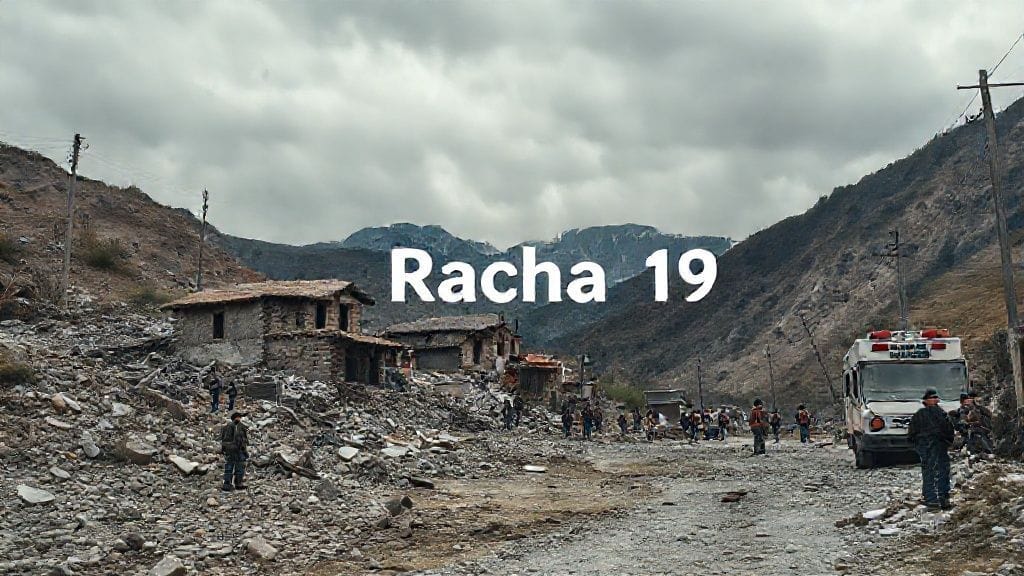
In villages like Oni and Ambrolauri, once bustling centers, streets were lined with rubble, and survivors faced winters without shelter or adequate supplies. The psychological scars were deep—many described the event as unworldly, a rupture of time and security.
Search and Rescue Efforts: The Struggle to Reach Victims
Rescue operations were arduous from the outset. The mountainous terrain complicated movement, with many roads rendered impassable by landslides and ground fissures.
Local villagers formed volunteer groups that dug through debris with bare hands, salvaging survivors and recovering bodies. Medical personnel, though limited in number, worked tirelessly in makeshift clinics.
The Georgian military was called upon to aid relief measures, but their resources were strained. Heavy rains following the earthquake worsened conditions, threatening survivors with homelessness and disease.
International aid slowly arrived, but in the first critical days, it was the resilience and solidarity of the local population that kept hope alive amidst the destruction.
The Role of Local Authorities and Emergency Services
The response of local authorities was shaped by the political and administrative chaos of early post-Soviet Georgia. Emergency services were ill-equipped and unprepared for a disaster of such scale.
While regional officials coordinated initial relief, the lack of centralized command hampered effectiveness. Competing priorities—political instability, civil unrest, and economic collapse—diverted attention and resources.
Nevertheless, some local leaders became symbols of courage and compassion, rallying volunteers and managing to establish supply lines for essentials.
The earthquake exposed gaps in disaster preparedness, prompting later reforms in civil defense and emergency planning.
International Aid and Response: When the World Looked Toward Racha
News of the earthquake quickly moved beyond Georgia’s borders, eliciting sympathy and calls for assistance. The early 1990s were complex politically, with Georgia newly independent, yet the human tragedy triggered offers of aid from neighboring states and international organizations.
The Red Cross, United Nations agencies, and NGOs mobilized resources to provide food, medical supplies, and shelter materials. Donations poured in from diaspora communities worldwide.
Relief convoys braved difficult conditions to reach the remote affected areas, although logistical obstacles delayed their full impact. The solidarity shown marked one of the first major international humanitarian efforts in post-Soviet Georgia.
The Aftershocks and Psychological Tremors: Coping with Fear
In the weeks and months following the main quake, numerous aftershocks continued to unsettle the region. Though smaller in magnitude, they revived fear and anxiety among survivors already traumatized by loss and uncertainty.
Children had nightmares; adults recoiled at the faintest tremor. The mental health toll was profound but largely invisible.
Communities sought solace in traditional rituals, religious gatherings, and mutual support. Psychologists and social workers, though scarce, began to emphasize the importance of trauma counseling as part of recovery.
Infrastructure Devastated: Roads, Bridges, and Homes in Ruins
The region’s infrastructure suffered catastrophic damage. Mountain roads vital for commerce and communication were fractured or buried under landslides.
Bridges connecting villages were swept away, isolating populations for extended periods. Electric grids were destroyed, and water supply systems rendered inoperable.
Homes built of wood and mud brick fell en masse, exposing the fragility of traditional construction in seismic zones. Schools and hospitals were damaged, hampering recovery efforts.
This infrastructural collapse set the stage for a prolonged humanitarian crisis and complicated rebuilding efforts.
Stories of Survival and Heroism Amidst the Rubble
Amid the tragedy, remarkable stories of human courage emerged. A woman trapped beneath rubble reportedly protected her children with her own body until rescuers arrived hours later.
Local shepherds led people to safety, risking further landslides. Teachers converted classrooms into shelters, and neighbors shared scant resources.
Such narratives of resilience became part of Racha's collective memory, proving that even in the darkest moments, human spirit perseveres.
Political Turmoil and Disaster: Georgia’s Fragile State in Crisis
The earthquake struck during Georgia’s fragile post-Soviet transition—a period marked by political rivalries, nationalist movements, and economic turbulence.
The disaster compounded existing challenges for the new government, already struggling to consolidate authority and maintain order.
Aid distribution became politicized in some areas, sparking tensions. The quake exposed the vulnerability of state institutions ill-prepared for large-scale emergency management.
Yet, it also stimulated discourse on governance, national unity, and the essential role of state services.
Reconstruction Efforts: The Long Road to Recovery
Rebuilding Racha was an arduous and multi-year process. Governments, aided by international donors, focused on restoring housing, infrastructure, and basic services.
Modern construction techniques emphasizing earthquake resistance were integrated, where possible, into new buildings. Roads, bridges, and utilities were repaired to reconnect fragmented communities.
Still, economic hardships slowed progress. Many displaced families faced years of hardship before permanent homes were rebuilt.
Reconstruction became as much a social project as a technical one—restoring confidence, community, and future prospects.
Lessons Learned: Disaster Preparedness and Geological Awareness
The Racha earthquake awakened Georgia—and the broader region—to the need for better seismic monitoring, public education, and disaster preparedness.
It led to the establishment of more comprehensive disaster risk management policies and the introduction of training programs for emergency responders.
Scientists expanded research on Caucasus seismicity, improving hazard mapping. Communities were encouraged to adopt safer building practices.
While challenges remain, these lessons have helped mitigate risks in subsequent decades.
The Earthquake’s Place in Georgian Memory and Identity
Over thirty years later, the Racha earthquake is remembered as a defining moment of tragedy and resilience. Memorials and commemorations honor those lost.
The event has entered literature, oral history, and local folklore, symbolizing the delicate coexistence between human life and natural forces.
In a nation continually shaped by its geophysical and geopolitical challenges, Racha’s quake remains a somber reminder of vulnerability and the indomitable will to rebuild.
Cultural and Social Consequences: How Communities Changed
The earthquake reshaped social fabric in Racha. Some villages diminished as families moved to cities or elsewhere for security and jobs.
Traditional ways of life were disrupted yet also strengthened by shared hardship. Religious and cultural institutions played key roles in healing.
The disaster intensified calls for regional development and integration with national structures.
The collective trauma forged new bonds, influencing local identity and social cohesion.
Scientific Studies and Advances Triggered by the Racha Quake
The 1991 earthquake spurred scientific inquiry into regional geology and seismology. Recording instruments were deployed, data collected, and fault dynamics analyzed.
Researchers used Racha as a case study to understand mountain-building processes and seismic risks in the Caucasus.
Improvements in early warning systems and earthquake-resistant construction guidelines are part of the quake’s scientific legacy.
Reflections on 1991: The Racha Earthquake’s Historical Legacy
Looking back, the Racha earthquake epitomizes the unpredictable forces that shape human history. It struck at a moment of national birth and upheaval, etching its mark on Georgia’s trajectory.
Its lessons echo in disaster management today—a fragile reminder that progress requires preparation against nature’s fury.
But above all, the Racha quake remains a story of enduring human courage and the communal will to rise, even when the ground beneath us falls away.
Conclusion
The Racha earthquake was more than a violent geological event—it was a profound human tragedy that tested the resilience of individuals, communities, and a nation in tumultuous transition. The morning of April 29, 1991, saw centuries-old villages crumble, lives forever altered by trembling earth. Yet amidst the rubble, stories of survival, solidarity, and hope emerged, painting a vivid portrait of courage.
Georgia’s fragile independence was tested not only by political forces but by the raw power of nature, revealing vulnerabilities yet sparking crucial changes in disaster preparedness and governance. The quake’s scars remain etched in the landscape and the collective memory of Georgians, a reminder of both the earth’s unpredictability and humanity’s enduring spirit.
Studying the Racha earthquake today allows us to confront the delicate balance between nature and civilization—a balance that demands vigilance, compassion, and a readiness to rebuild when disaster strikes. It is a story that transcends borders and time, inviting us to listen carefully to the rumblings beneath our feet and to honor the resilience forged in their wake.
FAQs
1. What caused the Racha earthquake in 1991?
The earthquake was triggered by tectonic activity along active fault lines in the Greater Caucasus mountain range, where the collision of the Arabian and Eurasian plates generates seismic tension released periodically by quakes.
2. How severe was the earthquake in terms of magnitude and impact?
It registered a magnitude of 7.0 and reached intensity IX on the Mercalli scale, causing widespread destruction of buildings and infrastructure, over 270 deaths, and thousands displaced.
3. What were the main challenges in the immediate response to the disaster?
Communication failures, difficult terrain, lack of preparedness, and political instability hindered rescue and relief efforts, requiring significant mobilization from local volunteers and later international aid.
4. How did the earthquake affect Georgia politically and socially in 1991?
It compounded the difficulties faced by a newly independent Georgia, exposing the weaknesses of its fledgling institutions but also fostering community solidarity and prompting reforms in disaster management.
5. What kind of reconstruction took place following the earthquake?
Rebuilding focused on restoring homes, infrastructure, and public services with improvements in construction standards aimed at seismic resistance. Economic hardship slowed progress but long-term development programs were implemented.
6. How is the Racha earthquake remembered today?
Through memorials, oral histories, scientific studies, and cultural narratives, it remains a symbol of tragedy and resilience, a key event in Georgia’s modern history and disaster awareness.
7. Did the earthquake lead to advancements in geological science or policy?
Yes, it encouraged enhanced seismic monitoring, better hazard mapping, and the establishment of more sophisticated disaster preparedness frameworks in Georgia and the Caucasus region.
8. Were there any notable stories of heroism or survival during the earthquake?
Many survivors recount acts of bravery by neighbors, rescuers, and local leaders who risked their lives to save others, reinforcing the deep communal bonds that arose from tragedy.