Table of Contents
- A Shattering Morning: The Izmit Earthquake Unfolds
- The Earth Trembles: A Moment Frozen in Time
- The Geology Behind the Disaster: North Anatolian Fault Explained
- Turkey on Edge: Social and Political Context of the Late 1990s
- Early Warnings and Missed Signs: Could the Tragedy Have Been Avoided?
- The First Hours: Chaos and Confusion in the Aftermath
- The Human Toll: Lives Lost and Families Torn Apart
- Search and Rescue Efforts: Heroes Beneath the Rubble
- International Solidarity: Aid and Support from Around the World
- Government Response: Criticism, Critique, and Controversy
- The Economic Earthquake: Repercussions on Industry and Infrastructure
- Voices from Izmit: Survivor Stories of Resilience and Despair
- Media Coverage: How Global and Local Press Shaped Perception
- Lessons Learned: Advances in Seismology and Urban Planning
- Memorializing the Tragedy: Memory, Monuments, and Moving Forward
- The Earthquake’s Role in Turkish Political Reform
- Environmental Impact: Nature’s Silent Scars
- The Psychological Aftershock: Trauma and Healing in Communities
- Reconstruction and Renewal: Rebuilding a City and a Nation
- Global Earthquake Preparedness: Izmit’s Legacy in Disaster Management
- Comparing Izmit to Other Great Quakes of the 20th Century
- Conclusion: A Nation’s Unbreakable Spirit
- FAQs: Understanding the 1999 Izmit Earthquake
- External Resource
- Internal Link
1. A Shattering Morning: The Izmit Earthquake Unfolds
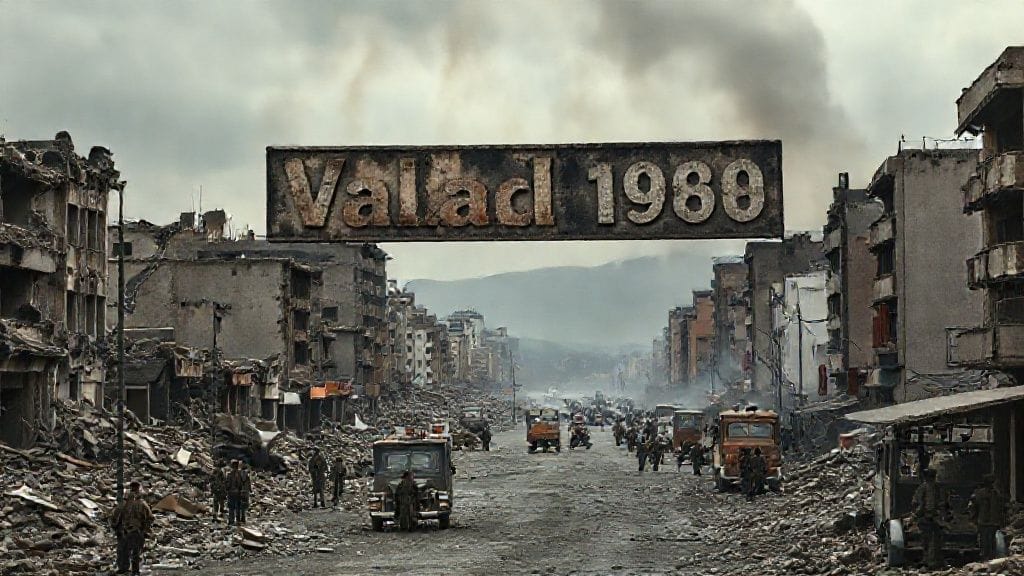
At precisely 3:02 a.m. on August 17, 1999, the ground beneath northwestern Turkey convulsed with a violent force hardly imaginable. Residents of Izmit, a bustling industrial city nestled within the Marmara region, were jolted from their slumber by an earth-shattering roar and a sudden burst of trembling that shattered walls, split roads, and upended lives. This was no ordinary tremor: it was the full fury of a 7.6 magnitude earthquake ripping through the heart of Turkey’s industrial artery and stamping a memory of destruction that would forever change the nation.
In those early, chaotic moments, thousands were caught unaware—children sleeping soundly, workers resting after late shifts, elderly couples surrounded by decades of accumulated memories within crumbling homes. The earthquake tore through the night with blistering intensity; buildings collapsed like sandcastles, fires sprouted in the darkened streets, and survivors found themselves thrust into a horrific nightmare, struggling to grasp that the ground beneath them was moving, reshaping their world in a matter of seconds.
The Izmit earthquake was not just a natural disaster; it was a profound shock to Turkish society, an event that echoed far beyond the rubble and dust, challenging political authority, testing civic resilience, and exposing vulnerabilities in disaster preparedness. As dawn broke over the wreckage, it quickly became clear: Turkey’s Marmara region would never be the same again.
2. The Earth Trembles: A Moment Frozen in Time
The initial seconds of the Izmit earthquake passed in a surreal blur for witnesses. Imagine the sudden groan of the earth giving birth to violent tremors, so fierce that entire highways buckled and twisted, and entire neighborhoods vanished beneath shifting earth and debris. The seismic energy unleashed radiated along a 150-kilometer stretch, obliterating towns and severing lifelines of commerce and connection.
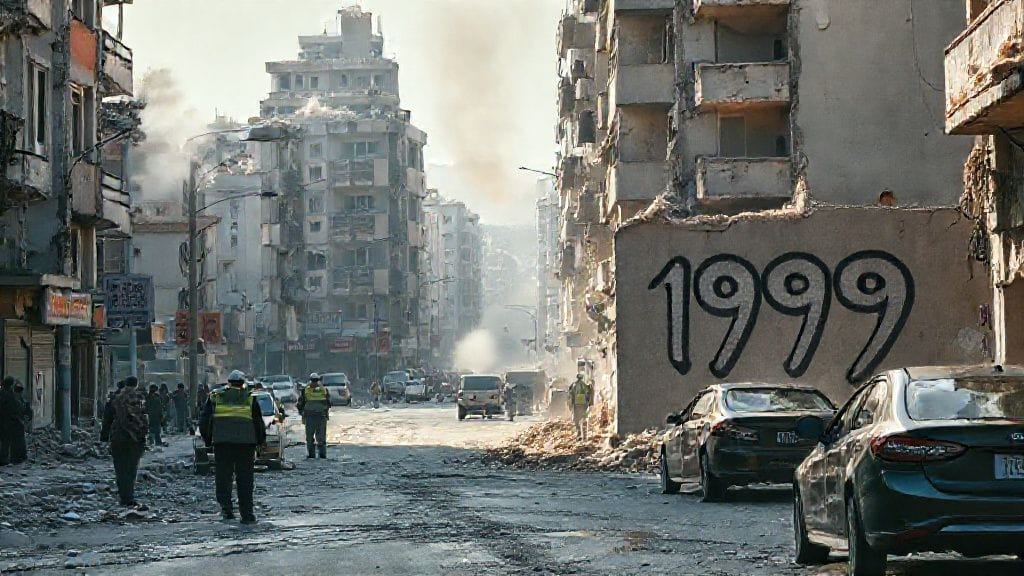
Eyewitnesses recall towering apartment blocks cracking and crumbling, concrete slabs plunging onto streets where panic-stricken civilians fled blindly. Power outages plunged the region into darkness; water and gas mains ruptured, feeding fires that blazed uncontrollably. It was a symphony of terror and destruction—uncertainty and chaos blended with the stark reality that life had changed irrevocably.
This was the fiercest Turkish earthquake in nearly a century, and its timing was unforgiving. Many were asleep, deeply vulnerable to sudden collapse; emergency services were caught unprepared as entire communication networks failed. For those who lived through it, the experience was etched into memory by a primal fear of nature’s unpredictable power—and a profound awe at their narrow escape.
3. The Geology Behind the Disaster: North Anatolian Fault Explained
To understand the Izmit earthquake, one must journey beneath the surface and into the tectonic forces shaping Turkey’s restless land. The culprit lay along the North Anatolian Fault (NAF), a major strike-slip fault system stretching roughly 1,200 kilometers across northern Turkey. This geological fault is comparable in scale and activity to California’s San Andreas Fault—both sites of high seismic risk due to tectonic plate shear.
The Anatolian Plate, squeezed westward by the northward motion of the Arabian Plate colliding with the Eurasian Plate, is under constant stress. The NAF acts like a massive crack that allows this pressure to release episodically through earthquakes. Izmit, sitting perilously close to this fault, had endured smaller tremors before, but what happened in August 1999 was a catastrophic rupture of a fault segment that had been building strain for decades.
Scientific analysis revealed that the quake originated near Gölcük, about 70 kilometers east of Istanbul, and propagated westward along the fault at remarkable speed. Each kilometer of fault that slipped unleashed pent-up energy, sending shockwaves that devastated everything in its path. This seismic rupture was part of a deadly chain reaction: in the decades prior, the NAF had produced a succession of earthquakes moving westwards, a grim “migration” of seismic activity documented by geologists with growing alarm.
4. Turkey on Edge: Social and Political Context of the Late 1990s
The late 1990s in Turkey was a period marked by political volatility, economic challenges, and social transformation. Under Prime Minister Bülent Ecevit’s coalition government, the country was grappling with inflation, unemployment, and the pressures of modernization and urbanization. The Marmara region—home to industrial centers like Izmit and the densely populated metropolis of Istanbul—was a vital economic hub but also a zone where rapid, often unregulated urban growth had spiraled out of control.
Informal housing sprawled across the landscape, with many structures built hastily or without proper adherence to building codes. Corruption and lax enforcement meant that construction quality suffered, a fact tragically revealed when thousands of buildings collapsed during the quake. Public confidence in the government’s ability to manage crises was already fragile, and the earthquake would expose these systemic weaknesses in dramatic fashion.
Ethnic, religious, and regional divides added layers of complexity: the earthquake struck an area of diverse populations, including Kurdish minorities and internal migrants, reminding all how disaster can both fracture and unite a society. Against this backdrop, the earthquake became more than a natural event—it was a seismic test of Turkey’s social fabric and political institutions.
5. Early Warnings and Missed Signs: Could the Tragedy Have Been Avoided?
In the years leading to 1999, Turkish seismologists had warned of an impending major quake along the NAF. Historical records indicated that the fault had a pattern of large earthquakes roughly every few decades—a domino effect that had marched steadily westward from Erzincan in 1939 to Istanbul’s outskirts in 1999. The devastating 1992 Erzincan earthquake, in particular, signaled ongoing tectonic instability.
Yet despite these warnings, comprehensive disaster preparedness remained elusive. Government agencies, weighed down by political instability and limited resources, did little to enforce stricter building regulations or educate the public about seismic risks. Early warning systems were primitive, and urban planning failed to prioritize safety in rapidly expanding communities.
This gap between scientific knowledge and public policy fed an unsettling question after the crisis: was the Izmit earthquake a cruel surprise, or a catastrophe foretold and preventable? Initial investigations highlighted missed opportunities and the persistent challenges of translating science into political will and action.
6. The First Hours: Chaos and Confusion in the Aftermath
In the immediate wake of the earthquake, the mood swung rapidly from shock to chaos. Emergency calls overwhelmed local services fraught with their own damages: hospitals were overrun, roads blocked, and communication lines severed. Survivors, many trapped beneath rubble, screamed for help as neighbors improvised rescue efforts.
The night turned into a blur of darkness pierced by flickering fires and the distant wail of sirens. Makeshift shelters formed on open roadsides, with tens of thousands fleeing destroyed homes to seek safety amid uncertainty. The government declared a state of emergency, yet early coordination was hindered by infrastructural collapse and bureaucratic inertia.
Aid from the military and civil defense units began to trickle in, but for many victims, especially in smaller towns, rescue came agonizingly late. The fractured nature of the disaster response revealed serious shortcomings, fueling public outrage in the days to come.
7. The Human Toll: Lives Lost and Families Torn Apart
The earthquake’s human cost was staggering. Official estimates recorded nearly 18,000 deaths and over 50,000 injured, though many suspect underreporting in remote areas. Entire families were wiped out, entire neighborhoods reduced to silent ruins with few survivors.
Izmit’s densely packed working-class districts suffered disproportionately severe losses, as poorly constructed apartments gave way in seconds. Children, elderly, and vulnerable populations bore the brunt, many succumbing to injuries or the subsequent lack of medical attention.
Beyond cold statistics, personal stories of loss emerged—parents searching for children buried in debris, neighbors risking life and limb to pull strangers from collapsed buildings, communities mourning collective tragedy. The emotional weight was immense, sparking nationwide grief and an outpouring of solidarity.
8. Search and Rescue Efforts: Heroes Beneath the Rubble
Amid devastation emerged remarkable tales of courage and humanity. Amateur volunteers joined professional teams, digging tirelessly through rubble with bare hands, shovels, and whatever equipment could be mustered. Dogs trained to sniff survivors became lifelines; helicopters ferried injured to hospitals.
International rescue teams from countries including Japan, Israel, Greece, and the United States arrived swiftly, bringing specialized machinery and expertise. Their presence underscored the global solidarity prompted by the disaster, as well as Turkish society’s commitment to rescue and recovery.
Stories of miraculous rescues, sometimes days after the quake, galvanized public hope. Yet these efforts also revealed tragic limits: many remained trapped and unaccounted for, and trauma haunted those who lost loved ones. The relentless work of rescuers was a testament to human resilience in the face of overwhelming destruction.
9. International Solidarity: Aid and Support from Around the World
The scale of the disaster quickly drew international attention. Governments, NGOs, and private citizens donated resources, supplies, and expertise. Emergency aid flights landed laden with medical supplies, tents, and food, while financial assistance poured in to support relief operations.
Foreign governments dispatched rescue teams equipped with cutting-edge technology, enhancing Turkey’s capacity to respond. Mutual aid agreements in the European Union and among neighboring countries facilitated coordination. Yet the influx of assistance also challenged Turkish sovereignty, as authorities balanced external support with national pride.
The earthquake became a focal point for international humanitarian engagement and highlighted the importance of cross-border disaster cooperation. This experience would shape future collaborations in emergency response worldwide.
10. Government Response: Criticism, Critique, and Controversy
In the aftermath, the Turkish government’s response was scrutinized intensely. Many considered it slow and ineffective, with accusations of inadequate preparedness and insufficient resources. Bureaucratic inefficiencies and corruption allegations surfaced, fueling public anger and political debate.
Prime Minister Bülent Ecevit’s administration faced daunting challenges: coordinating massive rescue efforts, managing displaced populations, and restoring infrastructure amid ongoing instability. Some officials were accused of downplaying the earthquake’s severity or failing to enforce building codes earlier.
The disaster exposed the fragility of institutional frameworks and ignited calls for reform. Yet it also brought moments of leadership and national unity, with government agencies mobilizing efforts despite enormous obstacles.
11. The Economic Earthquake: Repercussions on Industry and Infrastructure
Izmit and surrounding areas were economic powerhouses, home to Turkey’s largest industrial zones, including automotive, chemical, and steel factories. The earthquake devastated this vital economic hub: thousands of factories suffered structural damage, machinery was destroyed, and supply chains disrupted.
The destruction of the region’s infrastructure—roads, railways, ports, utilities—hampered recovery and affected the national economy. Insurance costs soared, investments froze temporarily, and billions of dollars in losses were tallied.
In the longer term, the quake forced a serious reassessment of industrial zones’ location and safety. Efforts went into rebuilding with stronger regulations and modern engineering, but the immediate economic shock left tens of thousands unemployed and strained public resources.
12. Voices from Izmit: Survivor Stories of Resilience and Despair
Amid statistics, human stories breathe life into the tragedy. A mother recalling searching endlessly through wrecked homes for her children. A factory worker who survived 72 hours under rubble, saved by a distant relative's call. Elderly residents mourning the loss of their lifelong homes, yet gathering to support neighbors.
Psychologists later studied the profound trauma inflicted by the quake: survivors faced anxiety, depression, and post-traumatic stress. Yet stories also reveal resilience, community solidarity, and acts of kindness that sustained hope.
Such personal narratives are essential to understanding the earthquake’s profound human dimension beyond numbers and damage reports.
13. Media Coverage: How Global and Local Press Shaped Perception
The Izmit earthquake dominated headlines worldwide. Turkish media provided detailed coverage, focusing on personal stories, governmental response, and rescue efforts. International outlets highlighted the event’s dramatic scale and Turkey’s geopolitical significance.
Television images of collapsed buildings and grieving families sparked empathy and urgency worldwide. Crucially, media scrutiny pressured authorities to act faster and more transparently.
Yet some controversies emerged regarding sensationalism or politicization of the disaster. In retrospect, media coverage played a pivotal role in shaping public understanding and historical memory.
14. Lessons Learned: Advances in Seismology and Urban Planning
The crisis propelled advances in Turkish seismology and urban planning. Scientists intensified monitoring of the North Anatolian Fault; seismic networks were expanded and improved. New engineering codes were adopted, emphasizing earthquake-resistant construction.
Urban planning shifted to regulation and zoning designed to minimize future risks. Public education campaigns raised awareness about earthquake preparedness, focusing on schools, workplaces, and homes.
While no measure can eliminate earthquake risks, Izmit’s legacy includes a stronger scientific foundation and safer cities.
15. Memorializing the Tragedy: Memory, Monuments, and Moving Forward
Over time, memorials arose across the Marmara region—statues, plaques, museums—honoring victims and educating about resilience. Annual commemorations mark August 17 as a day of reflection and community solidarity.
For many survivors, memorialization is a vital step in healing, a way to ensure loss is never forgotten and that lessons remain alive. The earthquake’s imprint is visible not just in rebuilt neighborhoods but in the collective memory of a nation.
16. The Earthquake’s Role in Turkish Political Reform
The disaster sharpened focus on governance, accountability, and transparency. Public demand for reform increased pressure on political leaders to improve disaster preparedness and social services.
Subsequent governments embarked on institutional restructurings, forming new agencies dedicated to disaster management. Civil society organizations grew in influence, advocating for community-based resilience and democratic participation in planning.
Izmit exposed how natural events intersect with political realities and has since influenced governance philosophies in Turkey.
17. Environmental Impact: Nature’s Silent Scars
Beyond human and economic tolls, the earthquake exacted an environmental cost. Ruptured gas pipelines sparked explosions; industrial spills contaminated land and waterways. The sudden shifts in the earth altered landscapes, disrupted ecosystems, and left lasting hazards.
Cliffs and riverbeds shifted; some agricultural lands became infertile due to soil liquefaction. Environmental rehabilitation became part of recovery programs, recognizing the interdependent relationship between nature and human society.
18. The Psychological Aftershock: Trauma and Healing in Communities
The psychological impact of the Izmit earthquake reverberated years beyond the tremors. Survivors dealt with profound grief, survivor’s guilt, and chronic stress. Mental health services were initially overwhelmed and underdeveloped, but gradually expanded in response.
Community-based healing programs, trauma counseling, and social support groups emerged to aid recovery. The disaster underscored the critical importance of mental health resources in the wake of catastrophe.
19. Reconstruction and Renewal: Rebuilding a City and a Nation
Reconstruction efforts began swiftly but pressed by enormous challenges: funding, expertise, community engagement. Building codes were modernized; damaged infrastructure was rebuilt stronger and smarter.
Cities like Izmit began transforming from shattered ruins to symbols of resilience. New neighborhoods combined durability with thoughtful urban design, integrating green spaces and emergency services.
This physical rebirth mirrored a deeper societal renewal, as Turkey collectively confronted its vulnerabilities and aspirations.
20. Global Earthquake Preparedness: Izmit’s Legacy in Disaster Management
Lessons from Izmit echoed worldwide, influencing international disaster response protocols and earthquake preparedness programs. The quake highlighted the necessity of early warning systems, rapid mobilization of resources, and cross-border collaboration.
Institutions like the United Nations and Red Cross adapted training and aid models informed by Izmit. Today, global cities facing earthquake risk study Izmit as a case of both tragedy and hope, emphasizing preparedness, education, and resilience.
21. Comparing Izmit to Other Great Quakes of the 20th Century
While not the deadliest earthquake of the century, Izmit ranks among the most impactful in terms of economic loss and political significance. It shares similarities with the 1994 Northridge earthquake in California or 1985 Mexico City quake—rapid urbanization in seismic zones met with disastrous consequences.
Comparisons foster shared learning across nations, emphasizing universal challenges in balancing growth and safety.
22. Conclusion: A Nation’s Unbreakable Spirit
The Izmit earthquake of 1999 was a brutal reminder of nature’s power to disrupt and destroy. Yet within the rubble lies a story of perseverance, courage, and transformation. Turkey faced this catastrophe not simply as victims but as a society determined to rebuild wiser and stronger.
From shattered homes to renewed infrastructures, from despair to resilience, the earthquake sparked profound changes—a collective awakening to the limits of human control and the enduring strength of community. Izmit remains a poignant chapter in the history of disasters, a call to vigilance and hope alike.
Conclusion
The Izmit earthquake was much more than a geological event; it was a crucible in which Turkey’s social, political, and environmental realities were laid bare. The pain and loss it caused were immense—yet in the aftermath emerged lessons that reshaped national policies and launched scientific progress.
Through the stories of survivors and rescuers, through the rubble and rebuilding, Turkey discovered the indomitable human spirit. Disaster forged demands for change and fostered hope that even amid profound tragedy, recovery and renewal are possible. As years pass, Izmit’s legacy endures not only in bricks and mortar but in the consciousness of a nation committed to facing the future with courage and wisdom.
FAQs: Understanding the 1999 Izmit Earthquake
Q1: What caused the 1999 Izmit earthquake?
The quake was caused by a rupture along the North Anatolian Fault, a major tectonic boundary where the Anatolian Plate slides westward relative to the Eurasian Plate, releasing accumulated stress in sudden seismic activity.
Q2: How strong was the earthquake and how far did its effects reach?
It registered a magnitude of 7.6 and was felt as far away as Greece and Bulgaria, with the most intense damage concentrated near Izmit and throughout the Marmara region.
Q3: Why was the earthquake so devastating in terms of casualties?
The high death toll was due in part to the time of occurrence (early morning), poor construction practices, unregulated urban expansion, and inadequate disaster preparedness measures.
Q4: How did the Turkish government respond?
The initial response was criticized for being slow and disorganized, but the government eventually mobilized military and civilian resources to coordinate rescue and relief efforts. The disaster prompted institutional reforms focused on disaster management.
Q5: What long-term impacts did the earthquake have on Turkey?
It led to stricter building codes, improved seismological monitoring, increased public awareness, economic restructuring, and influenced political discourse around governance and transparency.
Q6: How did the international community assist after the earthquake?
Many countries sent rescue teams, humanitarian aid, and technical support. International NGOs and relief organizations coordinated efforts alongside Turkish authorities to aid recovery.
Q7: What lessons from Izmit have influenced global earthquake preparedness?
Izmit highlighted the importance of early warning systems, enforcement of safety standards, community education, and international cooperation in managing disasters.
Q8: Are there memorials commemorating the Izmit earthquake?
Yes, multiple memorials, museums, and annual commemorations exist in Turkey, honoring victims and promoting awareness of earthquake risks.